

Mazda CX-5 Fuel Consumption: Real-World Efficiency, Engine Comparison & Driving Insights

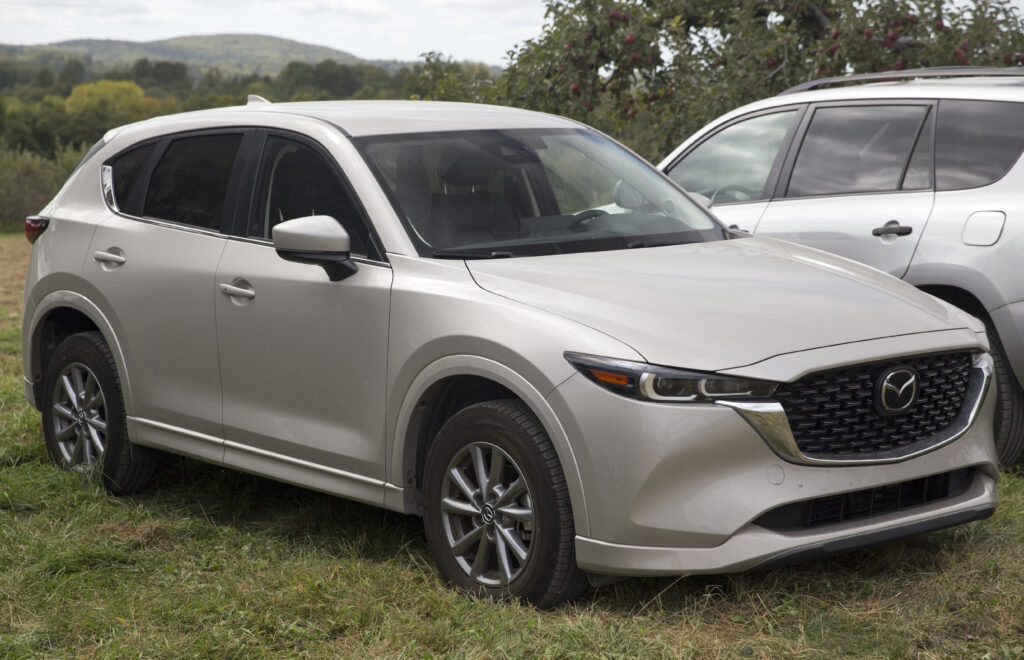
The Mazda CX-5 stands among the most refined compact SUVs in its class — blending Japanese craftsmanship with engaging driving dynamics. Yet, when it comes to fuel consumption, the real-world figures often differ from the manufacturer’s official claims. In this detailed analysis, we explore the actual fuel economy of the Mazda CX-5 across petrol and diesel engines, generations, and trims — helping you understand what to expect in day-to-day driving.
Content in this publication
- Official vs. Real-World Mazda CX-5 Fuel Consumption
- Mazda CX-5 Real Fuel Economy by Generation
- Petrol (Gasoline) Mazda CX-5 Real MPG
- Diesel Mazda CX-5 Real MPG
- Fuel Efficiency by Engine & Transmission Type
- City vs. Highway Fuel Economy
- Factors That Affect CX-5 Fuel Consumption
- Improving Your Mazda CX-5 Fuel Efficiency
- Comparison: Mazda CX-5 vs Competitors
- Real Owner Reports & Statistics
- How Mazda’s Skyactiv Technology Helps
- Fuel Tank Capacity & Range
- Annual Fuel Cost Estimate (UK & EU)
- Conclusion: What to Expect in Real Use
Official vs. Real-World Mazda CX-5 Fuel Consumption
According to user-reported data, the real-world fuel consumption of the Mazda CX-5 is approximately 27% higher than the official manufacturer figures.
- Petrol engines: about 19% higher than claimed
- Diesel engines: approximately 35% higher than official figures
This difference reflects the gap between laboratory WLTP tests and real driving conditions, including factors like urban traffic, driving style, and vehicle load.
| Engine Type | Official Combined (mpg UK) | Real-World Average (mpg UK) | Difference |
|---|---|---|---|
| Petrol (2.0 Skyactiv-G) | 42.0 | 34.0 | +19% |
| Diesel (2.2 Skyactiv-D) | 50.0 | 37.0 | +35% |
Mazda CX-5 Real Fuel Economy by Generation
First Generation (2012–2016)
The original CX-5 introduced Mazda’s Skyactiv-G and Skyactiv-D engines, focusing on high compression and low friction.
| Engine | Transmission | Drive | Real Fuel Economy (mpg UK) |
|---|---|---|---|
| 2.0L Petrol (165 hp) | 6MT | FWD | 36–38 |
| 2.2L Diesel (150 hp) | 6MT | FWD | 44–47 |
| 2.2L Diesel (175 hp) | 6AT | AWD | 38–41 |
Second Generation (2017–2022)
Refined aerodynamics and upgraded engines improved efficiency, though real-world numbers remained above official ratings.
| Engine | Transmission | Drive | Real Fuel Economy (mpg UK) |
|---|---|---|---|
| 2.0L Petrol (165 hp) | 6MT | FWD | 35–37 |
| 2.5L Petrol (194 hp) | 6AT | AWD | 31–33 |
| 2.2L Diesel (150–184 hp) | 6MT/6AT | AWD | 39–43 |
Facelift (2023–Present)
The latest iteration includes mild hybrid technology, offering slight improvements in consumption and smoother throttle response.
You may be interested in reading Mazda CX-5 0-60 Times and Quarter Mile Performance (All Model Years)
| Engine | Type | Real Fuel Economy (mpg UK) |
|---|---|---|
| 2.0 e-Skyactiv-G | Petrol MHEV | 36–38 |
| 2.5 e-Skyactiv-G | Petrol MHEV | 32–34 |
| 2.2 e-Skyactiv-D | Diesel | 40–43 |
Petrol (Gasoline) Mazda CX-5 Real MPG
Petrol-powered CX-5 models are favored for their quietness and linear throttle, but they consume more fuel under load.
- 2.0 Skyactiv-G (165 hp): 34–37 mpg (7.6–8.3 L/100 km)
- 2.5 Skyactiv-G (194 hp): 30–33 mpg (8.6–9.4 L/100 km)
- 2.5 Turbo (250 hp, US model): 25–28 mpg (10.0–11.3 L/100 km)
Verdict: Petrol engines offer smoothness but require modest throttle discipline to remain efficient.
Diesel Mazda CX-5 Real MPG
Diesel versions provide better fuel economy, especially for high-mileage drivers or frequent motorway trips.
- 2.2 Skyactiv-D (150 hp): 42–45 mpg (6.3–6.7 L/100 km)
- 2.2 Skyactiv-D (184 hp): 38–41 mpg (6.8–7.2 L/100 km)
Verdict: Ideal for long-distance drivers; however, short urban trips can lead to DPF issues and increased consumption.
Fuel Efficiency by Engine & Transmission Type
| Engine | Transmission | Drive | Real MPG (UK) | Notes |
|---|---|---|---|---|
| 2.0 Petrol | Manual | FWD | 36–38 | Best balance of power and economy |
| 2.5 Petrol | Auto | AWD | 31–33 | Smooth but less efficient |
| 2.2 Diesel | Manual | FWD | 43–45 | Most economical setup |
| 2.2 Diesel | Auto | AWD | 39–41 | Better traction, higher consumption |
City vs. Highway Fuel Economy
| Driving Condition | Petrol (mpg UK) | Diesel (mpg UK) |
|---|---|---|
| City | 28–32 | 34–38 |
| Highway | 40–45 | 46–50 |
| Combined | 34–37 | 40–43 |
Insight: The CX-5 excels on highways but consumes noticeably more in stop-and-go urban traffic.
Factors That Affect CX-5 Fuel Consumption
- Driving Style: Aggressive acceleration raises consumption by up to 25%.
- Tyre Pressure: Underinflated tyres increase rolling resistance.
- Payload: Extra 100 kg adds roughly 0.3–0.5 L/100 km.
- 4WD System: All-wheel-drive variants consume 8–10% more.
- Cold Weather: Diesel engines take longer to reach optimal efficiency.
Improving Your Mazda CX-5 Fuel Efficiency
- Use Eco Mode (if available).
- Maintain tyres at recommended pressures (33–35 psi).
- Avoid idling; switch off the engine during long stops.
- Use synthetic low-friction engine oil (0W-20) for petrol engines.
- Keep the air filter clean and perform regular fuel system cleaning.
Comparison: Mazda CX-5 vs Competitors
| Model | Real Combined MPG (UK) | Fuel Type | Comment |
|---|---|---|---|
| Mazda CX-5 2.2D | 40–43 | Diesel | Engaging drive, moderate economy |
| Toyota RAV4 Hybrid | 45–50 | Hybrid | More efficient but pricier |
| Honda CR-V 1.5T | 34–36 | Petrol | Similar economy, less torque |
| VW Tiguan 2.0 TDI | 42–46 | Diesel | Comparable efficiency, less reliability |
Real Owner Reports & Statistics
User-submitted data indicates the average Mazda CX-5 real consumption is 27% higher than the official figure. Owners in colder climates and urban settings report lower averages, while motorway drivers often exceed expectations.
You may be interested in readingMazda CX-5 0-60 Times and Quarter Mile Performance (All Model Years)You may be interested in reading
 Mazda CX-5 Fuel Tank Capacity: Complete Guide (2022–2025 Models)
Example:
“My 2.2D AWD returns around 41 mpg in mixed driving — lower than official 50 mpg, but still impressive for a heavy SUV.”
How Mazda’s Skyactiv Technology Helps
Mazda’s Skyactiv philosophy focuses on reducing internal friction, optimizing combustion, and improving powertrain efficiency without relying on hybridization.
The e-Skyactiv mild hybrid system (introduced in 2023) adds an electric motor assist during acceleration, improving fuel economy by up to 8%.
Fuel Tank Capacity & Range
| Engine | Tank Capacity (litres) | Real-World Range (km) |
|---|---|---|
| Petrol 2.0 | 56 | 600–650 |
| Petrol 2.5 | 56 | 520–580 |
| Diesel 2.2 | 58 | 700–850 |
Annual Fuel Cost Estimate (UK & EU)
| Engine | Average MPG | Annual Mileage | Approx. Cost (UK £, Diesel £1.50/L, Petrol £1.55/L) |
|---|---|---|---|
| 2.0 Petrol | 36 | 12,000 miles | £2,360 |
| 2.5 Petrol | 32 | 12,000 miles | £2,650 |
| 2.2 Diesel | 42 | 12,000 miles | £1,960 |
Conclusion: What to Expect in Real Use
In real driving conditions, the Mazda CX-5 consumes around 20–35% more fuel than the official figures suggest, depending on engine type. Diesel variants offer better long-range efficiency, while petrol models provide quieter operation and smoother performance.
If your journeys are mainly urban, expect higher fuel use — but with proper maintenance and efficient driving habits, the CX-5 remains one of the most balanced SUVs in its class for both performance and economy.
In summary:
You may be interested in readingMazda CX-5 0-60 Times and Quarter Mile Performance (All Model Years)You may be interested in reading
Mazda CX-5 Fuel Tank Capacity: Complete Guide (2022–2025 Models)You may be interested in reading
 Audi A1 MPG — The Ultimate Real-World Fuel Economy Guide
- Petrol: 34–37 mpg (UK)
- Diesel: 40–43 mpg (UK)
- Real-world gap: +27% over official figures
The Mazda CX-5 continues to deliver a compelling mix of refinement, reliability, and fuel efficiency — especially for drivers who appreciate both comfort and driver engagement.
If you want to know other articles similar to Mazda CX-5 Fuel Consumption: Real-World Efficiency, Engine Comparison & Driving Insights you can visit the category Driving.
Volvo XC60 Wading Depth: How Deep Can It Really Go?

Volkswagen Tiguan Driving Modes: The Complete Guide to Smarter, Smoother, and More Dynamic Driving
Volvo XC60 Fuel Consumption: Real MPG, Efficiency & Tips
Volvo XC60 MPG: Real-World Fuel Economy, Costs & What to Expect

Audi Q5 MPG: Real-World Fuel Economy, Tips, and Performance Insights
Can BMW X3 Go Off Road? The Real Truth About Its Capabilities
Leave a Reply
More content of your interest