

Mitsubishi ASX Handbrake Problems: Causes, Fixes, and Real-World Insights

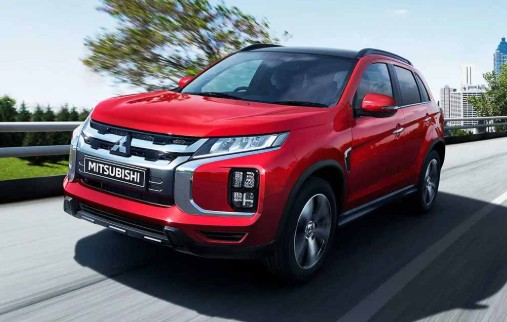
When we talk about compact SUVs that quietly get the job done, the Mitsubishi ASX often enters the conversation. It’s dependable, practical, and—let’s be honest—rarely flashy. But like any machine built with moving parts and human expectations, it isn’t immune to quirks. And one issue that tends to creep up, sometimes silently and sometimes loudly, is the handbrake.
So, what’s really going on when the handbrake starts acting up? Is it a minor annoyance… or something more serious lurking beneath the surface?
Let’s dig deep—mechanically and metaphorically.
Content in this publication
- Understanding the Handbrake System in the Mitsubishi ASX
- Common Mitsubishi ASX Handbrake Problems
- Why These Problems Occur
- Diagnosing Mitsubishi ASX Handbrake Issues
- How to Fix Mitsubishi ASX Handbrake Problems
- Preventing Handbrake Problems
- Real-World Owner Experiences
- Is It a Serious Problem?
- Cost of Repair: What Should You Expect?
- Manual vs Electronic Handbrake (ASX Variants)
- Should You DIY or Go to a Mechanic?
- When to Replace vs Repair
- Hidden Risks of Ignoring the Problem
- Final Thoughts: Don’t Let a Small Lever Become a Big Problem
- Conclusion
- FAQs
Understanding the Handbrake System in the Mitsubishi ASX
What Does the Handbrake Actually Do?
The handbrake—also known as the parking brake—is your car’s final line of defense when parked. Think of it as the anchor holding your SUV steady while gravity tries to pull it downhill.
In the Mitsubishi ASX, the system is typically:
- Mechanical (lever-operated) in older models
- Cable-based, connecting the lever to rear brakes
- Occasionally paired with disc or drum-in-disc setups
Why It Matters More Than You Think
We often treat the handbrake like a background character. But when it fails, it becomes the main villain—fast.
- Prevents vehicle rollaway
- Supports braking system when parked
- Helps in emergency stopping situations
Common Mitsubishi ASX Handbrake Problems
Let’s get straight to what you’re here for—the real issues owners face.
1. Handbrake Not Holding Properly
You park. You pull the lever. You feel resistance. But the car still creeps.
Sound familiar?
Possible Causes:
- Stretched or worn handbrake cable
- Worn rear brake pads or shoes
- Improper adjustment
What It Feels Like:
- Lever pulls higher than usual
- Car moves slightly even when engaged
2. Excessive Lever Travel
If your handbrake feels like it’s climbing a mountain before engaging, something’s off.
Why It Happens:
- Cable stretch over time
- Internal wear in brake components
Quick Insight:
A healthy handbrake should engage firmly within 5–8 clicks. More than that? It’s waving a red flag.
3. Handbrake Warning Light Stays On
That glowing red symbol on your dashboard isn’t just decoration.
Possible Reasons:
- Faulty handbrake switch
- Low brake fluid
- Incomplete disengagement
Tip:
Don’t ignore it. Sometimes it’s not the handbrake—it’s your entire braking system asking for attention.
4. Rear Wheels Sticking or Binding
Ever released the handbrake and felt like the car is dragging its feet?
Common Culprits:
- Seized brake calipers
- Rust buildup in rear drums
- Frozen cables
Symptoms:
- Reduced fuel efficiency
- Burning smell after driving
- Slight resistance when accelerating
5. Handbrake Cable Failure
The cable is the silent workhorse—and when it fails, everything falls apart.
Signs of Failure:
- Loose lever with no resistance
- Handbrake doesn’t engage at all
- Clicking sound disappears
Why These Problems Occur
Wear and Tear: The Slow Enemy
Let’s face it—nothing lasts forever. The handbrake system constantly deals with:
- Friction
- Heat
- Moisture
Over time, components degrade like an old rope fraying strand by strand.
Environmental Factors
If you live in humid or rainy areas (or even dusty urban zones), corrosion becomes a real threat.
- Rusted cables
- Seized moving parts
- Reduced braking efficiency
Driving Habits
Yes, we’re part of the problem too.
- Not using the handbrake regularly
- Pulling it too aggressively
- Parking on steep slopes without proper support
Diagnosing Mitsubishi ASX Handbrake Issues
Simple Checks You Can Do at Home
Before rushing to a mechanic, try these:
- Count the clicks when pulling the lever
- Check if the car rolls slightly on a slope
- Listen for unusual noises
- Inspect rear wheels after driving
When to Call a Professional
If you notice:
- No resistance at all
- Grinding or metallic sounds
- Burning smell
…it’s time to let a professional take over.
How to Fix Mitsubishi ASX Handbrake Problems
1. Adjusting the Handbrake Cable
Often the simplest fix.
- Tightens slack in the cable
- Restores proper engagement
Cost: Low
Difficulty: Moderate
2. Replacing Brake Pads or Shoes
If the braking surface is worn, no adjustment will save you.
- Replace rear pads/shoes
- Inspect discs or drums
3. Lubricating or Replacing Cables
Stiff or seized cables need attention.
- Lubrication for minor stiffness
- Full replacement for severe cases
4. Caliper or Drum Repair
If the issue lies deeper:
- Clean or replace seized calipers
- Inspect drum mechanisms
Preventing Handbrake Problems
Let’s flip the script—how do we avoid all this drama?
Best Practices
- Use the handbrake regularly (yes, even on flat ground)
- Avoid yanking it aggressively
- Service brakes periodically
Maintenance Checklist
- Inspect cables every 20,000–30,000 km
- Replace worn pads promptly
- Check brake fluid levels
Real-World Owner Experiences
Many ASX owners report similar patterns:
- Gradual loss of handbrake efficiency
- Issues appearing after 60,000–100,000 km
- Fixes often simple but ignored too long
It’s like hearing a faint creak in your house—ignore it, and one day the door won’t close.
Is It a Serious Problem?
Let’s be blunt.
A faulty handbrake isn’t just inconvenient—it can be dangerous.
- Risk of vehicle rollaway
- Increased strain on transmission
- Reduced overall braking safety
Cost of Repair: What Should You Expect?
Here’s a rough breakdown:
- Adjustment: $30–$80
- Cable replacement: $100–$250
- Brake pads/shoes: $150–$300
- Full system repair: $300–$600+
Prices vary, but ignoring the issue always costs more later.
Manual vs Electronic Handbrake (ASX Variants)
Some newer variants introduce electronic systems.
Manual System:
- Simple
- Easier to fix
- Cheaper
Electronic System:
- Convenient
- More complex
- Higher repair costs
Should You DIY or Go to a Mechanic?
DIY if:
- It’s a simple adjustment
- You have basic tools
Go Pro if:
- There’s cable damage
- Brakes are involved
- You’re unsure
Because let’s be honest—brakes aren’t the place to “learn as you go.”
When to Replace vs Repair
A quick rule:
- Minor slack → Adjust
- Worn parts → Replace
- Multiple issues → Full overhaul
Here’s where things get real.
- Car rolling unexpectedly
- Damage to transmission (if relying on parking gear only)
- Legal issues in accidents
Ignoring it is like ignoring a ticking clock—you just don’t know when it’ll go off.
Final Thoughts: Don’t Let a Small Lever Become a Big Problem
The Mitsubishi ASX is a reliable companion—but even reliable companions need attention. The handbrake may seem like a small detail, but it plays a massive role in safety and control.
Treat it like you would your seatbelt—not glamorous, but absolutely essential.
Conclusion
We’ve walked through the symptoms, causes, fixes, and prevention strategies for Mitsubishi ASX handbrake problems. The takeaway? Most issues start small—cable stretch, worn pads, minor misalignment—but escalate quickly if ignored.
Stay proactive. Listen to your car. And when in doubt, don’t guess—inspect.
Because sometimes, the difference between “parked safely” and “rolling away” is just a properly working handbrake.
FAQs
1. How many clicks should a Mitsubishi ASX handbrake have?
Ideally between 5–8 clicks. More than that suggests adjustment is needed.
2. Why does my handbrake feel loose?
Most likely due to a stretched cable or worn brake components.
3. Can I drive with a faulty handbrake?
Yes, but it’s risky—especially when parking on slopes.
4. How often should I service the handbrake?
Every 20,000–30,000 km or during routine brake inspections.
5. Is handbrake repair expensive?
Not usually. Most fixes are relatively affordable if caught early.
If you want to know other articles similar to Mitsubishi ASX Handbrake Problems: Causes, Fixes, and Real-World Insights you can visit the category Common Problems.
Volvo XC40 Sound Not Working? Complete Troubleshooting Guide

Mazda Diesel Engine Problems: Common Faults and Fixes
Volkswagen Key Not Detected or No Key Error: Causes and Fixes

Volvo S90 Common Problems: Reliability & Repair Guide
Volvo S90 No Sound: Causes, Fixes and Solutions

Nissan Rogue Smells Like Gas: Causes and Fixes
Leave a Reply
More content of your interest