
Mitsubishi ASX Weight: The Complete Guide to What It Means for Performance, Efficiency, and Everyday Driving

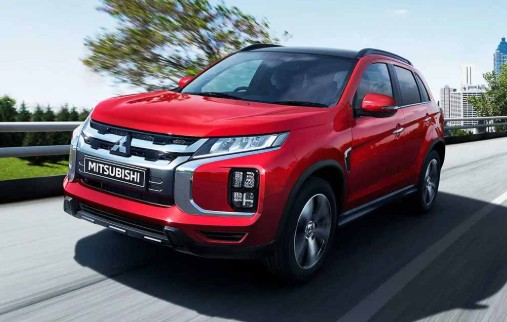
When we talk about the Mitsubishi ASX, most people jump straight to fuel economy, reliability, or design. But here’s the thing—we often overlook one of the most influential factors behind all of those: weight.
Think of a car’s weight as its personality backbone. It shapes how it accelerates, brakes, corners, and even how much fuel it drinks on your daily commute. So today, we’re diving deep—not just into numbers, but into what those numbers actually mean.
Content in this publication
- Understanding Mitsubishi ASX Weight at a Glance
- What Does Kerb Weight Actually Mean?
- Gross Vehicle Weight: The Bigger Picture
- Weight Differences Across Engine Variants
- Why Does Weight Matter So Much?
- Mitsubishi ASX Weight by Generation
- How Trim Levels Affect Weight
- The Hidden Weight: Optional Extras
- Payload Capacity: What Can You Carry?
- Towing and Weight: What You Need to Know
- How Weight Impacts Suspension and Comfort
- Weight Distribution: The Unsung Hero
- Comparing Mitsubishi ASX Weight to Rivals
- Does Heavier Mean Safer?
- Real-World Driving: What Weight Feels Like
- Tips to Manage Your ASX Weight Effectively
- Is the Mitsubishi ASX Too Heavy or Just Right?
- Closing Thoughts: Why Weight Should Never Be Ignored
- FAQs About Mitsubishi ASX Weight
Understanding Mitsubishi ASX Weight at a Glance
Let’s start simple. The weight of the Mitsubishi ASX varies depending on engine, trim level, drivetrain, and year.
Typical Weight Range
- Kerb weight: ~1,300 kg to 1,550 kg
- Gross Vehicle Weight (GVW): ~1,870 kg to 2,050 kg
That might sound like just numbers—but they’re the difference between a nimble city cruiser and a slightly heavier, more planted SUV feel.
What Does Kerb Weight Actually Mean?
Before we go further, let’s clear something up.
Kerb Weight Explained
Kerb weight is the weight of the car with:
- Fuel tank (usually ~90% full)
- Standard equipment
- Fluids (oil, coolant, etc.)
- No passengers or cargo
In other words, it’s how the car sits on the road before you hop in.
Gross Vehicle Weight: The Bigger Picture
Now, here’s where things get real.
GVW Includes:
- Driver + passengers
- Luggage
- Optional equipment
- Towing load (in some contexts)
Why It Matters
If you overload your ASX beyond its GVW, you’re:
- Reducing braking efficiency
- Increasing wear on suspension
- Potentially compromising safety
Weight Differences Across Engine Variants
Not all ASX models weigh the same—and the engine plays a big role.
Petrol Models
- Typically lighter
- Around 1,300–1,420 kg
- Better suited for urban driving
Diesel Models
- Slightly heavier due to stronger components
- Around 1,450–1,550 kg
- Built for torque and long-distance efficiency
All-Wheel Drive (AWD) Versions
- Add extra weight (drivetrain components)
- Around +80 to +120 kg compared to FWD
Why Does Weight Matter So Much?
Let’s be honest—it’s easy to ignore weight. But it affects almost everything.
1. Acceleration
Heavier cars need more energy to move.
- Lighter ASX → quicker off the line
- Heavier ASX → slower but more stable
Think of it like running with a backpack—you’ll still move, just not as fast.
2. Fuel Efficiency
Weight and fuel consumption are best friends… or worst enemies.
- More weight = more fuel burned
- Less weight = better MPG
Quick Insight
A difference of 100 kg can noticeably impact fuel economy over time.
3. Handling and Cornering
Weight influences how the ASX behaves in curves.
- Lighter = more agile
- Heavier = more planted but less responsive
4. Braking Distance
Physics doesn’t lie.
- More mass = longer stopping distance
- Less mass = shorter braking distance
That’s why manufacturers carefully balance weight and braking systems.
Mitsubishi ASX Weight by Generation
The ASX has evolved over time—and so has its weight.
First Generation (2010–2016)
- Approx. 1,300–1,500 kg
- Simpler tech → lighter build
Facelift Models (2017–2022)
- Slight increase due to added safety features
- Approx. 1,350–1,550 kg
Latest Models (2023+)
- More tech, infotainment, safety systems
- Slightly heavier depending on trim
How Trim Levels Affect Weight
Not all ASX models are created equal.
Base Models
- Fewer features
- Lighter weight
Mid-Level Trims
- Added comfort features (infotainment, sensors)
- Slight weight increase
Top-Spec Models
- Leather seats, AWD, panoramic features
- Heaviest versions
Here’s something most people don’t think about.
Extras That Add Weight
- Panoramic sunroof
- Larger alloy wheels
- Advanced infotainment systems
- Safety tech (radar, cameras)
Individually small—but together, they add up.
Payload Capacity: What Can You Carry?
Weight isn’t just about the car—it’s about what it can handle.
Typical Payload
- Around 450–550 kg
What That Includes
- Passengers
- Luggage
- Accessories
Real-World Example
4 adults (~75 kg each) = 300 kg
Leaves ~150–250 kg for luggage
Towing and Weight: What You Need to Know
If you’re planning to tow, weight becomes even more critical.
Towing Capacity
- Petrol: ~1,200 kg
- Diesel: up to ~1,600 kg
Why Diesel Handles More
- Higher torque
- Stronger drivetrain components
How Weight Impacts Suspension and Comfort
Ever noticed how some cars feel “floaty” while others feel firm?
In the ASX
- Heavier versions → more stable ride
- Lighter versions → slightly more responsive
It’s a balancing act between comfort and control.
Weight Distribution: The Unsung Hero
It’s not just how much the ASX weighs—it’s where the weight sits.
Front-Heavy Design
Most ASX models are front-biased because:
- Engine sits at the front
- FWD layout
Effect
- Predictable handling
- Slight understeer in corners
Comparing Mitsubishi ASX Weight to Rivals
Let’s put things into perspective.
Similar Compact SUVs
- Nissan Qashqai: ~1,300–1,600 kg
- Hyundai Tucson: ~1,500–1,800 kg
- Mazda CX-30: ~1,400–1,600 kg
Conclusion
The ASX sits right in the middle—neither too light nor too heavy.
Does Heavier Mean Safer?
This is a common question—and the answer isn’t black and white.
Pros of More Weight
- Better crash absorption
- More stability at high speed
Cons
- Longer braking distances
- Reduced agility
Modern safety depends more on technology than just weight.
Real-World Driving: What Weight Feels Like
Let’s step out of the spec sheet and into reality.
City Driving
- Lighter ASX feels easier to maneuver
- Better fuel efficiency
Highway Driving
- Heavier ASX feels more stable
- Less affected by wind
Loaded Road Trips
- Weight increases significantly
- Expect slightly reduced performance
Tips to Manage Your ASX Weight Effectively
We don’t usually think about reducing car weight—but we should.
Simple Ways to Optimize Weight
- Remove unnecessary items from the boot
- Avoid carrying heavy tools daily
- Keep tire pressure optimal
- Don’t overload beyond GVW
Is the Mitsubishi ASX Too Heavy or Just Right?
Here’s the honest take.
The ASX strikes a balance:
- Not too light → maintains stability
- Not too heavy → remains efficient
It’s like a well-packed suitcase—everything you need, nothing excessive.
Closing Thoughts: Why Weight Should Never Be Ignored
When we look at the Mitsubishi ASX, weight isn’t just a spec—it’s a story.
It tells us:
- How the car will feel on the road
- How much fuel it will consume
- How safe and stable it can be
And once you start paying attention to it, you’ll never look at a car the same way again.
So next time you consider an ASX—or any vehicle—ask yourself:
“How much does it weigh… and what does that mean for me?”
FAQs About Mitsubishi ASX Weight
1. What is the average weight of a Mitsubishi ASX?
Most models range between 1,300 kg and 1,550 kg, depending on engine and trim.
2. Does AWD make the ASX heavier?
Yes, AWD systems typically add 80–120 kg due to additional drivetrain components.
3. How does weight affect fuel economy?
Heavier vehicles consume more fuel because the engine works harder to move the extra mass.
4. Can I increase payload safely?
No, you should always stay within the manufacturer’s payload and GVW limits to ensure safety.
5. Is a heavier ASX better for long trips?
Generally, yes—it offers more stability on highways, but at the cost of slightly higher fuel consumption.
If you want to know other articles similar to Mitsubishi ASX Weight: The Complete Guide to What It Means for Performance, Efficiency, and Everyday Driving you can visit the category Service and Parts.
Volvo S90 Engine Oil: Type, Capacity & Change Guide
Volvo S90 Boot Space: Size, Capacity and Practicality
SEO Title: Volvo S90 Oil Capacity: Complete Guide by Engine

Kia Sorento Oil Type: Complete Guide by Year & Engine
Kia Sorento Engine Capacity: Complete Guide by Year
Peugeot 308 Clutch Replacement Cost: Complete UK Guide for 2026
Leave a Reply
More content of your interest