

Subaru Impreza Reliability: Is It Really a Dependable Car?

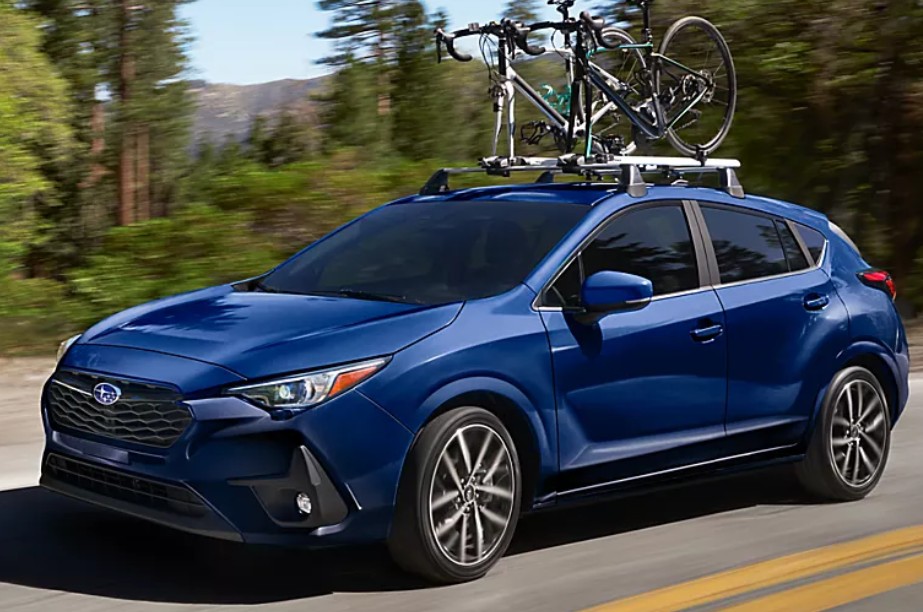
The Subaru Impreza has always occupied an interesting corner of the compact-car world. It is not usually the quickest, flashiest, or most luxurious option in the parking lot, yet it offers something many rivals cannot easily match: standard all-wheel drive wrapped inside a practical, relatively affordable package.
Naturally, that raises an important question for anyone shopping for a new or used example: how good is Subaru Impreza reliability?
The short answer is encouraging. A properly maintained Subaru Impreza can be a dependable long-term vehicle, and reaching 150,000 miles or more is entirely realistic. Some well-cared-for examples can travel beyond 200,000 miles. However, reliability varies considerably between generations, engines, transmissions, and maintenance histories.
Older Imprezas earned a mixed reputation partly because of issues involving head gaskets, oil consumption, wheel bearings, and aging drivetrain components. Newer generations have generally improved, although Subaru's continuously variable transmission (CVT) introduces another component buyers should evaluate carefully.
So rather than labeling every Impreza either reliable or unreliable, we need to look deeper. Let's explore what actually determines Subaru Impreza reliability, what typically goes wrong, and whether buying one makes sense.
Content in this publication
- How Reliable Is the Subaru Impreza Overall?
- How Long Does a Subaru Impreza Last?
- Subaru Impreza Engine Reliability
- Subaru Impreza CVT Reliability
- Subaru Impreza AWD Reliability
- Common Subaru Impreza Problems
- Subaru Impreza Reliability by Generation
- Is a Subaru Impreza Expensive to Maintain?
- Maintenance That Helps an Impreza Last Longer
- How Reliable Is the Impreza Compared With Competitors?
- What Makes an Impreza Unreliable?
- How to Inspect a Used Subaru Impreza
- Are High-Mileage Subaru Imprezas Reliable?
- Is the Subaru Impreza Reliable in Winter?
- Is the Subaru Impreza a Good First Car?
- Should You Buy a Used Subaru Impreza?
- Who Should Avoid the Subaru Impreza?
- Subaru Impreza Reliability Pros and Cons
- Final Verdict: Is the Subaru Impreza Reliable?
- Frequently Asked Questions About Subaru Impreza Reliability
How Reliable Is the Subaru Impreza Overall?
Overall, we would describe Subaru Impreza reliability as good but maintenance-sensitive.
That distinction matters.
Some cars tolerate neglect surprisingly well. You can postpone maintenance, ignore minor noises, and somehow they keep rolling along like nothing happened. The Impreza tends to reward owners who take maintenance more seriously.
Routine oil changes, proper coolant servicing, correct transmission maintenance, and inspections of the AWD system can make an enormous difference.
In return, owners get a compact car with a durable basic design, excellent traction, practical dimensions, and engines capable of accumulating significant mileage.
The biggest reliability concerns tend to involve particular model years rather than the entire Impreza family.
Why the Impreza's Reputation Can Seem Confusing
Search online and you'll find completely opposite opinions.
One owner might say:
"My Impreza has 180,000 miles and has never left me stranded."
Another might describe thousands of dollars in repairs.
Both experiences can be genuine.
Much of the difference comes down to four factors:
- Model year
- Engine generation
- Transmission type
- Maintenance history
A low-mileage Impreza with neglected maintenance can actually be a riskier purchase than a higher-mileage example with meticulous service records.
That is why we should never judge reliability from mileage alone.
How Long Does a Subaru Impreza Last?
A realistic lifespan for a Subaru Impreza is approximately 150,000 to 200,000 miles when properly maintained.
Well-maintained examples may exceed that.
However, reaching those numbers usually requires more than basic oil changes. Suspension components, bearings, cooling-system parts, belts, sensors, and other wear items eventually need replacement.
Think of an Impreza like a pair of good hiking boots. The basic structure may last for years, but soles, laces, and insoles eventually wear out.
The car can remain perfectly usable even after several components have been replaced.
Can a Subaru Impreza Reach 200,000 Miles?
Yes.
There is nothing inherently preventing an Impreza from reaching 200,000 miles. The engine block, drivetrain design, and overall construction are capable of long service when maintained properly.
But at that mileage, buyers should expect some age-related expenses.
Potential replacements may include:
- Wheel bearings
- Suspension bushings
- Struts
- Alternator
- Starter
- Cooling-system components
- Engine seals
- CV axles
- Transmission-related components
That does not necessarily make the vehicle unreliable.
A 200,000-mile car needing wear items is simply behaving like a 200,000-mile car.
Mileage Matters Less Than Maintenance History
When we're shopping used, a thick folder of maintenance receipts can be more valuable than an odometer showing unusually low mileage.
Regular maintenance tells us the previous owner cared about the mechanical condition of the vehicle.
Missing records, meanwhile, create uncertainty.
And uncertainty gets expensive quickly.
Subaru Impreza Engine Reliability
Engine reliability is probably the biggest subject surrounding the Impreza.
Subaru uses horizontally opposed "boxer" engines rather than the inline-four layouts found in many competing compact cars.
The design has advantages.
Because the cylinders sit horizontally, the engine can be mounted lower in the vehicle, helping lower the center of gravity. That contributes to the Impreza's stable handling characteristics.
But Subaru boxer engines also developed a reputation for certain problems over the years.
Older Subaru Impreza Head Gasket Problems
Head gasket problems became one of the most famous Subaru reliability topics, particularly with certain older naturally aspirated engines.
The head gasket seals the connection between the cylinder head and engine block.
When it fails, symptoms can include:
- Coolant leaks
- Oil leaks
- Engine overheating
- Coolant loss
- White exhaust smoke
- Contaminated engine oil
Repairing a head gasket can be expensive because accessing the cylinder heads requires substantial labor.
However, it is important not to assume every Impreza will experience this problem.
The issue is significantly associated with particular older Subaru engine families.
Newer Imprezas generally should not be judged entirely by the reputation of models built decades earlier.
Oil Consumption on Some Impreza Engines
Another commonly discussed concern is excessive oil consumption.
Some engines can consume noticeable amounts of oil between service intervals.
That does not automatically mean catastrophic engine failure is around the corner. Still, allowing the oil level to drop too low can cause serious internal damage.
Owners should check the dipstick periodically instead of relying entirely on dashboard warnings.
Oil is effectively the engine's bloodstream.
Running low on it is not something we want to discover after a warning light appears.
Check Oil Regularly on Higher-Mileage Cars
With a used Impreza, we would check the oil level every few fuel fill-ups until we understand how much the engine consumes.
If the level barely changes, great.
If it drops noticeably, we can adjust our inspection schedule accordingly.
Large or rapidly increasing oil consumption deserves professional diagnosis.
Subaru Impreza CVT Reliability
Modern Imprezas commonly use Subaru's continuously variable transmission.
Unlike a traditional automatic with several fixed gears, a CVT continuously adjusts its ratio.
That helps fuel economy and keeps the engine operating efficiently.
But CVTs can make buyers nervous because repairs or replacement can be expensive.
Are Subaru Impreza CVTs Reliable?
Most properly maintained Subaru CVTs can provide many years of service.
However, they are not something we would ignore during a used-car inspection.
Watch for:
- Hesitation when accelerating
- Abnormal whining noises
- Shuddering
- Delayed engagement
- RPM fluctuations
- Transmission warning lights
- Fluid leaks
A healthy CVT should behave smoothly.
Some unusual engine sounds are normal because CVTs allow engine speed to behave differently from a conventional automatic transmission. But obvious shuddering, slipping, or delayed movement deserves attention.
CVT Maintenance Matters
Transmission maintenance can significantly influence longevity.
Owners should follow the service recommendations appropriate for their specific model, market, and driving conditions.
Severe driving conditions can justify more frequent inspection or servicing.
Those conditions may include repeated short trips, mountainous driving, extreme temperatures, heavy traffic, or frequent load carrying.
Manual Imprezas Can Be Appealing Used Buys
Some older Impreza generations were available with manual transmissions.
For drivers comfortable operating one, a manual can eliminate concerns surrounding CVT longevity.
Of course, manual transmissions have their own wear items.
Clutches eventually wear out.
Synchros can deteriorate.
Poor driving technique can accelerate both.
Still, mechanically simple manual Imprezas can be attractive long-term ownership candidates.
Subaru Impreza AWD Reliability
One of the Impreza's defining features is Subaru's symmetrical all-wheel-drive system.
Unlike many compact competitors where AWD is optional, it has traditionally been central to the Impreza's identity.
The system provides excellent traction in rain, snow, gravel, and slippery conditions.
Generally, Subaru AWD systems are durable.
You may be interested in reading Subaru Impreza: Is It a Good Car? An In-Depth Look at Ownership, Reliability, Performance, and Value
But there is one rule owners should respect.
Matching Tires Are Extremely Important
Because all four wheels are connected through the AWD drivetrain, tire circumference needs to remain reasonably consistent.
Installing one dramatically different tire can create unnecessary drivetrain stress.
Ideally, tires should have:
- Matching sizes
- Similar tread depth
- Similar wear
- Appropriate inflation pressure
If one tire becomes damaged when the others are already heavily worn, replacing only the damaged tire might not always be the best solution.
That is something to discuss with a qualified tire shop or Subaru technician.
AWD Adds Complexity but Also Value
Yes, AWD adds drivetrain components that a front-wheel-drive compact car does not need.
More components technically mean more potential repair points.
Yet Subaru has been building AWD passenger cars for decades, and the basic system is generally robust.
For buyers living in regions with difficult weather, the traction advantage may easily outweigh the additional complexity.
Common Subaru Impreza Problems
No compact car is completely problem-free, and the Impreza has several recurring areas worth inspecting.
That does not mean every example develops them.
Instead, think of these as places where we should shine our flashlight during a used-car inspection.
1. Wheel Bearing Wear
Wheel bearings can wear on higher-mileage Imprezas.
A failing bearing often produces a humming, growling, or droning sound that increases with vehicle speed.
The sound may become louder while turning.
Replacing a wheel bearing is a normal mechanical repair rather than an indication the entire car is falling apart.
Still, multiple bearing replacements can become expensive.
2. Suspension Wear
Bushings, control arms, ball joints, and struts eventually deteriorate.
Possible symptoms include:
- Clunking noises
- Loose steering
- Uneven tire wear
- Excessive bouncing
- Poor alignment
- Steering vibration
Cars frequently driven on rough roads may experience faster suspension deterioration.
3. Oil Leaks
Older boxer engines can develop leaks around seals and gaskets.
A light film of oil on a very old engine is different from oil actively dripping onto the ground.
Whenever we're inspecting a used Impreza, checking underneath the vehicle is worthwhile.
4. Infotainment and Electrical Glitches
Newer vehicles contain increasingly complicated electronics, and the Impreza is no exception.
Owners occasionally report issues involving infotainment systems, Bluetooth connectivity, sensors, batteries, or electronic accessories.
Most are more irritating than catastrophic.
But intermittent electrical problems can be frustrating to diagnose.
5. Air-Conditioning Problems
Air-conditioning systems can develop leaks or compressor-related problems as vehicles age.
A quick test during a used-car inspection can save us from discovering the problem during the hottest week of summer.
Subaru Impreza Reliability by Generation
Reliability varies substantially between generations.
Rather than assuming all Imprezas behave the same, we should evaluate each generation on its own merits.
Early Impreza Generations
Older Imprezas appeal to enthusiasts because they are mechanically straightforward and relatively lightweight.
However, age itself becomes the biggest reliability concern.
Rubber hoses harden.
Bushings crack.
Seals leak.
Electrical connectors corrode.
Even an exceptionally reliable 20-year-old vehicle is still a 20-year-old vehicle.
Maintenance history becomes absolutely critical.
Third-Generation Impreza Reliability
Third-generation models can represent inexpensive used transportation, but some engines from this era deserve careful inspection for oil leaks, cooling-system problems, and head gasket concerns.
Rust also matters in climates where road salt is common.
A mechanically healthy car with severe structural corrosion may not be worth saving.
Fourth-Generation Impreza Reliability
The fourth generation introduced substantial changes and improved efficiency.
These cars can make sensible used purchases when maintained correctly.
Oil consumption on certain engines deserves attention, and CVT condition should be evaluated carefully.
Service records become particularly valuable here.
Fifth-Generation Impreza Reliability
Fifth-generation models generally feel more refined and modern.
By this point, Subaru had addressed many concerns associated with much older engine designs.
Reliability tends to be solid, although CVT behavior, electronics, bearings, and routine wear items still deserve inspection.
For many used-car shoppers, this generation offers an attractive balance between price, modern safety technology, and mechanical maturity.
Newest Subaru Impreza Reliability
The newest generation builds on Subaru's current platform and engineering improvements.
Naturally, long-term 150,000- or 200,000-mile durability is harder to evaluate when vehicles simply have not accumulated that mileage yet.
Early ownership experiences can tell us about defects and minor problems.
They cannot fully predict what a vehicle will look like after 15 years.
That is why long-term reliability assessments become more meaningful as a generation ages.
Is a Subaru Impreza Expensive to Maintain?
Routine Impreza maintenance is generally manageable for a compact car.
Oil changes, filters, brakes, tires, batteries, and fluids fall within the kinds of expenses we would expect from ordinary vehicle ownership.
However, repairs involving the boxer engine layout or AWD drivetrain can occasionally require more labor than equivalent repairs on simpler front-wheel-drive cars.
That can raise costs.
AWD Means Four Tires Matter More
Tires represent one hidden ownership consideration.
With a conventional front-wheel-drive car, replacing one or two tires can sometimes be straightforward.
With AWD, maintaining similar tire circumference across all four corners becomes more important.
That can occasionally mean replacing additional tires sooner than expected.
It is not necessarily a major problem.
We simply need to budget for it.
Maintenance That Helps an Impreza Last Longer
Want the best chance of reaching 200,000 miles?
Maintenance beats luck.
We would prioritize the following:
- Change engine oil on schedule.
- Check engine oil between services.
- Maintain the cooling system properly.
- Inspect transmission fluid according to appropriate service guidance.
- Keep all four tires properly inflated.
- Rotate tires regularly.
- Replace worn suspension components.
- Address warning lights promptly.
- Inspect leaks before they become serious.
- Use quality replacement parts and appropriate fluids.
The worst strategy is waiting until a strange noise becomes a catastrophic noise.
Small problems are usually cheaper.
How Reliable Is the Impreza Compared With Competitors?
The Impreza competes with cars such as the Toyota Corolla, Honda Civic, Mazda3, Hyundai Elantra, and similar compact models.
Toyota and Honda traditionally hold particularly strong reputations for simple long-term reliability.
The Impreza's advantage lies elsewhere.
Standard all-wheel drive gives it capabilities most compact sedans and hatchbacks cannot match without stepping into a crossover.
Toyota Corolla vs Subaru Impreza Reliability
If reliability and low ownership complexity are our only priorities, the Corolla can be difficult to beat.
The Impreza, however, offers AWD and a distinctive driving feel.
For buyers facing snow or poor road conditions regularly, that difference may matter far more than theoretical maintenance savings.
Honda Civic vs Subaru Impreza Reliability
The Civic combines excellent efficiency, strong resale value, and good reliability.
Again, the Impreza answers with AWD.
You may be interested in readingSubaru Impreza: Is It a Good Car? An In-Depth Look at Ownership, Reliability, Performance, and ValueYou may be interested in reading
 Do Hyundai Palisades Hold Their Value? A Complete Resale Guide
We should choose based on the environment where the vehicle will actually live.
A feature we use every winter is more valuable than a specification we admire on paper.
Mazda3 vs Subaru Impreza Reliability
The Mazda3 often feels more upscale and sporty inside.
The Impreza tends to prioritize visibility, practicality, and all-weather confidence.
Both can be reliable choices when properly maintained.
The condition of a specific used vehicle matters more than the reputation printed on its badge.
What Makes an Impreza Unreliable?
Interestingly, many Impreza reliability problems are not caused by one massive design flaw.
They grow from neglect.
Low oil.
Old coolant.
Mismatched tires.
Ignored warning lights.
Delayed repairs.
Imagine a tiny snowball rolling downhill. At first, the issue looks harmless. After enough time, we have something much larger and far more expensive.
Maintenance interrupts that process.
How to Inspect a Used Subaru Impreza
Buying used?
We would never rely exclusively on how clean the dashboard looks.
A professional pre-purchase inspection is one of the smartest investments we can make.
Check the Engine When Cold
Try to see the vehicle before the seller starts it.
A cold start can reveal noises or smoke that disappear after the engine warms up.
Listen for unusual knocking, rattling, or excessively rough operation.
Look Underneath the Car
Check for oil and coolant leaks.
Also inspect for excessive rust, particularly around structural components and suspension mounting points.
Test the CVT Thoroughly
Acceleration should feel consistent and smooth.
Test the transmission from a stop, during moderate acceleration, and at highway speeds.
Any hesitation, shuddering, or warning lights deserves investigation.
Inspect All Four Tires
Check that the tires are the correct size and reasonably similar in tread depth.
Uneven tires can indicate alignment problems or poor AWD maintenance.
Request Maintenance Records
We would rather buy a documented 90,000-mile Impreza than an undocumented 60,000-mile example.
Records turn assumptions into evidence.
Get a Pre-Purchase Inspection
Even experienced car buyers miss things.
A mechanic can inspect areas we cannot easily evaluate during a parking-lot test drive.
Spending a little before buying can prevent spending thousands afterward.
Are High-Mileage Subaru Imprezas Reliable?
They can be.
High mileage should not automatically scare us.
At 120,000 or 150,000 miles, condition becomes more important than the number itself.
A well-maintained high-mileage Impreza may have already received expensive replacements such as wheel bearings, suspension components, or cooling-system parts.
In some cases, that makes it more appealing than a lower-mileage vehicle approaching those repairs.
We should ask what has been replaced, not simply what might break.
Is the Subaru Impreza Reliable in Winter?
Mechanical reliability and winter capability are different things, but the Impreza excels in cold-weather usability.
The AWD system provides excellent traction when combined with appropriate tires.
However, AWD does not magically improve braking.
Winter tires remain one of the most important upgrades for drivers dealing with snow and ice.
Think of AWD as helping us climb the hill.
Tires help us climb, turn, and stop.
Is the Subaru Impreza a Good First Car?
For many drivers, yes.
The Impreza offers several qualities that work well for beginners:
- Predictable handling
- Excellent visibility
- Available hatchback practicality
- AWD traction
- Reasonable fuel economy
- Widely available replacement parts
- Strong everyday usability
Insurance costs and purchase prices vary significantly by location, age, driving history, and trim, so those factors should also be considered.
Avoid assuming that the Impreza name automatically means WRX-level performance.
A standard Impreza is primarily a practical compact car.
Should You Buy a Used Subaru Impreza?
Yes, provided we buy the right one.
The Impreza makes particular sense for drivers who want a compact vehicle but do not want to move into a larger SUV just to obtain AWD.
It provides a surprisingly useful blend of efficiency, traction, comfort, and practicality.
We would prioritize condition over trim level.
A beautifully maintained base model is usually a smarter purchase than a neglected fully loaded example.
Who Should Avoid the Subaru Impreza?
Not everyone needs AWD.
If we live somewhere warm with excellent roads and simply want the lowest possible maintenance complexity, a front-wheel-drive compact such as a Corolla or Civic might make more sense.
Likewise, drivers seeking powerful acceleration may find the standard Impreza underwhelming.
Its personality is more dependable hiking companion than sports-car hero.
And that is perfectly fine.
Cars work best when their strengths match our needs.
Subaru Impreza Reliability Pros and Cons
When we put everything together, the ownership picture becomes fairly clear.
Reliability Advantages
The Impreza offers:
- Durable basic engineering
- Proven AWD technology
- Potential for high mileage
- Good parts availability
- Practical hatchback configurations
- Strong all-weather capability
- Straightforward routine maintenance
Reliability Disadvantages
Potential drawbacks include:
- Certain older engines with head gasket concerns
- Oil consumption on some model years
- Potentially expensive CVT repairs
- Wheel bearing wear
- More drivetrain complexity than FWD competitors
- Importance of matching tire wear
- Higher repair labor for certain boxer-engine jobs
None of these automatically disqualify the Impreza.
They simply tell us where to focus our inspection.
Final Verdict: Is the Subaru Impreza Reliable?
Yes, the Subaru Impreza can be a reliable car, particularly when we choose a well-maintained example from a stronger model year and continue servicing it properly.
Its reputation is sometimes dragged down by problems associated with much older Subaru engines. While those concerns should not be ignored when shopping for an older Impreza, they also should not define every generation that followed.
Modern Imprezas are generally much more mature vehicles.
The biggest long-term considerations are straightforward: keep the engine properly lubricated, maintain the cooling system, pay attention to CVT condition, use appropriate matching tires, and fix problems before they snowball.
Do that, and 150,000 miles should not feel unusual. Reaching 200,000 miles is certainly possible.
Would we call the Impreza the undisputed reliability champion of compact cars?
Probably not.
Toyota and Honda remain formidable competitors.
But the Subaru offers something they rarely combine in the same package: compact dimensions, genuine all-wheel drive, good practicality, and respectable long-term durability.
For drivers who actually need those qualities, Subaru Impreza reliability can be more than good enough to make the car a compelling long-term companion.
Frequently Asked Questions About Subaru Impreza Reliability
1. Is the Subaru Impreza a reliable car?
Yes. Overall Subaru Impreza reliability is good, especially on properly maintained newer-generation models. Older vehicles require more careful inspection because certain engines were more prone to oil leaks, head gasket problems, or oil consumption.
2. How many miles can a Subaru Impreza last?
A properly maintained Subaru Impreza can commonly reach around 150,000 to 200,000 miles. Some vehicles exceed 200,000 miles when maintenance is consistent and mechanical problems are repaired promptly.
3. What is the most common problem with a Subaru Impreza?
There is no single problem affecting every generation. Depending on the year, concerns can include oil consumption, wheel bearing wear, leaks, suspension deterioration, CVT issues, and head gasket problems on certain older engines.
4. Is a Subaru Impreza expensive to repair?
Routine maintenance is generally reasonable for a compact car. Certain repairs involving the boxer engine, AWD system, or CVT can be expensive, however, which makes preventive maintenance especially important.
You may be interested in readingSubaru Impreza: Is It a Good Car? An In-Depth Look at Ownership, Reliability, Performance, and ValueYou may be interested in reading
Do Hyundai Palisades Hold Their Value? A Complete Resale GuideYou may be interested in reading
 How Long Audi A4 Last? A Complete Lifespan and Mileage Guide
5. Is a high-mileage Subaru Impreza worth buying?
It can be. A high-mileage Impreza with documented maintenance and a clean mechanical inspection may be a better purchase than a lower-mileage car with poor service history. Always inspect the engine, transmission, AWD system, suspension, tires, leaks, and maintenance records before buying.
If you want to know other articles similar to Subaru Impreza Reliability: Is It Really a Dependable Car? you can visit the category Blog.
Kia Sportage Gas Tank Size: Complete Guide

BMW X1 Life Expectancy: How Long Does It Last?
Is the Toyota Yaris Cross Reliable? 2026 Guide

Kia Sportage Weight Guide: Curb, Kerb & GVWR

Toyota RAV4 Gas Tank Size (Chart & Explanation)

Toyota RAV4 Depreciation: Complete Resale Value Guide
Leave a Reply
More content of your interest