

Vauxhall Meriva Power Steering Fault: Causes, Symptoms, and Fixes

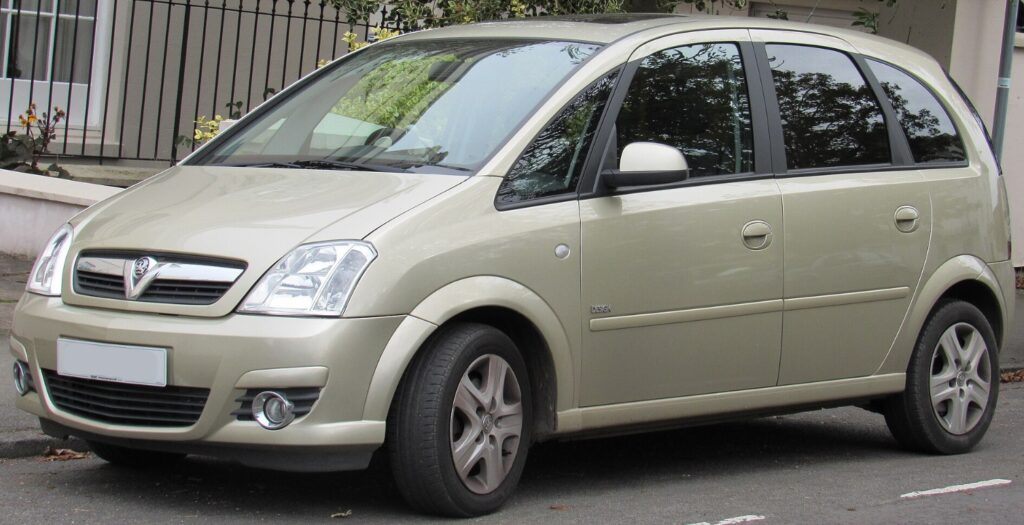
A Vauxhall Meriva power steering fault can turn a normal journey into an uncomfortable and potentially dangerous experience. One moment, the steering wheel feels light and responsive; the next, it becomes heavy, stiff, or inconsistent. A steering warning light may appear on the dashboard, sometimes accompanied by a message such as “Power Steering Fault” or “Service Power Steering.”
Naturally, this can be worrying. Steering is not a minor convenience feature. It is one of the car’s most important safety systems, and any sudden change deserves immediate attention.
The reassuring part is that a power steering warning does not always mean the complete steering system has failed. On a Vauxhall Meriva, the problem may come from a weak battery, low charging voltage, a poor electrical connection, or a sensor that needs recalibration. In more serious cases, the electric power steering motor, control module, torque sensor, or steering column may need professional repair.
In this guide, we will explore the most common causes, warning signs, diagnostic procedures, repair options, likely costs, and prevention methods. We will also explain whether the car is safe to drive and how to avoid replacing expensive parts unnecessarily.
Content in this publication
- What Does a Vauxhall Meriva Power Steering Fault Mean?
- How the Electric Power Steering System Works
- Common Vauxhall Meriva Power Steering Fault Symptoms
- Most Common Causes of a Vauxhall Meriva Power Steering Fault
- Weak or Failing Battery
- Alternator or Charging-System Failure
- Faulty Torque Sensor
- Steering-Angle Sensor Fault
- Electric Power Steering Motor Failure
- Steering Control Module Failure
- Damaged Wiring or Poor Connections
- Blown Fuse or Fuse-Box Problem
- Internal Steering Column Wear
- Mechanical Steering or Suspension Problems
- Water Ingress and Corrosion
- Software or Communication Errors
- Vauxhall Meriva A Power Steering Problems
- Vauxhall Meriva B Power Steering Problems
- Can You Drive With a Vauxhall Meriva Power Steering Fault?
- What to Do When the Warning Appears
- How to Diagnose a Vauxhall Meriva Power Steering Fault
- Can Disconnecting the Battery Reset the Fault?
- Vauxhall Meriva Power Steering Repair Options
- How Much Does a Vauxhall Meriva Power Steering Repair Cost?
- Why the Fault Appears During Parking
- Why the Fault Is Worse in Cold Weather
- Why Multiple Dashboard Lights Appear
- Common Diagnostic Mistakes
- How to Prevent Future Steering Faults
- Is a Power Steering Fault an MOT Failure?
- Should You Buy a Meriva With a Steering Warning?
- When to Contact a Power Steering Specialist
- Final Thoughts
- Frequently Asked Questions
What Does a Vauxhall Meriva Power Steering Fault Mean?
A power steering fault means the vehicle has detected an issue within its steering assistance system. The physical connection between the steering wheel and the front wheels usually remains intact, but the electrical assistance may be reduced or completely disabled.
When assistance disappears, the steering becomes particularly difficult during:
- Parking
- Reversing
- Three-point turns
- Low-speed manoeuvres
- Tight urban driving
- Turning the wheel while stationary
Once the car is moving at a higher speed, the steering may feel slightly lighter because the tyres require less effort to change direction. However, easier steering at speed does not mean the problem has repaired itself.
The Vauxhall Meriva generally uses an electric power steering system, commonly known as EPS. Rather than using a traditional hydraulic pump, the system relies on an electric motor, sensors, wiring, and an electronic control unit.
If the system receives incorrect information, low voltage, or no signal from an important component, it may disable steering assistance to protect itself.
How the Electric Power Steering System Works
The Meriva’s electric power steering operates like an invisible helper. It does not steer the vehicle independently, but it adds force when the driver turns the wheel.
The system normally includes:
- Electric power steering motor
- EPS control module
- Torque sensor
- Steering-angle sensor
- Steering column
- Battery
- Alternator
- Wiring and electrical connectors
- Fuses and earth connections
- Vehicle-speed information
The torque sensor detects how much force the driver applies to the steering wheel. The control module studies that information and tells the motor how much assistance to provide.
At low speeds, the system provides plenty of help, making parking easier. At motorway speeds, assistance is reduced so the steering feels stable and controlled.
When a sensor sends implausible information or the electrical supply becomes unstable, the control unit may switch off the motor and store a diagnostic fault code.
Common Vauxhall Meriva Power Steering Fault Symptoms
Power steering problems do not always appear in the same way. Some failures are permanent, while others behave like a faulty light switch, working one moment and failing the next.
Heavy Steering
The most recognisable symptom is a steering wheel that suddenly becomes difficult to turn.
The car can often still be steered, but considerably more physical effort is required. The problem is usually most noticeable while parking or driving slowly.
Power Steering Warning Light
A steering-wheel-shaped warning symbol may illuminate on the dashboard. Depending on the vehicle’s age and instrument display, a written warning may appear as well.
The light may:
- Stay on continuously
- Appear only during startup
- Disappear after restarting
- Return during low-speed manoeuvres
- Appear alongside other dashboard warnings
Even when the light disappears, the stored fault should still be investigated.
Intermittent Loss of Steering Assistance
Some Meriva drivers experience assistance that cuts in and out unpredictably.
The fault may appear after:
- Driving over a bump
- Turning sharply
- Using several electrical accessories
- Starting the car in cold weather
- Repeated short journeys
- Leaving the vehicle unused
- A recent flat battery
Intermittent faults can be difficult to diagnose because the steering may work perfectly when the car reaches the garage.
Steering Works Again After Restarting
If switching the engine off and restarting restores the steering assistance, the system may have entered a temporary protection mode.
Possible causes include:
- Low battery voltage
- Sensor signal errors
- Motor overheating
- Communication faults
- Internal module problems
A restart may temporarily reset the system, but it does not remove the original cause.
Clicking, Grinding, or Clunking Noises
Noises around the steering column can indicate mechanical wear, motor strain, loose components, or damage within the column assembly.
However, similar noises may also come from:
- Suspension joints
- Steering linkage
- Top mounts
- Track-rod ends
- Steering rack components
The noise should therefore be traced carefully before replacing the power steering unit.
Notchy or Uneven Steering
The steering wheel may feel smooth in one direction but resistant in the other. It may also feel as though it moves in small steps rather than one continuous motion.
Possible causes include:
- Torque sensor irregularities
- Electric motor wear
- Internal column friction
- Mechanical binding
- Poor electrical supply
Poor Self-Centring
After completing a turn, the steering wheel should naturally begin returning toward the centre.
If it remains in position or returns slowly, the problem could involve:
- Steering-angle sensor
- Wheel alignment
- Suspension top mounts
- Steering rack
- Electric assistance system
- Tyre condition or pressure
Poor self-centring should not automatically be blamed on the EPS unit without checking the mechanical steering and suspension first.
Most Common Causes of a Vauxhall Meriva Power Steering Fault
There is no single cause that applies to every Meriva. The correct answer depends on the vehicle’s generation, mileage, service history, symptoms, battery condition, and diagnostic codes.
Weak or Failing Battery
A weak battery is one of the first things we should investigate.
Electric power steering requires a large amount of current, especially when the vehicle is moving slowly. If battery voltage drops too far during startup or parking, the EPS control unit may detect an unstable supply and disable assistance.
A battery may still start the engine while being too weak to support every electronic system correctly. That is what makes this issue deceptive.
Signs the Battery May Be Responsible
- Engine cranks slowly
- Dashboard lights dim during startup
- Fault appears mainly in cold weather
- Stop-start system stops operating
- Clock or radio settings reset
- Multiple warning lights appear
- Battery is several years old
- Vehicle has been left unused
- Fault appeared after a flat battery
A simple voltage reading is not always enough. The battery should ideally be load-tested because it may show acceptable voltage while resting but collapse when demand increases.
Alternator or Charging-System Failure
Once the engine starts, the alternator must support the vehicle’s electrical systems and recharge the battery.
If charging voltage is too low, too high, or unstable, the steering system may malfunction.
Potential charging problems include:
- Worn alternator
- Faulty voltage regulator
- Loose drive belt
- Corroded battery cable
- Damaged earth strap
- Loose terminal
- High resistance in the charging circuit
If the steering warning appears alongside battery, ABS, traction-control, or engine-management warnings, the electrical supply should be tested before replacing steering components.
Faulty Torque Sensor
The torque sensor measures the twisting force applied to the steering wheel. It tells the system whether the driver is turning left or right and how much assistance is needed.
If the sensor sends incorrect or inconsistent information, the control module may deactivate the system.
Typical Torque Sensor Symptoms
- Assistance cuts in and out
- Steering feels heavier in one direction
- Wheel twitches unexpectedly
- Warning appears while turning
- Steering feels inconsistent
- Fault returns immediately after clearing
- Assistance operates differently left and right
On some Meriva steering systems, the torque sensor is built into the steering column. That may make replacement more complicated because the sensor is not always available separately.
Steering-Angle Sensor Fault
The steering-angle sensor monitors the position and movement of the steering wheel.
Its information can be used by:
- Electric power steering
- ABS
- Traction control
- Electronic stability control
A failed or incorrectly calibrated sensor may trigger several dashboard lights at the same time.
The sensor may require recalibration after:
- Battery disconnection
- Steering-column replacement
- Suspension repairs
- Wheel alignment
- Steering-rack work
- Control-module programming
Sometimes the sensor is not damaged. It simply needs to relearn the straight-ahead steering position.
Electric Power Steering Motor Failure
The electric motor produces the force that assists the driver.
Over time, the motor can suffer from:
- Internal wear
- Heat damage
- Electrical failure
- Moisture
- Excessive current demand
- Worn brushes or bearings
- Internal connection problems
A failing motor may work normally when cold but stop after warming up. It may also fail during repeated parking manoeuvres when demand is highest.
Signs of Motor Failure
- Assistance disappears after parking
- Steering works again after cooling
- Grinding or buzzing near the column
- High-current fault codes
- Complete loss of assistance
- Fault becomes increasingly frequent
- Steering fails under heavy demand
A failed motor does not always require a complete new steering column. A specialist may be able to rebuild or repair the original assembly.
Steering Control Module Failure
The control module acts as the brain of the EPS system.
It receives sensor information, calculates the required assistance, controls the electric motor, and monitors the system for dangerous conditions.
Internal module faults may result from:
- Heat cycles
- Moisture
- Ageing electronic components
- Voltage spikes
- Incorrect jump-starting
- Cracked internal solder joints
- Short circuits
A failing module can imitate a sensor or motor problem. Proper live-data analysis is essential before replacing it.
Damaged Wiring or Poor Connections
A corroded terminal or partially broken wire can cause a serious steering fault.
Wiring problems are particularly likely when the issue:
- Appears after rain
- Changes over rough roads
- Comes and goes without warning
- Started after dashboard work
- Appears when adjusting the steering column
- Produces communication fault codes
Electrical Areas Worth Inspecting
- Battery terminals
- Engine earth strap
- Chassis earth points
- Steering-column connectors
- Fuse-box connections
- Wiring near moving components
- Water-damaged areas
- Previous wiring repairs
- Aftermarket accessory connections
The wiring should be tested under load. A cable can appear visually perfect while containing internal corrosion.
Blown Fuse or Fuse-Box Problem
A failed fuse can remove power from the steering system.
However, a blown fuse normally indicates another problem, such as:
- Short circuit
- Damaged wiring
- Motor overload
- Water ingress
- Incorrect previous repair
Replacing the fuse without finding the cause may only provide temporary assistance.
Never install a fuse with a higher rating. Doing so can allow wiring to overheat and create a fire risk.
Internal Steering Column Wear
On some Meriva models, the motor, sensors, and control electronics form part of the steering-column assembly.
Internal wear can cause:
- Notchy steering
- Clicking noises
- Excessive play
- Intermittent assistance
- Torque-sensor faults
- Motor errors
- Poor self-centring
A general garage may recommend complete replacement. However, a specialist repairer may be able to rebuild the unit for considerably less.
Mechanical Steering or Suspension Problems
Heavy steering is not always caused by the electric assistance system.
Mechanical resistance may come from:
- Seized ball joint
- Binding track-rod end
- Damaged steering rack
- Seized suspension top mount
- Bent suspension component
- Incorrect wheel alignment
- Underinflated tyre
- Damaged front tyre
If a component is physically binding, the EPS motor has to work harder. The warning light may then be a consequence of the mechanical problem rather than the original fault.
Water Ingress and Corrosion
Moisture can slowly damage connectors, wiring, fuse boxes, and control modules.
Check for water damage if the fault appeared after:
- Heavy rainfall
- Windscreen replacement
- Floodwater exposure
- Interior leaks
- Pressure washing
- Long-term storage
Water can travel along wiring and cause corrosion far away from the original leak.
Software or Communication Errors
The EPS module communicates with several other control units through the vehicle’s electronic network.
If communication is interrupted, steering assistance may be disabled.
The solution may sometimes involve:
- Software update
- Module programming
- Sensor calibration
- Network wiring repair
- Configuration reset
However, software should not be treated as a cure for every steering problem. A mechanically worn motor cannot be repaired through programming.
Vauxhall Meriva A Power Steering Problems
Older Meriva A models are frequently associated with electric steering-column issues.
Common complaints include:
- Sudden loss of assistance
- Heavy steering during parking
- Warning light that disappears after restarting
- Steering that feels different left to right
- Torque-sensor problems
- Motor or column failure
Because these vehicles are now older, battery deterioration, corroded earths, worn connectors, and internal column wear are all realistic possibilities.
Vauxhall Meriva B Power Steering Problems
The later Meriva B also relies heavily on electronic steering assistance and communication between control modules.
Likely causes may include:
- Low battery voltage
- Charging-system problems
- Steering-angle sensor errors
- Wiring faults
- EPS communication problems
- Motor or module failure
- Calibration required after battery work
Parts should always be selected using the exact model year, vehicle identification number, and steering-unit part number.
A component that looks identical may have different internal software or electrical connections.
Can You Drive With a Vauxhall Meriva Power Steering Fault?
The vehicle may still be mechanically steerable, but that does not necessarily mean it is safe.
Without assistance, steering can become extremely heavy at low speeds. During an emergency, the driver may not be able to react quickly enough.
Driving should be avoided when:
- Steering is extremely heavy
- Assistance cuts in and out
- Steering wheel moves unexpectedly
- Grinding noises are present
- Car pulls strongly to one side
- Several safety warnings appear
- Steering feels jerky or notchy
- A burning smell is present
If the warning appears but the steering still feels normal, move to a safe location and restart the engine once.
If the fault remains or steering behaviour changes, arrange professional inspection or recovery.
Repeatedly restarting the vehicle is not a genuine repair.
What to Do When the Warning Appears
When the steering warning comes on, staying calm is important.
Immediate Safety Steps
- Hold the steering wheel firmly.
- Reduce speed gradually.
- Avoid sudden steering movements.
- Move to a safe location.
- Stop the vehicle.
- Switch off the engine.
- Restart the engine once.
- Check whether assistance returns.
- Arrange recovery if steering remains unsafe.
Do not switch off the engine while the car is moving.
How to Diagnose a Vauxhall Meriva Power Steering Fault
A reliable diagnosis should follow a logical process.
Replacing random parts is like searching for a key in the dark. We may eventually find the problem, but we could spend a fortune along the way.
Check the Battery
Inspect:
- Battery age
- Terminal condition
- Resting voltage
- Cranking voltage
- Load-test result
- Signs of leakage or swelling
A battery can pass a basic voltage check but fail under real demand.
Test the Alternator
Charging voltage should be measured with the engine running.
The system should also be tested while electrical equipment is switched on, including:
- Headlights
- Heated rear window
- Blower motor
- Air conditioning
- Heated seats, where fitted
Large voltage changes may indicate a charging or earth problem.
Scan All Relevant Modules
A basic engine code reader may not communicate with the steering system.
The diagnostic tool should be capable of reading:
- Electric power steering module
- ABS module
- Stability-control system
- Body-control module
- Engine control unit
- Communication-network faults
Fault codes should be recorded before clearing them.
Understand What Fault Codes Mean
A fault code does not always name the failed component.
For example, a torque-sensor code could be produced by:
- Failed sensor
- Broken wire
- Poor connector
- Low voltage
- Internal module fault
- Incorrect calibration
The code is the beginning of the investigation, not the final answer.
Review Live Diagnostic Data
Live data may reveal:
- Steering-wheel angle
- Applied steering torque
- Motor current
- System voltage
- Vehicle-speed signal
- Sensor plausibility
- Motor temperature
- Assistance demand
If the steering wheel is straight but the scanner reports a large angle, the sensor may need calibration or replacement.
If torque readings jump while the wheel remains still, a torque-sensor fault becomes more likely.
Inspect Wiring and Earth Points
Useful electrical tests include:
- Voltage-drop testing
- Continuity checks
- Earth resistance tests
- Connector inspection
- Harness movement testing
- Moisture inspection
Moving the wiring while observing live data can reveal intermittent breaks.
Check for Mechanical Resistance
The steering and suspension should be inspected for:
- Seized joints
- Damaged rack
- Binding top mounts
- Bent components
- Incorrect tyre pressure
- Damaged tyres
Electrical assistance cannot compensate indefinitely for a physically seized component.
Check Calibration and Programming
After repairs, replacement parts may require:
- Steering-angle calibration
- Torque-sensor calibration
- Security pairing
- Module coding
- Vehicle configuration
- Software programming
A replacement part may fit physically but still fail to function until correctly programmed.
Can Disconnecting the Battery Reset the Fault?
Disconnecting the battery may reboot the EPS module and temporarily remove the warning.
However, this is not a dependable repair.
The fault may return because the actual cause remains present.
Battery disconnection can also create:
- Lost radio settings
- Window reset requirements
- New low-voltage codes
- Steering-angle calibration issues
- Stop-start relearning
- Security problems
If disconnecting the battery appears to solve the issue, the vehicle should still be scanned.
Vauxhall Meriva Power Steering Repair Options
The correct repair depends entirely on the diagnosis.
Battery or Charging-System Repair
Possible repairs include:
- New battery
- Alternator replacement
- Alternator repair
- Battery-terminal cleaning
- Earth-strap replacement
- Charging-cable repair
- Drive-belt replacement
The system may need code clearing and calibration afterward.
Wiring and Connector Repair
Damaged wiring should be repaired using proper automotive methods.
Repairs may involve:
- Replacing terminals
- Repairing broken wires
- Cleaning corrosion
- Improving connector tension
- Sealing against moisture
- Replacing damaged harness sections
Household tape and twisted wires are not suitable long-term solutions.
Sensor Calibration or Replacement
A steering-angle sensor may only require recalibration.
A failed torque sensor may require:
- Sensor replacement
- Steering-column repair
- Complete column replacement
The design of the exact unit determines which option is possible.
Motor or Module Rebuild
Specialist companies may rebuild the electric steering unit.
Advantages can include:
- Lower price than a new unit
- Original component retained
- Fewer compatibility concerns
- Known weak parts replaced
- Repair warranty
The unit should be professionally bench-tested.
Replacement Steering Column
Complete steering-column replacement may be necessary if several integrated components have failed.
Options include:
- New genuine unit
- Reconditioned unit
- Rebuilt original column
- Used steering column
New Steering Column
A new part normally offers the highest confidence but is usually the most expensive option.
Reconditioned Steering Column
A professionally rebuilt unit can offer a good balance between cost and reliability.
Used Steering Column
A used unit may cost less, but its condition and history are unknown.
The part number must match, and coding may still be necessary.
How Much Does a Vauxhall Meriva Power Steering Repair Cost?
Repair costs vary widely because a power steering warning can have many different causes.
Potential expenses include:
- Diagnostic testing
- Battery replacement
- Alternator replacement
- Wiring repair
- Sensor calibration
- Sensor replacement
- Motor rebuild
- Module repair
- Reconditioned steering column
- New steering column
- Programming
- Wheel alignment
A small wiring or battery problem may be relatively inexpensive.
A complete steering-column replacement can cost considerably more.
The cheapest quotation is not always the best deal. Replacing the wrong component can leave us paying for the same repair twice.
Why the Fault Appears During Parking
Parking creates the highest demand on the electric steering motor.
When the vehicle is stationary or moving slowly, the tyres scrub against the road surface. The system must provide maximum assistance.
This places extra demand on:
- Battery
- Alternator
- Power cables
- Earth connections
- Electric motor
A weak battery or worn motor may work during normal driving but fail while parking.
Avoid holding the steering wheel firmly against full lock. Once the wheel reaches the end of its travel, ease it back slightly.
Why the Fault Is Worse in Cold Weather
Cold temperatures reduce battery performance.
During a cold start:
- Battery output decreases
- Starter demand increases
- Electrical accessories may be operating
- Mechanical components feel stiffer
- Charging recovery takes longer
A borderline battery may work throughout summer but trigger power steering faults during winter.
Why Multiple Dashboard Lights Appear
Modern vehicle systems share information.
The power steering system may use data from the ABS or stability-control modules. Meanwhile, those systems may depend on steering-angle information from the EPS.
A single problem can therefore trigger several warning lights.
- Weak battery
- Alternator fault
- Poor earth
- Communication error
- Steering-angle sensor fault
- ABS problem
- Water-damaged connector
Several warning lights do not necessarily mean several separate components have failed.
Common Diagnostic Mistakes
Replacing the Steering Column Immediately
Known steering-column problems can make replacement seem obvious.
However, battery, alternator, wiring, and calibration issues must be eliminated first.
Using an Engine-Only Code Reader
A basic scanner may not access the steering module.
“No codes found” does not prove the steering system is healthy.
Clearing Codes Before Recording Them
Clearing codes removes important evidence.
Record:
- Exact code
- Code status
- Mileage
- Conditions when stored
- Freeze-frame data
Assuming Restarting Has Fixed It
Restarting may restore assistance temporarily, but the system can fail again without warning.
Installing an Incorrect Used Part
Similar-looking steering units may contain different software and electronics.
Always match the exact part number.
Ignoring Mechanical Problems
A new electric steering unit will not repair a seized joint, damaged rack, or binding suspension component.
How to Prevent Future Steering Faults
Not every electrical failure can be prevented, but sensible maintenance reduces the risk.
Practical Prevention Tips
- Keep the battery in good condition.
- Test the battery before winter.
- Clean corroded battery terminals.
- Check alternator output during servicing.
- Repair water leaks quickly.
- Maintain correct tyre pressures.
- Avoid holding the wheel at full lock.
- Investigate warning lights promptly.
- Follow correct jump-starting procedures.
- Avoid poor-quality electrical modifications.
- Check wheel alignment after suspension work.
- Calibrate steering sensors when required.
Is a Power Steering Fault an MOT Failure?
In the UK, the steering system and related warning lights form part of the vehicle’s roadworthiness assessment.
The vehicle may fail its MOT if:
- Steering assistance does not work
- Warning light indicates a malfunction
- Steering is excessively heavy
- Dangerous play is present
- Components are damaged
- Steering operates unpredictably
The fault should be repaired for safety, not simply to pass the test.
Should You Buy a Meriva With a Steering Warning?
A used Meriva displaying a steering warning should be treated carefully.
The problem may be a weak battery, but it could also involve an expensive steering-column failure.
Before purchasing, request:
- Full diagnostic report
- Battery test
- Charging-system test
- Stored fault codes
- Proof of previous repairs
- Steering-unit part number
- Cold-start test drive
- Low-speed parking test
Do not accept claims such as “it only needs a sensor” without evidence.
When to Contact a Power Steering Specialist
A specialist may be the best option when:
- The fault is intermittent
- A complete column has been recommended without testing
- Communication codes are present
- The motor fails when warm
- Wiring damage is suspected
- A rebuilt unit is being considered
- Calibration is required
- Previous repairs have failed
Specialists often have bench-testing equipment and experience with recurring EPS faults.
Final Thoughts
A Vauxhall Meriva power steering fault should never be ignored, but it does not automatically mean the vehicle needs an entirely new steering system.
The cause may be:
- Weak battery
- Alternator failure
- Poor earth connection
- Damaged wiring
- Faulty sensor
- Electric motor failure
- Control-module problem
- Steering-column wear
- Mechanical binding
The best approach begins with basic electrical checks and a proper diagnostic scan. From there, live data, wiring inspection, and mechanical testing can identify the genuine source of the problem.
If assistance disappears, becomes unpredictable, or is accompanied by strange noises, driving should stop until the vehicle is inspected.
A warning light is the vehicle’s way of raising its hand. Listening early may turn a potentially expensive failure into a manageable repair.
Frequently Asked Questions
Why Has My Vauxhall Meriva Steering Suddenly Become Heavy?
The electric steering assistance may have stopped because of low voltage, battery failure, alternator trouble, wiring damage, a sensor fault, motor failure, or an internal steering-column problem. Mechanical binding can also make the steering heavy.
Can a Weak Battery Cause a Power Steering Fault?
Yes. The electric steering motor requires considerable current, especially while parking. A weak battery may allow the engine to start but still cause the steering module to shut down.
Will Restarting the Car Reset the Steering?
Restarting may restore assistance temporarily if the system entered protection mode. However, the fault can return because restarting does not repair the original cause.
Does the Entire Steering Column Need Replacing?
Not always. The issue may involve the battery, alternator, wiring, connectors, or calibration. Some steering columns can also be professionally rebuilt.
Is It Safe to Drive With the Warning Light On?
Driving may be unsafe if steering is heavy, intermittent, jerky, noisy, or difficult to control. The vehicle should be inspected as soon as possible, even when the steering currently feels normal.
If you want to know other articles similar to Vauxhall Meriva Power Steering Fault: Causes, Symptoms, and Fixes you can visit the category Common Problems.
Nissan Rogue AC Not Working? Causes, Diagnosis, and Fixes

Kia Sorento Issues: Common Problems, Reliability and What to Watch For

Honda Passport Not Starting: Causes, Symptoms, and How to Fix It
Honda Passport Keyless Remote Battery Low: What It Means and How to Fix It
Nissan Rogue Apple CarPlay Not Working: Causes and Fixes
Nissan Rogue No Key Detected: Causes, Fixes, and What to Do
Leave a Reply
More content of your interest