

Volkswagen Up Fuel Tank Capacity: The Complete Owner’s Guide

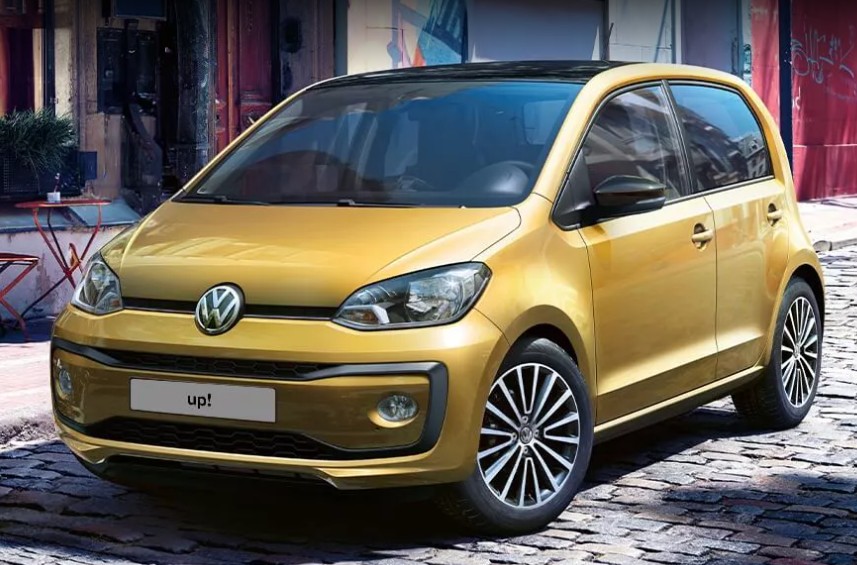
When we talk about city cars that quietly punch above their weight, the Volkswagen Up often leads the conversation. It’s compact, efficient, and surprisingly practical—but there’s one detail many drivers overlook until it really matters: fuel tank capacity.
So, how much fuel can it hold? And more importantly, what does that mean for your real-world driving experience?
Let’s dive deep—because this small tank carries more impact than you might expect.
Content in this publication
- Understanding the Volkswagen Up Fuel Tank Capacity
- Real-World Driving Range: Small Tank, Big Distance
- How Fuel Efficiency Shapes Tank Performance
- Fuel Type Matters: Petrol vs CNG Versions
- Fuel Tank Placement and Design
- Refueling the Volkswagen Up: What to Expect
- How Often Will You Need to Refuel?
- Fuel Gauge Behavior: What Drivers Should Know
- Cost of Filling the Tank
- Pros and Cons of a Smaller Fuel Tank
- Long Trips in a Volkswagen Up: Is It Practical?
- How to Maximize Your Fuel Tank Range
- Comparing the Volkswagen Up to Competitors
- Does Fuel Tank Size Affect Resale Value?
- Common Misconceptions About Small Fuel Tanks
- The Psychology of Fuel Tanks: Why Size Feels Bigger Than It Is
- Final Thoughts: Is 35 Liters Enough?
- Conclusion
- FAQs
Understanding the Volkswagen Up Fuel Tank Capacity
At its core, the Volkswagen Up is designed for urban efficiency. That philosophy extends to its fuel system.
What Is the Fuel Tank Capacity?
Most versions of the Volkswagen Up come equipped with:
- Fuel Tank Capacity: 35 liters (approximately 9.2 gallons)
This figure applies across the majority of petrol variants, including:
- Move Up
- High Up
- Take Up
- Beats Edition
Why 35 Liters?
At first glance, 35 liters may seem modest. But here’s the twist:
- The Up is lightweight
- Engines are small (1.0L typically)
- Fuel efficiency is exceptionally high
So instead of focusing on size alone, we should ask:
👉 How far can those 35 liters actually take us?
Real-World Driving Range: Small Tank, Big Distance
Estimated Range on a Full Tank
Let’s break it down with real-world logic:
- Average consumption: 4.5–5.5 L/100 km
- Tank capacity: 35 liters
👉 Estimated range:
- ~600 to 750 km (370–465 miles)
That’s impressive for such a compact car.
City vs Highway Performance
In the City
- Frequent stops
- Lower speeds
- Slightly higher consumption
👉 Range: 500–650 km
On the Highway
- Steady speeds
- Better fuel efficiency
👉 Range: 650–750 km
How Fuel Efficiency Shapes Tank Performance
The Role of Engine Design
The Volkswagen Up typically features:
- 1.0L MPI petrol engine
- 60–75 horsepower
- Lightweight chassis
This combination means:
- Less fuel burned per kilometer
- More distance per liter
Eco Driving Modes and Their Impact
Some models include eco features like:
- Start-stop systems
- Gear shift indicators
These can extend your range by:
- 5% to 10% more efficiency
Fuel Type Matters: Petrol vs CNG Versions
Not all Volkswagen Up models are created equal.
Standard Petrol Versions
- Tank: 35 liters
- Widely available
- Balanced performance
CNG (Eco Up) Versions
- Smaller petrol backup tank (~10 liters)
- Additional compressed natural gas tanks
👉 Total range can exceed 1,000 km, but fuel setup differs.
Fuel Tank Placement and Design
Where Is the Tank Located?
In the Volkswagen Up:
- Positioned under the rear seats
- Designed for optimal weight distribution
Why This Matters
- Better handling
- Improved safety in collisions
- Maximized interior space
Refueling the Volkswagen Up: What to Expect
Fuel Cap Location
- Typically on the right rear side
- Easy access for quick refills
Refueling Time
Thanks to the small tank:
- Full refill takes just a few minutes
Perfect for city life where time is always ticking.
How Often Will You Need to Refuel?
Let’s be honest—we all hate frequent fuel stops.
Typical Refueling Frequency
Depending on usage:
- Daily commuting: Once every 1–2 weeks
- Heavy driving: Once a week
Compared to Larger Cars
- SUVs: 50–70 liters
- Sedans: 45–60 liters
👉 The Up trades tank size for efficiency—so visits stay manageable.
Fuel Gauge Behavior: What Drivers Should Know
Accuracy and Reserve Levels
- Warning light typically activates with 5–7 liters remaining
- Remaining range: ~70–100 km
Pro Tip
Don’t push it too far. Small tank = less margin for error.
Cost of Filling the Tank
Affordable Refueling
Let’s run a quick example:
- Fuel price: $1.30 per liter
- Tank: 35 liters
👉 Total cost:
- ~$45 per full tank
That’s wallet-friendly compared to larger vehicles.
Pros and Cons of a Smaller Fuel Tank
Advantages
- Lower refueling cost
- Faster fill-ups
- Encourages fuel efficiency
Disadvantages
- Less buffer for long trips
- Requires planning on road journeys
Long Trips in a Volkswagen Up: Is It Practical?
Yes—With Smart Planning
Even with a 35-liter tank, road trips are doable.
Tips for Long Drives
- Plan fuel stops every 500–600 km
- Use fuel apps to locate stations
- Maintain steady speeds for efficiency
How to Maximize Your Fuel Tank Range
Driving Habits That Make a Difference
- Smooth acceleration
- Maintain steady speeds
- Avoid excessive idling
Vehicle Maintenance Tips
- Keep tires properly inflated
- Regular engine servicing
- Use quality fuel
Comparing the Volkswagen Up to Competitors
Similar City Cars
- Hyundai i10: ~36 liters
- Kia Picanto: ~35 liters
- Toyota Aygo: ~35 liters
👉 The Up sits right in the sweet spot.
Does Fuel Tank Size Affect Resale Value?
Interestingly, not much.
What Buyers Care About More
- Fuel efficiency
- Reliability
- Running costs
👉 The Up scores well across all three.
Common Misconceptions About Small Fuel Tanks
“Smaller Tank Means Worse Range”
Not true.
Efficiency plays a bigger role than size.
“You’ll Always Be Refueling”
Also false.
With smart driving, refueling frequency stays reasonable.
The Psychology of Fuel Tanks: Why Size Feels Bigger Than It Is
Let’s be real—it’s not just numbers.
A small tank can feel limiting, even when it’s not.
But once we:
- Track real-world mileage
- Understand efficiency
👉 That anxiety fades quickly.
Final Thoughts: Is 35 Liters Enough?
Here’s the honest answer:
👉 Yes—for most drivers, it’s more than enough.
The Volkswagen Up proves that:
- Efficiency beats size
- Smart engineering matters more than capacity
It’s like carrying a small backpack that somehow fits everything you need—compact, but cleverly designed.
Conclusion
When we look beyond the raw number—35 liters—we start to see the bigger picture. The Volkswagen Up isn’t about excess; it’s about balance. It gives us just enough fuel capacity to go far, without weighing us down.
In a world where bigger often feels better, this little car quietly reminds us:
👉 Sometimes, less really is more.
FAQs
1. What is the exact fuel tank capacity of the Volkswagen Up?
Most models have a 35-liter fuel tank, equivalent to about 9.2 gallons.
2. How far can a Volkswagen Up go on a full tank?
Typically between 600 and 750 km, depending on driving conditions.
3. Does the fuel tank size vary by model year?
No significant changes—most versions consistently use a 35-liter tank.
4. Is the Volkswagen Up good for long trips?
Yes, with proper planning. Its efficiency makes up for the smaller tank.
5. How much does it cost to fill the tank?
It depends on fuel prices, but generally around $40–$50 for a full tank.
If you want to know other articles similar to Volkswagen Up Fuel Tank Capacity: The Complete Owner’s Guide you can visit the category Service and Parts.
Kia Sorento Service Reset: How to Reset the Service Light
Kia Sorento Fuel Tank Capacity: Gallons, Litres and Model Differences
Kia Sorento Tyre Pressure: Recommended PSI, Bar and Complete Guide
Kia Sorento Boot Space: How Much Luggage Space Does It Really Have?
Kia Sorento Towing Capacity: How Much Can a Sorento Tow?

Honda Passport Payload Capacity: How Much Weight Can It Carry?
Leave a Reply
More content of your interest