
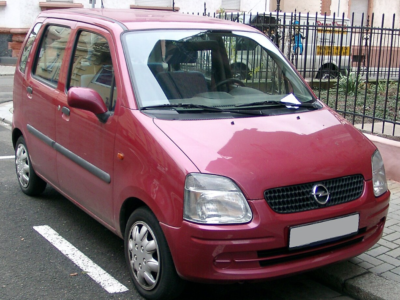
Volkswagen Up Wheel Size: The Complete Guide to Fitment, Tyres, and Performance


When it comes to small city cars, few models strike the perfect balance between practicality, charm, and efficiency quite like the Volkswagen Up. But here’s the thing—while most drivers focus on fuel economy or reliability, one crucial detail often gets overlooked: wheel size.
And trust us, wheel size is not just about aesthetics. It’s the silent influencer behind your ride comfort, fuel efficiency, handling, and even your wallet.
So, let’s dive deep into everything you need to know about Volkswagen Up wheel sizes—without the boring jargon.
Content in this publication
- Why Wheel Size Matters More Than You Think
- Standard Volkswagen Up Wheel Sizes
- Volkswagen Up Tyre Sizes by Wheel Diameter
- Visual Differences Between Wheel Sizes
- How Wheel Size Affects Driving Experience
- Can You Upgrade Your Volkswagen Up Wheels?
- Volkswagen Up GTI Wheel Setup
- Steel vs Alloy Wheels: Which Should You Choose?
- Seasonal Tyre Considerations
- Wheel Offset Explained (ET Value)
- Bolt Pattern and Fitment Guide
- Best Wheel Brands for Volkswagen Up
- Common Mistakes to Avoid
- Maintenance Tips for Your Wheels
- Cost Breakdown: What to Expect
- Is Bigger Always Better?
- Closing Thoughts: Finding Your Perfect Wheel Size
- FAQs About Volkswagen Up Wheel Size
Why Wheel Size Matters More Than You Think
Picture this: your car is like a runner. The wheels? They’re the shoes. Too heavy, and performance suffers. Too small, and stability takes a hit.
Wheel size impacts:
- Ride comfort
- Handling and grip
- Fuel efficiency
- Brake performance
- Overall driving feel
In a compact car like the Volkswagen Up, these effects are amplified. Small changes = big differences.
Standard Volkswagen Up Wheel Sizes
Factory Wheel Sizes Explained
Volkswagen designed the Up with versatility in mind, offering multiple wheel sizes depending on trim and market.
Typical factory sizes include:
- 14-inch wheels (base models)
- 15-inch wheels (mid-range trims)
- 16-inch wheels (sportier variants like Up GTI)
Common Wheel Specifications
Let’s break it down into simple terms:
- PCD (Bolt Pattern): 4x100
- Centre Bore: 57.1 mm
- Offset (ET): ET35 to ET45
These numbers might sound technical, but they ensure your wheels sit perfectly aligned with the car’s body.
Volkswagen Up Tyre Sizes by Wheel Diameter
14-Inch Wheels
These are your comfort kings.
Typical tyre size:
- 165/70 R14
Best for:
- Smooth city driving
- Maximum fuel efficiency
- Budget-conscious drivers
15-Inch Wheels
A sweet middle ground.
Typical tyre size:
- 185/55 R15
Why people love them:
- Better grip
- Balanced ride quality
- Slightly sportier look
16-Inch Wheels (Up GTI)
Now we’re talking attitude.
Typical tyre size:
- 195/40 R16
Perfect for:
- Sporty handling
- Aggressive styling
- Enthusiasts who enjoy spirited driving
Visual Differences Between Wheel Sizes


Notice how the larger wheels fill the arches more? That’s not just cosmetic—it changes how the car feels on the road.
You may be interested in reading Is a VW Up a Good Car? The Honest, Real-World Verdict
How Wheel Size Affects Driving Experience
Comfort vs Performance
Let’s keep it real:
- Smaller wheels (14”)
- Softer ride
- Better for potholes
- Less road noise
- Larger wheels (16”)
- Sharper steering
- More grip
- Harsher ride
Fuel Economy Considerations
Bigger wheels = more weight.
That means:
- Slightly higher fuel consumption
- Increased rolling resistance
If you're chasing maximum MPG, smaller wheels win.
Can You Upgrade Your Volkswagen Up Wheels?
Short answer: Yes—but carefully.
Safe Upgrade Guidelines
If you’re thinking about upgrading:
- Stick within 14” to 16” range
- Maintain overall tyre diameter
- Ensure correct offset (ET)
- Avoid rubbing issues
Popular Upgrade Options
Many owners upgrade from:
- 14” → 15” for better aesthetics
- 15” → 16” for sporty feel
But jumping beyond 16” is rarely recommended.
Volkswagen Up GTI Wheel Setup
The GTI version of the Volkswagen Up GTI deserves its own spotlight.
GTI Specs
- Wheel size: 16 inches
- Tyres: 195/40 R16
- Unique alloy designs
Why GTI Wheels Feel Different
It’s not just size—it’s engineering.
- Lower profile tyres
- Stiffer suspension
- Wider contact patch
Result? A go-kart-like driving experience.
Steel vs Alloy Wheels: Which Should You Choose?
Steel Wheels
Pros:
- Cheaper
- Durable
- Ideal for winter
Cons:
- Heavier
- Less attractive
Alloy Wheels
Pros:
- Lightweight
- Stylish
- Better heat dissipation
Cons:
- More expensive
- Easier to damage
Seasonal Tyre Considerations
Summer vs Winter Setup
If you live in colder regions:
- Use smaller wheels for winter
- Taller tyres = better traction
All-Season Compromise
Not perfect, but practical:
- Balanced performance
- Cost-effective
Wheel Offset Explained (ET Value)
Offset determines how far your wheel sits in or out.
- Lower ET: wheels stick out
- Higher ET: wheels sit inward
For the Volkswagen Up:
- Ideal range: ET35–ET45
Go outside this, and you risk:
You may be interested in readingIs a VW Up a Good Car? The Honest, Real-World VerdictYou may be interested in reading
 Vauxhall Crossland Owner Reviews: Real Insights from Everyday Drivers
- Poor handling
- Wheel rubbing
- Suspension stress
Bolt Pattern and Fitment Guide
The Up uses a 4x100 bolt pattern.
That means:
- 4 bolts
- 100 mm circle diameter
This is common across many small cars, making aftermarket options widely available.
Best Wheel Brands for Volkswagen Up
If you’re shopping aftermarket, consider:
- OZ Racing
- BBS
- Borbet
- Ronal
These brands balance performance and durability.
Common Mistakes to Avoid
Let’s save you from headaches:
- ❌ Ignoring tyre diameter
- ❌ Choosing incorrect offset
- ❌ Oversizing wheels for looks
- ❌ Mixing incompatible tyres
Maintenance Tips for Your Wheels
Keep them in top shape:
- Clean regularly (brake dust is brutal)
- Check tyre pressure monthly
- Rotate tyres every 10,000 km
- Inspect for cracks or bends
Cost Breakdown: What to Expect
Approximate costs:
- 14” wheels: Budget-friendly
- 15” wheels: Mid-range
- 16” alloys: Premium
Tyres also increase in price with size.
Is Bigger Always Better?
Let’s be honest—bigger wheels look amazing.
But:
- Comfort drops
- Costs rise
- Efficiency dips
So the real question is:
👉 Do you want style or practicality?
Closing Thoughts: Finding Your Perfect Wheel Size
Choosing the right wheel size for your Volkswagen Up is like picking the perfect pair of shoes—it depends on where you’re going.
- City driving? Stick with 14”
- Balanced daily use? Go 15”
- Want fun? Step into 16”
At the end of the day, the best wheel size is the one that fits your lifestyle—not just your car.
FAQs About Volkswagen Up Wheel Size
1. Can I fit 17-inch wheels on a Volkswagen Up?
Technically possible, but not recommended. It can affect handling, comfort, and safety.
2. What is the stock wheel size for a Volkswagen Up?
Most models come with 14” or 15” wheels, depending on the trim.
3. Do bigger wheels improve performance?
They improve handling but reduce comfort and efficiency.
4. What tyre pressure should I use?
It varies by tyre size, but always follow the manufacturer’s recommendation inside the door frame.
5. Are alloy wheels worth it for the Volkswagen Up?
Yes—if you value aesthetics and performance over cost.
You may be interested in readingIs a VW Up a Good Car? The Honest, Real-World VerdictYou may be interested in reading
Vauxhall Crossland Owner Reviews: Real Insights from Everyday DriversYou may be interested in reading
Vauxhall Crossland Reliability: The Truth Behind This Compact SUVIf you want to know other articles similar to Volkswagen Up Wheel Size: The Complete Guide to Fitment, Tyres, and Performance you can visit the category Blog.
Is Vauxhall Agila a Good Car? Reliability, Problems and Buying Guide
Honda Passport Life Expectancy: How Many Miles Can It Last?
Honda Passport Depreciation: How Well Does It Hold Its Value?

Nissan Rogue Reliability Rating: How Reliable Is the Rogue?
Nissan Rogue Life Expectancy: How Long Does It Last?
Vauxhall Agila Reliability: Common Problems, Best Engines and What to Check
Leave a Reply
More content of your interest