
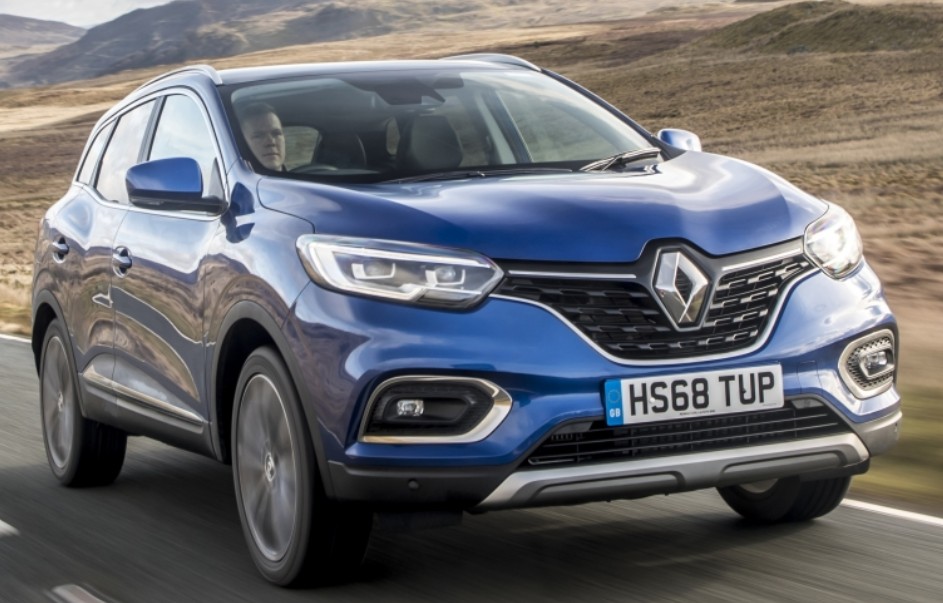
Renault Kadjar Years to Avoid: The Honest Buyer’s Guide We Wish We Had

Content in this publication
- Why the Renault Kadjar Still Turns Heads—But Needs Careful Choosing
- Understanding the Kadjar Timeline
- Renault Kadjar Years to Avoid (The Short Answer)
- 2015 Renault Kadjar: The Risky First Draft
- 2016 Renault Kadjar: Slightly Better, Still Risky
- 2017 Renault Kadjar: The Transition Year
- 2018 Renault Kadjar: The Turning Point
- 2019 Facelift: A Fresh Start
- 2020–2022 Models: The Sweet Spot
- Common Renault Kadjar Problems Across Years
- Petrol vs Diesel: Which Is Safer?
- Manual vs Automatic: What Should You Choose?
- Signs You’re Buying a Bad Kadjar
- Best Renault Kadjar Years to Buy
- Maintenance Tips to Avoid Problems
- Is the Renault Kadjar Reliable Overall?
- Should You Buy a Used Renault Kadjar?
- Final Thoughts: Choose Smart, Drive Happy
- FAQs About Renault Kadjar Years to Avoid
Why the Renault Kadjar Still Turns Heads—But Needs Careful Choosing
We’ve all been there—scrolling through listings, spotting a sleek SUV that feels like a bargain too good to ignore. The Renault Kadjar is exactly that kind of car. Stylish, comfortable, and practical… yet not every model year tells the same story.
So here’s the truth: while the Kadjar can be a fantastic buy, some years come with hidden headaches. Think of it like picking fruit—most are sweet, but a few are bruised beneath the surface.
Let’s break it all down so you don’t end up with a lemon.
Understanding the Kadjar Timeline
A Quick Overview of Generations
The Kadjar debuted in 2015, sharing DNA with the Nissan Qashqai. Its lifecycle can be divided into:
- 2015–2018: Early production (pre-facelift)
- 2019–2022: Facelifted and improved versions
Why Model Year Matters More Than Mileage
Mileage tells you how much a car has been used.
Model year tells you how well it was built.
And in the Kadjar’s case? That difference can be huge.
Renault Kadjar Years to Avoid (The Short Answer)
Let’s not beat around the bush. If you’re shopping smart, be cautious with:
- 2015 (launch year)
- 2016 (early refinement issues)
- Some 2017 diesel variants
Why? We’ll unpack every detail next.
2015 Renault Kadjar: The Risky First Draft

The Classic First-Year Syndrome
First model years often come with teething problems—and the Kadjar is no exception.
Common Issues We’ve Seen
1. Electrical Gremlins
- Infotainment system freezing
- Random dashboard warnings
- Faulty sensors
2. Gearbox Problems
- Jerky automatic transmission (EDC)
- Hesitation when shifting
3. Build Quality Inconsistencies
- Rattling interior panels
- Poor trim alignment
Should You Avoid It Completely?
Not necessarily—but only if:
- Full service history exists
- Software updates have been done
- Transmission has been checked thoroughly
Otherwise? Walk away.
2016 Renault Kadjar: Slightly Better, Still Risky
What Improved?
Renault worked on early complaints:
- Software updates reduced infotainment issues
- Minor interior quality improvements
But Problems Persisted
Diesel Engine Concerns
- 1.5 dCi engines showed injector inconsistencies
- Occasional rough idling
Clutch and Transmission Wear
- Premature clutch wear in manual models
- EDC still not fully refined
Our Take
2016 is like a second draft—better, but not polished.
You may be interested in reading Renault Kadjar vs Nissan Qashqai: The Ultimate SUV Showdown
2017 Renault Kadjar: The Transition Year
Where It Starts Getting Interesting
By 2017, Renault had ironed out many early flaws—but not all.
What to Watch For
- Diesel particulate filter (DPF) issues
- EGR valve clogging
- Occasional turbo lag complaints
The Good News
- Petrol engines became more reliable
- Interior quality improved noticeably
2018 Renault Kadjar: The Turning Point
A Much Safer Bet
By 2018, the Kadjar matured significantly.
Key Improvements
- Better gearbox calibration
- Reduced electrical faults
- More refined ride quality
Verdict
This is where we start recommending the Kadjar confidently.
2019 Facelift: A Fresh Start

What Changed?
The facelift wasn’t just cosmetic—it addressed core issues.
Major Upgrades
- New petrol engines (1.3 TCe)
- Improved infotainment system
- Better cabin materials
Why It Matters
This is the Kadjar finally becoming what it was meant to be from day one.
2020–2022 Models: The Sweet Spot
Why These Are the Best Years
If you want peace of mind, these are your targets.
Highlights
- Reliable engines
- Smooth automatic gearbox
- Modern tech features
- Improved fuel efficiency
Any Downsides?
- Slightly higher purchase price
- Still not as sporty as rivals
But honestly? These are minor trade-offs.
Common Renault Kadjar Problems Across Years
Even the best years aren’t perfect. Let’s look at recurring issues.
1. Infotainment Glitches
- Slow response times
- Occasional system crashes
2. Diesel Engine Maintenance
- DPF clogging in city driving
- EGR valve buildup
3. Suspension Wear
- Noisy bushings over time
- Slightly soft ride feel
Petrol vs Diesel: Which Is Safer?
Petrol Engines
- More reliable overall
- Lower maintenance complexity
- Best for city driving
Diesel Engines
- Better fuel economy
- Ideal for long distances
- Higher risk of DPF issues
Our Recommendation
If you’re unsure—go petrol.
Manual vs Automatic: What Should You Choose?
Manual Transmission
- More reliable
- Cheaper to repair
EDC Automatic
- Smooth when working well
- Expensive if it fails
Reality Check
If you choose automatic, make sure it has:
- Full service history
- No hesitation or jerking during test drive
Signs You’re Buying a Bad Kadjar
Think of this as your red flag checklist:
- Warning lights that come and go
- Jerky gear changes
- Rough engine idle
- Unusual noises over bumps
- Incomplete service history
If you notice two or more? Walk away.
Best Renault Kadjar Years to Buy
Let’s flip the script—what should you actually buy?
You may be interested in readingRenault Kadjar vs Nissan Qashqai: The Ultimate SUV ShowdownYou may be interested in reading
Renault Kadjar vs Renault Captur: Which SUV Truly Fits Your Life?Top Picks
- 2019 (facelift)
- 2020–2022 models
Budget-Friendly Option
- 2018 model
These hit the sweet spot between price and reliability.
Maintenance Tips to Avoid Problems
Simple Habits That Save You Money
- Service every 10,000–15,000 km
- Use quality fuel
- Avoid short trips in diesel models
- Update software regularly
Think of It Like This
Treat your Kadjar like a gym membership—you only get results if you stay consistent.
Is the Renault Kadjar Reliable Overall?
The Honest Answer
Yes… but only if you pick the right year.
Early models? Risky.
Later models? Solid and dependable.
Should You Buy a Used Renault Kadjar?
Yes—But Be Strategic
If you:
- Avoid early years
- Check history thoroughly
- Test drive carefully
Then the Kadjar can be a fantastic value SUV.
Final Thoughts: Choose Smart, Drive Happy
Buying a car isn’t just about what looks good—it’s about what lasts. The Renault Kadjar is like a novel that got better with each edition. The early chapters? A bit rough. The later ones? Smooth, refined, and worth your time.
So ask yourself:
Are you buying the idea of a bargain… or the reality of reliability?
Choose wisely, and the Kadjar can be a loyal companion rather than a costly mistake.
FAQs About Renault Kadjar Years to Avoid
1. What is the worst Renault Kadjar year?
The 2015 model is widely considered the riskiest due to early production issues.
2. Is the 2016 Kadjar reliable?
It’s better than 2015 but still has some engine and transmission concerns.
3. Which Kadjar engine is best?
The 1.3 TCe petrol engine (post-2019) is the most reliable choice.
You may be interested in readingRenault Kadjar vs Nissan Qashqai: The Ultimate SUV ShowdownYou may be interested in reading
Renault Kadjar vs Renault Captur: Which SUV Truly Fits Your Life?You may be interested in reading
Renault Kadjar vs Ford Kuga: Which SUV Truly Deserves Your Driveway?4. Are automatic Kadjars reliable?
They can be, but the EDC gearbox requires careful inspection and maintenance.
5. Is the Kadjar expensive to maintain?
Not particularly—costs are moderate if maintained properly.
If you want to know other articles similar to Renault Kadjar Years to Avoid: The Honest Buyer’s Guide We Wish We Had you can visit the category Models.
Audi A4 Generations: Complete Guide From B5 to B9
Hyundai Palisade Competitors: The Best Three-Row SUV Alternatives
Hyundai Palisade Models: Complete Trim Level Guide
BMW M5 Best Year: Which Model Year Is Really the Sweet Spot?
BMW M5 Years: A Complete Guide to Every Generation
Ram 1500 or Similar: Which Full-Size Truck Should We Choose?
Leave a Reply
More content of your interest