

Citroën C4 Cactus Reliability: The Honest Long-Term Verdict We All Want



Content in this publication
- Why Reliability Matters More Than Ever
- A Quick Overview of the Citroën C4 Cactus
- Citroën’s Reliability Reputation: The Bigger Picture
- Engine Reliability: The Heart of the Matter
- Transmission Reliability
- Suspension and Ride Comfort Durability
- Electrical System: A Historical Weak Spot?
- Interior Quality and Longevity
- Airbump Panels: Style vs Practicality
- Running Costs and Maintenance Reliability
- Common Problems Reported by Owners
- Real-World Reliability: What Owners Say
- Reliability Compared to Rivals
- Is It Reliable for Long-Term Ownership?
- Best Years for Reliability
- Worst Case Scenarios: What Could Go Wrong?
- Tips to Maximize Citroën C4 Cactus Reliability
- Who Should Buy the C4 Cactus?
- Our Final Verdict on Citroën C4 Cactus Reliability
- Closing Thoughts: The Underrated Survivor
- FAQs About Citroën C4 Cactus Reliability
Why Reliability Matters More Than Ever
Let’s be real—buying a car isn’t just about how it looks parked outside your house. It’s about trust. It’s about waking up on a cold morning, turning the key (or pressing that button), and knowing the engine won’t hesitate like a sleepy teenager.
When we talk about the Citroën C4 Cactus, we’re stepping into a unique corner of the automotive world—quirky design, lightweight philosophy, and comfort-first engineering. But the big question remains:
Is it actually reliable?
Let’s unpack everything—from engines to electronics, real-world ownership to hidden issues.
A Quick Overview of the Citroën C4 Cactus
What Makes It Different?
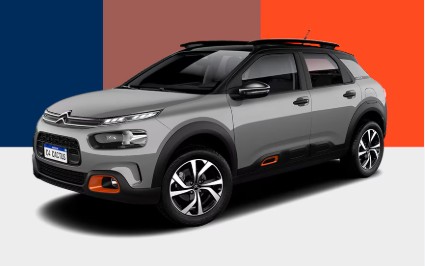
The C4 Cactus isn’t your typical crossover. It doesn’t try to be aggressive or sporty. Instead, it leans into comfort, efficiency, and personality.
- Airbump panels (those rubberized side pads)
- Ultra-lightweight construction
- Minimalist interior
- Focus on ride comfort over sharp handling
It’s like the anti-SUV SUV—and that’s exactly why people love (or question) it.
Citroën’s Reliability Reputation: The Bigger Picture
Is Citroën a Reliable Brand?
Let’s not sugarcoat it—Citroën has had a mixed reputation over the years.
- Older models: Known for electrical quirks
- Modern era: Significant improvement
- Focus shift: Simplicity over complexity
In fact, newer Citroën vehicles—including the C4 Cactus—benefit from shared engineering with Stellantis, which also includes Peugeot and Vauxhall.
Translation? Better parts sharing, more tested components, fewer surprises.
Engine Reliability: The Heart of the Matter
Petrol Engines (PureTech)
The most common engines in the C4 Cactus lineup are the 1.2L PureTech turbo units.
Strengths
- Efficient and economical
- Surprisingly punchy for their size
- Widely used across multiple models (proven platform)
Potential Weaknesses
- Timing belt (wet belt) wear if oil changes are skipped
- Turbo-related wear over very high mileage
👉 Key tip: Stick to regular oil changes, and this engine can easily exceed 150,000 miles.
Diesel Engines (BlueHDi)
If you’re more into long-distance driving, the BlueHDi diesels are worth a look.
Pros
- Excellent fuel economy
- Durable under high mileage
- Smooth torque delivery
Cons
- DPF (Diesel Particulate Filter) issues if used for short trips
- AdBlue system quirks in some cases
Transmission Reliability
Manual Gearboxes
The manual transmission is arguably the safest bet.
- Simple design
- Low failure rate
- Cheap to repair
Automatic (ETG / EAT)
Here’s where things get… interesting.
- ETG gearbox: Jerky, not very refined
- EAT automatic: Much improved and reliable
👉 If reliability is your top priority, we’d lean toward manual or newer EAT automatic versions.
Suspension and Ride Comfort Durability
The “Magic Carpet” Effect
Citroën tuned the Cactus for comfort—not sporty handling.
You may be interested in reading Citroën C4 Key Battery Replacement: The Complete Guide We Wish We Had Earlier
- Soft suspension setup
- Excellent bump absorption
- Ideal for rough roads
Reliability Angle
- Suspension components last well under normal driving
- Bushings and shock absorbers may wear earlier if abused
Think of it like a comfy sofa—it’s not meant for aggressive cornering.
Electrical System: A Historical Weak Spot?
Let’s Address the Elephant in the Room
Older Citroëns were infamous for electrical gremlins.
But the C4 Cactus?
- Much improved wiring systems
- Fewer random faults
- Still some infotainment glitches
Common Minor Issues
- Touchscreen lag or freezing
- Sensor warnings (false alerts)
- Bluetooth connectivity hiccups
Nothing catastrophic—but worth noting.
Interior Quality and Longevity
Minimalist but Durable?
The cabin feels unconventional—almost like a modern lounge.
- Hard plastics in some areas
- Fabric-style dashboard
- Lightweight materials
Long-Term Reality
- Materials hold up surprisingly well
- Seats remain comfortable over time
- Trim pieces may loosen slightly with age
Airbump Panels: Style vs Practicality
Do They Actually Help?
Those signature side panels aren’t just for show.
- Protect against small impacts
- Reduce repair costs
- Maintain resale value
Durability
- Resistant to scratches and dents
- Can fade slightly over years in strong sun
Running Costs and Maintenance Reliability
Affordable to Own? Absolutely.
One of the biggest reliability indicators is cost over time.
Typical Running Costs
- Low fuel consumption
- Reasonable servicing costs
- Widely available parts
Maintenance Tips
- Regular oil changes (especially for PureTech engines)
- Use high-quality fuel
- Keep software updated
Common Problems Reported by Owners
Let’s Keep It Real
No car is perfect—and the C4 Cactus has its share of complaints.
Most Reported Issues
- Infotainment glitches
- Clutch wear (manual versions)
- Timing belt concerns (if neglected)
- Suspension noise over time
But here’s the key insight:
👉 Most issues are preventable or minor, not catastrophic.
Real-World Reliability: What Owners Say
Owner Feedback Snapshot
Across forums and ownership reviews:
- High satisfaction with comfort
- Low stress daily driving
- Few major mechanical failures
Many owners describe it as:
“A car that just quietly gets on with the job.”
Reliability Compared to Rivals
How Does It Stack Up?
Let’s compare the C4 Cactus with similar vehicles.
Against Compact Crossovers
- More comfortable than most
- Less sporty than rivals
- Comparable reliability if maintained well
Key Competitors
- Nissan Juke
- Renault Captur
- Peugeot 2008
👉 The Cactus wins on comfort and simplicity—but loses slightly on tech polish.
Is It Reliable for Long-Term Ownership?
Short Answer: Yes… With Conditions
If we’re honest, reliability depends on how the car is treated.
You may be interested in readingCitroën C4 Key Battery Replacement: The Complete Guide We Wish We Had EarlierYou may be interested in reading
Citroën C4 Heater Fan Not Working: Complete Troubleshooting & Fix GuideReliable If You:
- Follow service intervals
- Drive it regularly (especially diesels)
- Avoid neglecting maintenance
Less Reliable If You:
- Skip oil changes
- Use it only for short trips (diesel)
- Ignore warning signs
Best Years for Reliability
Facelift Models (2018 Onwards)
These are generally the safest bet.
- Improved suspension (Progressive Hydraulic Cushions)
- Better automatic gearbox options
- Refined interior tech
Worst Case Scenarios: What Could Go Wrong?
Let’s imagine the “what if.”
- Timing belt failure (rare but costly)
- Turbo wear on high mileage
- Electrical module failure (uncommon)
Still, compared to many modern cars, the risks are relatively low.
Tips to Maximize Citroën C4 Cactus Reliability
Simple Habits, Big Impact
- Change oil every 10,000–12,000 km
- Warm up engine before hard driving
- Keep software updated
- Inspect suspension annually
Who Should Buy the C4 Cactus?
Perfect For
- City drivers
- Comfort lovers
- Budget-conscious owners
Not Ideal For
- Performance enthusiasts
- Aggressive drivers
- Tech-heavy expectations
Our Final Verdict on Citroën C4 Cactus Reliability
So, is the Citroën C4 Cactus reliable?
Yes—but it’s a different kind of reliability.
It’s not about bulletproof engineering like a tank. It’s about smart simplicity, comfort, and low stress ownership.
Treat it well, and it rewards you with:
- Smooth driving
- Low running costs
- Minimal headaches
Ignore maintenance, and like any modern car—it will remind you.
Closing Thoughts: The Underrated Survivor
The C4 Cactus is like that quiet friend who never complains, never shows off—but always shows up when you need them.
And honestly?
That’s the kind of reliability most of us are really looking for.
FAQs About Citroën C4 Cactus Reliability
1. Is the Citroën C4 Cactus expensive to maintain?
No, it’s relatively affordable compared to most crossovers, especially with regular servicing.
2. Are PureTech engines reliable?
Yes, but only if oil changes are done consistently to protect the timing belt.
3. Do Citroën C4 Cactus cars have electrical problems?
Minor glitches can occur, but major electrical failures are uncommon.
4. How long does a Citroën C4 Cactus last?
With proper care, it can exceed 150,000–200,000 miles.
5. Is it better to buy petrol or diesel?
Petrol for city driving, diesel for long-distance commuting.
You may be interested in readingCitroën C4 Key Battery Replacement: The Complete Guide We Wish We Had EarlierYou may be interested in reading
Citroën C4 Heater Fan Not Working: Complete Troubleshooting & Fix GuideYou may be interested in reading
Are Citroën C4 Grand Picasso Reliable? A Deep Dive Into Real OwnershipIf you want to know other articles similar to Citroën C4 Cactus Reliability: The Honest Long-Term Verdict We All Want you can visit the category Blog.
Audi A4 Reliability: How Dependable Is It Really?

Hyundai Palisade Reliability: Is This Three-Row SUV Built to Last?

BMW M5 Reliability: What Owners Need to Know Before Buying
Audi A4 Insurance Group: Complete UK Guide to Ratings, Costs, and Cheaper Cover

Is Ram 1500 a Half Ton Truck? What the Half-Ton Rating Really Means
Is Hyundai Veloster a Sports Car? A Practical Look at What the Veloster Really Is
Leave a Reply
More content of your interest