

Subaru Crosstrek vs Outback: Which One Truly Fits Your Life?

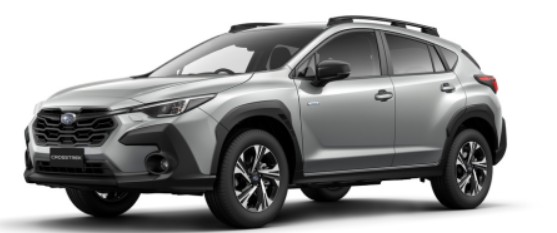
When we start comparing the Subaru Crosstrek and the Subaru Outback, we’re not just picking between two cars—we’re choosing between two lifestyles. One is like a nimble trail runner; the other feels like a seasoned explorer carrying everything you might need for the journey.
So, which one deserves your driveway? Let’s break it down, layer by layer, in a way that actually makes sense for real life—not just spec sheets.
Content in this publication
- First Impressions: Compact Adventurer vs Rugged Wagon
- Size and Dimensions: Does Bigger Always Mean Better?
- Cargo Space: Weekend Bags or Full Expeditions?
- Performance and Engines: Power vs Efficiency
- Fuel Economy: Saving at the Pump
- Off-Road Capability: Subaru DNA at Its Best
- Interior Comfort: Daily Driving vs Long Journeys
- Technology and Infotainment
- Safety: Peace of Mind Comes Standard
- Pricing: Budget vs Investment
- Reliability and Ownership Experience
- Insurance and Running Costs
- Who Should Buy the Crosstrek?
- Who Should Buy the Outback?
- Crosstrek vs Outback: Side-by-Side Summary
- The Verdict: Which One Wins?
- Final Thoughts: Choose Your Adventure
- FAQs
- Closing Summary
First Impressions: Compact Adventurer vs Rugged Wagon


At first glance, the differences are crystal clear.
- The Crosstrek is compact, youthful, and city-friendly
- The Outback looks larger, tougher, and ready for long-distance adventure
We can think of it like this:
- The Crosstrek is your everyday backpack
- The Outback is your full-on travel suitcase
And depending on your lifestyle, one simply makes more sense.
Size and Dimensions: Does Bigger Always Mean Better?
Exterior Footprint
The Outback is noticeably larger:
- Longer wheelbase
- Wider body
- More road presence
The Crosstrek, on the other hand:
- Easier to park
- More agile in tight spaces
- Ideal for urban environments
Interior Space Comparison
Here’s where things shift.
- Outback → More legroom, especially for rear passengers
- Crosstrek → Adequate, but tighter
If we’re traveling with friends or family, the Outback clearly wins.
Cargo Space: Weekend Bags or Full Expeditions?


Let’s be honest—cargo space can make or break a decision.
Crosstrek Cargo Capacity
- Around 20–21 cubic feet behind seats
- Good for groceries, gym gear, light travel
Outback Cargo Capacity
- Up to ~32 cubic feet (and much more folded)
- Perfect for:
- Camping gear
- Bikes
- Road trips
Real-World Insight
If your life involves spontaneous road trips or outdoor hobbies, the Outback feels like freedom on four wheels.
Performance and Engines: Power vs Efficiency
Subaru Crosstrek Engine Options
- 2.0L engine (base)
- 2.5L engine (Sport/Limited trims)
Pros:
- Better fuel efficiency
- Smooth city driving
Cons:
- Base engine can feel underpowered
Subaru Outback Engine Options
- 2.5L naturally aspirated
- 2.4L turbocharged (XT trims)
Pros:
You may be interested in reading Subaru Crosstrek vs Toyota RAV4: Which SUV Truly Fits Your Lifestyle?
- Strong acceleration
- Better for towing and highways
Cons:
- Slightly higher fuel consumption
Driving Feel
- Crosstrek → Light, nimble, easygoing
- Outback → Stable, planted, confident
Fuel Economy: Saving at the Pump
We all feel fuel prices, right?
- Crosstrek → Typically more efficient
- Outback → Slightly thirstier, especially turbo models
Practical Takeaway
If your daily routine includes commuting and city driving, the Crosstrek saves more over time.
Off-Road Capability: Subaru DNA at Its Best


Here’s where both shine.
Both models feature:
- Symmetrical AWD
- X-Mode traction control
- Solid ground clearance
Where They Differ
- Crosstrek → Lighter, easier on tight trails
- Outback → More capable for rugged terrain and long overlanding
Wilderness Factor
The Outback Wilderness trim takes off-road ability to another level—think of it as the mountain goat of SUVs.
Interior Comfort: Daily Driving vs Long Journeys
Subaru Crosstrek Interior
- Simple and functional
- Comfortable for short trips
- Slightly tighter cabin
Subaru Outback Interior
- More upscale feel
- Larger infotainment screen
- Better for long-distance comfort
Long Trip Reality
After 5 hours on the road:
- Crosstrek → “We’re getting there…”
- Outback → “Let’s keep going.”
Technology and Infotainment
Both models offer:
- Apple CarPlay & Android Auto
- Touchscreen systems
- Driver-assist features
Outback Advantage
- Bigger vertical screen
- More premium tech options
Crosstrek Simplicity
- Straightforward controls
- Less overwhelming interface
Safety: Peace of Mind Comes Standard
Subaru doesn’t mess around with safety.
Both vehicles include:
- EyeSight Driver Assist
- Adaptive cruise control
- Lane-keeping assist
Real-Life Benefit
Whether you’re navigating traffic or snowy roads, both models feel secure and predictable.
Pricing: Budget vs Investment
Crosstrek Pricing
- Lower starting price
- Better for budget-conscious buyers
Outback Pricing
- Higher cost
- More features and space
Value Perspective
Think of it this way:
- Crosstrek = Smart buy
- Outback = Long-term investment
Reliability and Ownership Experience
Subaru has a reputation for durability.
Both models:
You may be interested in readingSubaru Crosstrek vs Toyota RAV4: Which SUV Truly Fits Your Lifestyle?You may be interested in reading
Subaru Crosstrek vs Mazda CX-30: Which Compact SUV Truly Wins?- Last well over 200,000 km with proper care
- Hold strong resale value
Maintenance Considerations
- Similar servicing costs
- AWD system requires consistent maintenance
Insurance and Running Costs
Crosstrek
- Typically cheaper to insure
- Lower running costs
Outback
- Slightly higher insurance
- Higher fuel and tire costs
Who Should Buy the Crosstrek?
Choose the Crosstrek if you:
- Live in the city
- Want better fuel efficiency
- Prefer a smaller, easier-to-drive vehicle
- Don’t need massive cargo space
Who Should Buy the Outback?
Choose the Outback if you:
- Travel frequently
- Need space for family or gear
- Love road trips and outdoor adventures
- Want more power and comfort
Crosstrek vs Outback: Side-by-Side Summary
Quick Comparison
| Feature | Crosstrek | Outback |
|---|---|---|
| Size | Compact | Midsize |
| Cargo | Moderate | Large |
| Fuel Economy | Better | Slightly worse |
| Power | Moderate | Strong |
| Price | Lower | Higher |
| Comfort | Good | Excellent |
The Verdict: Which One Wins?
Here’s the truth—there’s no universal winner.
It all comes down to how you live your life.
- If your world is mostly urban with occasional escapes → Crosstrek
- If your life is built around adventure, travel, and space → Outback
In a way, choosing between them feels like choosing between a nimble bicycle and a touring motorcycle. Both get you there—but the journey feels completely different.
Final Thoughts: Choose Your Adventure
We’re not just buying cars—we’re choosing companions for our daily stories.
The Crosstrek whispers simplicity and efficiency.
The Outback roars capability and comfort.
So ask yourself:
Do you want to travel light—or bring the whole world with you?
FAQs
1. Is the Subaru Outback more reliable than the Crosstrek?
Both are equally reliable, as they share similar engineering and components.
2. Which is better for off-roading?
The Outback, especially the Wilderness trim, offers more rugged capability.
3. Is the Crosstrek good for long trips?
Yes, but the Outback is more comfortable for extended journeys.
4. Which one has better resale value?
Both hold value well, though the Outback may retain slightly more due to demand.
5. Is the Outback worth the extra cost?
If you need space, power, and comfort—absolutely.
Closing Summary
When we compare the Subaru Crosstrek vs Outback, we’re really choosing between efficiency and expansiveness, agility and endurance. Neither is wrong—it just depends on your road ahead.
You may be interested in readingSubaru Crosstrek vs Toyota RAV4: Which SUV Truly Fits Your Lifestyle?You may be interested in reading
Subaru Crosstrek vs Mazda CX-30: Which Compact SUV Truly Wins?You may be interested in reading
Subaru Crosstrek vs Mazda CX-5: Which SUV Truly Fits Your Lifestyle?If you want to know other articles similar to Subaru Crosstrek vs Outback: Which One Truly Fits Your Life? you can visit the category Models.
Kia Sorento Models: Complete Guide to Trims, Engines and Versions
BYD Shark 6 vs Ranger vs HiLux: Which Ute Makes the Most Sense in 2026?
BYD Shark 6 vs MG U9: Which Ute Makes More Sense in 2026?
BYD Shark 6 vs Ford Ranger Raptor: Which Performance Ute Is Better in 2026?
BYD Shark 6 vs Kia Tasman: Which Ute Is Better?
BYD Shark 6 vs 7: What We Know So Far
Leave a Reply
More content of your interest