
Mitsubishi ASX Tyre Size: The Complete Guide to Fitment, Performance, and Smart Choices

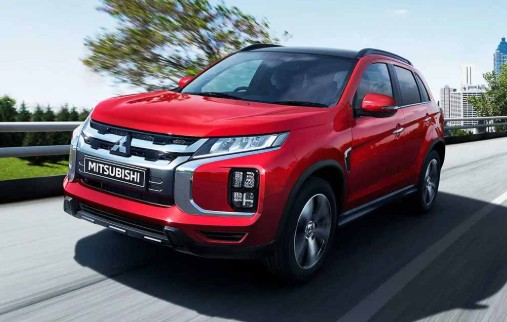
When it comes to getting the best out of your Mitsubishi ASX, tyre size isn’t just a number stamped on rubber—it’s the silent architect of your driving experience. From how your car grips the road to how smooth your ride feels on a rainy Bogotá morning, the right tyre size makes all the difference.
So, let’s break it all down together—clearly, practically, and without the usual confusing jargon.
Content in this publication
- Understanding Mitsubishi ASX Tyre Size Basics
- Standard Mitsubishi ASX Tyre Sizes by Model Year
- How Tyre Size Affects Your Driving Experience
- Why Mitsubishi Chose These Tyre Sizes
- Can You Change Tyre Size on a Mitsubishi ASX?
- Upsizing vs Downsizing Tyres
- Best Tyre Size for City Driving
- Best Tyre Size for Highway Driving
- Best Tyre Size for Sporty Driving
- How Tyre Width Impacts Performance
- Seasonal Considerations for Tyre Size
- Tyre Pressure and Size: A Critical Link
- How to Check Your Current Tyre Size
- Common Mistakes When Choosing Tyres
- Tyre Size and Fuel Economy
- Aftermarket Wheels and Tyre Compatibility
- Visual Impact: How Tyre Size Changes the Look
- Recommended Tyre Brands for Mitsubishi ASX
- When Should You Replace Your Tyres?
- Closing Thoughts: Choosing the Right Mitsubishi ASX Tyre Size
- FAQs About Mitsubishi ASX Tyre Size
Understanding Mitsubishi ASX Tyre Size Basics
What Do Tyre Size Numbers Actually Mean?
You’ve probably seen something like this on your tyre:
215/60 R17
It might look cryptic, but it’s actually a simple code:
- 215 – Tyre width in millimeters
- 60 – Aspect ratio (height as % of width)
- R – Radial construction
- 17 – Wheel diameter in inches
Think of it like a shoe size for your car—except getting it wrong affects safety, fuel economy, and comfort.
Standard Mitsubishi ASX Tyre Sizes by Model Year
Common Factory-Fitted Sizes
Depending on trim level and year, the ASX typically comes with:
- 215/70 R16 – Entry-level trims
- 215/60 R17 – Mid-range variants
- 225/55 R18 – Higher trims or sport versions
Each size tells a different story on the road.
How Tyre Size Affects Your Driving Experience
Let’s be honest—there’s no “perfect” tyre size. It’s always a balancing act:
- Smaller wheels (16")
- Softer ride
- Better for rough roads
- Slightly less sporty feel
- Larger wheels (18")
- Sharper handling
- More road feedback
- Slightly harsher ride
It’s like choosing between sneakers and racing shoes.
Why Mitsubishi Chose These Tyre Sizes
Engineering Meets Real-World Driving
Mitsubishi Motors didn’t pick these sizes randomly. They balanced:
- Fuel efficiency
- Suspension tuning
- Global road conditions
- Cost and practicality
In short, the stock size is a “safe sweet spot.”
Can You Change Tyre Size on a Mitsubishi ASX?
Yes—But There Are Rules
You can change tyre size, but not recklessly.
Stick to:
- ±3% overall diameter difference
- Same load rating or higher
- Proper wheel compatibility
Otherwise, you risk:
- Speedometer errors
- Poor braking performance
- Increased wear
Upsizing vs Downsizing Tyres
Upsizing (Going Bigger)
Example: from 215/60 R17 → 225/55 R18
Pros:
- Sportier look
- Better cornering
Cons:
- Higher cost
- Slight fuel economy drop
Downsizing (Going Smaller)
Example: from 18” → 16”
Pros:
- Cheaper tyres
- More comfort
- Better for potholes
Cons:
- Less aggressive handling
Best Tyre Size for City Driving
Urban Reality Check
If you’re navigating traffic, speed bumps, and uneven roads:
👉 215/70 R16 is your best friend
Why?
- More sidewall = better shock absorption
- Lower risk of rim damage
- Smoother ride overall
Best Tyre Size for Highway Driving
Long Distance Efficiency
For highway cruising:
👉 215/60 R17 strikes the perfect balance
- Stable at high speeds
- Good fuel efficiency
- Comfortable but responsive
Best Tyre Size for Sporty Driving
If You Like Corners More Than Straight Lines
👉 225/55 R18 is the sporty choice
- Improved grip
- Sharper steering response
- Better corner stability
But yes—it will feel firmer.
How Tyre Width Impacts Performance
Wider Isn’t Always Better
Wider tyres (225 vs 215):
Advantages:
- More grip in dry conditions
- Better cornering
Disadvantages:
- Higher fuel consumption
- Worse performance in heavy rain
So ask yourself: are you chasing performance—or practicality?
Seasonal Considerations for Tyre Size
Do You Need Different Sizes for Weather?
Not always, but:
- Narrower tyres perform better in wet conditions
- Wider tyres shine in dry environments
In Colombia’s mixed conditions, mid-range sizes (215) are often ideal.
Tyre Pressure and Size: A Critical Link
Why Size Changes Pressure Needs
Different tyre sizes require different pressures.
Typical ASX ranges:
- 16-inch tyres: ~32–34 PSI
- 17-inch tyres: ~33–35 PSI
- 18-inch tyres: ~34–36 PSI
Always check your door sticker—not guesswork.
How to Check Your Current Tyre Size
3 Easy Ways
- Look at the tyre sidewall
- Check the driver’s door sticker
- Consult your vehicle manual
Simple—but surprisingly overlooked.
Common Mistakes When Choosing Tyres
Avoid These Pitfalls
- Ignoring load rating
- Choosing style over safety
- Mixing tyre sizes front/rear
- Going too wide without need
We’ve all been tempted—but your ASX deserves better.
Tyre Size and Fuel Economy
Does Size Really Affect MPG?
Yes—and more than you might think.
- Larger tyres = more rolling resistance
- More resistance = more fuel used
So if you want efficiency, stick close to stock size.
Aftermarket Wheels and Tyre Compatibility
Thinking About New Rims?
Make sure:
- Bolt pattern matches (5x114.3 for ASX)
- Offset is correct
- Tyre size compensates for wheel change
Otherwise, you’ll feel it in the steering—and not in a good way.
Visual Impact: How Tyre Size Changes the Look
From Practical to Aggressive
Let’s be real—looks matter.
- 16” → Practical, understated
- 17” → Balanced, modern
- 18” → Bold, sporty
Your tyres are like your car’s shoes—they define its personality.
Recommended Tyre Brands for Mitsubishi ASX
Reliable Choices Worth Considering
- Michelin
- Bridgestone
- Continental
- Pirelli
- Goodyear
Choose based on your driving style—not just price.
When Should You Replace Your Tyres?
Key Signs to Watch
- Tread depth below 1.6 mm
- Cracks or bulges
- Uneven wear
- Increased road noise
If your tyres are talking—it’s time to listen.
Closing Thoughts: Choosing the Right Mitsubishi ASX Tyre Size
Choosing the right tyre size for your Mitsubishi ASX isn’t about chasing trends—it’s about understanding your driving life.
Are you navigating city streets daily?
Cruising highways?
Or carving corners for fun?
Each tyre size tells a different story—and the right one makes your car feel like it truly fits you.
In the end, the best tyre size is the one that balances comfort, safety, performance, and cost—just like a well-tuned orchestra.
FAQs About Mitsubishi ASX Tyre Size
1. What is the most common tyre size for Mitsubishi ASX?
The most common size is 215/60 R17, offering a balance between comfort and performance.
2. Can I install larger tyres on my ASX?
Yes, but stay within a 3% diameter difference to avoid issues.
3. Do bigger tyres improve performance?
They improve grip and handling but may reduce comfort and fuel efficiency.
4. Is it safe to mix tyre sizes?
No—always use matching sizes unless specifically designed otherwise.
5. What tyre size is best for rough roads?
215/70 R16 is ideal due to its taller sidewall and better shock absorption.
If you want to know other articles similar to Mitsubishi ASX Tyre Size: The Complete Guide to Fitment, Performance, and Smart Choices you can visit the category Service and Parts.
Nissan Rogue Oil Change Cost: Prices, Service Options, and What to Expect
Nissan Rogue Key Battery Replacement: Easy Step-by-Step Guide
Nissan Rogue Oil Change Interval: Complete Guide by Model Year
Nissan Rogue Brake Pads and Rotors Cost: Complete 2026 Guide

Kia Sorento Service Reset: How to Reset the Service Light
Kia Sorento Fuel Tank Capacity: Gallons, Litres and Model Differences
Leave a Reply
More content of your interest