

Mitsubishi ASX Models: A Complete Guide to Every Version, Trim & Evolution

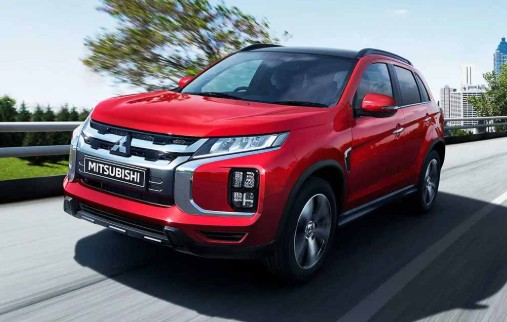
When we talk about compact SUVs that quietly built a reputation for reliability and practicality, the Mitsubishi ASX deserves a serious spotlight. It’s not flashy in the way some rivals are—but like a dependable friend who always shows up, it delivers exactly what many drivers need: simplicity, durability, and value.
So, let’s unpack the world of Mitsubishi ASX models—from early versions to modern trims—while exploring what makes each one tick. Whether you’re researching your next car or just curious, we’ll walk through everything in a way that feels less like a spec sheet and more like a conversation.
Content in this publication
- What Is the Mitsubishi ASX? A Quick Overview
- The Evolution of Mitsubishi ASX Models
- Mitsubishi ASX Trim Levels Explained
- Engine Options Across Mitsubishi ASX Models
- Transmission Choices
- Front-Wheel Drive vs All-Wheel Drive Models
- Interior Differences Between ASX Models
- Technology Across Mitsubishi ASX Models
- Safety Features by Model Year
- Fuel Economy Across Mitsubishi ASX Models
- Common Features You’ll Find Across Most Models
- Special Editions and Limited Models
- How Mitsubishi ASX Models Compare to Rivals
- Best Mitsubishi ASX Models to Buy
- Mitsubishi ASX Models: Pros and Cons
- Who Should Buy a Mitsubishi ASX?
- Closing Thoughts: A Quiet Performer That Still Delivers
- FAQs About Mitsubishi ASX Models
What Is the Mitsubishi ASX? A Quick Overview
The Mitsubishi ASX (also known as Outlander Sport or RVR in some markets) is a compact crossover introduced in 2010. It sits right in that sweet spot between city-friendly size and SUV practicality.
Think of it as the “Swiss Army knife” of cars—compact enough for tight streets, yet versatile enough for road trips.
The Evolution of Mitsubishi ASX Models
First Generation (2010–2016): The Foundation Years
The early ASX models were all about establishing identity.
Key Highlights
- Simple, rugged design
- Naturally aspirated petrol and diesel engines
- Manual and CVT transmission options
- Basic infotainment by today’s standards
We could say these models were like a first draft—solid, functional, but not yet refined.
Facelift Era (2017–2019): Subtle but Meaningful Changes
Mitsubishi didn’t reinvent the wheel here—but they did polish it.
What Changed
- Updated front grille design
- Improved interior materials
- Better infotainment systems
- Enhanced safety features
It’s the kind of update you notice more after living with the car than at first glance.
Modern Refresh (2020–Present): The Digital Shield Era
This is where things got interesting.
Major Upgrades
- “Dynamic Shield” front design
- Larger touchscreen displays
- Smartphone connectivity (Apple CarPlay & Android Auto)
- Improved driver assistance systems
Now, the ASX feels less like a basic tool and more like a modern companion.
Mitsubishi ASX Trim Levels Explained
One of the most confusing aspects for buyers? The trims. Let’s break them down.
Entry-Level Models: ES / Inform
These are the “no-nonsense” versions.
Typical Features
- Cloth seats
- Basic infotainment
- Steel wheels or small alloys
- Manual air conditioning
Perfect if you want affordability without unnecessary extras.
Mid-Range Models: LS / Invite
This is where things start getting comfortable.
Added Features
- Larger alloy wheels
- Rearview camera
- Enhanced infotainment
- Keyless entry
If the base model is a bicycle, this is the same bike—with gears and suspension.
High-End Models: Exceed / Instyle
Now we’re talking premium territory.
You may be interested in reading Mitsubishi ASX vs Outlander: Which SUV Truly Fits Your Life?
Top Features
- Leather upholstery
- Panoramic roof (in some markets)
- Advanced safety tech
- Premium audio systems
These trims blur the line between budget SUV and luxury-lite.
Engine Options Across Mitsubishi ASX Models
Let’s talk about what’s under the hood.
Petrol Engines
Most ASX models use petrol engines.
Common Options
- 1.6L (entry-level)
- 2.0L (most popular)
- 2.4L (higher trims)
The 2.0L is the sweet spot—balanced power and efficiency.
Diesel Engines (Older Models)
More common in European markets.
Characteristics
- Better fuel economy
- Strong low-end torque
- Slightly noisier operation
These engines feel like workhorses—less refined, but very capable.
Transmission Choices
Manual Gearbox
- More control
- Lower purchase cost
- Ideal for enthusiasts
CVT Automatic
- Smooth driving
- Better for city traffic
- Less engaging but more convenient
It’s the classic trade-off: control vs comfort.
Front-Wheel Drive vs All-Wheel Drive Models
FWD Models
- Better fuel efficiency
- Lower cost
- Ideal for urban use
AWD Models
- Improved traction
- Better for rough terrain
- Slightly higher fuel consumption
Ask yourself: are you climbing mountains—or just speed bumps?
Interior Differences Between ASX Models
Base Interior
- Functional layout
- Hard plastics
- Minimal tech
Mid & High Trims
- Soft-touch materials
- Larger screens
- Digital features
The difference feels like upgrading from a basic phone to a smartphone.
Technology Across Mitsubishi ASX Models
Infotainment Evolution
- Early: CD players and small screens
- Mid: Touchscreens with Bluetooth
- Modern: Apple CarPlay & Android Auto
Driver Assistance Features
- Lane departure warning
- Forward collision mitigation
- Adaptive cruise control (higher trims)
Safety Features by Model Year
Safety has improved dramatically over time.
Older Models
- Basic airbags
- ABS and stability control
Newer Models
- Autonomous emergency braking
- Blind-spot monitoring
- Rear cross-traffic alert
It’s like moving from a helmet to a full suit of armor.
Fuel Economy Across Mitsubishi ASX Models
Fuel efficiency varies depending on engine and drivetrain.
Typical Figures
- 1.6L petrol: ~6–7 L/100km
- 2.0L petrol: ~7–8 L/100km
- Diesel: ~5–6 L/100km
Not class-leading—but consistent and predictable.
Common Features You’ll Find Across Most Models
Regardless of trim, the ASX usually includes:
- Air conditioning
- Power windows
- Stability control
- USB connectivity
Mitsubishi keeps things consistent—no unnecessary surprises.
Special Editions and Limited Models
From time to time, Mitsubishi releases special editions.
You may be interested in readingMitsubishi ASX vs Outlander: Which SUV Truly Fits Your Life?You may be interested in reading
Mitsubishi ASX vs Mazda CX-3: Which Compact SUV Truly Wins?Examples
- Black Edition
- Urban Edition
- Adventure packs
These often include:
- Unique styling elements
- Upgraded wheels
- Extra interior touches
Think of them as “personality upgrades.”
How Mitsubishi ASX Models Compare to Rivals
The ASX competes with:
- Nissan Qashqai
- Hyundai Tucson
- Kia Sportage
Where It Wins
- Reliability
- Simplicity
- Lower maintenance costs
Where It Lags
- Interior refinement
- Cutting-edge tech
- Driving dynamics
It’s not the trendiest option—but it’s dependable.
Best Mitsubishi ASX Models to Buy
Top Picks
- 2018–2019 models (best value)
- 2020+ facelift (modern features)
- 2.0L petrol variants (balanced performance)
Avoid overly basic trims if you want long-term satisfaction.
Mitsubishi ASX Models: Pros and Cons
Pros
- Proven reliability
- Affordable pricing
- Easy maintenance
- Practical size
Cons
- Aging platform
- Basic interior (lower trims)
- CVT not for everyone
Who Should Buy a Mitsubishi ASX?
This car is ideal for:
- First-time SUV buyers
- Urban drivers
- Budget-conscious families
- People who value reliability over flashiness
If you want excitement, look elsewhere. If you want peace of mind, you’re in the right place.
Closing Thoughts: A Quiet Performer That Still Delivers
The Mitsubishi ASX isn’t trying to impress you with gimmicks. It’s more like a dependable pair of shoes—you might not brag about them, but you’ll wear them everywhere.
And honestly? That’s its greatest strength.
Across all Mitsubishi ASX models, what we see is consistency. It evolves slowly, yes—but it evolves with purpose. It’s built for real life, not just showroom appeal.
So the question isn’t “Is the ASX exciting?”
It’s “Do you want a car that just works?”
FAQs About Mitsubishi ASX Models
1. What is the most reliable Mitsubishi ASX model?
Most models are reliable, but 2018+ versions stand out due to improved build quality and updated tech.
2. Which ASX engine is best?
The 2.0L petrol engine offers the best balance of power, reliability, and efficiency.
3. Are Mitsubishi ASX models expensive to maintain?
No, they are generally affordable to maintain compared to rivals.
4. Is the ASX a good family car?
Yes, especially for small families who need practicality without a large SUV footprint.
5. Does the Mitsubishi ASX hold its value?
It holds value reasonably well thanks to its reliability reputation.
You may be interested in readingMitsubishi ASX vs Outlander: Which SUV Truly Fits Your Life?You may be interested in reading
Mitsubishi ASX vs Mazda CX-3: Which Compact SUV Truly Wins?You may be interested in reading
Mitsubishi ASX vs Toyota Yaris Cross: The Ultimate Compact SUV ShowdownIf you want to know other articles similar to Mitsubishi ASX Models: A Complete Guide to Every Version, Trim & Evolution you can visit the category Models.
Honda Passport vs Toyota 4Runner: Which SUV Is Better?
Honda Passport vs Ford Bronco: Which SUV Is Better?
Honda Passport vs Ford Explorer: Which SUV Is Better?
Honda Passport or Pilot: Which SUV Is Better?
Honda Passport vs Jeep Grand Cherokee: Which SUV Is Better?
Honda Passport vs Nissan Pathfinder: Which SUV Is Better?
Leave a Reply
More content of your interest