

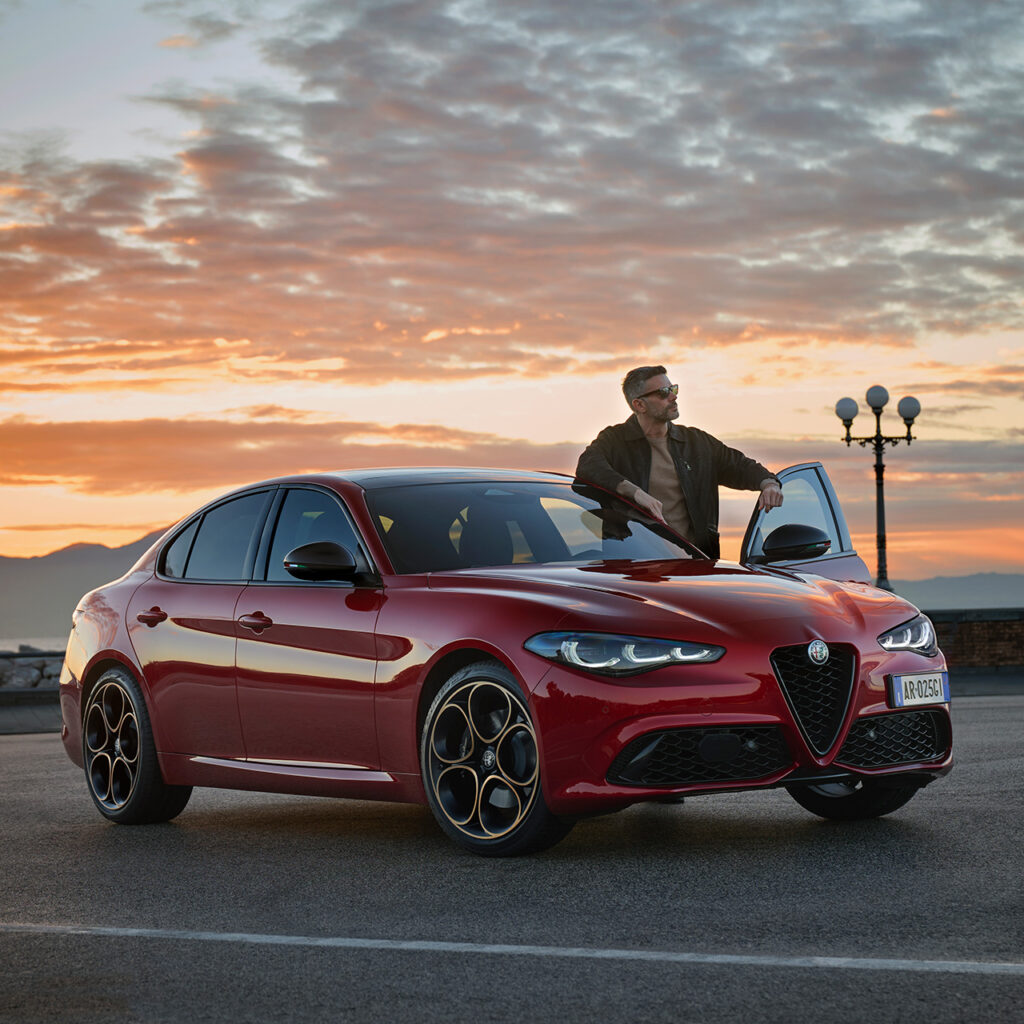
Alfa Romeo Giulia Engine: A Deep Dive Into Italian Performance Engineering

Content in this publication
- Why the Alfa Romeo Giulia Engine Deserves Attention
- The DNA Behind the Giulia Engine
- Overview of Alfa Romeo Giulia Engine Options
- Breaking Down the 2.0L Turbo Engine
- The Quadrifoglio Engine: Where Magic Happens
- Turbocharging Technology Explained
- Lightweight Engineering: The Hidden Advantage
- Engine Sound: More Than Just Noise
- Fuel Efficiency vs Performance
- Reliability of the Alfa Romeo Giulia Engine
- Maintenance and Servicing Insights
- Engine Performance in Daily Driving
- Track Performance and Capability
- Transmission Pairing: Enhancing the Engine
- Comparing Giulia Engines to Competitors
- Engine Longevity: How Long Will It Last?
- Tuning and Aftermarket Potential
- Environmental Considerations
- Is the Alfa Romeo Giulia Engine Worth It?
- Conclusion: The Soul of the Giulia
- FAQs About Alfa Romeo Giulia Engine
Why the Alfa Romeo Giulia Engine Deserves Attention
When we talk about driving passion, mechanical artistry, and that unmistakable Italian flair, the Alfa Romeo Giulia instantly enters the conversation. But let’s be honest—what truly defines this car isn’t just its sculpted body or driver-focused cockpit. It’s the engine.
We’re not just looking at a power unit here. We’re looking at the heartbeat of a machine designed to stir emotion. So, what makes the Alfa Romeo Giulia engine so special? Is it performance? Engineering? Heritage? Or a mix of all three?
Let’s explore.
The DNA Behind the Giulia Engine
Italian Engineering Meets Racing Heritage
The Giulia’s engine lineup is deeply rooted in the racing DNA of Alfa Romeo. This isn’t just marketing talk—it’s baked into every piston stroke and turbo spool.
- Lightweight construction
- Precision-tuned turbocharging
- Performance-first engineering philosophy
It feels less like a commuter engine and more like something borrowed from a racetrack.
Overview of Alfa Romeo Giulia Engine Options
Two Core Personalities: Balanced vs Brutal
The Giulia offers two main engine philosophies:
1. Turbocharged Inline-4 Engine
- 2.0-liter turbocharged engine
- Around 280 horsepower
- Rear-wheel or all-wheel drive
2. Twin-Turbo V6 (Quadrifoglio)
- 2.9-liter twin-turbo V6
- Up to 505 horsepower
- Ferrari-derived engineering
One is refined and efficient. The other? Pure chaos—in the best way possible.
Breaking Down the 2.0L Turbo Engine
Efficiency Without Compromise
This engine is where most drivers start—and honestly, it’s far from “basic.”
Key Highlights
- Aluminum construction reduces weight
- Direct injection for better fuel efficiency
- Turbocharged for responsive power
Driving Feel
We notice something interesting when driving this engine: it doesn’t feel like a typical 4-cylinder. It’s punchy, smooth, and surprisingly eager.
Think of it like espresso—small, but powerful.
The Quadrifoglio Engine: Where Magic Happens
Ferrari-Inspired V6 Powerhouse
Now, let’s talk about the monster.
The Quadrifoglio’s V6 engine is rumored (and widely accepted) to be derived from Ferrari engineering. Whether you’re on a highway or track, it delivers raw, unapologetic performance.
Specs That Matter
- 0–60 mph in under 4 seconds
- 505 horsepower
- Twin-turbocharged setup
What Makes It Special?
- Explosive acceleration
- Emotional exhaust note
- Razor-sharp throttle response
Driving it feels like unleashing something alive.
Turbocharging Technology Explained
Why Turbo Matters in the Giulia
Both engines rely heavily on turbocharging. But why?
- Increased power without larger displacement
- Better fuel efficiency
- Immediate torque delivery
Real-World Impact
You feel it the moment you press the accelerator. There’s no laggy hesitation—just instant response.
Why Weight Matters More Than You Think
The Giulia’s engine uses aluminum extensively. This reduces overall weight, improving:
- Acceleration
- Fuel efficiency
- Handling balance
It’s like shedding unnecessary baggage before a race.
Engine Sound: More Than Just Noise
The Emotional Connection
Let’s be honest—sound matters.
- The 2.0L engine: refined, subtle growl
- The V6: aggressive, spine-tingling roar
The Quadrifoglio doesn’t just sound fast—it feels fast.
Fuel Efficiency vs Performance
Can You Have Both?
Surprisingly, yes.
2.0L Engine
- Up to ~33 MPG highway
- Balanced performance
V6 Engine
- Lower efficiency, higher thrills
- Built for performance, not economy
It’s a classic trade-off—but one worth considering.
Reliability of the Alfa Romeo Giulia Engine
The Truth Behind the Reputation
Alfa Romeo has had its ups and downs. But modern Giulia engines are significantly improved.
What We’ve Observed
- Better build quality
- Improved electronics
- Regular maintenance is key
Common Concerns
- Turbo wear over time
- Cooling system sensitivity
But nothing out of the ordinary for performance engines.
Maintenance and Servicing Insights
What Owners Should Expect
Maintaining a Giulia engine isn’t cheap—but it’s manageable.
Typical Maintenance Tasks
- Oil changes every 8,000–10,000 miles
- Turbo inspection
- Spark plug replacement
Pro Tip
Stick to premium fuel and high-quality oil. It makes a noticeable difference.
Engine Performance in Daily Driving
Is It Practical?
Absolutely—especially the 2.0L version.
- Smooth city driving
- Responsive highway acceleration
- Comfortable yet sporty feel
It’s like wearing a tailored suit that can suddenly turn into racing gear.
Track Performance and Capability
Where the Giulia Truly Shines
Take the Quadrifoglio to a track, and everything changes.
- Perfect weight distribution
- Immediate throttle response
- High-revving excitement
It’s not just fast—it’s precise.
Transmission Pairing: Enhancing the Engine
The Perfect Match
Both engines are paired with an 8-speed automatic transmission.
Why It Works
- Quick gear shifts
- Smooth transitions
- Paddle shifters for control
The transmission complements the engine beautifully.
Comparing Giulia Engines to Competitors
How Does It Stack Up?
Against rivals like BMW and Audi:
- More emotional driving experience
- Comparable performance
- Unique character
It’s less clinical, more passionate.
Engine Longevity: How Long Will It Last?
What We Can Expect Over Time
With proper care:
- 2.0L engine: 150,000+ miles
- V6 engine: slightly less due to performance stress
Regular maintenance is the difference between longevity and headaches.
Tuning and Aftermarket Potential
Can You Unlock More Power?
Yes—and many enthusiasts do.
Popular Upgrades
- ECU remapping
- Performance exhaust systems
- Turbo enhancements
But remember: more power often means more wear.
Environmental Considerations
Modern Engines, Modern Standards
The Giulia engines meet strict emissions standards while still delivering performance.
- Reduced CO₂ emissions
- Improved fuel efficiency
- Advanced engine management systems
It’s performance with a conscience.
Is the Alfa Romeo Giulia Engine Worth It?
Final Thoughts Before the Verdict
So, where do we land?
If you want:
- A practical yet sporty engine → go 2.0L
- A thrilling, unforgettable experience → go Quadrifoglio
Either way, you’re getting something special.
Conclusion: The Soul of the Giulia
The Alfa Romeo Giulia engine isn’t just about horsepower or torque figures. It’s about how it makes you feel.
It’s the difference between driving and experiencing.
We don’t just press the accelerator—we connect with the machine. And that’s something few engines can offer.
FAQs About Alfa Romeo Giulia Engine
1. Is the Alfa Romeo Giulia engine reliable?
Yes, modern Giulia engines are much more reliable than older Alfa models, especially with proper maintenance.
2. Does the Giulia use a Ferrari engine?
The Quadrifoglio’s V6 is heavily inspired by Ferrari engineering, though not identical.
3. Which engine is better: 2.0L or V6?
It depends—2.0L for daily use, V6 for performance enthusiasts.
4. What fuel does the Giulia engine require?
Premium fuel is recommended for optimal performance and longevity.
5. Can the Giulia engine be tuned?
Yes, both engines respond well to tuning and aftermarket upgrades.
If you want to know other articles similar to Alfa Romeo Giulia Engine: A Deep Dive Into Italian Performance Engineering you can visit the category Service and Parts.
Land Rover Defender 90 Tyre Pressure: Complete Guide
Land Rover Defender 90 Weight: Kerb Weight, GVW and Payload Explained
Land Rover Defender 90 Towing Capacity: Complete Guide
Land Rover Defender 90 Boot Space: Size, Dimensions and Practicality
Toyota Hilux Key Battery Replacement: Complete DIY Guide
Toyota Hilux Windscreen Replacement Cost: Prices, Factors, and Money-Saving Tips
Leave a Reply
More content of your interest