

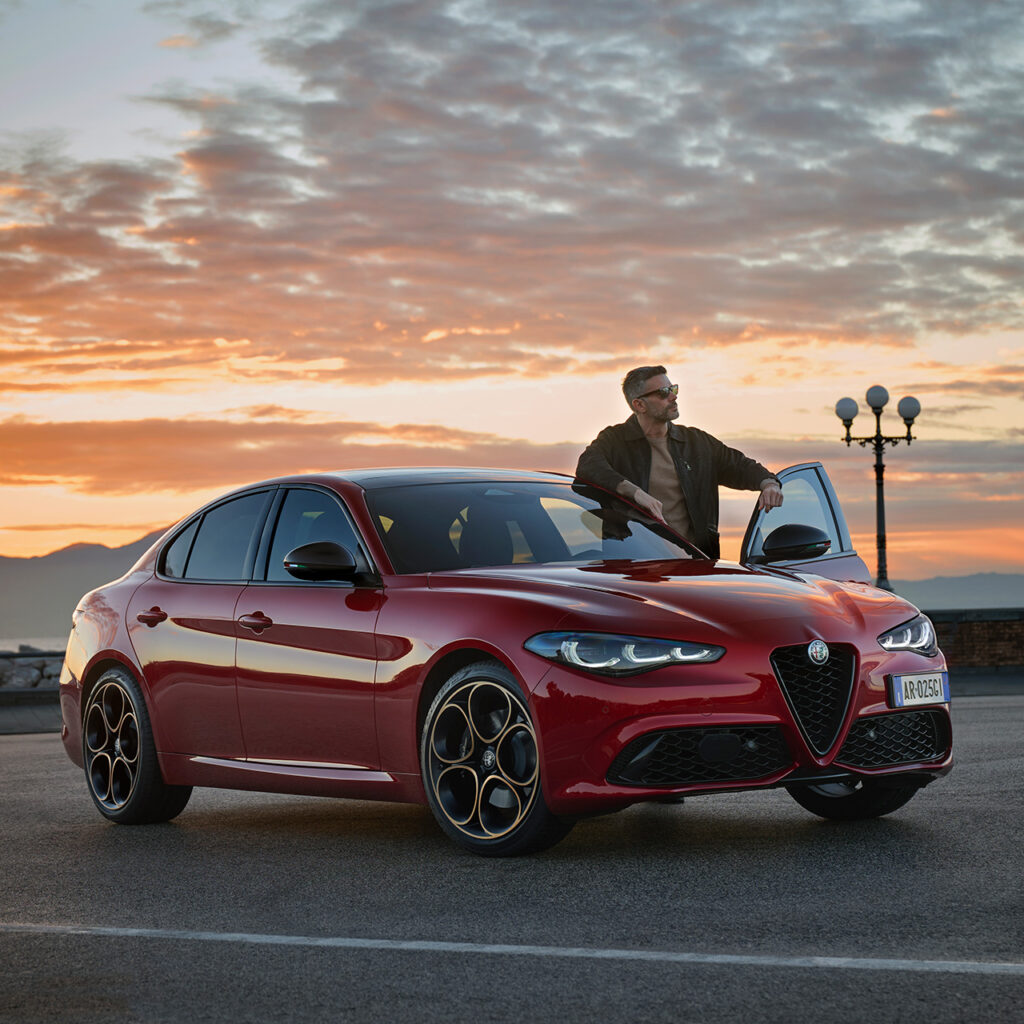
Alfa Romeo Giulia 0 to 60: The Thrill Behind Every Second

Content in this publication
- Why the 0–60 Sprint Still Matters in 2026
- What Is the Alfa Romeo Giulia 0 to 60 Time?
- How Fast Is Fast? Putting It Into Perspective
- What Powers the Alfa Romeo Giulia’s Acceleration?
- The Physics of Speed: Why 0–60 Feels So Good
- Transmission and Launch Control: The Hidden Heroes
- Rear-Wheel Drive vs All-Wheel Drive
- Weight Distribution: The Secret Sauce
- Tires, Grip, and Road Conditions
- Real-World vs Manufacturer Claims
- Driving Experience: More Than Just Numbers
- Quadrifoglio: The Crown Jewel
- Fuel Type and Performance Impact
- Maintenance and Its Role in Performance
- Is the Alfa Romeo Giulia the Fastest in Its Class?
- Who Should Care About 0–60 Times?
- Pros and Cons of Giulia’s Acceleration
- Final Thoughts: Speed Meets Passion
- FAQs About Alfa Romeo Giulia 0 to 60
Why the 0–60 Sprint Still Matters in 2026
Let’s be honest—when we talk about performance, nothing sparks curiosity faster than a car’s 0–60 mph time. It’s the automotive equivalent of a heartbeat: quick, revealing, and impossible to ignore. And when we bring the Alfa Romeo Giulia into the conversation, things get interesting—fast.
The Giulia isn’t just about numbers. It’s about emotion. But those numbers? They tell a story worth unpacking.
What Is the Alfa Romeo Giulia 0 to 60 Time?
Breaking Down the Numbers
Depending on the trim, the Alfa Romeo Giulia delivers varying levels of acceleration:
- Giulia Sprint / Ti (2.0L Turbo): ~5.1–5.5 seconds
- Giulia Veloce (AWD): ~4.7–5.0 seconds
- Giulia Quadrifoglio (2.9L Twin-Turbo V6): ~3.8 seconds
Yes, you read that right—3.8 seconds. That’s not just quick; that’s supercar territory wrapped in a sedan silhouette.
How Fast Is Fast? Putting It Into Perspective
Comparing Against Rivals
Let’s stack the Giulia against its closest competitors:
- BMW 3 Series (330i): ~5.6 seconds
- Audi A4: ~5.2 seconds
- Mercedes-Benz C-Class: ~5.7 seconds
Already, the Giulia’s base trims are competitive. But the Quadrifoglio? It blows past them like they’re standing still.
What Powers the Alfa Romeo Giulia’s Acceleration?
Engine Options That Define Performance
2.0L Turbocharged Inline-4
- 280 horsepower
- 306 lb-ft of torque
- Balanced for daily driving and spirited bursts
2.9L Twin-Turbo V6 (Quadrifoglio)
- 505 horsepower
- Ferrari-derived engineering
- Pure adrenaline in mechanical form
This isn’t just about raw power—it’s about how that power is delivered.
The Physics of Speed: Why 0–60 Feels So Good
Acceleration and Force
F=ma
This simple formula explains why the Giulia feels explosive. The greater the force (F) applied by the engine, the faster the acceleration (a), given the car’s mass (m).
And Alfa Romeo? They’ve mastered this balance.
8-Speed Automatic Precision
Every Giulia comes equipped with an 8-speed automatic transmission that shifts with surgical precision.
- Lightning-fast gear changes
- Adaptive shift logic
- Paddle shifters for manual control
Launch Control in the Quadrifoglio
Engage launch control, and the car transforms:
- Optimized traction
- Maximum torque delivery
- Consistent sub-4-second launches
It’s like pressing a “go-fast” button for reality.
Rear-Wheel Drive vs All-Wheel Drive
Does Drivetrain Affect 0–60?
Absolutely.
- RWD (Rear-Wheel Drive): Lighter, more playful
- AWD (All-Wheel Drive): Better traction, quicker launches
The AWD Giulia trims often shave a few tenths off the 0–60 time, especially in less-than-perfect conditions.
Weight Distribution: The Secret Sauce
50/50 Balance
The Giulia boasts near-perfect weight distribution:
- Improved traction
- Better cornering stability
- Enhanced acceleration efficiency
It’s like having perfect footing before a sprint.
Tires, Grip, and Road Conditions
Why Tires Matter More Than You Think
Even the fastest engine means nothing without grip.
- Performance tires = faster launches
- Cold or wet roads = slower times
- Tire wear = reduced traction
Think of tires as your car’s handshake with the road—firm grip equals faster results.
Real-World vs Manufacturer Claims
Can You Actually Hit Those Times?
Short answer: yes—but conditions matter.
Factors that influence real-world 0–60 times:
- Weather conditions
- Road surface
- Driver skill
- Fuel quality
On a perfect day, the Giulia delivers. On an average day, it still impresses.
Driving Experience: More Than Just Numbers
The Emotional Side of Acceleration
Let’s get real—0–60 isn’t just a stat. It’s a feeling.
- The push into your seat
- The rising engine note
- The blur of surroundings
Driving the Giulia feels like a symphony building to a crescendo.
Quadrifoglio: The Crown Jewel
Why It’s in a League of Its Own
The Giulia Quadrifoglio isn’t just faster—it’s transformative.
- Carbon fiber components
- Active aerodynamics
- Track-ready DNA
It’s not just a car. It’s an experience.
Fuel Type and Performance Impact
The Giulia is tuned for premium gasoline.
- Higher octane = better combustion
- Improved acceleration consistency
- Reduced engine knock
Cut corners here, and you’ll feel it—literally.
Maintenance and Its Role in Performance
Keeping Your 0–60 Sharp
To maintain optimal acceleration:
- Regular oil changes
- Clean air filters
- Proper tire pressure
Neglect these, and your Giulia won’t feel like a Giulia.
Is the Alfa Romeo Giulia the Fastest in Its Class?
Short Answer: Almost
While some rivals may edge it out in specific trims, the Giulia offers a rare combination:
- Speed
- Style
- Soul
And honestly? That last one matters more than we admit.
Who Should Care About 0–60 Times?
Is It Just for Enthusiasts?
Not really.
- Commuters appreciate quick merges
- Enthusiasts crave adrenaline
- Everyone enjoys responsiveness
It’s not about racing—it’s about confidence on the road.
Pros and Cons of Giulia’s Acceleration
Pros
- Exceptional performance (especially Quadrifoglio)
- Engaging driving dynamics
- Competitive in its segment
Cons
- Requires premium fuel
- Performance depends on conditions
- Higher trims can be expensive
Final Thoughts: Speed Meets Passion
The Alfa Romeo Giulia doesn’t just chase numbers—it redefines what those numbers feel like. Its 0–60 time isn’t just a benchmark; it’s a gateway into a driving experience that feels alive.
We don’t just measure the Giulia in seconds—we measure it in smiles.
FAQs About Alfa Romeo Giulia 0 to 60
1. What is the fastest Alfa Romeo Giulia 0–60 time?
The Giulia Quadrifoglio achieves approximately 3.8 seconds.
2. Is the Giulia faster than a BMW 3 Series?
Yes, especially in higher trims like the Quadrifoglio.
3. Does AWD improve acceleration?
Yes, it enhances traction and can reduce 0–60 times slightly.
4. Can weather affect 0–60 performance?
Absolutely—wet or cold conditions can slow acceleration.
5. Is the Giulia good for daily driving despite its speed?
Yes, it balances performance with comfort exceptionally well.
If you want to know other articles similar to Alfa Romeo Giulia 0 to 60: The Thrill Behind Every Second you can visit the category Driving.
Mazda CX-5 Real-World MPG: What Drivers Actually Get
Mazda CX-5 0-60: Acceleration Times by Year and Engine
MG HS Fuel Consumption: Complete MPG Guide

Can Nissan Rogue Pull a Boat? Complete Towing Guide
Can Nissan Rogue Be Flat Towed? Complete Towing Guide
Are Nissan Rogue Good on Gas? MPG, Fuel Economy, and Real-World Costs
Leave a Reply
More content of your interest