
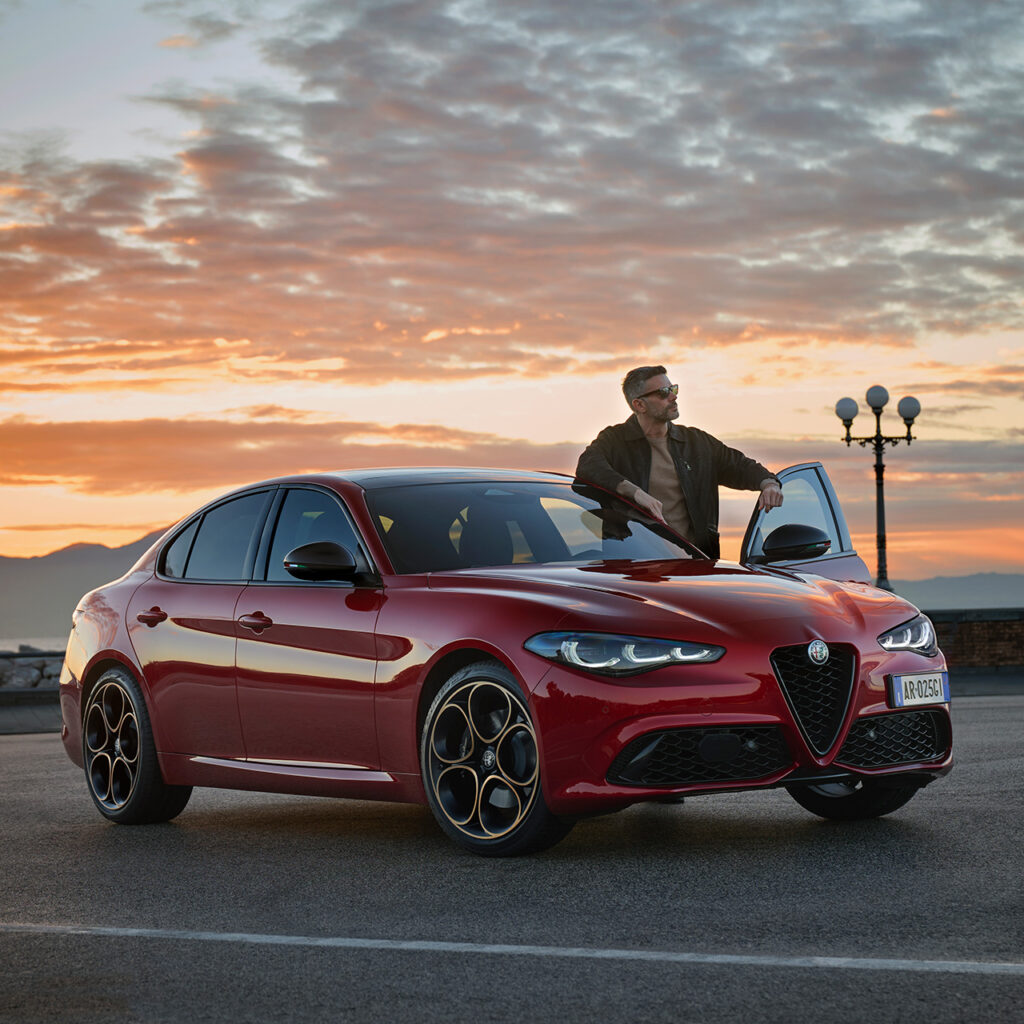
Alfa Romeo Giulia Problems: The Truth Behind the Italian Beauty

Content in this publication
- Why We Still Love the Alfa Romeo Giulia (Even With Its Flaws)
- The Reputation Question: Are Alfa Romeos Really Unreliable?
- Engine Problems: Power With a Price
- Electrical Issues: The Giulia’s Achilles’ Heel
- Infotainment System Problems
- Transmission Issues: Smooth… Until It Isn’t
- Suspension and Ride Quality Concerns
- Brake Problems: High Performance, High Wear
- Interior Quality Issues
- Build Quality and Fit & Finish
- Fuel Economy Concerns
- Maintenance Costs: What Should We Expect?
- Reliability Over Time: Does It Improve?
- Common Warning Lights and What They Mean
- Battery Problems: Small Component, Big Impact
- Software Updates: A Hidden Solution
- Pros and Cons Summary
- Should We Buy One? Honest Verdict
- Closing Thoughts: Passion vs Practicality
- FAQs About Alfa Romeo Giulia Problems
Why We Still Love the Alfa Romeo Giulia (Even With Its Flaws)
Let’s be honest—when we talk about the Alfa Romeo Giulia, we’re not just talking about a car. We’re talking about emotion on four wheels. It’s the kind of machine that makes you glance back after parking, the kind that whispers “drive me harder” on every corner.
But here’s the thing: passion often comes with complications.
And the Giulia? It’s no exception.
In this deep dive, we’ll explore the most common Alfa Romeo Giulia problems—what goes wrong, why it happens, and whether it’s a dealbreaker or just part of the Italian charm.
The Reputation Question: Are Alfa Romeos Really Unreliable?
A Legacy That Still Lingers
For decades, Alfa Romeo has carried a reputation for questionable reliability. Some of it deserved, some of it exaggerated.
The Giulia, launched in 2015, was supposed to change that narrative.
Did It Succeed?
Partially.
- Build quality improved
- Driving dynamics became class-leading
- But… electrical quirks and minor faults still linger
So yes, it’s better—but not perfect.
Engine Problems: Power With a Price
Turbocharged Engines and Their Weak Points
The Giulia typically comes with turbocharged engines—either a 2.0L petrol or diesel variants.
While these engines are generally strong, they’re not flawless.
Common Engine Issues
- Oil leaks from seals and gaskets
- Turbo lag or inconsistent boost
- Carbon buildup in direct injection systems
The Quadrifoglio Exception
The high-performance Giulia Quadrifoglio, powered by a Ferrari-derived V6, is thrilling—but also more demanding.
Typical Quadrifoglio Problems
- Overheating in aggressive driving
- High maintenance costs
- حساس components requiring premium care
It’s like owning a racehorse—fast, beautiful, but not low-maintenance.
Electrical Issues: The Giulia’s Achilles’ Heel
Why Electronics Cause Headaches
Modern cars rely heavily on electronics—and the Giulia sometimes struggles here.
Frequent Electrical Problems
- Infotainment system freezing
- Dashboard warning lights appearing randomly
- Keyless entry glitches
- Battery drain issues
The “Phantom Warning” Phenomenon
One of the most reported issues?
Random warning lights that disappear as quickly as they appear.
It’s like the car is playing mind games with you.
You may be interested in reading Do Toyota Highlanders Have Problems? The Honest Truth About Toyota’s Popular SUV
Infotainment System Problems
Not Quite German-Level Polish
Compared to rivals like BMW or Audi, the Giulia’s infotainment feels… a step behind.
Common Complaints
- Slow response time
- Occasional system crashes
- Navigation glitches
- Connectivity issues with smartphones
Is It a Dealbreaker?
Not really—but it can be frustrating in daily use.
Transmission Issues: Smooth… Until It Isn’t
Automatic Gearbox Behavior
Most Giulias come with an 8-speed automatic transmission.
Generally, it’s excellent—but not always.
Reported Problems
- Jerky shifting at low speeds
- Delayed gear engagement
- Occasional hesitation
Manual Transmission (Rare but Not Perfect)
Manual versions are rare, but some drivers report:
- Clutch wear issues
- Slight notchiness
Suspension and Ride Quality Concerns
Performance vs Comfort Trade-Off
The Giulia is built for driving pleasure. That means firm suspension.
Common Issues
- Premature wear of suspension components
- Noisy bushings
- Harsh ride on rough roads
What Does It Feel Like?
Imagine a sports car wearing a business suit—it looks composed, but underneath, it’s always tense.
Brake Problems: High Performance, High Wear
Why Brakes Wear Quickly
The Giulia’s performance-oriented setup means brakes take a beating.
Typical Brake Issues
- Rapid brake pad wear
- Squeaking noises
- Expensive replacement costs
Quadrifoglio Carbon Ceramic Brakes
These are incredible—but:
- Extremely expensive to replace
- Overkill for daily driving
Interior Quality Issues
The Giulia’s interior is stylish, but not flawless.
Common Complaints
- Loose trim pieces
- Creaking noises over time
- Wear on leather surfaces
Is It Noticeable?
At first, no. But over time, these little things add up.
Build Quality and Fit & Finish
Where Italian Design Meets Reality
The Giulia looks stunning—but sometimes:
- Panel gaps are inconsistent
- Paint quality varies
- Door seals may wear prematurely
It’s like a handcrafted suit—beautiful, but not always perfectly stitched.
Fuel Economy Concerns
Not the Most Efficient Choice
While not terrible, the Giulia isn’t class-leading in fuel efficiency.
Real-World Observations
- Higher consumption in city driving
- Turbo engines demand premium fuel
- Quadrifoglio drinks fuel aggressively
Maintenance Costs: What Should We Expect?
Not Cheap, But Not Extreme
Owning a Giulia isn’t budget-friendly.
Typical Costs
- Oil changes: higher than average
- Brake replacements: frequent
- Parts availability: sometimes limited
Specialist vs General Mechanics
Many repairs require specialists familiar with Alfa Romeo.
You may be interested in readingDo Toyota Highlanders Have Problems? The Honest Truth About Toyota’s Popular SUVYou may be interested in reading
 Kia Seltos Reverse Camera Not Working: Causes, Fixes, and Smart Troubleshooting Tips
Reliability Over Time: Does It Improve?
Early Models vs Newer Versions
Later Giulia models (post-2020) show improvements:
- Better software stability
- Fewer electrical issues
- Improved build quality
Still Not Bulletproof
Even newer models can have quirks—but fewer than before.
Common Warning Lights and What They Mean
The Usual Suspects
Giulia owners often report:
- Check engine light
- Start/stop system unavailable
- Electronic throttle control warning
Should We Worry?
Sometimes yes—but often it’s just a sensor glitch.
Battery Problems: Small Component, Big Impact
Why the Battery Matters More Than You Think
A weak battery can trigger multiple issues.
Symptoms
- Random warning lights
- Infotainment failures
- Starting problems
Simple Fix, Big Difference
Replacing the battery often solves multiple “mystery” problems.
Why Updates Matter
Many Giulia issues are software-related.
Benefits of Updating
- Fixes infotainment bugs
- Improves transmission behavior
- Reduces warning light errors
Pros and Cons Summary
The Good
- Exceptional driving dynamics
- Stunning design
- Engaging performance
The Not-So-Good
- Electrical quirks
- Higher maintenance costs
- Inconsistent build quality
Should We Buy One? Honest Verdict
Here’s the real question: is the Giulia worth it?
Yes, If You:
- Love driving
- Value style and character
- Accept minor quirks
No, If You:
- Want perfect reliability
- Prefer low maintenance
- Hate unexpected issues
Closing Thoughts: Passion vs Practicality
Owning an Alfa Romeo Giulia is like dating someone wildly charismatic—they’re exciting, unforgettable… but occasionally unpredictable.
And maybe that’s the point.
Because sometimes, perfection is boring.
FAQs About Alfa Romeo Giulia Problems
1. Are Alfa Romeo Giulia cars reliable?
They are moderately reliable. Newer models are better, but minor electrical issues can still occur.
2. What is the most common problem with the Giulia?
Electrical issues, especially infotainment glitches and warning lights.
3. Is the Giulia expensive to maintain?
Yes, compared to mainstream cars, but similar to other premium brands.
4. Do all Giulia models have problems?
Not all, but many share similar minor issues depending on the year.
5. Is the Giulia Quadrifoglio reliable?
It’s less reliable than standard models due to its high-performance nature.
You may be interested in readingDo Toyota Highlanders Have Problems? The Honest Truth About Toyota’s Popular SUVYou may be interested in reading
Kia Seltos Reverse Camera Not Working: Causes, Fixes, and Smart Troubleshooting TipsYou may be interested in reading
 Chevrolet Trailblazer Issues: The Problems Owners Should Know Before Buying
If you want to know other articles similar to Alfa Romeo Giulia Problems: The Truth Behind the Italian Beauty you can visit the category Common Problems.
Vauxhall Meriva Gear Change Problems: Causes, Symptoms, and Practical Fixes
Vauxhall Meriva Gearbox Problems: Symptoms, Causes, Repairs, and Costs
Vauxhall Meriva Petrol Cap Won’t Open: Causes, Quick Fixes, and Repairs
Vauxhall Meriva Key Stuck in Ignition: Causes and Fixes
Vauxhall Meriva Heater Not Working: Causes, Checks, and Fixes
Vauxhall Meriva Door Lock Fault: Causes, Diagnosis, and Fixes
Leave a Reply
More content of your interest