
Alfa Romeo Giulia Tyre Pressure: The Complete Owner’s Guide

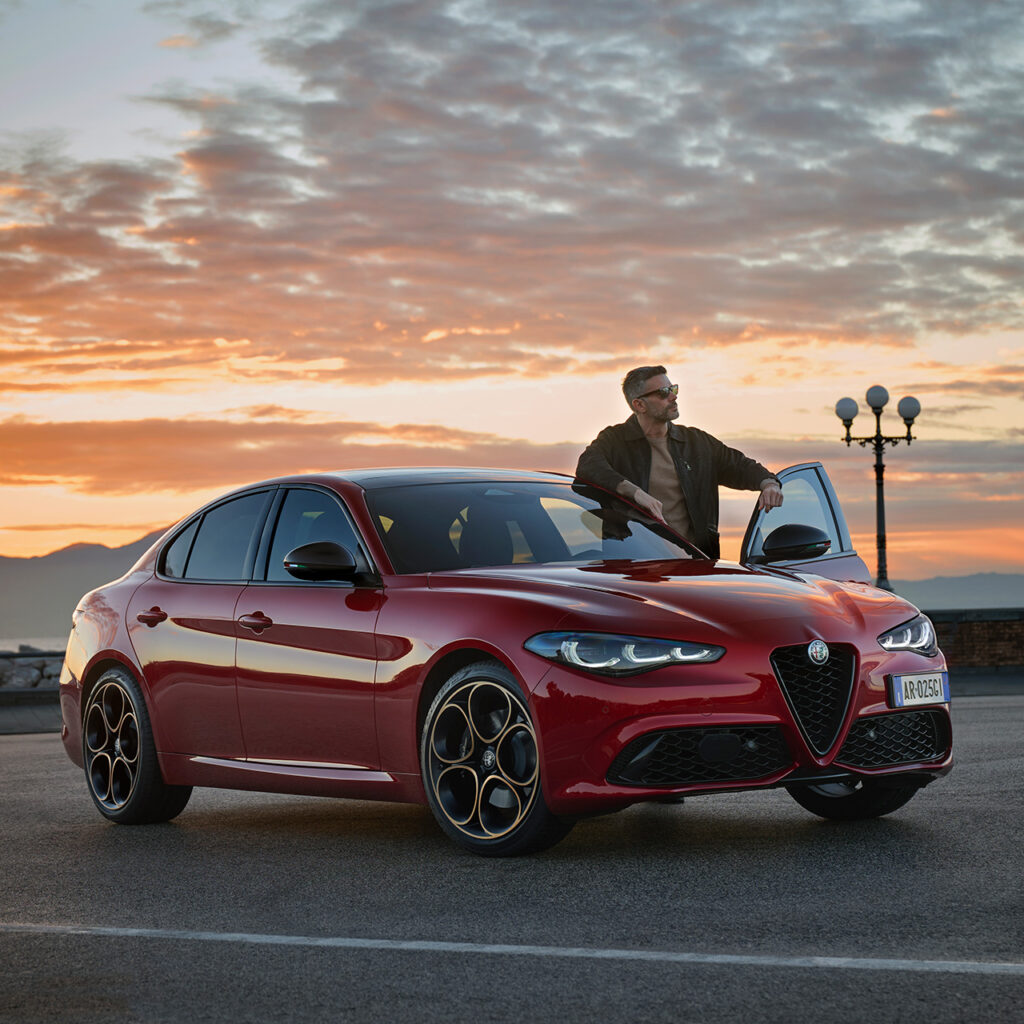
When we talk about driving the Alfa Romeo Giulia, we’re not just talking about getting from point A to point B. We’re talking about precision, emotion, and that unmistakable Italian flair. But here’s the thing—none of that magic works properly if your tyre pressure is off.
Let’s dive deep into everything you need to know about Alfa Romeo Giulia tyre pressure, from exact PSI values to real-world driving tips that most guides completely overlook.
Content in this publication
- Why Tyre Pressure Matters More Than You Think
- Recommended Alfa Romeo Giulia Tyre Pressure
- Where to Find the Exact Tyre Pressure for Your Giulia
- Tyre Pressure by Wheel Size
- Alfa Romeo Giulia Quadrifoglio Tyre Pressure
- Cold vs Hot Tyre Pressure: The Critical Difference
- How Driving Style Affects Tyre Pressure
- Seasonal Adjustments: Summer vs Winter
- Tyre Pressure Monitoring System (TPMS) in the Giulia
- How to Reset Tyre Pressure Light
- Common Tyre Pressure Mistakes We All Make
- How Tyre Pressure Affects Fuel Economy
- Tyre Wear Patterns and What They Tell Us
- Best Practices for Maintaining Tyre Pressure
- Does Load Affect Tyre Pressure?
- Performance vs Comfort: Finding Your Sweet Spot
- Real-World Tips from Giulia Owners
- Closing Thoughts: Small Detail, Big Difference
- FAQs About Alfa Romeo Giulia Tyre Pressure
Why Tyre Pressure Matters More Than You Think
We often overlook tyre pressure because… well, it’s invisible. But think of your tyres as the handshake between your car and the road. Too soft or too stiff, and that handshake becomes awkward.
- Reduced grip in corners
- Longer braking distances
- Uneven tyre wear
- Higher fuel consumption
In a performance-oriented car like the Giulia, even small pressure changes can feel like switching personalities.
Recommended Alfa Romeo Giulia Tyre Pressure
Let’s get straight to the numbers.
Standard Tyre Pressure (Cold Tyres)
For most trims of the Alfa Romeo Giulia:
- Front tyres: 32–36 PSI (2.2–2.5 bar)
- Rear tyres: 32–38 PSI (2.2–2.6 bar)
But—and this is important—these values can vary depending on:
- Engine type
- Wheel size
- Load (passengers + luggage)
- Driving conditions
Where to Find the Exact Tyre Pressure for Your Giulia
The Three Reliable Sources
- Driver’s door jamb sticker
- Owner’s manual
- Fuel filler flap (on some models)
Think of these as your “truth anchors.” Online numbers are helpful, but your car always knows best.
Tyre Pressure by Wheel Size
18-Inch Wheels
- Front: 33 PSI
- Rear: 33 PSI
Balanced and comfortable—perfect for daily driving.
19-Inch Wheels
- Front: 34–35 PSI
- Rear: 35–36 PSI
Sharper handling, slightly firmer ride.
20-Inch Wheels (Performance Setups)
- Front: 35–36 PSI
- Rear: 36–38 PSI
More aggressive, but less forgiving.
Alfa Romeo Giulia Quadrifoglio Tyre Pressure
The beast deserves its own section.
Recommended Settings
For the Alfa Romeo Giulia Quadrifoglio:
- Front: 36 PSI
- Rear: 39 PSI
Why higher? Because this car pushes harder—more speed, more heat, more demand.
You may be interested in reading Alfa Romeo Giulia Oil Level: The Complete Guide to Engine Health and Longevity
Cold vs Hot Tyre Pressure: The Critical Difference
Here’s a mistake many drivers make.
Cold Tyres = Accurate Readings
Always measure tyre pressure when:
- The car hasn’t been driven for at least 2–3 hours
- Or after less than 2 km of driving
Hot Tyres Inflate Numbers
Driving increases pressure by 3–5 PSI. So if you check after a drive, you’re reading inflated values—literally.
How Driving Style Affects Tyre Pressure
City Driving
- Stick to manufacturer recommendations
- Comfort > performance
Highway Driving
- Slightly higher pressure improves fuel efficiency
- Reduces rolling resistance
Sport Driving
- Lower pressure = more grip
- But too low = overheating risk
It’s a balancing act—like tuning a guitar string. Too tight or too loose, and the harmony disappears.
Seasonal Adjustments: Summer vs Winter
Cold Weather Drops Pressure
For every 10°C drop, tyre pressure can decrease by about 1–2 PSI.
What We Should Do
- Check pressure more frequently in winter
- Inflate slightly above minimum recommendations
Tyre Pressure Monitoring System (TPMS) in the Giulia
Modern Giulias come equipped with TPMS.
What It Does
- Alerts you when pressure drops
- Displays warnings on the dashboard
But here’s the catch:
It doesn’t always show exact pressure—just warnings.
How to Reset Tyre Pressure Light
After adjusting pressure:
- Turn ignition ON
- Navigate infotainment system
- Select “Tyre Pressure Reset”
- Confirm reset
Drive for a few minutes—the system recalibrates automatically.
Common Tyre Pressure Mistakes We All Make
Let’s be honest—we’ve all done at least one of these.
Top Errors
- Ignoring slow leaks
- Overinflating for “better MPG”
- Checking pressure only when warning appears
- Forgetting spare tyre
How Tyre Pressure Affects Fuel Economy
This one hits your wallet.
Underinflated Tyres
- Increase rolling resistance
- Can reduce MPG by up to 5%
Properly Inflated Tyres
- Improve efficiency
- Reduce engine strain
It’s like running with heavy shoes—you’ll burn more energy for the same distance.
Tyre Wear Patterns and What They Tell Us
Your tyres speak—you just need to listen.
Center Wear
- Overinflation
Edge Wear
- Underinflation
Uneven Wear
- Alignment issues
Think of tyres as storytellers. Every pattern is a clue.
You may be interested in readingAlfa Romeo Giulia Oil Level: The Complete Guide to Engine Health and LongevityYou may be interested in reading
Alfa Romeo Giulia Check Engine Light: Causes, Fixes, and What It Really MeansBest Practices for Maintaining Tyre Pressure
Simple Routine That Works
- Check pressure every 2–4 weeks
- Use a digital gauge (more accurate)
- Check before long trips
- Inspect visually for damage
Does Load Affect Tyre Pressure?
Absolutely.
Heavy Load = Higher Pressure Needed
When carrying:
- Passengers
- Luggage
- Cargo
Increase pressure by 2–4 PSI as recommended in your manual.
Performance vs Comfort: Finding Your Sweet Spot
Here’s where things get personal.
Higher Pressure
- Better fuel economy
- Sharper steering
- Harsher ride
Lower Pressure
- Better grip
- Softer ride
- More tyre wear
It’s like choosing between espresso and cappuccino—both good, just different vibes.
Real-World Tips from Giulia Owners
From forums and real drivers:
- “Check pressure monthly—it changes more than you think.”
- “TPMS is helpful, but don’t rely on it alone.”
- “19-inch wheels feel amazing, but pressure matters more.”
Closing Thoughts: Small Detail, Big Difference
Tyre pressure might seem like a minor detail, but in a car like the Alfa Romeo Giulia, it’s everything.
It’s the difference between:
- Smooth vs rough
- Efficient vs wasteful
- Safe vs risky
When we dial in the right pressure, the Giulia transforms. It becomes sharper, more responsive—almost like it’s thanking us.
So next time you walk up to your car, ask yourself:
“Are my tyres truly ready for the drive?”
FAQs About Alfa Romeo Giulia Tyre Pressure
1. What is the ideal tyre pressure for Alfa Romeo Giulia?
Typically between 32–36 PSI front and 32–38 PSI rear, depending on configuration.
2. Can I drive with low tyre pressure?
You can—but you shouldn’t. It reduces safety, fuel efficiency, and tyre lifespan.
3. How often should I check tyre pressure?
Every 2–4 weeks or before long trips.
4. Does tyre pressure affect handling?
Yes—significantly. Incorrect pressure can make the car feel unstable or sluggish.
You may be interested in readingAlfa Romeo Giulia Oil Level: The Complete Guide to Engine Health and LongevityYou may be interested in reading
Alfa Romeo Giulia Check Engine Light: Causes, Fixes, and What It Really MeansYou may be interested in reading
Alfa Romeo Giulia Battery Replacement: Complete Guide for Owners5. What happens if tyres are overinflated?
Reduced grip, harsher ride, and increased center tyre wear.
If you want to know other articles similar to Alfa Romeo Giulia Tyre Pressure: The Complete Owner’s Guide you can visit the category Service and Parts.
Vauxhall Meriva Fault Codes: Meanings, Causes, and Fixes
Vauxhall Meriva Door With Key Symbol: Meaning, Causes, and Fixes
Vauxhall Meriva Code 59 and 60: Causes, Reset Steps, and Solutions
Vauxhall Meriva Immobiliser Reset: Complete Troubleshooting Guide
Vauxhall Meriva Tyre Pressure Reset: Complete TPMS Guide
Vauxhall Meriva Engine Size: Complete Petrol and Diesel Guide
Leave a Reply
More content of your interest