
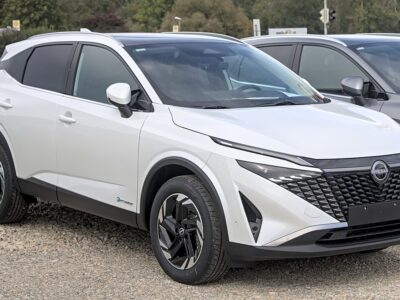
Chevrolet Trailblazer Fuel Type: Everything We Need to Know Before Filling the Tank

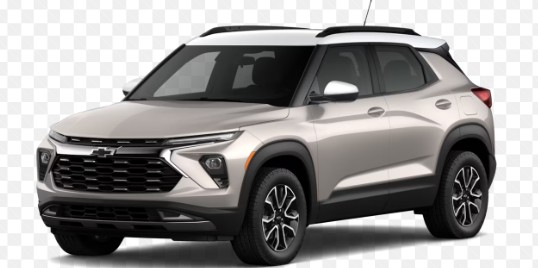
When we talk about the Chevrolet Trailblazer, one question keeps popping up like a dashboard warning light on a cold morning: what fuel type does the Chevrolet Trailblazer use? It sounds simple, but the answer actually depends on the model year, engine option, and even the country where the SUV is sold.
Some drivers assume every Trailblazer runs on regular gasoline. Others believe newer turbocharged engines require premium fuel. Then there are diesel variants in certain markets, adding another layer to the puzzle. It’s like opening a toolbox and realizing there’s more than one wrench for the job.
In this detailed guide, we’ll break down everything about Chevrolet Trailblazer fuel types, including gasoline recommendations, diesel variants, ethanol compatibility, fuel economy, octane ratings, and tips to maximize efficiency. Whether we own a Trailblazer already or plan to buy one, understanding the right fuel is the difference between smooth cruising and unnecessary headaches.
Content in this publication
- Understanding the Chevrolet Trailblazer Lineup
- What Fuel Type Does the Chevrolet Trailblazer Use?
- Fuel Type by Engine Option
- Does the Chevrolet Trailblazer Require Premium Gas?
- Can Premium Gas Improve Performance?
- Chevrolet Trailblazer Diesel Variants
- Gasoline vs Diesel Trailblazer Models
- What Happens If We Use the Wrong Fuel?
- Does Ethanol Affect the Chevrolet Trailblazer?
- Can the Chevrolet Trailblazer Use Flex Fuel?
- Fuel Economy of the Chevrolet Trailblazer
- Why Turbo Engines Improve Fuel Efficiency
- Does Fuel Quality Matter in the Trailblazer?
- Fuel Tank Capacity of the Chevrolet Trailblazer
- Estimated Driving Range
- How to Improve Chevrolet Trailblazer Fuel Efficiency
- How Fuel Type Impacts Engine Longevity
- Trailblazer Fuel Type and Cold Weather Driving
- Common Myths About Chevrolet Trailblazer Fuel
- Should We Use Fuel Additives?
- Trailblazer Fuel Type by Region
- Is the Chevrolet Trailblazer Expensive to Fuel?
- Who Should Choose the Chevrolet Trailblazer?
- Closing Thoughts on Chevrolet Trailblazer Fuel Type
- FAQs
Understanding the Chevrolet Trailblazer Lineup
Before discussing fuel, we need to understand that the Trailblazer has existed in different forms over the years.
The Older Trailblazer Models
The original Trailblazer, sold mainly in the early 2000s, was a larger midsize SUV with powerful engines like:
- 4.2L inline-six
- 5.3L V8
- 6.0L V8 in performance versions
These SUVs were thirsty machines. They drank gasoline like an athlete chugging water after a marathon.
The Modern Trailblazer
The newer Trailblazer is completely different.
Today’s model is a compact crossover SUV designed for:
- Better fuel economy
- Urban driving
- Lower emissions
- Affordable ownership
Modern versions usually come with smaller turbocharged gasoline engines, making fuel efficiency a major selling point.
What Fuel Type Does the Chevrolet Trailblazer Use?
Most Chevrolet Trailblazer models use:
Regular Unleaded Gasoline
For the majority of recent models, Chevrolet recommends:
- 87-octane regular unleaded gasoline
That’s good news for our wallets because regular fuel costs less than premium in most markets.
However, things become slightly more nuanced depending on the engine.
Fuel Type by Engine Option
1.2L Turbocharged Engine
Many Trailblazer trims feature a 1.2L turbocharged three-cylinder engine.
Recommended Fuel
- Regular unleaded gasoline (87 octane)
Can Premium Fuel Be Used?
Yes, but it’s usually unnecessary.
Premium may slightly improve responsiveness in some driving conditions, but most drivers won’t notice enough difference to justify the extra cost.
1.3L Turbocharged Engine
The 1.3L turbo engine is one of the most popular Trailblazer powertrains.
Recommended Fuel
- 87-octane regular gasoline
Chevrolet engineered this engine to balance performance and efficiency without demanding premium fuel.
That’s one reason many people choose the Trailblazer over rivals requiring expensive fuel.
Older V6 and V8 Trailblazers
Earlier Trailblazer generations also used regular unleaded gasoline.
Even the larger engines generally ran fine on:
- 87 octane
However, some owners preferred mid-grade or premium fuel for towing or heavy loads.
Short Answer: No
Most Trailblazer models do not require premium gasoline.
That’s important because some turbocharged vehicles absolutely demand higher octane fuel. The Trailblazer, fortunately, was built with practicality in mind.
Why People Get Confused
Turbocharged engines often create confusion.
Drivers hear words like:
- Turbo
- Boost
- Direct injection
…and immediately assume premium fuel is mandatory.
But Chevrolet tuned the Trailblazer engines to perform efficiently on regular gasoline.
It’s like training a runner to thrive on ordinary meals instead of gourmet energy shakes.
Sometimes, Slightly
Using premium gasoline in a Trailblazer may offer:
- Marginally smoother acceleration
- Slightly better throttle response
- Reduced engine knock in hot climates
But the gains are generally minor.
For most daily drivers, premium fuel feels like buying designer sneakers to walk to the grocery store.
Chevrolet Trailblazer Diesel Variants
Here’s where things get interesting.
In some global markets, Chevrolet has offered diesel-powered Trailblazer models.
Diesel Engines in International Markets
Certain countries received Trailblazers with engines such as:
- 2.5L turbo diesel
- 2.8L Duramax diesel
These versions use:
- Ultra-low sulfur diesel fuel
Diesel Trailblazers are especially popular in regions where:
- Fuel prices are high
- Long-distance driving is common
- Towing is important
Gasoline vs Diesel Trailblazer Models
Gasoline Models
Advantages include:
- Quieter operation
- Lower maintenance costs
- Better city driving refinement
- Easier cold starts
Diesel Models
Advantages include:
- Better torque
- Strong towing capability
- Superior highway fuel economy
- Longer engine lifespan in many cases
Choosing between them is like picking between a sprinter and a marathon runner. One reacts quickly in the city, while the other thrives over long distances.
What Happens If We Use the Wrong Fuel?
Fuel mistakes happen more often than people admit.
This usually causes no harm.
The downside is simply spending more money.
Putting Diesel in a Gasoline Trailblazer
This is a serious issue.
Symptoms may include:
- Engine failing to start
- Rough running
- Fuel system damage
If diesel is accidentally added to a gasoline model:
- Do not start the vehicle
- Contact roadside assistance
- Drain the tank professionally
Putting Gasoline in a Diesel Trailblazer
This can also damage:
- Injectors
- Fuel pumps
- Diesel emissions systems
Modern diesel engines are extremely sensitive to contamination.
Does Ethanol Affect the Chevrolet Trailblazer?
Many gasoline blends contain ethanol.
Trailblazer Ethanol Compatibility
Most modern Trailblazer models support:
- E10 gasoline
This means fuel can contain up to 10% ethanol.
Some markets also support:
- E15
However, owners should always verify compatibility in the owner’s manual.
Can the Chevrolet Trailblazer Use Flex Fuel?
Older GM vehicles sometimes supported:
- E85 flex fuel
But most modern Trailblazer models are not flex-fuel vehicles.
That means we should avoid high-ethanol blends unless specifically approved.
Fuel Economy of the Chevrolet Trailblazer
Fuel type matters because efficiency matters.
One of the Trailblazer’s biggest strengths is fuel economy.
Typical MPG Figures
Modern gasoline Trailblazers often achieve approximately:
| Engine | Estimated MPG |
|---|---|
| 1.2L Turbo | 28–31 MPG combined |
| 1.3L Turbo FWD | 29–33 MPG combined |
| 1.3L Turbo AWD | 26–30 MPG combined |
Actual results depend on:
- Driving habits
- Climate
- Tire pressure
- Fuel quality
- Cargo weight
Why Turbo Engines Improve Fuel Efficiency
Smaller turbo engines are clever.
Instead of relying on large displacement, they use compressed air to create more power.
Think of it like a cyclist using gears intelligently instead of pedaling harder all the time.
Benefits Include
- Better fuel economy
- Lower emissions
- Strong low-end torque
- Lighter engine weight
Does Fuel Quality Matter in the Trailblazer?
Absolutely.
Even if premium isn’t required, fuel quality still matters.
Low-Quality Fuel Can Cause
- Carbon buildup
- Reduced efficiency
- Engine hesitation
- Rough idling
Choosing Better Gas Stations
We should look for:
- Reputable fuel brands
- Top Tier gasoline certification
- Busy stations with fresh fuel turnover
Fresh, clean gasoline keeps the engine happier over time.
Fuel Tank Capacity of the Chevrolet Trailblazer
The fuel tank size varies slightly depending on model year and drivetrain.
Average Fuel Tank Size
Most modern Trailblazers feature:
- Around 13.2 to 13.5 gallons
That provides a practical driving range for daily commuting and road trips.
Estimated Driving Range
Front-Wheel Drive Models
Approximate range:
- 400+ miles per tank
All-Wheel Drive Models
Approximate range:
- 350–390 miles
That’s enough for long weekend adventures without constantly hunting for gas stations.
How to Improve Chevrolet Trailblazer Fuel Efficiency
Even the correct fuel type won’t help much if our driving habits sabotage efficiency.
1. Avoid Aggressive Acceleration
Turbo engines respond quickly, but flooring the pedal burns fuel fast.
Smooth acceleration saves money.
2. Maintain Proper Tire Pressure
Underinflated tires create rolling resistance.
That’s like trying to jog through wet sand.
3. Use Recommended Motor Oil
Wrong oil viscosity increases engine friction.
Follow Chevrolet’s recommendations carefully.
4. Reduce Excess Weight
Extra cargo hurts fuel economy.
Unused gym bags, tools, and random trunk clutter all add up.
5. Keep Up With Maintenance
Dirty air filters and neglected spark plugs reduce efficiency.
Routine service keeps the Trailblazer running smoothly.
How Fuel Type Impacts Engine Longevity
Using the recommended fuel helps protect:
- Fuel injectors
- Turbochargers
- Combustion chambers
- Emissions systems
Modern engines are more sophisticated than older ones. They behave more like precision instruments than simple mechanical machines.
Cheap fuel shortcuts can become expensive repairs later.
Trailblazer Fuel Type and Cold Weather Driving
Cold temperatures affect fuel efficiency.
What Happens in Winter
- Fuel economy drops
- Engines take longer to warm up
- Tire pressure decreases
Turbocharged engines can also feel slightly different in freezing conditions.
Using quality gasoline becomes even more important during winter months.
Common Myths About Chevrolet Trailblazer Fuel
False.
The Trailblazer’s turbo engines are engineered for regular fuel.
Partially true, but modern regular gasoline already contains detergents.
Top Tier fuel matters more than octane alone.
“Higher Octane Means More Power”
Not necessarily.
Octane only prevents premature combustion. Engines designed for regular fuel often gain little from premium.
Should We Use Fuel Additives?
Usually, no.
Modern gasoline already includes additives.
When Additives Might Help
- Long-term fuel storage
- Injector cleaning
- Carbon buildup issues
But excessive additive use can sometimes create problems instead of solving them.
Trailblazer Fuel Type by Region
Fuel recommendations may vary slightly depending on market availability.
United States and Canada
- Regular unleaded gasoline
- 87 octane
Australia and Asia
Some versions may recommend:
- 91 RON fuel
Diesel Markets
- Ultra-low sulfur diesel
Always check the fuel cap and owner’s manual for region-specific requirements.
Is the Chevrolet Trailblazer Expensive to Fuel?
Compared to many SUVs, the Trailblazer is relatively affordable to run.
Why It’s Efficient
- Lightweight platform
- Small turbo engines
- Aerodynamic shape
- Modern transmission tuning
It strikes a balance between practicality and economy like a multitool that fits neatly in our pocket but still handles real work.
Who Should Choose the Chevrolet Trailblazer?
The Trailblazer suits drivers who want:
- Good fuel economy
- Compact SUV practicality
- Affordable running costs
- Modern technology
- Comfortable commuting
It’s especially appealing for younger drivers and small families.
Closing Thoughts on Chevrolet Trailblazer Fuel Type
The Chevrolet Trailblazer keeps things refreshingly simple in a world where automotive technology often feels unnecessarily complicated. Most models run perfectly on regular 87-octane gasoline, meaning we don’t need to empty our wallets every time we stop at the pump.
Whether we’re driving the modern turbocharged crossover or an older SUV version, understanding the proper fuel type helps maximize efficiency, performance, and engine longevity. Premium gasoline usually isn’t necessary, diesel variants exist only in select markets, and maintaining good fueling habits can dramatically improve ownership satisfaction.
At the end of the day, the Trailblazer isn’t trying to be a high-maintenance luxury machine. It’s designed to be practical, versatile, and efficient — like a dependable hiking backpack that quietly carries everything we need without demanding attention every five minutes.
FAQs
What fuel type does the Chevrolet Trailblazer use?
Most Chevrolet Trailblazer models use regular unleaded gasoline with an 87-octane rating.
No, premium fuel is generally not required for modern Trailblazer models.
Are there diesel Chevrolet Trailblazer models?
Yes, certain international markets offer diesel-powered Trailblazer variants.
Can I use E15 fuel in a Chevrolet Trailblazer?
Some newer models may support E15 fuel, but owners should verify this in the vehicle manual.
Premium fuel may provide slightly smoother performance in some conditions, but the improvement is usually minimal.
If you want to know other articles similar to Chevrolet Trailblazer Fuel Type: Everything We Need to Know Before Filling the Tank you can visit the category Service and Parts.
Nissan Qashqai Fuel Tank Capacity: Complete Guide

Suzuki Swift Fuel Tank Capacity: Complete Guide
Mazda CX-5 Weight (2013–2026): Complete Guide in Pounds and KG
Kia Sportage Dashboard Symbols and Warning Lights

MINI Cooper Weight (2002–2027): Complete Weight Chart & Guide
Toyota RAV4 Engine Sizes: Complete Guide (1994–2026)
Leave a Reply
More content of your interest