
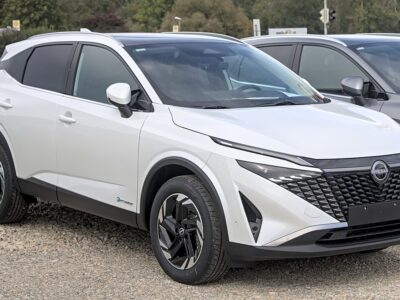
Chevrolet Trailblazer Engine Size: Everything We Need to Know

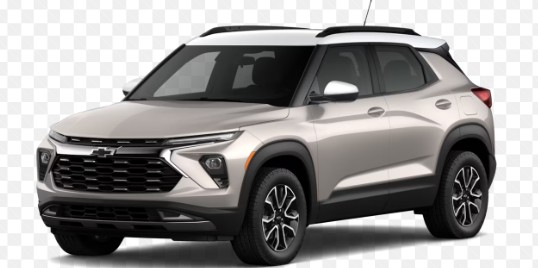
The Chevrolet Trailblazer has quietly become one of those SUVs that punches above its weight. It looks compact from the outside, yet it carries the personality of a much larger machine. And when people begin researching it, one question pops up repeatedly: What is the Chevrolet Trailblazer engine size?
At first glance, that sounds like a simple specification. But engine size tells us much more than liters and cylinders. It shapes fuel economy, driving feel, towing ability, maintenance costs, reliability, and even the personality of the vehicle itself.
Some drivers want a small engine that sips fuel like a careful espresso drinker. Others crave stronger acceleration and highway confidence. The Trailblazer attempts to balance both worlds.
In this detailed guide, we will explore every angle of the Chevrolet Trailblazer engine size—from available engines and performance characteristics to real-world driving impressions, reliability, fuel efficiency, and which engine may fit your lifestyle best.
Content in this publication
- Understanding Chevrolet Trailblazer Engine Size
- What Engine Sizes Are Available in the Chevrolet Trailblazer?
- Why Chevrolet Uses Small Engines in the Trailblazer
- How Turbocharging Changes Everything
- The 1.2L Engine: Who Is It Best For?
- The 1.3L Engine: The Sweet Spot?
- Chevrolet Trailblazer Engine Performance in Real Life
- Is the Chevrolet Trailblazer Engine Reliable?
- Chevrolet Trailblazer Engine Size vs Competitors
- Why Engine Size Alone Doesn’t Tell the Full Story
- Chevrolet Trailblazer Towing Capability
- How Engine Size Affects Insurance Costs
- Does the Chevrolet Trailblazer Feel Underpowered?
- Engine Sound and Driving Character
- Transmission Pairings With the Trailblazer Engines
- Best Chevrolet Trailblazer Engine for Daily Driving
- Fuel Economy and Engine Size Relationship
- Chevrolet Trailblazer Engine Size Through Different Generations
- Should We Worry About Small Turbo Engines Long-Term?
- Which Chevrolet Trailblazer Engine Should You Choose?
- Final Thoughts on Chevrolet Trailblazer Engine Size
- FAQs
Understanding Chevrolet Trailblazer Engine Size
Before diving into specific numbers, let’s clarify what “engine size” actually means.
Engine size refers to the total volume of all cylinders inside the engine. It’s usually measured in liters (L). In simple terms:
- Larger engines generally produce more power
- Smaller engines usually improve fuel economy
- Turbocharging can make small engines feel surprisingly strong
The modern Chevrolet Trailblazer uses compact turbocharged engines rather than large naturally aspirated motors. That shift reflects how modern SUVs are evolving.
Years ago, SUVs relied on bulky V6 or V8 engines. Today, manufacturers chase efficiency without sacrificing usable performance.
The Trailblazer embraces that philosophy fully.
What Engine Sizes Are Available in the Chevrolet Trailblazer?
Depending on the trim and model year, the Chevrolet Trailblazer typically comes with two main engine options:
1.2L Turbocharged Inline-3 Engine
This smaller engine is commonly found in lower trims.
Key specifications usually include:
- 1.2-liter displacement
- 3 cylinders
- Turbocharged
- Around 137 horsepower
- Approximately 162 lb-ft of torque
This engine focuses heavily on efficiency and urban driving comfort.
1.3L Turbocharged Inline-3 Engine
The upgraded engine option is the more popular choice among many buyers.
Typical specs include:
- 1.3-liter displacement
- 3 cylinders
- Turbocharged
- Around 155 horsepower
- Roughly 174 lb-ft of torque
It may sound tiny on paper, but the turbocharger changes the story dramatically.
Why Chevrolet Uses Small Engines in the Trailblazer
Some people hear “1.2-liter” and instantly panic.
We get it.
A generation ago, an SUV with such a small engine would feel painfully underpowered. But modern turbo technology rewrites the rules.
Chevrolet designed the Trailblazer for:
- Better fuel economy
- Lower emissions
- Reduced vehicle weight
- Improved city maneuverability
- Competitive operating costs
Think of it like a lightweight boxer versus a heavyweight bodybuilder. The lightweight fighter moves quicker, wastes less energy, and still delivers a sharp punch.
That’s essentially what the Trailblazer’s engines attempt to do.
How Turbocharging Changes Everything
Turbocharging is the secret sauce behind the Trailblazer’s compact engine sizes.
A turbocharger forces extra air into the engine, helping it produce more power from less displacement.
Without turbocharging, a 1.2L engine in an SUV might feel sluggish. With turbocharging, the Trailblazer feels much more energetic than the numbers suggest.
Benefits include:
- Faster acceleration
- Better low-end torque
- Improved highway merging
- Stronger uphill performance
- Greater efficiency
Turbo engines are like athletes breathing through oxygen tanks—they can work harder without dramatically increasing size.
The 1.2L Engine: Who Is It Best For?
Perfect for City Drivers
The smaller 1.2L engine suits drivers who mainly:
- Commute in urban areas
- Prioritize fuel savings
- Drive shorter distances
- Rarely tow cargo
- Prefer lower purchase prices
In stop-and-go traffic, the lightweight setup actually feels agile.
Fuel Economy Advantages
One major strength of the 1.2L engine is efficiency.
Depending on drivetrain and model year, fuel economy often lands around:
- 29 mpg city
- 31 mpg highway
Those are impressive numbers for a crossover SUV.
For young drivers, students, or families trying to control fuel costs, that matters enormously.
Potential Drawbacks of the 1.2L Engine
No engine is perfect.
The smaller Trailblazer engine may struggle slightly when:
- Fully loaded with passengers
- Driving steep mountain roads
- Accelerating aggressively
- Carrying heavy cargo
It’s competent—but not particularly exciting.
Think of it as a reliable jogger rather than a sprinter.
The 1.3L Engine: The Sweet Spot?
Many buyers consider the 1.3L turbo engine the ideal Trailblazer setup.
Why?
Because it adds noticeable power without sacrificing too much efficiency.
Better Highway Confidence
The extra horsepower and torque help significantly during:
- Highway merging
- Overtaking slower vehicles
- Long-distance road trips
- Climbing hills
The difference may not sound dramatic numerically, but behind the wheel, it feels meaningful.
Available All-Wheel Drive
The 1.3L engine is commonly paired with all-wheel drive (AWD).
That makes it attractive for:
- Rainy climates
- Light snow conditions
- Gravel roads
- Occasional outdoor adventures
The AWD combination gives the Trailblazer a more confident personality.
Still Efficient Despite More Power
Even with stronger performance, fuel economy remains respectable.
Typical estimates include:
- Around 26–29 mpg city
- Approximately 30–33 mpg highway
That balance explains why many drivers lean toward the 1.3L engine.
Chevrolet Trailblazer Engine Performance in Real Life
Numbers tell one story.
Real-world driving tells another.
Interestingly, many reviewers say the Trailblazer feels livelier than expected.
City Driving Experience
In urban environments, the turbocharged torque arrives early, helping the SUV move smoothly from traffic lights.
The steering feels light and manageable, while the compact engine contributes to nimble handling.
It doesn’t feel heavy or sluggish.
Highway Driving Experience
At highway speeds, the 1.3L engine especially shines.
Drivers often report:
- Comfortable cruising
- Decent passing power
- Stable handling
- Quiet cabin behavior
The smaller 1.2L engine can still manage highways, though it sometimes works harder under pressure.
Is the Chevrolet Trailblazer Engine Reliable?
Reliability is one of the biggest concerns surrounding small turbocharged engines.
And honestly, it’s a fair question.
Turbo engines operate under higher stress than naturally aspirated engines.
However, modern engineering has improved dramatically.
Common Reliability Strengths
Many Trailblazer owners report positive experiences with:
- Smooth daily operation
- Good fuel efficiency
- Minimal major engine failures
- Reasonable maintenance costs
Routine maintenance plays a massive role here.
Potential Concerns to Watch
Some drivers have reported issues involving:
- Turbocharger components
- Electrical sensors
- Transmission behavior
- Cold-weather startup quirks
Not every vehicle experiences these problems, but awareness helps.
Maintenance Matters More With Turbo Engines
Turbocharged engines demand consistent care.
That means:
Regular Oil Changes
Turbo systems rely heavily on clean oil.
Skipping oil changes can shorten turbo life dramatically.
Using the Correct Fuel
Some owners prefer premium fuel for smoother performance, though many Trailblazer engines are designed for regular gasoline.
Always verify manufacturer recommendations.
Warm-Up Habits Help
Aggressive driving immediately after startup can stress turbo components.
Gentle driving during warm-up periods is smart practice.
Chevrolet Trailblazer Engine Size vs Competitors
The Trailblazer competes against many small SUVs.
How does its engine size compare?
| Vehicle | Base Engine |
|---|---|
| Chevrolet Trailblazer | 1.2L Turbo |
| Honda HR-V | 2.0L |
| Hyundai Kona | 2.0L |
| Kia Seltos | 2.0L |
| Nissan Kicks | 1.6L |
At first glance, the Trailblazer’s engines appear much smaller.
But turbocharging helps close the performance gap.
Why Engine Size Alone Doesn’t Tell the Full Story
This is where many buyers get trapped.
They assume larger engines automatically mean better vehicles.
That’s no longer true.
Modern engineering focuses on:
- Torque delivery
- Turbo efficiency
- Weight reduction
- Transmission tuning
- Aerodynamics
A well-designed 1.3L turbo can outperform older 2.0L engines in certain situations.
It’s similar to comparing modern smartphones with old desktop computers. Bigger doesn’t always mean smarter.
Chevrolet Trailblazer Towing Capability
Engine size affects towing.
The Trailblazer isn’t a heavy-duty towing machine, but it handles small loads reasonably well.
Typical towing capacity reaches around:
- 1,000 pounds
That works for:
- Small trailers
- Lightweight camping gear
- Bikes
- Compact utility loads
But if towing is a major priority, larger SUVs may suit you better.
How Engine Size Affects Insurance Costs
Smaller engines can sometimes reduce insurance expenses.
Why?
Because insurers often associate smaller engines with:
- Lower speeds
- Reduced accident severity
- More economical driving habits
However, turbocharged engines can complicate that equation slightly.
Still, the Trailblazer generally falls into affordable ownership territory.
Does the Chevrolet Trailblazer Feel Underpowered?
This depends heavily on expectations.
If You Previously Drove:
- A V6 SUV
- A pickup truck
- A performance crossover
…then yes, the Trailblazer may feel modest.
If You Want:
- Efficient commuting
- Comfortable city driving
- Practical daily transportation
…then the Trailblazer feels perfectly adequate.
The 1.3L engine especially provides enough confidence for most drivers.
Engine Sound and Driving Character
Three-cylinder engines have unique personalities.
The Trailblazer’s engine note sounds slightly different from traditional four-cylinder SUVs.
Some people describe it as:
- Growly
- Distinctive
- Slightly sporty
Others simply notice mild vibration at idle.
Chevrolet worked hard to refine cabin comfort, and most drivers adapt quickly.
Transmission Pairings With the Trailblazer Engines
Engine size is only part of the equation.
Transmission tuning dramatically shapes driving feel.
1.2L Engine Transmission
Typically paired with:
- Continuously Variable Transmission (CVT)
The CVT prioritizes efficiency and smoothness.
1.3L Engine Transmission
Often paired with:
- 9-speed automatic transmission
This setup feels more traditional and responsive.
Many drivers prefer it for highway driving.
Best Chevrolet Trailblazer Engine for Daily Driving
If we had to choose the best all-around option, the 1.3L turbo likely wins.
Why?
Because it balances:
- Power
- Efficiency
- Highway comfort
- AWD availability
- Long-term flexibility
The 1.2L engine still makes sense for highly budget-conscious buyers, though.
Fuel Economy and Engine Size Relationship
Smaller engines usually consume less fuel.
But driving habits matter enormously.
Aggressive acceleration can make a small turbo engine consume fuel surprisingly quickly.
To maximize efficiency:
- Accelerate smoothly
- Maintain steady highway speeds
- Keep tires properly inflated
- Avoid unnecessary cargo weight
Driving style often matters more than engine size alone.
Chevrolet Trailblazer Engine Size Through Different Generations
The Trailblazer name has existed in different eras.
Older Trailblazer models were dramatically different.
Older Trailblazer Engines
Past generations used:
- 4.2L inline-6 engines
- 5.3L V8 engines
Those SUVs prioritized towing and ruggedness.
Fuel economy? Not exactly their strong suit.
Modern Trailblazer Philosophy
Today’s Trailblazer embraces:
- Urban practicality
- Fuel efficiency
- Compact dimensions
- Lightweight engineering
It reflects how consumer preferences have evolved.
Should We Worry About Small Turbo Engines Long-Term?
This question comes up constantly.
The honest answer?
Modern small turbo engines can last a long time if properly maintained.
However:
- Oil quality matters
- Maintenance intervals matter
- Cooling systems matter
Neglect hurts turbo engines faster than traditional larger engines.
Treat the Trailblazer well, and it can reward you with dependable service.
Which Chevrolet Trailblazer Engine Should You Choose?
Let’s simplify the decision.
Choose the 1.2L Turbo If You:
- Mainly drive in the city
- Want maximum efficiency
- Prefer lower costs
- Rarely carry heavy loads
Choose the 1.3L Turbo If You:
- Drive highways regularly
- Want stronger acceleration
- Prefer AWD
- Travel with passengers frequently
- Want a more versatile setup
For many buyers, the 1.3L engine feels like the safer long-term choice.
Final Thoughts on Chevrolet Trailblazer Engine Size
The Chevrolet Trailblazer proves that modern SUVs no longer need massive engines to feel capable.
Its compact turbocharged engines represent a new generation of automotive thinking—lighter, smarter, and more efficient.
Sure, some drivers may miss the roar of older V6-powered SUVs. But for everyday life, the Trailblazer’s engines often deliver exactly what most people truly need.
The 1.2L engine emphasizes affordability and efficiency.
The 1.3L engine adds confidence and versatility.
Neither engine tries to turn the Trailblazer into a race car. Instead, they focus on practicality, balance, and modern usability.
And honestly? That’s probably why the Trailblazer continues attracting attention in an increasingly crowded SUV market.
FAQs
What is the engine size of the Chevrolet Trailblazer?
The modern Chevrolet Trailblazer typically comes with either a 1.2L turbocharged 3-cylinder engine or a 1.3L turbocharged 3-cylinder engine.
Is the Chevrolet Trailblazer engine powerful enough?
Yes, especially the 1.3L turbo engine. It provides solid acceleration and comfortable highway performance for daily driving.
Does the Chevrolet Trailblazer have a V6 engine?
Current Trailblazer models do not offer a V6 engine. Older generations previously used larger inline-6 and V8 engines.
Which Trailblazer engine is better: 1.2L or 1.3L?
The 1.3L engine is generally considered better for versatility, highway driving, and all-wheel-drive capability.
Are Chevrolet Trailblazer turbo engines reliable?
They can be reliable when properly maintained with regular oil changes and routine servicing.
If you want to know other articles similar to Chevrolet Trailblazer Engine Size: Everything We Need to Know you can visit the category Service and Parts.
Nissan Qashqai Fuel Tank Capacity: Complete Guide

Suzuki Swift Fuel Tank Capacity: Complete Guide
Mazda CX-5 Weight (2013–2026): Complete Guide in Pounds and KG
Kia Sportage Dashboard Symbols and Warning Lights

MINI Cooper Weight (2002–2027): Complete Weight Chart & Guide
Toyota RAV4 Engine Sizes: Complete Guide (1994–2026)
Leave a Reply
More content of your interest