

Nissan Altima Tank Size: Everything You Need to Know About Fuel Capacity and Driving Range

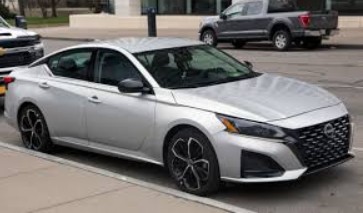
The Nissan Altima has long been one of the most popular midsize sedans on the road. It blends comfort, efficiency, technology, and reliability into a package that appeals to commuters, families, and road-trip enthusiasts alike. Yet one specification often overlooked by buyers is the Nissan Altima tank size.
At first glance, fuel tank capacity might seem like a minor detail. However, it directly impacts how far we can travel before stopping for gas, how often we visit fuel stations, and even how we plan long-distance journeys. Think of the fuel tank as the heart of your vehicle’s endurance—the larger it is, the longer the journey can continue without interruption.
In this comprehensive guide, we’ll explore Nissan Altima fuel tank sizes across generations, discuss driving range, compare capacities between trims, and explain why tank size matters more than many drivers realize.
Content in this publication
- Why Nissan Altima Tank Size Matters
- Understanding Fuel Tank Capacity
- Current Nissan Altima Tank Size
- Nissan Altima Tank Size by Generation
- Fifth Generation Nissan Altima Fuel Capacity
- Sixth Generation Altima Tank Size
- Nissan Altima Driving Range
- Tank Size Differences Between AWD and FWD Models
- Nissan Altima VC-Turbo Models
- How Long Does a Full Tank Last?
- Comparing Nissan Altima Tank Size to Competitors
- Factors That Affect Real-World Range
- Tips to Maximize Fuel Tank Range
- Common Misconceptions About Fuel Tanks
- When Should You Refuel?
- The Role of Fuel Tank Design
- Is Nissan Altima Tank Size Good for Road Trips?
- Future Trends in Fuel Tank Capacity
- Conclusion
- Frequently Asked Questions
Why Nissan Altima Tank Size Matters
Fuel tank capacity influences several aspects of vehicle ownership.
Some drivers focus entirely on fuel economy. Others pay attention only to horsepower or technology features. Yet fuel tank size works behind the scenes, quietly determining convenience and practicality.
Benefits of a larger fuel tank include:
- Fewer trips to the gas station
- Longer driving range
- Greater convenience during road trips
- Improved flexibility in remote areas
- Better planning for long-distance travel
A well-sized fuel tank creates a balance between vehicle weight and driving range. Nissan has carefully engineered the Altima to maintain that balance throughout its evolution.
Understanding Fuel Tank Capacity
Before diving into specific numbers, let’s clarify what fuel tank size actually means.
Fuel tank capacity refers to the maximum amount of fuel a vehicle can safely store. In the United States, this measurement is typically expressed in gallons.
For example:
- 16-gallon tank = approximately 60.5 liters
- 18-gallon tank = approximately 68 liters
The larger the tank, the farther we can travel before refueling, assuming fuel economy remains constant.
Fuel Tank Size vs Fuel Economy
Many people confuse tank size with fuel efficiency.
They are completely different measurements.
- Tank Size = How much fuel the car can hold
- Fuel Economy = How efficiently the engine uses fuel
Imagine two water bottles. One holds more water, while the other loses less water over time. The same concept applies to fuel tanks and fuel economy.
Current Nissan Altima Tank Size
Modern Nissan Altima models typically feature a fuel tank capacity of approximately 16.2 gallons (61 liters).
This capacity provides an excellent balance between efficiency and practicality.
The tank size remains consistent across most recent trim levels, including:
- S
- SV
- SR
- SL
- Platinum
Regardless of trim, drivers generally enjoy similar fuel storage capabilities.
What Does 16.2 Gallons Mean in Real Life?
Numbers alone don’t tell the whole story.
Suppose your Altima averages:
- 32 MPG combined
A 16.2-gallon tank could theoretically provide:
- 16.2 × 32 = 518.4 miles
That’s enough distance to travel between many major cities without refueling.
Nissan Altima Tank Size by Generation
The Altima has evolved significantly since its introduction.
Let’s examine how fuel tank capacities have changed over time.
First Generation Altima (1993–1997)
The original Altima focused on affordability and efficiency.
Typical tank size:
- Approximately 15.9 gallons
This capacity was considered competitive among midsize sedans of the era.
Second Generation Altima (1998–2001)
Nissan continued refining the platform.
Typical fuel tank size:
- Around 15.9 gallons
The company maintained consistency while improving engine performance.
Third Generation Altima (2002–2006)
A larger body and more powerful engines arrived.
Fuel tank capacity increased slightly:
- Approximately 20 gallons on certain models
This generation became known for excellent highway range.
Fourth Generation Altima (2007–2012)
The fourth-generation model balanced performance and economy.
Typical tank capacity:
- Approximately 20 gallons
Drivers appreciated fewer fuel stops during long commutes.
Fifth Generation Nissan Altima Fuel Capacity
The fifth generation introduced new efficiency technologies.
Fuel Tank Specifications
Most models featured:
- Around 18 gallons
Combined with improved MPG ratings, driving range became one of the Altima’s strongest advantages.
Highway Travel Benefits
Road trips became easier because:
- Fewer fuel stops were required
- Drivers could cover more ground
- Long-distance comfort improved
It was like upgrading from a smartphone battery that lasts one day to one that lasts two.
Sixth Generation Altima Tank Size
The current generation emphasizes fuel efficiency.
Modern Fuel Capacity
Most recent models use:
- 16.2-gallon fuel tank
Although smaller than some previous generations, improved fuel economy compensates for the reduction.
Why Nissan Reduced Tank Size
Several factors influenced this decision:
- Reduced vehicle weight
- Improved efficiency
- Better emissions performance
- Enhanced handling characteristics
A smaller tank doesn’t necessarily mean less range when the engine consumes fuel more efficiently.
Nissan Altima Driving Range
One of the most important considerations is total driving range.
City Driving Range
With city MPG ratings averaging around 27–28 MPG:
- 16.2 × 28 = approximately 454 miles
This makes the Altima an excellent commuter vehicle.
Highway Driving Range
Highway efficiency often reaches 39 MPG or more.
Potential range:
- 16.2 × 39 = approximately 632 miles
That’s an impressive figure for a midsize sedan.
Combined Driving Range
Most drivers experience mixed conditions.
Typical combined range:
- 500–550 miles
This range allows extended travel without frequent refueling stops.
Tank Size Differences Between AWD and FWD Models
Nissan offers both front-wheel-drive and all-wheel-drive variants.
Front-Wheel Drive Models
FWD versions generally maintain:
- 16.2-gallon fuel tank
All-Wheel Drive Models
AWD versions typically use:
- Similar 16.2-gallon capacity
Although tank size remains the same, fuel economy may vary slightly due to additional drivetrain components.
Nissan Altima VC-Turbo Models
The innovative Variable Compression Turbo engine adds excitement to the Altima lineup.
Does Turbo Affect Tank Size?
No.
Most VC-Turbo models still feature:
- 16.2-gallon fuel capacity
Impact on Driving Range
Performance-oriented driving may reduce overall range.
Aggressive acceleration can consume fuel faster than relaxed cruising.
In other words, the tank stays the same, but how quickly we empty it changes.
How Long Does a Full Tank Last?
The answer depends entirely on driving habits.
Daily Commuters
A driver traveling:
- 30 miles per day
May go:
- Nearly two weeks before refueling
Frequent Highway Travelers
Highway-focused drivers often experience:
- Over 600 miles per tank
Urban Drivers
Stop-and-go traffic lowers efficiency.
Even then, many drivers can achieve:
- 400–500 miles per tank
Comparing Nissan Altima Tank Size to Competitors
How does the Altima stack up against rivals?
Toyota Camry
Typical tank:
- Around 15.8 gallons
Honda Accord
Typical tank:
- Around 14.8 gallons
Hyundai Sonata
Typical tank:
- Around 15.9 gallons
Nissan Altima
Typical tank:
- 16.2 gallons
The Altima generally offers one of the larger fuel capacities in its segment.
Factors That Affect Real-World Range
Theoretical range and actual range rarely match perfectly.
Driving Style
Hard acceleration increases fuel consumption.
Weather Conditions
Cold temperatures often reduce efficiency.
Vehicle Load
Extra passengers and cargo require more energy.
Terrain
Mountain driving consumes more fuel than flat roads.
Tire Pressure
Underinflated tires create additional rolling resistance.
Tips to Maximize Fuel Tank Range
Want to stretch every gallon?
Maintain Proper Tire Pressure
Correct tire inflation improves efficiency.
Avoid Excessive Idling
Idling wastes fuel without moving the vehicle.
Drive Smoothly
Gradual acceleration conserves fuel.
Reduce Unnecessary Weight
Removing excess cargo can help.
Keep Up With Maintenance
Clean filters and fresh fluids support optimal performance.
Common Misconceptions About Fuel Tanks
Several myths continue circulating among drivers.
Myth 1: Bigger Tank Means Better Fuel Economy
False.
Fuel economy depends on engine efficiency, not tank size.
Myth 2: Driving Until Empty Saves Money
False.
Frequently running low can stress fuel system components.
Myth 3: Filling Beyond Full Provides More Range
False.
Overfilling can damage emissions-related systems.
When Should You Refuel?
Experts generally recommend refueling before reaching an extremely low fuel level.
A good rule:
- Refill when the tank reaches one-quarter full
Benefits include:
- Reduced fuel pump strain
- Better emergency preparedness
- Less chance of running out unexpectedly
The Role of Fuel Tank Design
Modern fuel tanks are engineering marvels.
Safety Features
Today’s Altima tanks include:
- Impact-resistant construction
- Evaporative emissions controls
- Pressure management systems
Efficiency Benefits
Modern designs help:
- Reduce fuel evaporation
- Improve emissions performance
- Enhance overall vehicle reliability
Is Nissan Altima Tank Size Good for Road Trips?
Absolutely.
The combination of:
- 16.2-gallon fuel capacity
- Excellent fuel economy
- Comfortable cabin
- Smooth ride quality
Makes the Altima a road-trip favorite.
Imagine crossing hundreds of miles of open highway while watching the fuel gauge move at a leisurely pace. That’s one of the Altima’s strongest selling points.
Future Trends in Fuel Tank Capacity
As automotive technology evolves, fuel tank designs may continue changing.
Possible developments include:
- Lightweight composite materials
- Improved emissions systems
- Hybrid integration
- Enhanced efficiency technologies
Even as electrification expands, fuel-efficient sedans like the Altima remain highly relevant.
Conclusion
The Nissan Altima tank size may seem like a simple specification, but it plays a significant role in everyday ownership. Most modern Altima models feature a 16.2-gallon fuel tank, offering an excellent balance between capacity, efficiency, and practicality.
Combined with impressive fuel economy, this tank size enables driving ranges that often exceed 500 miles per fill-up. Whether we’re commuting through city traffic, cruising on the interstate, or embarking on a weekend road trip, the Altima provides the confidence of extended travel with fewer fuel stops.
In a world where convenience matters more than ever, the Nissan Altima proves that smart engineering isn’t always about adding more—it’s about finding the perfect balance.
Frequently Asked Questions
1. What is the fuel tank size of a Nissan Altima?
Most modern Nissan Altima models have a fuel tank capacity of approximately 16.2 gallons (61 liters).
2. How many miles can a Nissan Altima travel on a full tank?
Depending on driving conditions, many Altima models can travel between 500 and 630 miles on a full tank.
3. Does the Nissan Altima AWD have a different tank size?
No. Most AWD and FWD Altima models use the same 16.2-gallon fuel tank.
4. Which Nissan Altima generation had the largest fuel tank?
Several older generations featured fuel tanks around 18–20 gallons, making them among the largest in Altima history.
5. Is the Nissan Altima good for long road trips?
Yes. Its combination of fuel efficiency, comfortable interior, and substantial driving range makes it an excellent road-trip vehicle.
If you want to know other articles similar to Nissan Altima Tank Size: Everything You Need to Know About Fuel Capacity and Driving Range you can visit the category Service and Parts.
Kia Sorento Service Reset: How to Reset the Service Light
Kia Sorento Fuel Tank Capacity: Gallons, Litres and Model Differences
Kia Sorento Tyre Pressure: Recommended PSI, Bar and Complete Guide
Kia Sorento Boot Space: How Much Luggage Space Does It Really Have?
Kia Sorento Towing Capacity: How Much Can a Sorento Tow?

Honda Passport Payload Capacity: How Much Weight Can It Carry?
Leave a Reply
More content of your interest