
How Much Does Nissan Altima Weigh? Complete Weight Guide by Model Year and Trim

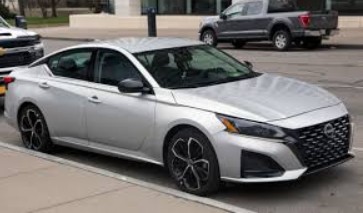
When we shop for a midsize sedan, we often focus on horsepower, fuel economy, technology, and comfort. Yet one specification quietly influences nearly every aspect of a vehicle's performance: weight. If you've ever wondered, how much does Nissan Altima weigh, you're asking a smarter question than most drivers realize.
The weight of a Nissan Altima affects fuel efficiency, acceleration, braking distance, tire wear, handling characteristics, and even insurance costs. Whether you're purchasing a new model, towing the vehicle, transporting it, or simply comparing it against competitors, understanding Altima weight specifications can provide valuable insights.
In this comprehensive guide, we'll explore Nissan Altima curb weights across generations, explain why weight matters, examine differences between trims, and reveal how the Altima compares with other midsize sedans.
Content in this publication
- Understanding Nissan Altima Weight Basics
- How Much Does a Nissan Altima Weigh?
- Nissan Altima Weight by Recent Model Years
- Weight Differences Between Altima Trims
- How AWD Affects Nissan Altima Weight
- How Engine Choices Impact Weight
- Nissan Altima Weight by Generation
- How Altima Weight Compares to Competitors
- How Vehicle Weight Affects Fuel Economy
- How Weight Influences Handling
- Does Weight Affect Braking Performance?
- Can You Tow a Nissan Altima?
- Gross Vehicle Weight Rating Explained
- Weight Distribution and Safety
- Can Modifications Change Altima Weight?
- Interesting Nissan Altima Weight Facts
- Who Should Care About Altima Weight?
- Final Thoughts on How Much a Nissan Altima Weighs
- Frequently Asked Questions
Understanding Nissan Altima Weight Basics
Before diving into numbers, let's clarify what vehicle weight actually means.
What Is Curb Weight?
Curb weight refers to the weight of a vehicle with:
- Standard equipment installed
- Full operating fluids
- A full fuel tank
- No passengers
- No cargo
Manufacturers typically use curb weight when publishing vehicle specifications.
Why Vehicle Weight Matters
Think of weight as the invisible force shaping your driving experience.
A lighter vehicle generally offers:
- Better fuel economy
- Faster acceleration
- Improved agility
- Reduced tire wear
A heavier vehicle often provides:
- Greater stability
- Better ride comfort
- Enhanced crash protection
- Improved road presence
The Nissan Altima balances these characteristics exceptionally well.
How Much Does a Nissan Altima Weigh?
The modern Nissan Altima typically weighs between 3,200 and 3,500 pounds, depending on the model year, engine, drivetrain, and trim level.
Here is a general breakdown:
| Model Configuration | Approximate Weight |
|---|---|
| Base Altima FWD | 3,200–3,300 lbs |
| Mid-Level Trims | 3,250–3,400 lbs |
| AWD Models | 3,350–3,500 lbs |
| Turbocharged Versions | 3,300–3,500 lbs |
While these numbers vary slightly by year, most modern Altimas remain comfortably within this range.
Nissan Altima Weight by Recent Model Years
Let's look at how the Altima's weight has evolved.
2025 Nissan Altima Weight
The latest Altima models generally weigh:
- S Trim: approximately 3,208 lbs
- SV Trim: approximately 3,244 lbs
- SR Trim: approximately 3,268 lbs
- AWD Models: approximately 3,350–3,450 lbs
The differences may appear small, but even 100 pounds can influence fuel economy and handling.
2024 Nissan Altima Weight
Most 2024 Altima configurations fall between:
- 3,200 lbs
- 3,480 lbs
The AWD system contributes much of the additional weight.
2023 Nissan Altima Weight
Weight range:
- Base FWD: around 3,212 lbs
- Fully equipped AWD trims: around 3,462 lbs
2022 Nissan Altima Weight
Weight range:
- 3,208 lbs
- 3,492 lbs
The turbocharged VC-Turbo variants sit near the upper end of the spectrum.
Weight Differences Between Altima Trims
Not every Altima weighs the same.
Altima S
The S trim is usually the lightest.
Reasons include:
- Fewer luxury features
- Smaller wheel options
- Less equipment
This lighter configuration often delivers the best fuel economy.
Altima SV
The SV introduces additional comfort features.
Added equipment includes:
- Advanced driver-assistance systems
- Larger infotainment features
- Additional convenience technology
As a result, weight increases slightly.
Altima SR
The SR emphasizes sporty styling.
Weight additions may include:
- Larger wheels
- Sport-tuned suspension components
- Enhanced interior trim
Altima SL
The SL trim focuses on luxury.
Features contributing to weight include:
- Premium audio systems
- Leather upholstery
- Additional sound insulation
- Power-adjustable seating
How AWD Affects Nissan Altima Weight
One of the biggest factors affecting Altima weight is all-wheel drive.
Additional Components in AWD Systems
AWD models include:
- Rear differential
- Driveshaft
- Additional axles
- Electronic control systems
Together, these components often add 100–200 pounds.
Benefits of Extra Weight
Although AWD increases weight, it also improves:
- Snow traction
- Wet-weather handling
- Stability during acceleration
It's a tradeoff many drivers gladly accept.
How Engine Choices Impact Weight
Different powertrains contribute varying amounts to total vehicle weight.
2.5L Four-Cylinder Engine
The naturally aspirated 2.5-liter engine is relatively lightweight.
Benefits include:
- Excellent fuel economy
- Balanced handling
- Lower maintenance costs
VC-Turbo Engine
The variable-compression turbocharged engine introduces:
- Additional turbo hardware
- Cooling systems
- Supporting components
This setup typically adds some extra pounds but delivers significantly more performance.
Nissan Altima Weight by Generation
The Altima has evolved considerably since its introduction.
First Generation Altima (1993–1997)
Weight ranged from:
- Approximately 2,700–2,900 lbs
Compared to modern models, these vehicles were noticeably lighter.
Second Generation Altima (1998–2001)
Weight increased slightly:
- Around 2,800–3,000 lbs
Safety improvements contributed to the gain.
Third Generation Altima (2002–2006)
A major redesign pushed weight upward:
- Roughly 3,050–3,250 lbs
The larger platform offered more interior room.
Fourth Generation Altima (2007–2012)
Weight ranged from:
- 3,100–3,400 lbs
Technology and comfort features expanded significantly.
Fifth Generation Altima (2013–2018)
Weight remained relatively stable:
- 3,100–3,500 lbs
Engine efficiency improved despite the added features.
Sixth Generation Altima (2019–Present)
Current models weigh:
- 3,200–3,500 lbs
This generation introduced available AWD and enhanced safety technology.
How Altima Weight Compares to Competitors
Weight becomes more meaningful when compared against rivals.
Honda Accord
Typical weight:
- 3,131–3,532 lbs
Very similar to the Altima.
Toyota Camry
Typical weight:
- 3,310–3,595 lbs
Slightly heavier in some configurations.
Hyundai Sonata
Typical weight:
- 3,120–3,450 lbs
Comparable overall.
Kia K5
Typical weight:
- 3,228–3,551 lbs
Again, remarkably close to Altima figures.
The midsize sedan segment operates within a relatively narrow weight range.
How Vehicle Weight Affects Fuel Economy
Imagine carrying a backpack all day.
A heavier backpack requires more energy. Cars work similarly.
Fuel Efficiency Benefits of Lower Weight
Lower weight can:
- Improve city MPG
- Reduce engine strain
- Enhance acceleration efficiency
Why the Altima Remains Efficient
Despite weighing over 3,200 pounds, modern Altimas achieve impressive fuel economy thanks to:
- Aerodynamic design
- Efficient transmissions
- Advanced engine technology
- Lightweight materials
How Weight Influences Handling
Weight affects every turn, lane change, and braking maneuver.
Cornering Dynamics
Lighter vehicles typically:
- Feel more agile
- Respond faster
- Change direction more easily
Ride Quality
Heavier vehicles often:
- Absorb road imperfections better
- Feel more planted
- Deliver a smoother highway ride
The Altima strikes a comfortable middle ground.
Does Weight Affect Braking Performance?
Absolutely.
More mass requires more stopping force.
Fortunately, Nissan equips the Altima with braking systems designed specifically for its weight class.
Factors helping braking performance include:
- Anti-lock brakes
- Electronic brake-force distribution
- Stability control systems
Can You Tow a Nissan Altima?
Many owners wonder whether weight influences towing capability.
Towing Considerations
The Altima is primarily designed as a passenger car rather than a tow vehicle.
When towing:
- Vehicle weight matters
- Payload capacity matters
- Gross vehicle weight ratings matter
Always consult the owner's manual before towing.
Gross Vehicle Weight Rating Explained
Weight discussions often include GVWR.
What Is GVWR?
Gross Vehicle Weight Rating represents:
- Vehicle weight
- Passengers
- Cargo
- Fuel
- Accessories
Combined together.
For many Altima models, GVWR falls between:
- 4,300 lbs
- 4,700 lbs
Why GVWR Matters
Exceeding GVWR can lead to:
- Reduced braking effectiveness
- Tire wear
- Suspension stress
- Potential safety concerns
Weight Distribution and Safety
Weight alone doesn't determine safety.
Balanced Engineering
The Altima's engineers carefully distribute weight throughout the vehicle.
Benefits include:
- Improved handling
- Better stability
- Enhanced crash performance
Modern Safety Enhancements
Additional safety equipment increases weight but also improves protection.
Examples include:
- Airbags
- Reinforced steel structures
- Collision mitigation systems
- Lane-keeping technology
Can Modifications Change Altima Weight?
Yes.
Modifications That Increase Weight
Examples include:
- Larger wheels
- Premium audio systems
- Subwoofers
- Roof racks
- Performance upgrades
Modifications That Reduce Weight
Examples include:
- Lightweight wheels
- Racing seats
- Removal of spare tire
- Carbon-fiber components
However, everyday drivers rarely notice small weight changes.
Interesting Nissan Altima Weight Facts
Here are a few fascinating observations:
- Modern Altimas weigh roughly 500–700 pounds more than early 1990s models.
- Safety technology accounts for much of the increase.
- AWD systems can add over 100 pounds.
- Larger wheels contribute measurable weight gains.
- Weight optimization helps maintain strong fuel economy.
Who Should Care About Altima Weight?
The answer may surprise you.
Weight matters if you're:
- Buying a new vehicle
- Comparing competitors
- Shipping a car
- Towing the vehicle
- Seeking maximum fuel economy
- Evaluating performance
Even if you're simply curious, understanding weight helps explain how the Altima behaves on the road.
Final Thoughts on How Much a Nissan Altima Weighs
So, how much does a Nissan Altima weigh?
Most modern Nissan Altima models weigh between 3,200 and 3,500 pounds, depending on trim level, drivetrain, engine choice, and optional equipment. While AWD systems and premium features add weight, Nissan has successfully balanced efficiency, comfort, safety, and performance across the Altima lineup.
Vehicle weight is like the foundation of a house—rarely noticed, yet responsible for supporting everything above it. The Altima's carefully engineered weight distribution helps deliver the smooth ride, dependable fuel economy, and confident handling that have made it one of the most popular midsize sedans on the market.
Frequently Asked Questions
1. What is the average weight of a Nissan Altima?
Most modern Nissan Altimas average between 3,200 and 3,500 pounds.
2. Does AWD make the Nissan Altima heavier?
Yes. AWD systems typically add 100–200 pounds because of additional drivetrain components.
3. Which Nissan Altima trim weighs the least?
The base Altima S trim is usually the lightest configuration.
4. Is the Nissan Altima heavier than a Honda Accord?
Not significantly. Both vehicles have very similar weight ranges depending on trim and equipment.
5. Why have Nissan Altimas become heavier over the years?
Modern safety systems, advanced technology, larger dimensions, and improved comfort features have gradually increased vehicle weight.
If you want to know other articles similar to How Much Does Nissan Altima Weigh? Complete Weight Guide by Model Year and Trim you can visit the category Service and Parts.
Volvo S90 Engine Oil: Type, Capacity & Change Guide
Volvo S90 Boot Space: Size, Capacity and Practicality
SEO Title: Volvo S90 Oil Capacity: Complete Guide by Engine

Kia Sorento Oil Type: Complete Guide by Year & Engine
Kia Sorento Engine Capacity: Complete Guide by Year
Peugeot 308 Clutch Replacement Cost: Complete UK Guide for 2026
Leave a Reply
More content of your interest