
Alfa Romeo Giulia Check Engine Light: Causes, Fixes, and What It Really Means

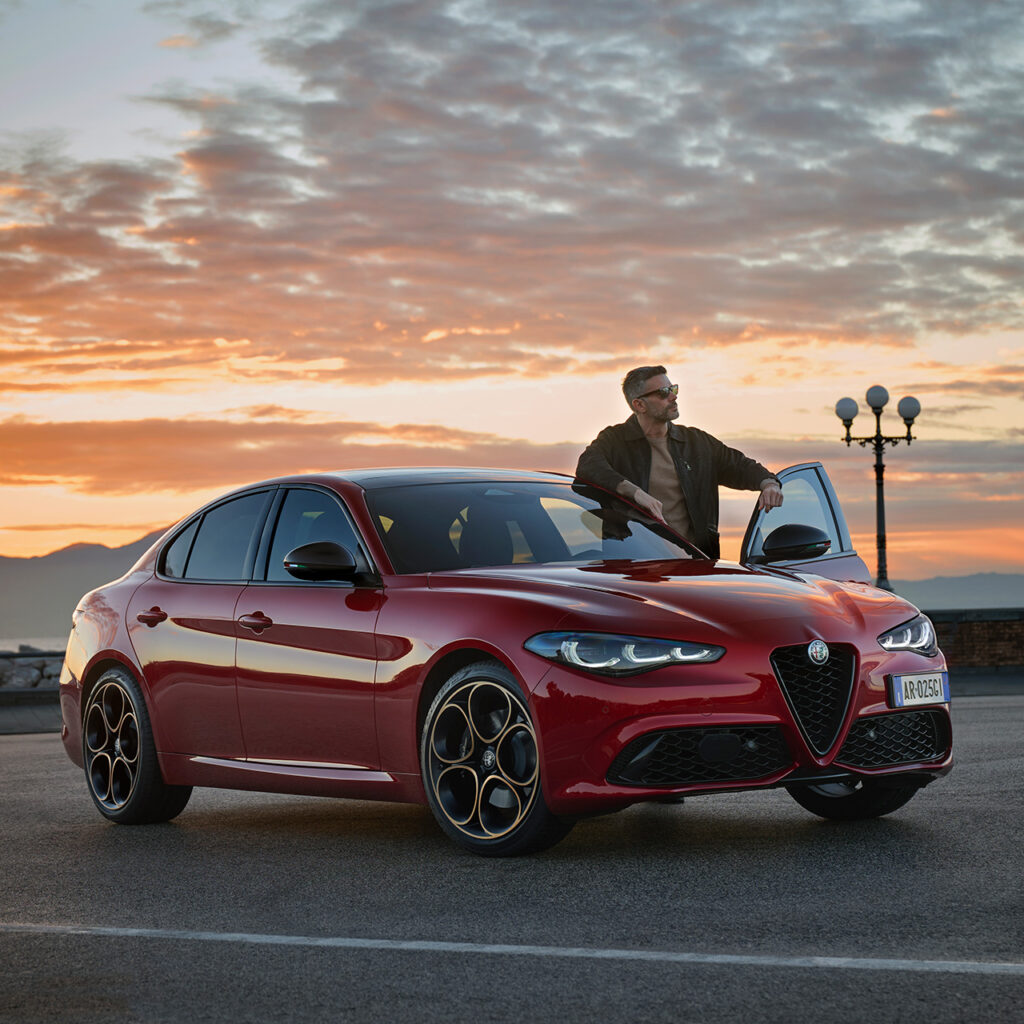
When that amber glow flickers to life on your dashboard, it’s hard not to feel a mix of curiosity and concern. Yes—we’re talking about the check engine light on the Alfa Romeo Giulia. It’s one of those signals that can mean anything from “tighten your gas cap” to “something deeper is going on under the hood.”
So, what should we do when it appears? Panic? Ignore it? Or decode it like a secret message from your car?
Let’s break it down together.
Content in this publication
- Understanding the Check Engine Light in the Alfa Romeo Giulia
- Why the Alfa Romeo Giulia Is So Sensitive
- Common Causes of the Check Engine Light
- Flashing vs Solid Check Engine Light
- How the Giulia’s Turbo Engine Affects Warning Signals
- Reading the Error Codes (OBD-II Explained)
- Can You Reset the Check Engine Light Yourself?
- Driving With the Check Engine Light On: Risky or Fine?
- Fuel Quality and Its Hidden Impact
- Software Glitches: The Silent Culprit
- Environmental Factors That Trigger the Light
- Maintenance Habits That Prevent CEL Issues
- When to Visit a Mechanic
- Cost of Fixing Check Engine Issues
- DIY vs Professional Diagnosis
- Is the Alfa Romeo Giulia Reliable Despite This?
- Closing Thoughts: Listening to Your Giulia
- FAQs About Alfa Romeo Giulia Check Engine Light
Understanding the Check Engine Light in the Alfa Romeo Giulia
The check engine light (CEL), also known as the Malfunction Indicator Lamp (MIL), is part of your vehicle’s onboard diagnostics system (OBD-II). Think of it as your car’s way of tapping you on the shoulder.
It doesn’t shout—it whispers.
What Does It Actually Monitor?
Your Giulia constantly tracks dozens of components, including:
- Engine performance
- Fuel system efficiency
- Emissions output
- Ignition timing
- Sensor readings
When something falls outside expected parameters, the light comes on.
Why the Alfa Romeo Giulia Is So Sensitive
Italian engineering has a personality—and the Alfa Romeo philosophy leans toward precision.
That means:
- Sensors are highly responsive
- Emissions standards are tightly controlled
- Even minor inconsistencies can trigger alerts
In other words, your Giulia doesn’t wait for a problem to become obvious—it flags it early.
Common Causes of the Check Engine Light
Let’s get practical. Here are the most frequent reasons your Giulia might light up.
Loose or Faulty Gas Cap
Sounds trivial, right? But a loose cap can:
- Disrupt fuel system pressure
- Trigger emissions warnings
- Illuminate the CEL almost instantly
👉 Quick fix: tighten it and drive for a few cycles.
Oxygen Sensor Failure
Your O2 sensor measures how much oxygen is in the exhaust.
When it fails:
- Fuel economy drops
- Emissions increase
- Engine performance becomes inconsistent
Catalytic Converter Issues
This is where things get serious—and expensive.
Symptoms include:
- Reduced acceleration
- Sulfur-like smell
- Overheating
Mass Airflow Sensor (MAF) Problems
The MAF sensor tells the engine how much air is entering.
If it malfunctions:
- Air-fuel ratio becomes unbalanced
- Engine may stall or hesitate
- Fuel consumption increases
Ignition Coil or Spark Plug Failure
Misfires are a common trigger.
You might notice:
- Rough idling
- Poor acceleration
- Vibrations under load
Flashing vs Solid Check Engine Light
Not all warning lights are created equal.
Solid Light
- Indicates a non-urgent issue
- Safe to drive (short-term)
- Should be checked soon
Flashing Light
- Signals a serious problem (often misfire)
- Can damage the catalytic converter
- Requires immediate attention
👉 If it’s flashing, don’t gamble—stop driving.
How the Giulia’s Turbo Engine Affects Warning Signals
Many Giulia models use turbocharged engines.
That adds complexity:
- More sensors involved
- Higher operating pressures
- Increased sensitivity to fuel quality
A small issue in a turbo system can trigger the CEL faster than in a naturally aspirated engine.
Reading the Error Codes (OBD-II Explained)
Your Giulia stores diagnostic trouble codes (DTCs).
Common Code Examples
- P0171 → Lean fuel mixture
- P0300 → Random misfire
- P0420 → Catalytic converter efficiency
Using an OBD-II scanner, we can read these codes and narrow down the issue.
Can You Reset the Check Engine Light Yourself?
Yes—but should you?
Methods to Reset
- Disconnect the battery
- Use an OBD-II scanner
- Drive cycles (light clears automatically)
Important Insight
Resetting the light doesn’t fix the problem. It’s like silencing a smoke alarm without putting out the fire.
Driving With the Check Engine Light On: Risky or Fine?
Let’s be honest—we’ve all been tempted to ignore it.
When It’s Usually Safe
- Light is solid
- No noticeable performance issues
When It’s Not
- Flashing light
- Engine misfires
- Strange noises or smells
👉 Rule of thumb: if your Giulia feels “off,” trust that instinct.
The Giulia thrives on premium fuel.
Using lower-grade gasoline can:
- Trigger knocking
- Confuse engine sensors
- Activate the CEL
Think of it like feeding espresso to someone used to gourmet coffee—it just doesn’t hit the same.
Software Glitches: The Silent Culprit
Modern cars are rolling computers.
Sometimes the issue isn’t mechanical—it’s digital.
- ECU software bugs
- Sensor miscommunication
- Temporary glitches
A software update can sometimes resolve persistent warnings.
Environmental Factors That Trigger the Light
Surprisingly, external conditions can play a role.
Examples
- Extreme cold affecting sensors
- Humidity interfering with electronics
- Altitude changes impacting air-fuel ratios
Your Giulia adapts—but not always perfectly.
Maintenance Habits That Prevent CEL Issues
Prevention beats diagnosis every time.
Smart Maintenance Checklist
- Regular oil changes
- Timely spark plug replacement
- Air filter inspections
- Fuel system cleaning
Think of it as giving your Giulia a consistent wellness routine.
When to Visit a Mechanic
Let’s not overthink this.
Go to a Professional If:
- The light persists after simple fixes
- Multiple warning lights appear
- Performance drops significantly
A skilled technician with Alfa-specific experience is ideal.
Cost of Fixing Check Engine Issues
Costs vary widely.
Typical Ranges
- Gas cap: $10–$30
- O2 sensor: $150–$300
- MAF sensor: $200–$400
- Catalytic converter: $1,000+
It’s a spectrum—from pocket change to “let’s talk about it.”
DIY vs Professional Diagnosis
DIY Pros
- Saves money
- Immediate feedback
DIY Cons
- Limited accuracy
- Risk of misdiagnosis
Professional Pros
- Advanced tools
- Expertise
In many cases, a hybrid approach works best—scan it yourself, then confirm with a mechanic.
Is the Alfa Romeo Giulia Reliable Despite This?
Here’s the honest take.
The Giulia isn’t unreliable—it’s expressive.
It communicates more than most cars:
- More alerts
- More feedback
- More sensitivity
For some, that’s annoying. For others, it’s reassuring.
Closing Thoughts: Listening to Your Giulia
We often think of warning lights as annoyances.
But in reality, they’re conversations.
Your Giulia isn’t trying to scare you—it’s trying to keep you ahead of problems.
So the next time that check engine light appears, don’t ignore it. Decode it. Understand it. Act on it.
Because a well-maintained Giulia doesn’t just drive—it sings.
FAQs About Alfa Romeo Giulia Check Engine Light
1. Can I drive my Giulia with the check engine light on?
Yes, if it’s solid and there are no symptoms—but get it checked soon.
2. What causes a flashing check engine light?
Usually engine misfires, which can damage the catalytic converter.
3. Will the light reset itself?
Sometimes, after several drive cycles if the issue resolves.
4. Is it expensive to fix?
It depends—costs range from minor fixes to major repairs.
5. Should I buy an OBD-II scanner?
Absolutely. It’s a small investment that gives valuable insight.
If you want to know other articles similar to Alfa Romeo Giulia Check Engine Light: Causes, Fixes, and What It Really Means you can visit the category Service and Parts.
Volvo S90 Engine Oil: Type, Capacity & Change Guide
Volvo S90 Boot Space: Size, Capacity and Practicality
SEO Title: Volvo S90 Oil Capacity: Complete Guide by Engine

Kia Sorento Oil Type: Complete Guide by Year & Engine
Kia Sorento Engine Capacity: Complete Guide by Year
Peugeot 308 Clutch Replacement Cost: Complete UK Guide for 2026
Leave a Reply
More content of your interest