
Alfa Romeo Giulia Years To Avoid

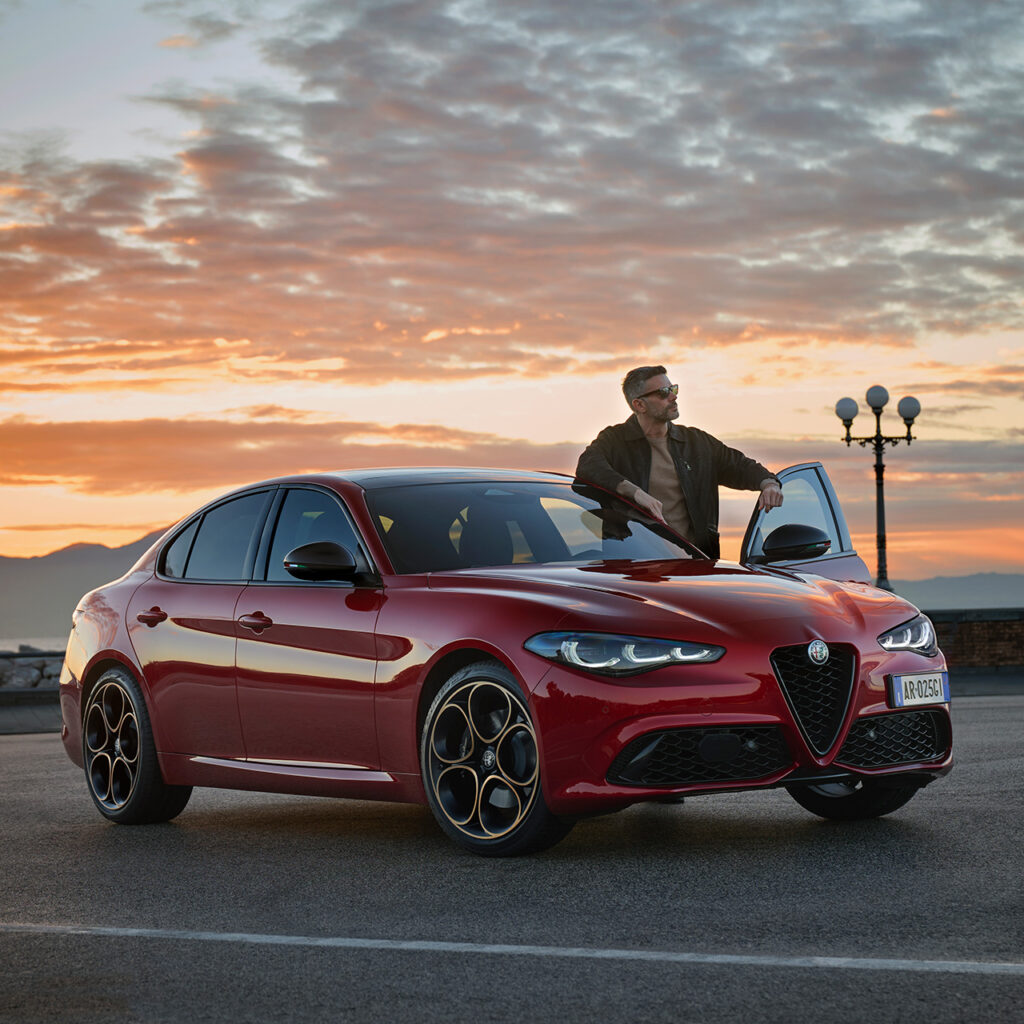
The Alfa Romeo Giulia is one of those rare cars that can make an ordinary drive feel cinematic. It blends Italian styling, razor-sharp handling, and an emotional personality that many modern sedans simply cannot replicate. But while the Giulia has earned praise for its driving dynamics, it has also developed a reputation for reliability concerns — especially in certain model years.
That naturally leads us to one of the most important questions for used-car buyers: which Alfa Romeo Giulia years should we avoid?
The answer is not as black and white as internet forums sometimes suggest. Some Giulia years suffered from electrical issues, software bugs, and quality-control inconsistencies, while later models became noticeably more refined and dependable. A neglected Giulia can quickly become frustrating, but a well-maintained example can feel like hidden treasure sitting in a crowded luxury market.
In this complete guide, we will explore the Alfa Romeo Giulia years to avoid, the most common reliability concerns, the best years to buy, ownership expectations, maintenance costs, and practical buying advice for anyone considering this stylish Italian sports sedan.
Content in this publication
- Why The Alfa Romeo Giulia Became So Popular
- Which Alfa Romeo Giulia Years Should We Avoid?
- 2017 Alfa Romeo Giulia Problems
- Battery Problems In The 2017 Giulia
- Transmission Concerns In Early Models
- 2018 Alfa Romeo Giulia Problems
- Infotainment Issues Became A Recurring Complaint
- Early 2019 Giulia Models Still Had Problems
- Most Common Alfa Romeo Giulia Problems
- Are Alfa Romeo Giulia Quadrifoglio Models Reliable?
- Best Alfa Romeo Giulia Years To Buy
- Why The 2020 Giulia Is Considered A Turning Point
- Should We Avoid Every Early Giulia?
- What To Check Before Buying A Used Alfa Romeo Giulia
- How Expensive Is Alfa Romeo Giulia Maintenance?
- How The Giulia Compares To German Rivals
- Why People Still Love The Alfa Romeo Giulia
- Can A Giulia Last Over 150,000 Miles?
- Signs You Should Avoid A Used Giulia
- Tips To Make A Giulia More Reliable
- Final Verdict On Alfa Romeo Giulia Years To Avoid
- FAQs
Why The Alfa Romeo Giulia Became So Popular
When Alfa Romeo introduced the Giulia, it was aiming directly at the heavyweights of the luxury sports sedan world. Cars like the BMW 3 Series, Audi A4, and Mercedes-Benz C-Class had dominated the segment for years.
The Giulia entered the fight with:
- Rear-wheel-drive dynamics
- Sharp steering
- Aggressive styling
- Turbocharged engines
- Athletic handling
- Distinctive Italian personality
Unlike many competitors that prioritize isolation and comfort above all else, the Giulia feels alive. It communicates with the driver constantly, almost like the car has its own heartbeat.
Unfortunately, early reliability problems prevented some buyers from fully embracing it.
Which Alfa Romeo Giulia Years Should We Avoid?
If we are focusing strictly on reliability trends, the main Alfa Romeo Giulia years to avoid are:
| Model Year | Main Issues |
|---|---|
| 2017 | Major electrical and software problems |
| 2018 | Persistent electronic glitches |
| Early 2019 | Carryover reliability concerns |
These years are not guaranteed disasters, but they have the highest number of reported complaints and ownership frustrations.
The biggest problems typically involved:
- Electrical system malfunctions
- Random dashboard warnings
- Infotainment failures
- Weak battery sensitivity
- Sensor errors
- Start-stop system glitches
- Software instability
The early Giulia years often felt like a brilliant first draft that needed additional editing.
2017 Alfa Romeo Giulia Problems
The 2017 Giulia is widely considered the riskiest year to buy.
As the first major production year in many markets, it experienced the kind of growing pains that frequently affect all-new vehicles. Alfa Romeo packed the Giulia with advanced technology and electronics, but some systems were not fully refined.
Owners commonly reported:
- Flickering warning lights
- Frozen infotainment screens
- Backup camera issues
- Battery drain problems
- Adaptive cruise control faults
- Random sensor failures
Sometimes the problems appeared inconsistently, which made diagnosis frustrating.
One day the car behaved perfectly. The next day the dashboard looked like a slot machine.
Battery Problems In The 2017 Giulia
One of the strangest aspects of Giulia ownership is how sensitive the car is to battery health.
Even a slightly weak battery can trigger:
- False warning messages
- Electronic instability
- Start-stop malfunctions
- Limp mode activation
- Sensor confusion
In many cases, replacing the battery solved multiple issues simultaneously.
The Giulia behaves almost like a high-performance computer on wheels. When voltage drops, chaos sometimes follows.
Transmission Concerns In Early Models
The Giulia’s 8-speed automatic transmission is mechanically solid overall, but early software calibration caused complaints.
Some drivers noticed:
- Hesitation during acceleration
- Rough downshifts
- Jerky low-speed movement
- Delayed throttle response
Software updates eventually improved many of these behaviors.
2018 Alfa Romeo Giulia Problems
The 2018 Giulia showed progress compared to the 2017 version, but reliability concerns still lingered.
Common complaints included:
- Infotainment glitches
- Electrical gremlins
- Sensor failures
- Bluetooth connectivity problems
- Interior rattles
- Battery-related warnings
The car remained exciting to drive, but ownership experiences varied significantly.
Some owners loved every second behind the wheel. Others spent too much time visiting service departments.
Infotainment Issues Became A Recurring Complaint
Technology plays a major role in modern luxury vehicles, and the Giulia’s infotainment system occasionally struggled to keep up.
Reported issues included:
- Frozen displays
- Navigation glitches
- Apple CarPlay interruptions
- Slow touchscreen response
- Random system reboots
These problems rarely stranded drivers, but they damaged confidence.
After all, when your dashboard starts flashing warnings during a simple commute, it can feel like your car is speaking in riddles.
Early 2019 Giulia Models Still Had Problems
The 2019 Giulia improved further, but some early-production models still carried over unresolved issues from previous years.
These included:
- Electronic instability
- Battery sensitivity
- Warning-light glitches
- Infotainment bugs
Later 2019 vehicles became noticeably more refined, making production timing important when shopping used.
You may be interested in reading Alfa Romeo Giulia Veloce Tyre Pressure: The Complete Driver’s Guide
Most Common Alfa Romeo Giulia Problems
Across the problematic years, several issues appeared repeatedly.
Electrical Gremlins
Electrical complaints remain the Giulia’s most famous weakness.
Typical issues include:
- Parking sensor failures
- Adaptive cruise control errors
- False collision warnings
- Keyless entry malfunctions
- Random dashboard alerts
Fortunately, many of these concerns are software-related rather than catastrophic mechanical failures.
Weak Battery Sensitivity
Battery health is absolutely critical in the Giulia.
A weak battery can create bizarre symptoms that mimic much larger problems.
Owners often experience:
- Multiple warning lights
- Starting problems
- Electronic glitches
- Faulty sensor readings
Replacing the battery proactively is often smart preventative maintenance.
Oil Leaks
Some Giulia owners reported:
- Valve cover leaks
- Minor oil seepage
- Turbo oil line concerns
While not universal, these issues should still be checked carefully during inspections.
Cooling System Issues
A smaller number of owners experienced:
- Coolant leaks
- Water pump failures
- Overheating concerns
These problems are less common than electrical issues but still worth monitoring.
Are Alfa Romeo Giulia Quadrifoglio Models Reliable?
The Alfa Romeo Giulia Quadrifoglio deserves separate discussion because it is significantly more complex and powerful than the standard Giulia.
Its Ferrari-inspired twin-turbo V6 engine delivers incredible performance, but higher performance often means higher maintenance demands.
Potential concerns include:
- Expensive brake replacements
- Turbocharger wear
- Cooling-system stress
- Carbon-fiber repair costs
- Suspension complexity
The Quadrifoglio is thrilling, but ownership requires serious budgeting and commitment.
It is less like owning a regular sports sedan and more like keeping a thoroughbred racehorse in your garage.
Best Alfa Romeo Giulia Years To Buy
If reliability matters most, the safest Giulia years are generally:
| Best Years | Why They Stand Out |
|---|---|
| 2020 | Major quality improvements |
| 2021 | Better electronics and software |
| 2022 | Improved reliability reputation |
| 2023+ | More refined ownership experience |
These later models maintained the Giulia’s sharp driving character while reducing many early headaches.
Why The 2020 Giulia Is Considered A Turning Point
The 2020 update brought meaningful improvements, including:
- Better infotainment technology
- More stable electronics
- Refined software
- Improved interior quality
- Enhanced driver-assistance systems
For many enthusiasts, this was the point where the Giulia finally matured into the car it was always meant to be.
Should We Avoid Every Early Giulia?
Not necessarily.
A well-maintained 2017 or 2018 Giulia can still be an excellent purchase if it has:
- Complete service records
- Updated software
- Strong battery health
- No recurring electrical problems
- Proper maintenance history
Condition matters far more than internet stereotypes alone.
A carefully maintained early Giulia may easily outperform a neglected newer model.
What To Check Before Buying A Used Alfa Romeo Giulia
If you are shopping for a used Giulia, inspection is critical.
Check Battery Health First
Because the Giulia is extremely voltage-sensitive, battery condition matters enormously.
Ask questions like:
- Has the battery been replaced recently?
- Are there any electrical warnings?
- Does the start-stop system work correctly?
A weak battery can create endless frustration.
Scan The Vehicle For Error Codes
A professional diagnostic scan is essential.
Hidden fault codes may reveal:
- Sensor failures
- Transmission concerns
- Turbocharger issues
- Electronic instability
Even if warning lights are absent, stored codes can tell the real story.
Review Maintenance History Carefully
Maintenance records are incredibly important with European luxury cars.
Look for evidence of:
- Regular oil changes
- Software updates
- Cooling-system maintenance
- Brake servicing
- Transmission servicing
The Giulia rewards attentive ownership.
You may be interested in readingAlfa Romeo Giulia Veloce Tyre Pressure: The Complete Driver’s GuideYou may be interested in reading
Alfa Romeo Giulia Diesel ReliabilityInspect Suspension And Steering Components
Because the Giulia is a sporty sedan, suspension wear can appear earlier than in softer luxury cars.
Watch for:
- Steering vibrations
- Clunking sounds
- Uneven tire wear
- Suspension noise
A proper test drive matters.
How Expensive Is Alfa Romeo Giulia Maintenance?
The Giulia is not cheap to maintain, but it is also not outrageously expensive compared to German luxury rivals.
Typical ownership costs include:
| Service Item | Cost Level |
|---|---|
| Oil changes | Moderate |
| Brake replacement | Expensive |
| Tire replacement | Expensive |
| Battery replacement | Moderate |
| Electronic diagnostics | Potentially expensive |
Trying to cut corners with maintenance often creates larger problems later.
How The Giulia Compares To German Rivals
Historically, the Giulia has not matched the long-term reliability reputation of the BMW 3 Series or Audi A4.
However, the Giulia offers advantages that many buyers still prefer.
Where The Giulia Excels
- More engaging steering
- Distinctive styling
- Emotional driving experience
- Strong performance value
Where Rivals Usually Win
- Dealer availability
- Electronics stability
- Resale confidence
- Long-term reliability consistency
The Giulia appeals to drivers who value emotion as much as logic.
Why People Still Love The Alfa Romeo Giulia
Despite the reliability concerns, many owners remain fiercely loyal to the Giulia.
Why?
Because it feels special.
Many modern luxury sedans are technically excellent but emotionally forgettable. The Giulia feels dramatic, exciting, and alive in a way few competitors manage.
Driving it can feel like listening to a passionate piece of music instead of background elevator noise.
That emotional connection matters.
Can A Giulia Last Over 150,000 Miles?
Yes — if properly maintained.
A well-cared-for Giulia can comfortably exceed:
- 150,000 miles
- 200,000 miles in some cases
The key factors are:
- Consistent maintenance
- Proper battery care
- Prompt repairs
- Quality parts
- Responsible ownership
Neglect shortens the Giulia’s lifespan dramatically.
Signs You Should Avoid A Used Giulia
Walk away from Giulias showing:
- Multiple warning lights
- Weak starting behavior
- Missing maintenance records
- Rough transmission shifts
- Persistent electrical issues
- Water damage signs
- Poor modification work
Sometimes avoiding a bad car is more valuable than finding a cheap one.
Tips To Make A Giulia More Reliable
Good ownership habits make a huge difference.
Best Reliability Practices
- Replace weak batteries immediately
- Follow maintenance schedules closely
- Use premium fuel
- Install software updates promptly
- Address warning lights quickly
- Avoid delaying repairs
The Giulia rewards owners who stay proactive.
Final Verdict On Alfa Romeo Giulia Years To Avoid
The Alfa Romeo Giulia remains one of the most exciting luxury sports sedans on the road. It combines sharp performance, stunning Italian design, and an emotional character that many rivals struggle to replicate.
However, some model years deserve caution.
If reliability is your top priority, the Alfa Romeo Giulia years to avoid are:
- 2017
- 2018
- Early 2019
These years experienced the highest number of complaints involving electronics, software bugs, battery-related problems, and warning-light issues.
Meanwhile, 2020 and newer models represent a major improvement in overall quality and ownership satisfaction.
Still, the Giulia is not a car we buy purely with logic. We buy it because it makes driving feel exciting again. And when properly maintained, it can be a deeply rewarding car to own.
Sometimes the heart wins over the spreadsheet — and few sedans understand that better than the Giulia.
FAQs
Which Alfa Romeo Giulia year is the worst?
The 2017 Giulia is generally considered the least reliable year because of widespread electrical and software-related complaints.
Is the Alfa Romeo Giulia expensive to repair?
Repair costs can be high because the Giulia is a European luxury sports sedan with advanced electronics and premium components.
Is the 2020 Alfa Romeo Giulia reliable?
Yes. The 2020 model introduced major refinements and is considered one of the best years for reliability.
Should we buy a used Giulia with high mileage?
A high-mileage Giulia can still be worthwhile if it has excellent maintenance records and no major electronic or transmission issues.
Do Alfa Romeo Giulias depreciate quickly?
Yes, the Giulia depreciates faster than some German rivals, which can create attractive bargains for used-car buyers.
You may be interested in readingAlfa Romeo Giulia Veloce Tyre Pressure: The Complete Driver’s GuideYou may be interested in reading
Alfa Romeo Giulia Diesel ReliabilityYou may be interested in reading
Is Alfa Romeo Giulia Reliable? The Truth About Ownership, Problems, and Long-Term DurabilityIf you want to know other articles similar to Alfa Romeo Giulia Years To Avoid you can visit the category Blog.
Volvo S90 Reliability: Problems, Costs & Best Years
Is Haval Jolion a Good Car? Honest Review, Reliability, Pros and Cons
How to Start Haval Jolion With Spare Key: Complete Guide
How to Calculate Per Diem on an Auto Loan

How to Calculate the Residual Value of a Car

Is the Honda Passport Selling Well? Sales Numbers Tell the Story
Leave a Reply
More content of your interest