

Alfa Romeo Giulia Fuel Economy: Real MPG, Efficiency & Driving Insights

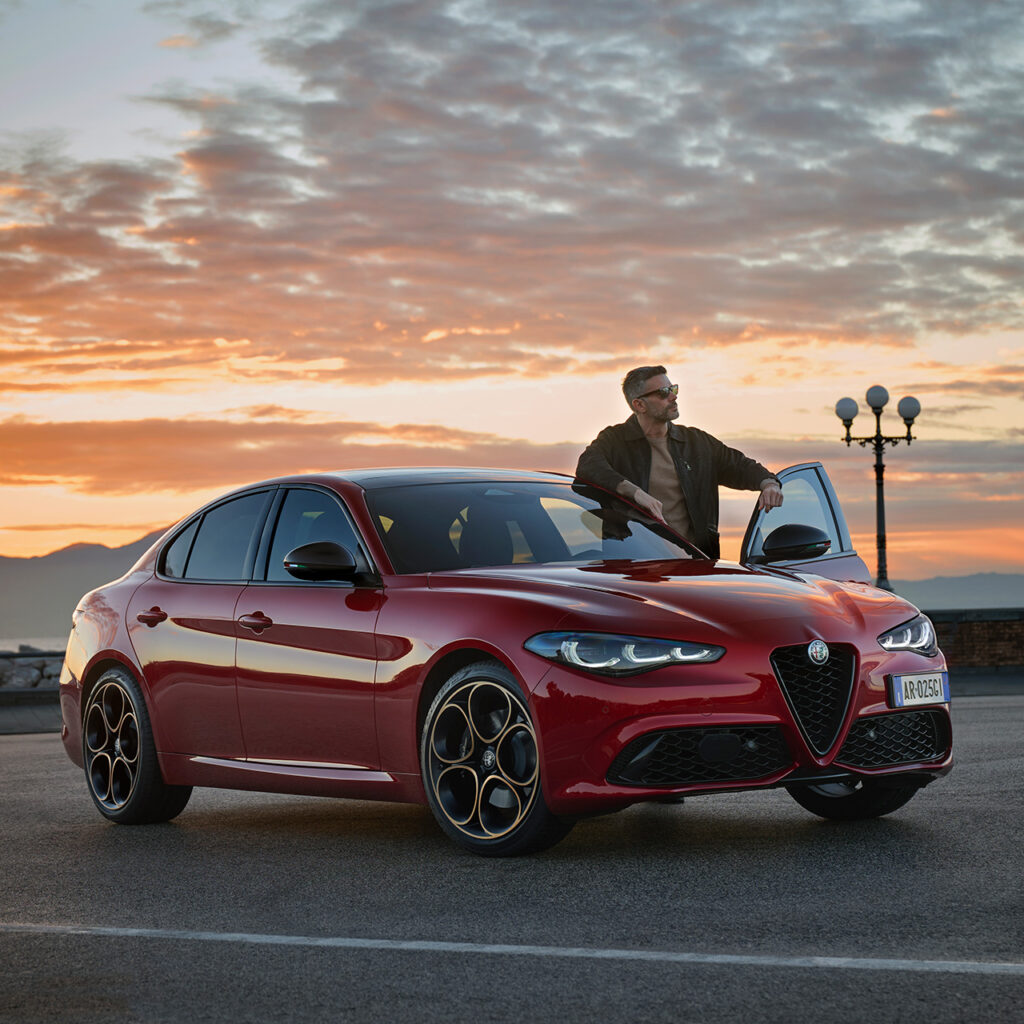
When we think about the Alfa Romeo Giulia, the first thing that comes to mind isn’t fuel economy—it’s passion. It’s the roar of the engine, the sculpted Italian design, the feeling of carving through corners like a hot knife through butter.
But here’s the twist: what if we told you the Giulia can also be surprisingly efficient?
Let’s dive deep into the real-world fuel economy of this Italian masterpiece—and uncover whether it’s just a pretty face or a smart daily driver too.
Content in this publication
- Why Fuel Economy Matters in a Performance Sedan
- Official Fuel Economy Figures of the Alfa Romeo Giulia
- Real-World Fuel Economy: What Drivers Actually Experience
- Engine Options and Their Impact on Fuel Efficiency
- Fuel Economy vs Competitors
- Driving Modes and Their Influence on MPG
- Urban vs Highway Fuel Consumption
- Tips to Improve Alfa Romeo Giulia Fuel Economy
- Fuel Tank Capacity and Driving Range
- Is the Alfa Romeo Giulia Fuel Efficient?
- Cost of Fuel Ownership Over Time
- Petrol vs Diesel: Which Is More Efficient?
- Environmental Impact of the Giulia
- Common Myths About Giulia Fuel Economy
- Who Should Care About Fuel Economy in the Giulia?
- Final Thoughts: Passion Meets Practicality
- Conclusion
- FAQs
Why Fuel Economy Matters in a Performance Sedan
We all love performance. But fuel costs? Not so much.
Fuel economy isn’t just about saving money—it’s about:
- Reducing environmental impact
- Increasing driving range
- Making daily commutes more practical
- Enhancing long-term ownership value
And for a car like the Giulia, balancing power with efficiency is where things get interesting.
Official Fuel Economy Figures of the Alfa Romeo Giulia
Petrol Engine MPG Ratings
Depending on the engine, the Giulia offers a range of fuel efficiency figures:
- 2.0L Turbo Petrol (Standard Models):
- ~24–26 MPG city
- ~33–36 MPG highway
- Combined: ~28–31 MPG
Diesel Engine MPG (Europe/UK Markets)
- 2.2L Diesel:
- ~40–50 MPG combined
- Ideal for long-distance drivers
High-Performance Quadrifoglio
- 2.9L Twin-Turbo V6:
- ~17 MPG city
- ~25 MPG highway
- Combined: ~20 MPG
Let’s be honest—if you’re driving a Quadrifoglio, fuel economy probably isn’t your main concern. But still, it’s respectable for a beast of that caliber.
Real-World Fuel Economy: What Drivers Actually Experience
Here’s where things get real.
Official figures are one thing, but everyday driving tells a different story.
Typical Owner-Reported MPG
- City driving: 22–25 MPG
- Highway cruising: 32–38 MPG
- Mixed driving: 26–30 MPG
What Affects These Numbers?
Fuel economy in the Giulia can swing depending on:
- Driving style (aggressive vs smooth)
- Traffic conditions
- Road type (urban vs highway)
- Weather and temperature
- Tire condition and pressure
Think of it like this: the Giulia is like an athlete—it performs based on how you treat it.
Engine Options and Their Impact on Fuel Efficiency
2.0L Turbocharged Inline-4
This is the sweet spot for most drivers.
- Balanced power (around 280 hp)
- Excellent fuel efficiency
- Smooth automatic transmission
It’s like having your cake and eating it too—performance without constant fuel stops.
2.2L Diesel Engine
Although not available everywhere, this engine is a fuel-saving champion.
- Best for highway mileage
- Lower running costs
- Massive torque for effortless cruising
If fuel economy is your top priority, this is the one.
2.9L Twin-Turbo V6 (Quadrifoglio)
This is where things get wild.
- Ferrari-derived engineering
- Insane performance (500+ hp)
- Fuel economy takes a back seat
Driving this is like lighting a match—you know it’ll burn fast, but wow, what a show.
Fuel Economy vs Competitors
How does the Giulia stack up?
Against German Rivals
- BMW 3 Series → Slightly better MPG
- Audi A4 → Comparable efficiency
- Mercedes C-Class → Similar, depending on engine
But here’s the thing:
The Giulia often delivers more driving excitement per gallon.
Driving Modes and Their Influence on MPG
The Giulia features Alfa’s DNA drive mode system:
Dynamic Mode
- Sharper throttle
- More aggressive shifting
- Higher fuel consumption
Natural Mode
- Balanced performance
- Best everyday efficiency
Advanced Efficiency Mode
- Optimized fuel usage
- Reduced throttle response
Switching modes is like changing personalities—each one affects how much fuel you burn.
Urban vs Highway Fuel Consumption
City Driving
- Stop-and-go traffic hurts efficiency
- Frequent acceleration increases fuel use
- Expect lower MPG
Highway Driving
- Steady speeds = better efficiency
- Turbo engines perform optimally
- Best MPG results here
In simple terms:
The Giulia loves open roads more than crowded streets.
Tips to Improve Alfa Romeo Giulia Fuel Economy
Want to squeeze more miles out of every gallon? Here’s how:
Driving Habits
- Accelerate smoothly
- Maintain steady speeds
- Avoid unnecessary braking
Vehicle Maintenance
- Keep tires properly inflated
- Use recommended engine oil
- Regular servicing
Smart Driving Techniques
- Use cruise control on highways
- Reduce excess weight
- Avoid idling
Small changes can make a surprisingly big difference.
Fuel Tank Capacity and Driving Range
The Giulia typically features:
- Fuel Tank Size: ~58 liters (15.3 gallons)
Estimated Range
- City: ~350–400 miles
- Highway: ~450–550 miles
That’s enough for long road trips without constant stops—perfect for those spontaneous adventures.
Is the Alfa Romeo Giulia Fuel Efficient?
Short answer: Yes—if you choose the right engine and drive smartly.
Long answer:
The Giulia isn’t the most fuel-efficient sedan in its class, but it strikes a rare balance between:
- Performance
- Style
- Efficiency
And honestly? That balance is what makes it special.
Cost of Fuel Ownership Over Time
Fuel economy directly affects your wallet.
Estimated Annual Fuel Costs
Depending on usage:
- Average driver (12,000 miles/year):
- ~$1,800–$2,500 (varies by fuel prices)
Key Cost Factors
- Engine choice
- Driving habits
- Fuel type (premium required for petrol engines)
Yes, premium fuel adds cost—but it also enhances performance.
Petrol vs Diesel: Which Is More Efficient?
Petrol Advantages
- Better performance
- Smoother driving experience
Diesel Advantages
- Superior MPG
- Lower long-distance costs
Verdict
- City driver → Petrol
- Highway commuter → Diesel
Choosing the right engine is like picking the right tool—it makes everything easier.
Environmental Impact of the Giulia
Fuel economy isn’t just about money—it’s about emissions too.
CO₂ Emissions
- Petrol models: Moderate emissions
- Diesel models: Lower CO₂ but higher NOx
Eco-Friendly Driving Tips
- Use efficiency mode
- Avoid aggressive driving
- Maintain your vehicle
Even a performance sedan can be driven responsibly.
Common Myths About Giulia Fuel Economy
“It’s too sporty to be efficient”
Not true. The 2.0L engine is quite economical.
“All luxury cars are gas guzzlers”
Modern engineering has changed that.
“Real MPG is always worse than official figures”
Not always—highway driving can exceed expectations.
Who Should Care About Fuel Economy in the Giulia?
Fuel economy matters most if you:
- Drive daily in traffic
- Commute long distances
- Want to reduce ownership costs
But if you’re buying a Quadrifoglio?
Let’s be real—you’re here for the thrill.
Final Thoughts: Passion Meets Practicality
The Alfa Romeo Giulia proves that you don’t have to sacrifice efficiency for excitement.
It’s not the most economical sedan on paper—but it might be the most rewarding one to live with.
And sometimes, that’s what truly matters.
Conclusion
So, is the Alfa Romeo Giulia fuel-efficient?
Yes—but more importantly, it’s efficient in delivering joy.
It blends:
- Performance
- Elegance
- Reasonable fuel economy
Like a fine Italian espresso—strong, refined, and surprisingly balanced.
FAQs
1. What is the average MPG of the Alfa Romeo Giulia?
Most drivers report around 26–30 MPG combined, depending on driving conditions.
Yes, petrol models typically require premium gasoline for optimal performance.
3. Which Giulia engine is the most fuel-efficient?
The 2.2L diesel offers the best MPG, especially on highways.
4. Is the Quadrifoglio fuel-efficient?
Not really—it prioritizes performance over efficiency, averaging around 20 MPG combined.
5. Can I improve fuel economy in the Giulia?
Absolutely. Smooth driving, proper maintenance, and using efficiency mode can significantly improve MPG.
If you want to know other articles similar to Alfa Romeo Giulia Fuel Economy: Real MPG, Efficiency & Driving Insights you can visit the category Driving.
Kia Sorento Fuel Economy: MPG, Hybrid, and Plug-In Hybrid Explained
BYD Shark 6 Fuel Consumption: Real-World Economy, Range and What to Expect
Vauxhall Agila MPG: Real-World Fuel Economy and Engine Guide

Honda Passport MPG: Real-World Fuel Economy, Ratings, and What to Expect

Nissan Rogue Fuel Economy: MPG, Range, Costs, and Real-World Efficiency
BYD Shark 6 Long Range Fuel Tank: Is the 120L Upgrade Worth It?
Leave a Reply
More content of your interest