
Chevrolet Trailblazer Reliability: Is This SUV Built to Last?

When we talk about compact SUVs that balance affordability, practicality, and modern styling, the Chevrolet Trailblazer often sneaks into the conversation like an underdog fighter ready to surprise everyone. It may not scream luxury or off-road dominance, but reliability? That’s where things become interesting.
Buying a vehicle is a little like choosing a long-term travel partner. Some cars promise excitement but leave us stranded emotionally—and mechanically. Others quietly show up every day, start on cold mornings, survive potholes, and ask for very little in return. The real question is simple: where does the Chevrolet Trailblazer fall on that spectrum?
In this deep dive, we’ll explore the reliability of the Chevrolet Trailblazer from every angle imaginable. We’ll analyze engines, transmissions, ownership costs, common problems, maintenance expectations, long-term durability, and whether this SUV deserves a spot in your driveway.
Content in this publication
- Understanding the Chevrolet Trailblazer
- Is the Chevrolet Trailblazer Reliable Overall?
- The Evolution of Trailblazer Reliability
- Chevrolet Trailblazer Engine Reliability
- How Reliable Are Chevrolet Turbo Engines?
- Transmission Reliability in the Trailblazer
- Common Chevrolet Trailblazer Problems
- How Long Does a Chevrolet Trailblazer Last?
- Maintenance Costs and Ownership Expenses
- Best Chevrolet Trailblazer Years for Reliability
- Should You Avoid the First Model Year?
- Chevrolet Trailblazer Reliability Compared to Competitors
- Does the Trailblazer Hold Its Value?
- How Reliable Is the AWD System?
- Interior Durability and Build Quality
- Fuel Economy and Reliability Relationship
- Can the Chevrolet Trailblazer Handle Long Road Trips?
- What Owners Love Most About the Trailblazer
- What Owners Dislike About the Trailblazer
- Is the Chevrolet Trailblazer Expensive to Repair?
- Tips to Make a Chevrolet Trailblazer Last Longer
- Is the Chevrolet Trailblazer Good for Families?
- Safety and Reliability Often Go Hand in Hand
- The Emotional Side of Reliability
- Final Verdict: Is the Chevrolet Trailblazer Reliable?
- FAQs
Understanding the Chevrolet Trailblazer
Before judging reliability, we need to understand what the Trailblazer actually is.
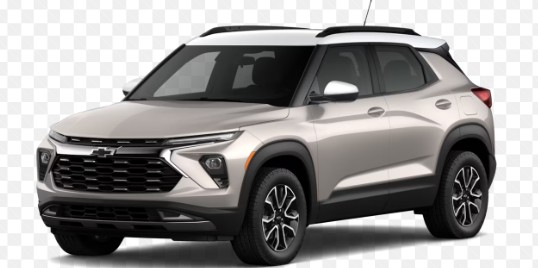
The modern Chevrolet Trailblazer is a subcompact crossover SUV designed for urban drivers who want SUV practicality without the massive size of traditional body-on-frame SUVs. It returned to the market in 2021 with a completely different identity compared to the older Trailblazer models from the 2000s.
Today’s Trailblazer focuses on:
- Fuel efficiency
- Daily usability
- Compact dimensions
- Affordable ownership
- Modern technology
It competes against rivals like:
- Honda HR-V
- Hyundai Kona
- Kia Seltos
- Mazda CX-30
- Nissan Kicks
And surprisingly, it holds its ground rather well.
Is the Chevrolet Trailblazer Reliable Overall?
In general, yes—the Chevrolet Trailblazer is considered moderately reliable to above average for its class.
It’s not a bulletproof machine in the same league as some legendary Japanese SUVs, but it performs well enough to satisfy most owners. Reliability ratings from industry reviewers and owner experiences suggest that the Trailblazer offers dependable daily transportation when maintained properly.
The biggest strengths include:
- Efficient turbocharged engines
- Low operating costs
- Comfortable driving manners
- Decent build quality
- Affordable maintenance
However, there are a few weaknesses that we cannot ignore:
- Some transmission hesitation
- Electrical glitches
- Occasional infotainment bugs
- Turbo-related concerns over long-term ownership
Like many modern vehicles, the Trailblazer is packed with electronics. And electronics are a little like houseplants—they behave wonderfully until they suddenly decide not to.
The Evolution of Trailblazer Reliability
Older Trailblazer Models vs New Generation
The original Chevrolet Trailblazer (2002–2009) was a completely different beast.
Those SUVs used:
- Larger engines
- Truck-based platforms
- Body-on-frame construction
The modern version uses:
- Smaller turbo engines
- Front-wheel-drive architecture
- Lightweight crossover engineering
This means reliability comparisons between old and new models can become misleading.
The old Trailblazers were rugged but thirsty. The new ones are efficient but more technology-dependent.
Chevrolet Trailblazer Engine Reliability
The heart of any vehicle determines whether ownership feels peaceful or stressful.
The Trailblazer typically comes with two engine choices:
1.2L Turbocharged Three-Cylinder
This engine prioritizes fuel economy and city driving efficiency.
Pros:
- Excellent gas mileage
- Smooth urban driving
- Surprisingly responsive at low speeds
Cons:
- Can feel strained under heavy loads
- Long-term turbo durability still raises questions for some buyers
Three-cylinder engines divide opinions like pineapple on pizza. Some drivers love the efficiency. Others remain skeptical about longevity.
Still, many owners report solid reliability so far.
1.3L Turbocharged Three-Cylinder
This is generally viewed as the better option.
Benefits include:
- Better acceleration
- More confident highway merging
- Improved overall driving experience
The 1.3L engine appears more refined and less stressed than the smaller 1.2L variant.
If reliability matters most, many enthusiasts lean toward the 1.3L because the engine doesn’t have to work as hard during everyday driving.
How Reliable Are Chevrolet Turbo Engines?
Turbo engines are efficient, but they demand attention.
The Trailblazer’s turbocharged setup requires:
- Regular oil changes
- High-quality engine oil
- Proper cooling system maintenance
Skipping maintenance on a turbo engine is like ignoring hydration during a marathon. Everything may seem fine—until it suddenly isn’t.
Fortunately, modern Chevrolet turbo systems have improved significantly compared to earlier generations.
Transmission Reliability in the Trailblazer
Transmission reliability is one of the most discussed aspects of the Chevrolet Trailblazer.
Depending on configuration, the SUV uses:
- A CVT transmission
- A 9-speed automatic transmission
CVT Concerns
Some drivers report:
- Hesitation during acceleration
- Artificial shifting sensations
- Occasional sluggishness
CVTs often prioritize efficiency over excitement. They can feel rubber-band-like compared to traditional automatics.
The good news?
Catastrophic failures are relatively uncommon.
9-Speed Automatic Performance
The 9-speed automatic generally receives better feedback.
Owners appreciate:
- Smoother highway cruising
- Better power delivery
- More natural shifting behavior
Still, some users notice:
- Minor shift delays
- Occasional rough downshifts
Nothing massively alarming, but enough to mention.
Common Chevrolet Trailblazer Problems
No vehicle escapes criticism forever. The Trailblazer has a few recurring issues worth knowing.
You may be interested in reading Chevrolet Trailblazer Boot Space: Is It Big Enough for Real Life?
Electrical Problems
Some owners report:
- Dashboard warning lights
- Sensor malfunctions
- Random infotainment resets
Modern vehicles rely heavily on software. Sometimes the electronics behave like a smartphone after too many updates—slightly confused.
Infotainment Glitches
The infotainment system occasionally experiences:
- Screen freezing
- Bluetooth connection issues
- Delayed responses
Usually these problems are annoying rather than serious.
Software updates often solve them.
Battery Drain Complaints
A smaller number of owners have reported:
- Weak battery performance
- Unexpected battery drain
This issue often relates to electronics remaining active after shutdown.
Turbocharger Anxiety
Turbochargers naturally concern long-term buyers because replacement costs can be expensive.
However, widespread turbo failures have not become a major epidemic for the Trailblazer.
That’s encouraging.
How Long Does a Chevrolet Trailblazer Last?
With proper maintenance, a Chevrolet Trailblazer can realistically last:
- 150,000 to 200,000 miles
- Or even longer with careful ownership
Longevity depends heavily on:
- Maintenance habits
- Driving style
- Climate conditions
- Oil change frequency
A neglected Trailblazer may age quickly.
A well-maintained one can remain dependable for years.
Maintenance Costs and Ownership Expenses
One reason many people choose Chevrolet vehicles is affordability.
The Trailblazer generally offers:
- Reasonable repair costs
- Widely available parts
- Affordable servicing
Annual maintenance costs are usually lower than luxury competitors.
Typical expenses include:
- Oil changes
- Tire rotations
- Brake servicing
- Air filter replacement
Nothing unusually expensive stands out.
Best Chevrolet Trailblazer Years for Reliability
Some model years appear stronger than others.
2022 Chevrolet Trailblazer
This year benefited from improvements after the launch year.
Many owners report:
- Better software stability
- Improved refinement
- Fewer early-production problems
2023 Chevrolet Trailblazer
Another strong year overall.
Chevrolet continued refining:
- Electronics
- Transmission calibration
- Safety systems
This model year is often considered one of the safest reliability bets.
Should You Avoid the First Model Year?
The 2021 Trailblazer was the first modern redesign.
First-generation redesigns sometimes experience:
- Software bugs
- Manufacturing inconsistencies
- Recall adjustments
That doesn’t mean the 2021 model is terrible. It simply means later years tend to benefit from lessons learned.
Chevrolet Trailblazer Reliability Compared to Competitors
Let’s see how it stacks up.
| SUV | Reliability Reputation |
|---|---|
| Honda HR-V | Excellent |
| Mazda CX-30 | Excellent |
| Kia Seltos | Above Average |
| Chevrolet Trailblazer | Average to Above Average |
| Nissan Kicks | Average |
The Trailblazer may not dominate the reliability rankings, but it remains competitive.
And honestly, many buyers prioritize style, comfort, and pricing alongside reliability.
Does the Trailblazer Hold Its Value?
Resale value matters because depreciation affects total ownership costs.
The Trailblazer experiences:
- Moderate depreciation
- Better resale than some domestic rivals
- Lower resale than top Japanese competitors
Vehicles like the HR-V often retain value better, but the Trailblazer compensates with a lower initial purchase price.
How Reliable Is the AWD System?
All-wheel-drive Trailblazer models generally perform reliably.
The AWD system works well in:
- Rain
- Snow
- Slippery roads
However, it’s not designed for hardcore off-roading.
Think of it as hiking shoes rather than mountain-climbing boots.
Interior Durability and Build Quality
One underrated part of reliability is cabin durability.
The Trailblazer’s interior holds up reasonably well over time.
Owners often praise:
- Comfortable seats
- User-friendly controls
- Durable upholstery
Still, some cheaper plastics remind us that this is an affordable SUV, not a luxury spaceship.
Fuel Economy and Reliability Relationship
Efficient vehicles sometimes sacrifice durability for fuel savings.
The Trailblazer manages decent efficiency without becoming excessively fragile.
You may be interested in readingChevrolet Trailblazer Boot Space: Is It Big Enough for Real Life?You may be interested in reading
 SsangYong Tivoli Boot Space: Is It Big Enough for Everyday Life?
Typical fuel economy figures include:
- Around 29–33 MPG combined depending on configuration
That balance makes it attractive for commuters.
Can the Chevrolet Trailblazer Handle Long Road Trips?
Absolutely.
The Trailblazer performs surprisingly well during long-distance driving thanks to:
- Comfortable ride quality
- Quiet cabin
- Efficient fuel consumption
However, the smaller engine may feel less energetic when fully loaded with passengers and luggage.
What Owners Love Most About the Trailblazer
Owner satisfaction often reveals truths statistics cannot.
Common compliments include:
- Stylish appearance
- Easy maneuverability
- Comfortable ride
- Good technology features
- Excellent fuel economy
Many people describe the Trailblazer as “easy to live with.”
That matters more than flashy marketing slogans.
What Owners Dislike About the Trailblazer
Criticisms usually focus on:
- Limited power
- Transmission feel
- Infotainment glitches
- Cabin materials
Still, most complaints fall into the “mild annoyance” category rather than catastrophic failure territory.
Is the Chevrolet Trailblazer Expensive to Repair?
Not usually.
Repair affordability remains one of the Trailblazer’s strengths.
Compared with premium compact SUVs:
- Parts are cheaper
- Labor costs are manageable
- Maintenance is widely accessible
This helps reduce long-term ownership stress.
Tips to Make a Chevrolet Trailblazer Last Longer
If we want maximum reliability, maintenance discipline becomes crucial.
Essential Reliability Tips
Change Oil Frequently
Turbo engines depend heavily on clean oil.
Avoid Aggressive Driving
Constant hard acceleration increases turbo stress.
Update Software
Infotainment and electronic updates can solve bugs.
Use Quality Fuel
Better fuel can improve turbo performance and longevity.
Inspect the Cooling System
Heat is the enemy of turbocharged engines.
Small habits create massive differences over time.
Is the Chevrolet Trailblazer Good for Families?
For small families, yes.
The Trailblazer offers:
- Good cargo flexibility
- Modern safety features
- Comfortable seating
- Easy parking
It’s particularly appealing for urban parents who don’t want a gigantic SUV swallowing every parking spot like a whale in a kiddie pool.
Safety and Reliability Often Go Hand in Hand
Reliable vehicles should also inspire confidence.
The Trailblazer includes:
- Automatic emergency braking
- Lane departure warning
- Forward collision alert
- Adaptive cruise control on some trims
These features improve the ownership experience significantly.
The Emotional Side of Reliability
Reliability is more than statistics.
It’s peace of mind.
It’s walking to your car during heavy rain and feeling confident it will start.
It’s planning a road trip without secretly worrying about warning lights.
It’s knowing your SUV won’t become a financial black hole.
The Chevrolet Trailblazer succeeds because it delivers reasonable dependability without demanding luxury-level money.
And sometimes, that’s exactly what people need.
Final Verdict: Is the Chevrolet Trailblazer Reliable?
The Chevrolet Trailblazer is a solid and reasonably dependable compact SUV that performs well for daily driving, commuting, and family use.
Is it perfect?
No.
Does it outperform every rival?
Not quite.
But it strikes a smart balance between:
- Affordability
- Fuel economy
- Technology
- Comfort
- Reliability
For buyers seeking a stylish and practical crossover without overspending, the Trailblazer deserves serious consideration.
Treat it well, maintain it consistently, and it can become the kind of SUV that quietly supports your life for years without demanding constant attention.
And honestly, that’s what true reliability feels like.
FAQs
Is the Chevrolet Trailblazer reliable for long-term ownership?
Yes, the Chevrolet Trailblazer can be reliable for long-term ownership when properly maintained. Many owners report dependable performance beyond 150,000 miles.
What are the most common Chevrolet Trailblazer problems?
Common issues include infotainment glitches, minor electrical problems, transmission hesitation, and occasional battery drain complaints.
Which Chevrolet Trailblazer engine is more reliable?
The 1.3L turbocharged engine is often considered the better choice because it feels less strained and provides stronger overall performance.
You may be interested in readingChevrolet Trailblazer Boot Space: Is It Big Enough for Real Life?You may be interested in reading
SsangYong Tivoli Boot Space: Is It Big Enough for Everyday Life?You may be interested in reading
SsangYong Tivoli Tyre Pressure: The Complete Guide for Better Safety, Comfort, and Fuel EconomyIs the Chevrolet Trailblazer expensive to maintain?
No, maintenance costs are generally affordable compared to many competitors in the compact SUV segment.
Should I buy a used Chevrolet Trailblazer?
A used Chevrolet Trailblazer can be a good purchase if it has a strong maintenance history and no unresolved recall or transmission issues.
If you want to know other articles similar to Chevrolet Trailblazer Reliability: Is This SUV Built to Last? you can visit the category Service and Parts.
Vauxhall Meriva Head Gasket Replacement Cost UK: Complete Price Guide
Vauxhall Meriva Tyre Pressure PSI: Complete Guide
Vauxhall Meriva Fault Codes: Meanings, Causes, and Fixes
Vauxhall Meriva Door With Key Symbol: Meaning, Causes, and Fixes
Vauxhall Meriva Code 59 and 60: Causes, Reset Steps, and Solutions
Vauxhall Meriva Immobiliser Reset: Complete Troubleshooting Guide
Leave a Reply
More content of your interest