
SsangYong Tivoli Problems: Common Issues, Reliability, and What Owners Should Know

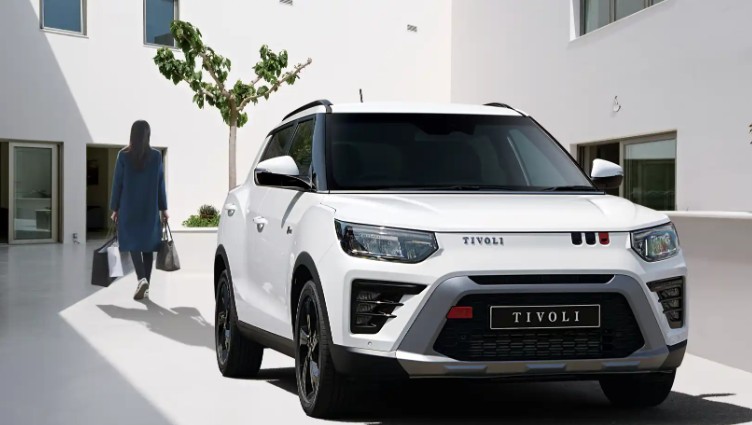
The SsangYong Tivoli arrived like an underdog entering a heavyweight fight. Stylish, affordable, practical, and slightly different from the usual sea of crossovers, it carved out a niche among drivers who wanted something outside the predictable mainstream. But beneath the sharp design and generous equipment lies a question many buyers eventually ask:
Is the Tivoli actually reliable?
The answer is not black and white. Some owners praise it as a dependable and underrated SUV, while others wrestle with electrical glitches, gearbox quirks, suspension noises, and frustrating dashboard warnings. Like a storm cloud drifting across an otherwise sunny road trip, these problems can appear unexpectedly.
In this guide, we are diving deep into the most common SsangYong Tivoli problems, the symptoms to watch for, repair costs, reliability concerns, and whether the Tivoli is still worth buying today.
Content in this publication
- Why the SsangYong Tivoli Became Popular
- Are SsangYong Tivoli Models Reliable Overall?
- Common SsangYong Tivoli Engine Problems
- Diesel Tivoli Problems Owners Frequently Report
- SsangYong Tivoli Automatic Gearbox Problems
- Manual Gearbox Problems
- Electrical Problems in the SsangYong Tivoli
- Suspension Problems and Noises
- Steering Problems in the Tivoli
- Brake Problems Owners Experience
- Air Conditioning Problems
- Interior Quality Complaints
- SsangYong Tivoli Rust Problems
- Most Problematic SsangYong Tivoli Years
- How Expensive Are Tivoli Repairs?
- Should You Buy a Used SsangYong Tivoli?
- Best Tivoli Engine Choice for Reliability
- How To Prevent Common SsangYong Tivoli Problems
- How the Tivoli Compares With Rivals
- Are SsangYong Parts Difficult To Find?
- Real Owner Experience: Why Opinions Differ So Much
- Is the SsangYong Tivoli Worth It Despite the Problems?
- Final Thoughts on SsangYong Tivoli Problems
- FAQs About SsangYong Tivoli Problems
Why the SsangYong Tivoli Became Popular
Before discussing faults, we need to understand why so many drivers considered the Tivoli in the first place.
The Tivoli succeeded because it offered:
- Affordable pricing
- High equipment levels
- Spacious interior
- Comfortable ride
- Unique styling
- Long warranty coverage in many markets
For budget-conscious families, it looked like a hidden gem. A bit like discovering a quiet café with excellent coffee while everyone else queues at the expensive chain next door.
But low ownership costs only remain attractive if reliability holds up over time.
Are SsangYong Tivoli Models Reliable Overall?
The Tivoli sits somewhere in the middle of the reliability spectrum.
It is not universally unreliable, but it also does not achieve the rock-solid reputation of rivals like the Toyota Yaris Cross or Honda HR-V.
Many Tivoli owners experience years of trouble-free driving. Others encounter recurring faults that become annoying rather than catastrophic.
The good news?
Most problems are manageable.
The bad news?
Some faults repeat across multiple model years.
The most reported Tivoli issues include:
- Electrical gremlins
- Automatic gearbox hesitation
- DPF problems in diesel models
- Suspension knocking noises
- Infotainment glitches
- Steering vibration
- Premature battery wear
- Turbo-related concerns
The severity depends heavily on maintenance history and driving habits.
Common SsangYong Tivoli Engine Problems
Petrol Engine Concerns
The petrol engines are generally more reliable than the diesels, but they are not flawless.
Owners sometimes report:
- Rough idling
- Hesitation during acceleration
- Increased fuel consumption
- Engine warning lights
In many cases, the culprit is surprisingly small.
Common causes include:
Faulty Ignition Coils
A failing ignition coil can make the engine feel shaky or sluggish. It often begins subtly, like a faint cough before a cold fully arrives.
Symptoms include:
- Misfires
- Poor acceleration
- Reduced fuel economy
- Engine management light
Fortunately, replacement costs are usually reasonable.
Carbon Build-Up
Direct-injection petrol engines can develop carbon deposits over time, especially if mostly driven in urban traffic.
This can lead to:
- Rough starts
- Reduced power
- Uneven throttle response
Regular motorway driving and quality fuel help reduce this issue.
Diesel Tivoli Problems Owners Frequently Report
Diesel Tivoli models tend to generate more complaints than petrol versions.
That does not automatically make them bad vehicles, but they require more careful ownership.
DPF Problems
The diesel particulate filter is one of the most common headaches.
Short city trips are the enemy here.
When the DPF cannot regenerate properly, soot accumulates until warning lights appear like unwelcome guests on the dashboard.
Symptoms include:
- Loss of power
- Limp mode
- Increased fuel usage
- Smoke from exhaust
- DPF warning light
Why It Happens
Diesel engines need sustained higher-speed driving to clean the DPF naturally.
Drivers who mainly use the Tivoli for:
- School runs
- City commutes
- Short trips
are far more likely to encounter DPF blockages.
How Expensive Is It?
Costs vary dramatically:
- Forced regeneration: relatively affordable
- DPF cleaning: moderate cost
- Full DPF replacement: expensive
Ignoring the warning signs can transform a minor issue into a wallet-draining repair.
Turbocharger Problems
Some diesel Tivoli owners report turbo lag or turbo failure.
The turbo is essentially the engine’s lungs under pressure. When it struggles, performance collapses.
Symptoms include:
- Whistling noises
- Loss of boost
- Black smoke
- Poor acceleration
- Excessive oil consumption
Lack of oil changes is often a major contributor.
Cheap oil and delayed servicing are like feeding junk food to an athlete. Eventually performance suffers.
SsangYong Tivoli Automatic Gearbox Problems
Automatic transmission complaints appear regularly in owner forums.
Not every Tivoli suffers from gearbox trouble, but recurring themes emerge.
Jerky Gear Changes
Some drivers notice:
- Delayed shifting
- Hesitation when accelerating
- Sudden jerks between gears
This can feel especially frustrating in stop-start traffic.
Potential Causes
Common causes include:
- Software calibration issues
- Low transmission fluid
- Worn clutch components
- Faulty sensors
Sometimes a software update solves the problem surprisingly well.
Other times, repairs become more involved.
Transmission Overheating
In hotter climates or during heavy traffic driving, some owners report overheating behavior.
Signs include:
- Burning smell
- Slipping gears
- Delayed response
Regular servicing becomes essential here.
Sadly, many owners incorrectly assume “sealed” automatic gearboxes never need maintenance.
That assumption can become painfully expensive.
Manual Gearbox Problems
Manual Tivoli models are generally more dependable, but they are not immune from faults.
Clutch Wear
Premature clutch wear occasionally appears, especially in vehicles used heavily in urban traffic.
You may be interested in reading SsangYong Tivoli 1.6 Diesel Engine Problems: Common Faults, Symptoms, and Fixes
Symptoms include:
- High biting point
- Clutch slipping
- Difficulty changing gears
Aggressive driving accelerates wear dramatically.
Think of the clutch like a pair of shoes. Gentle use extends lifespan. Abuse destroys it early.
Electrical Problems in the SsangYong Tivoli
This is arguably the Tivoli’s most common weak point.
Electrical gremlins can range from mildly irritating to genuinely frustrating.
Dashboard Warning Lights
Owners frequently report random warning lights appearing without obvious cause.
These may include:
- ABS light
- Traction control light
- Engine warning light
- Steering warning
Sometimes the issue is sensor-related rather than mechanical.
Battery Drain Problems
Battery drain is another recurring complaint.
Symptoms include:
- Flat battery overnight
- Difficulty starting
- Intermittent electronic failures
Potential causes:
- Faulty alternator
- Infotainment system remaining active
- Wiring issues
- Weak battery
Cold weather can make matters worse.
A struggling battery behaves like a tired runner nearing the finish line. Eventually it simply cannot keep going.
Infotainment System Glitches
The infotainment system occasionally freezes or crashes.
Owners report:
- Bluetooth connectivity issues
- Frozen touchscreen
- Delayed response
- Navigation errors
Software updates sometimes fix these bugs, though not always permanently.
Suspension Problems and Noises
Many Tivoli owners notice suspension-related sounds over time.
Knocking Noises From Front Suspension
A common complaint involves clunking noises over bumps.
Typical causes include:
- Worn anti-roll bar links
- Bush wear
- Shock absorber deterioration
The noise may sound dramatic even when the repair itself is relatively minor.
Still, ignoring suspension noises can eventually impact handling and tyre wear.
Premature Tyre Wear
Uneven tyre wear occasionally appears due to:
- Suspension alignment issues
- Poor wheel balancing
- Damaged components
If the steering wheel vibrates at speed, alignment should be checked immediately.
Steering Problems in the Tivoli
Heavy Steering Feel
Some owners describe inconsistent steering weight.
Symptoms include:
- Steering stiffness
- Vibration
- Pulling to one side
Electric power steering systems sometimes suffer sensor or module faults.
Software recalibration occasionally resolves the issue.
Other times, replacement parts become necessary.
Brake Problems Owners Experience
Brake-related complaints are less common but still worth mentioning.
Brake Noise
Squealing brakes often result from:
- Low-quality pads
- Dust accumulation
- Worn discs
While annoying, this is not always dangerous.
Still, unusual brake sounds should never be ignored entirely.
ABS Sensor Failures
Faulty ABS sensors can trigger warning lights and affect traction systems.
Symptoms include:
- ABS warning light
- Stability control issues
- Inconsistent braking feedback
Fortunately, sensor replacement is usually straightforward.
Air Conditioning Problems
Few things ruin a summer drive faster than weak air conditioning.
Some Tivoli owners report:
- Poor cooling performance
- Strange smells
- Intermittent compressor operation
Common causes include:
- Refrigerant leaks
- Compressor faults
- Electrical issues
Regular servicing helps prevent major failures.
Interior Quality Complaints
The Tivoli offers generous equipment, but some cabin materials reveal their budget roots over time.
Rattles and Cabin Noises
Owners sometimes notice:
- Dashboard rattles
- Door trim vibrations
- Squeaking plastics
These noises become more noticeable on rough roads.
Not catastrophic, but certainly irritating.
Seat Wear
Seat bolsters can wear faster than expected in higher-mileage vehicles.
This is especially noticeable on driver seats.
SsangYong Tivoli Rust Problems
Rust is not a widespread epidemic on the Tivoli, but it can occur in neglected examples.
Areas worth checking include:
- Wheel arches
- Underside components
- Door edges
- Suspension mounts
Vehicles exposed to salty winter roads are particularly vulnerable.
A proper inspection underneath the car is essential before buying used.
Most Problematic SsangYong Tivoli Years
Not all Tivoli model years are equal.
Early Models Tend To Have More Issues
Earlier production years experienced:
- More software bugs
- More electrical complaints
- Less refined gearbox calibration
Later models benefited from updates and improved reliability.
That does not mean newer versions are perfect, but they generally feel more polished.
How Expensive Are Tivoli Repairs?
Repair costs vary depending on the issue.
Generally Affordable Repairs
The Tivoli usually costs less to repair than premium SUVs.
Minor repairs such as:
- Sensors
- Brake pads
- Suspension links
- Batteries
are often manageable.
You may be interested in readingSsangYong Tivoli 1.6 Diesel Engine Problems: Common Faults, Symptoms, and FixesYou may be interested in reading
 Chery Tiggo 4 Pro Problems: The Real Issues Owners Should Know
Potentially Expensive Repairs
Larger expenses include:
- DPF replacement
- Turbocharger repairs
- Automatic gearbox work
- Electrical module replacement
These repairs can quickly erase the Tivoli’s affordability advantage.
Should You Buy a Used SsangYong Tivoli?
Honestly, the Tivoli can still be a smart buy if you choose carefully.
But buying blindly is risky.
What To Check Before Buying
Always inspect:
- Full service history
- DPF condition
- Warning lights
- Gearbox behavior
- Suspension noises
- Tyre wear patterns
- Electrical functions
A neglected Tivoli can become a financial headache.
A well-maintained example can deliver surprisingly good value.
Best Tivoli Engine Choice for Reliability
If reliability is the priority, many owners prefer the petrol versions.
Why?
Because they typically avoid:
- DPF problems
- Complex diesel emissions issues
- Turbo stress associated with diesel use
Diesels still make sense for high-mileage motorway drivers.
But for city driving?
Petrol is usually safer.
How To Prevent Common SsangYong Tivoli Problems
Prevention is always cheaper than repair.
Here are practical ways to keep a Tivoli healthier:
Maintenance Tips
Use Quality Oil
Cheap oil is false economy.
Always use the correct specification.
Drive Diesel Models Properly
Diesel engines need occasional longer journeys.
A weekly motorway run can help DPF regeneration enormously.
Do Not Ignore Warning Lights
Modern cars communicate problems early.
Ignoring dashboard lights is like ignoring smoke in a kitchen. Waiting rarely improves the situation.
Service the Gearbox
Transmission servicing matters even if manufacturers market the gearbox as “sealed for life.”
Fluids degrade over time.
How the Tivoli Compares With Rivals
Compared with rivals, the Tivoli sits in an interesting middle ground.
Where It Performs Well
The Tivoli often beats competitors on:
- Equipment value
- Cabin space
- Warranty coverage
- Purchase price
Where Rivals Perform Better
Competitors often offer:
- Better refinement
- Stronger resale value
- More reliable electronics
- More polished drivetrains
Vehicles like the Hyundai Kona, Kia Stonic, and Nissan Juke generally feel more mature mechanically.
Are SsangYong Parts Difficult To Find?
This depends on location.
In some countries, sourcing parts is easy.
In others, owners face:
- Longer waiting times
- Limited dealer networks
- Higher import costs
Before buying, research local parts availability carefully.
That tiny detail can dramatically affect ownership experience.
Real Owner Experience: Why Opinions Differ So Much
One fascinating aspect of the Tivoli is how divided owners can be.
Some describe years of dependable service.
Others vow never to buy another one again.
Why the contradiction?
Because maintenance quality changes everything.
A properly maintained Tivoli often performs far better than neglected examples.
It is a bit like fitness.
Two people may own identical running shoes, but the outcome depends heavily on how they use and care for them.
Is the SsangYong Tivoli Worth It Despite the Problems?
For the right buyer, yes.
The Tivoli remains appealing because it offers:
- Good practicality
- Competitive pricing
- Distinctive styling
- Comfortable driving position
But buyers must enter ownership with realistic expectations.
This is not a flawless crossover.
It is a value-focused SUV with some known weaknesses.
Treat it properly, maintain it consistently, and choose the right engine, and it can serve well.
Ignore warning signs, skip maintenance, and rely solely on luck?
That path often leads to frustration.
Final Thoughts on SsangYong Tivoli Problems
The SsangYong Tivoli is neither a disaster nor a miracle. It exists somewhere in the messy middle ground where many affordable vehicles live.
Its biggest enemies are:
- Neglected maintenance
- Short-trip diesel driving
- Ignored electrical issues
- Poor servicing habits
Yet many problems are predictable and preventable.
If we approach the Tivoli with open eyes rather than blind optimism, it can still represent excellent value in the used SUV market.
Like a talented underdog football team, it may not dominate every match, but with the right strategy and care, it can still surprise us.
FAQs About SsangYong Tivoli Problems
Is the SsangYong Tivoli reliable?
The Tivoli is moderately reliable overall. Petrol models generally perform better than diesel versions, especially for urban drivers.
What is the most common Tivoli problem?
Electrical issues and DPF problems are among the most commonly reported faults.
Are Tivoli automatic gearboxes reliable?
They can be reliable when maintained properly, but some owners report jerky shifting and hesitation issues.
Should I avoid diesel Tivoli models?
Not necessarily. Diesel models work well for motorway driving but may struggle with repeated short trips due to DPF problems.
You may be interested in readingSsangYong Tivoli 1.6 Diesel Engine Problems: Common Faults, Symptoms, and FixesYou may be interested in reading
Chery Tiggo 4 Pro Problems: The Real Issues Owners Should KnowYou may be interested in reading
 Tesla Model 3 Park Assist Unavailable: Causes, Fixes, and What It Really Means
Is the Tivoli expensive to repair?
Most routine repairs are affordable, but major issues like turbo, DPF, or gearbox failures can become costly.
If you want to know other articles similar to SsangYong Tivoli Problems: Common Issues, Reliability, and What Owners Should Know you can visit the category Common Problems.
Vauxhall Meriva Gear Change Problems: Causes, Symptoms, and Practical Fixes
Vauxhall Meriva Gearbox Problems: Symptoms, Causes, Repairs, and Costs
Vauxhall Meriva Petrol Cap Won’t Open: Causes, Quick Fixes, and Repairs
Vauxhall Meriva Key Stuck in Ignition: Causes and Fixes
Vauxhall Meriva Heater Not Working: Causes, Checks, and Fixes
Vauxhall Meriva Door Lock Fault: Causes, Diagnosis, and Fixes
Leave a Reply
More content of your interest