
Tesla Model 3 Towing Capacity

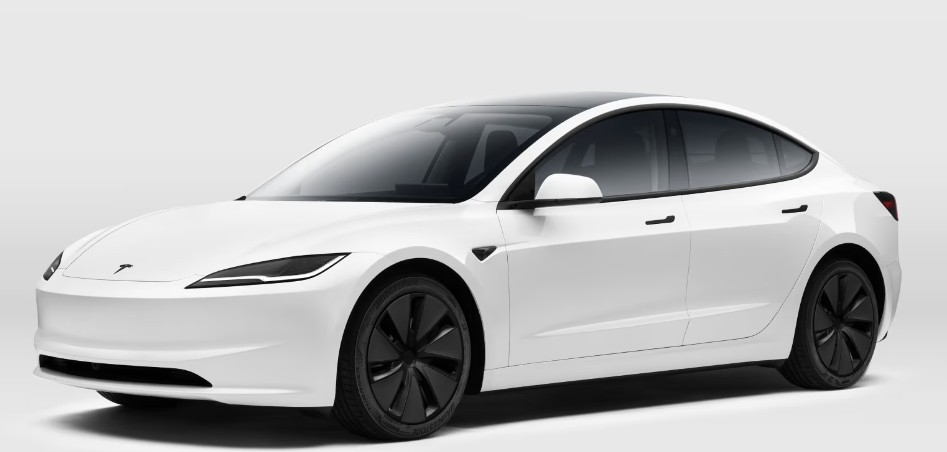
The Tesla Model 3 is often celebrated for its sleek acceleration, futuristic cabin, and impressive electric range. But there is another question quietly gaining momentum among drivers: Can the Tesla Model 3 actually tow?
At first glance, the Model 3 does not look like a towing machine. It sits low, glides silently, and feels more sports sedan than utility hauler. Yet beneath that minimalist skin lies surprising pulling power. For many owners, the Tesla Model 3 towing capacity is more than enough for bikes, small trailers, camping gear, jet skis, or even compact caravans.
Still, towing with an EV is different from towing with a petrol or diesel vehicle. Range changes dramatically. Charging requires more planning. Weight distribution matters more than many drivers realize. And perhaps most importantly, not every Model 3 variant is rated for towing in every market.
So, how much can the Tesla Model 3 tow? Which version is best for hauling? What happens to battery range while towing? And should we actually use a Model 3 as a towing vehicle long term?
Let’s unpack everything.
Content in this publication
- Understanding Tesla Model 3 Towing Capacity
- Can Every Tesla Model 3 Tow?
- Why the Tesla Model 3 Can Tow Surprisingly Well
- Tesla Model 3 Tow Hitch Options
- How Towing Affects Tesla Model 3 Range
- Real-World Tesla Model 3 Towing Experience
- Best Tesla Model 3 Version for Towing
- Tesla Trailer Mode Explained
- Tesla Model 3 Tongue Weight Limits
- Can the Tesla Model 3 Tow a Caravan?
- Can the Tesla Model 3 Tow a Boat?
- Braked vs Unbraked Towing Capacity
- How Regenerative Braking Helps While Towing
- Does Towing Damage the Tesla Model 3 Battery?
- Tesla Model 3 Towing Accessories Worth Considering
- Tips for Safe Tesla Model 3 Towing
- Tesla Model 3 vs Model Y for Towing
- Who Should Tow With a Tesla Model 3?
- Future of EV Towing
- Common Tesla Model 3 Towing Mistakes
- Is the Tesla Model 3 Good for Towing?
- Conclusion
- FAQs
Understanding Tesla Model 3 Towing Capacity
Towing capacity refers to the maximum weight a vehicle can safely pull behind it. This includes the trailer itself plus any cargo loaded onto it.
For the Tesla Model 3, towing capacity varies depending on:
- The trim level
- The country or market
- The installed tow package
- Local regulations
In many European and Australian markets, the Tesla Model 3 is officially approved for towing. In some earlier North American configurations, towing support was more limited.
The commonly quoted towing capacity for the Model 3 is:
| Tesla Model 3 Variant | Approximate Towing Capacity |
|---|---|
| Rear-Wheel Drive | Up to 1,000 kg (2,200 lbs) |
| Long Range AWD | Up to 1,000 kg (2,200 lbs) |
| Performance | Up to 1,000 kg (2,200 lbs) |
This means the Model 3 can comfortably tow:
- Small utility trailers
- Lightweight campers
- Motorcycle trailers
- Bike racks
- Small boats
- Jet skis
It is not intended for massive caravans or heavy industrial loads. Think of it as a marathon runner carrying a backpack — capable, efficient, but not built to drag a mountain behind it.
Can Every Tesla Model 3 Tow?
This is where things become slightly tricky.
Not every Model 3 configuration comes ready to tow from the factory. Some regions offer an official Tesla tow hitch package, while others do not.
Markets Where Towing Is Commonly Supported
Tesla officially supports towing in many regions including:
- Europe
- Australia
- New Zealand
In these markets, buyers can often add a factory tow package directly through Tesla.
North American Differences
In the United States and Canada, towing support has historically been more restrictive. Some owners install aftermarket hitches for bike racks or light towing, but official tow ratings may vary depending on the year and trim.
That distinction matters because:
- Warranty coverage can differ
- Software calibration may vary
- Cooling systems may be optimized differently
Before towing, it is always wise to verify your specific VIN and regional specifications.
Why the Tesla Model 3 Can Tow Surprisingly Well
Electric vehicles produce instant torque. That changes everything.
Unlike traditional combustion engines that build power gradually, EVs deliver torque immediately. The moment we touch the accelerator, the Model 3 responds like a slingshot released from tension.
This instant torque helps tremendously when towing because:
- Launching from a stop feels effortless
- Hill starts become easier
- Trailer movement feels smoother
- Acceleration remains responsive
The dual-motor Long Range version especially shines here. It distributes power intelligently between the front and rear wheels, improving traction under load.
In many situations, towing with a Model 3 actually feels smoother than towing with some petrol sedans.
Tesla Model 3 Tow Hitch Options
Factory Tow Hitch
Tesla offers an official tow package in many regions. This package typically includes:
- Tow bar
- Wiring harness
- Trailer mode software
- Stability control integration
Factory systems are usually the safest choice because they are engineered specifically for the vehicle.
Aftermarket Tow Hitches
Some owners choose aftermarket solutions from third-party manufacturers.
These are often used for:
- Bike racks
- Cargo carriers
- Small trailers
However, not all aftermarket hitches are equal. Poorly designed systems can affect:
- Structural integrity
- Warranty coverage
- Sensor functionality
It is important to choose a reputable installer.
How Towing Affects Tesla Model 3 Range
This is the biggest trade-off.
Towing dramatically reduces EV range. There is no escaping physics.
When towing, the vehicle must overcome:
- Extra weight
- Increased rolling resistance
- Additional aerodynamic drag
That last factor matters enormously. A tall trailer acts like a parachute behind the car.
Typical Range Reduction
Many owners report range losses between:
- 25%
- 50%
The exact reduction depends on:
- Trailer size
- Weight
- Speed
- Wind conditions
- Terrain
For example:
| Driving Situation | Estimated Range Impact |
|---|---|
| Small utility trailer | 15–25% reduction |
| Compact camper | 30–40% reduction |
| Large box trailer | 40–50% reduction |
A streamlined trailer behaves like a cyclist drafting behind another rider. A boxy trailer behaves like dragging a brick through the wind.
Real-World Tesla Model 3 Towing Experience
On paper, towing seems simple. Real life tells a richer story.
Owners often praise the Model 3 for:
- Stable towing dynamics
- Smooth acceleration
- Quiet driving
- Strong regenerative braking
But they also mention challenges.
Charging While Towing
This is perhaps the most inconvenient part.
Many charging stations are designed for cars without trailers attached. Drivers often need to:
- Unhitch the trailer
- Park awkwardly
- Block multiple spaces
Road trips require more planning than with traditional tow vehicles.
Range Anxiety Becomes Real
Without a trailer, EV drivers often feel relaxed. With a trailer attached, energy consumption becomes much more noticeable.
Headwinds suddenly matter. Hills matter. Speed matters.
Driving at 75 mph while towing can drain battery life astonishingly fast.
You may be interested in reading Tesla Model 3 Charge Time: The Complete Charging Guide for Every Driver
Best Tesla Model 3 Version for Towing
Long Range AWD
If we had to pick the ideal Model 3 towing setup, this would likely be it.
Why?
- Dual motors improve traction
- Better stability
- Strong acceleration
- Longer battery range
Towing naturally shortens range, so starting with a larger battery is incredibly valuable.
Performance Model
The Performance trim also tows well, but its sporty suspension and low-profile tires are less optimized for utility work.
Rear-Wheel Drive
The RWD model can tow lighter loads effectively, though range and traction may be more limited under demanding conditions.
Tesla Trailer Mode Explained
Tesla includes Trailer Mode in supported markets.
This system adjusts the vehicle’s behavior when towing.
What Trailer Mode Does
Trailer Mode can:
- Disable some parking sensors
- Adjust stability control
- Optimize braking response
- Reduce trailer sway risks
It acts like a digital co-pilot constantly monitoring the vehicle’s balance.
Without Trailer Mode, sensors may interpret the trailer as a permanent obstacle.
Tesla Model 3 Tongue Weight Limits
Towing capacity is only half the equation.
Tongue weight — the downward force applied to the hitch — also matters.
Excessive tongue weight can:
- Overload the rear suspension
- Affect steering
- Reduce braking stability
Typical Tesla Model 3 tongue weight limits are around:
- 55 kg (121 lbs)
Always verify your regional specifications.
Can the Tesla Model 3 Tow a Caravan?
Yes — but with limitations.
Small lightweight caravans are possible, especially aerodynamic models.
However, large caravans can become problematic because:
- Aerodynamic drag destroys range
- Charging becomes complicated
- Stability may suffer in crosswinds
Many owners prefer compact teardrop campers because they create less resistance.
Think of towing a streamlined camper like pulling a kayak through water. Towing a tall caravan feels more like pushing a wardrobe through a hurricane.
Can the Tesla Model 3 Tow a Boat?
In many cases, yes.
The Model 3 can often tow:
- Small fishing boats
- Jet skis
- Lightweight sailboats
Electric torque actually makes boat ramp launches surprisingly smooth.
However, caution matters near water.
Important Considerations
- Avoid submerging electrical components
- Use proper trailer brakes
- Be cautious on slippery ramps
Instant torque can quickly overpower traction if conditions are poor.
Braked vs Unbraked Towing Capacity
Many drivers overlook this distinction.
Braked Trailer
A braked trailer has its own braking system.
This allows higher towing limits because the trailer helps slow itself down.
Unbraked Trailer
An unbraked trailer relies entirely on the car’s brakes.
Typical unbraked limits for the Model 3 are lower, often around:
- 750 kg (1,650 lbs)
Always follow local towing laws.
How Regenerative Braking Helps While Towing
One hidden advantage of EV towing is regenerative braking.
When we lift off the accelerator, the car slows itself while recovering energy.
This creates several benefits:
- Reduced brake wear
- Smoother downhill control
- Better trailer stability
In some situations, towing downhill in a Tesla feels almost magical — as though the car is intelligently resisting gravity without drama.
However, regenerative braking strength may decrease when the battery is fully charged or extremely cold.
Does Towing Damage the Tesla Model 3 Battery?
Not inherently.
Towing does increase battery workload, but Tesla designs its systems with thermal management in mind.
That said, repeated heavy towing can contribute to:
- Faster tire wear
- Increased energy consumption
- More frequent charging cycles
Extreme towing in hot climates may also place additional strain on cooling systems.
For occasional recreational towing, most owners experience no major issues.
Tesla Model 3 Towing Accessories Worth Considering
Essential Accessories
If we plan to tow regularly, several accessories become valuable.
Trailer Brake Controller
Improves braking safety with heavier trailers.
Extended Side Mirrors
Helpful for wider trailers.
Tow Hitch Lock
Adds security.
Portable Air Compressor
Trailer tires often need pressure adjustments.
You may be interested in readingTesla Model 3 Charge Time: The Complete Charging Guide for Every DriverYou may be interested in reading
Tesla Model 3 Service Costs UKWeight Distribution Setup
Can improve balance on certain trailers.
Tips for Safe Tesla Model 3 Towing
Drive Slower Than Usual
Speed destroys EV efficiency while towing.
Dropping from 75 mph to 60 mph can dramatically improve range.
Plan Charging Stops Carefully
Not all charging stations are trailer-friendly.
Research ahead of time.
Distribute Weight Properly
Poor trailer balance causes sway.
Aim for stable weight distribution.
Check Tire Pressure
Both car and trailer tires matter enormously while towing.
Proper pressure improves:
- Stability
- Efficiency
- Safety
Avoid Overloading
Never exceed rated towing limits.
Even if the car feels capable, exceeding limits increases risk.
Tesla Model 3 vs Model Y for Towing
This comparison appears frequently.
The Tesla Model Y generally offers:
- Higher towing capacity
- More cargo space
- Better practicality
- Easier trailer handling
Typical Model Y towing capacity reaches:
- Up to 1,600 kg (3,500 lbs)
So while the Model 3 can tow, the Model Y is usually the superior choice for frequent towing.
The Model 3 feels like an athlete helping occasionally with heavy lifting. The Model Y feels like someone who actually enjoys moving furniture every weekend.
Who Should Tow With a Tesla Model 3?
The Model 3 works best for people who tow occasionally rather than constantly.
Ideal users include:
- Weekend campers
- Cyclists
- Jet ski owners
- Small trailer users
- Outdoor adventurers
It may not suit:
- Full-time caravan travelers
- Heavy commercial users
- Large boat owners
The vehicle’s strengths remain efficiency, technology, and daily drivability.
Towing is more of a hidden talent than its primary identity.
Future of EV Towing
The future looks promising.
Battery technology continues improving. Charging infrastructure expands yearly. Aerodynamic trailers are becoming more common.
Eventually, EV towing may feel completely normal.
Some trailer manufacturers are even developing electric trailers with their own batteries and motors to reduce range loss.
That concept sounds futuristic now, but so did electric sedans outrunning sports cars a decade ago.
Common Tesla Model 3 Towing Mistakes
Ignoring Range Reduction
Many first-time EV towers underestimate energy usage.
Driving Too Fast
Aerodynamic drag rises sharply at highway speeds.
Using Incorrect Tire Pressure
Low pressure reduces efficiency and stability.
Poor Trailer Loading
Improper balance causes dangerous sway.
Skipping Charging Research
Not every charging station accommodates trailers.
Preparation matters enormously.
Is the Tesla Model 3 Good for Towing?
Surprisingly, yes.
The Tesla Model 3 towing capacity may not rival large SUVs or pickup trucks, but it delivers competent light-duty towing performance with impressive refinement.
Its strengths include:
- Instant electric torque
- Stable handling
- Smooth acceleration
- Quiet driving experience
Its weaknesses include:
- Significant range reduction
- Charging inconvenience
- Limited heavy-duty capability
For occasional towing, the Model 3 feels remarkably capable. It transforms from sleek commuter to versatile adventure companion with unexpected confidence.
In many ways, towing with a Tesla Model 3 feels like watching a marathon runner carry camping gear up a mountain trail — graceful, efficient, and quietly stronger than expected.
Conclusion
The Tesla Model 3 proves that modern electric sedans can do more than simply commute efficiently. With a towing capacity of up to 1,000 kg (2,200 lbs) in many markets, the Model 3 offers enough capability for lightweight recreational towing without sacrificing the driving experience Tesla owners love.
Still, towing with an EV requires a mindset shift. Range planning becomes more important. Charging logistics require patience. Speed discipline matters more than ever.
But for drivers who tow occasionally — whether hauling bikes to the mountains, pulling a jet ski to the lake, or towing a compact camper into the wilderness — the Tesla Model 3 can absolutely rise to the challenge.
It may not be a traditional towing hero, but perhaps that is precisely what makes it fascinating.
FAQs
What is the Tesla Model 3 towing capacity?
Most Tesla Model 3 variants can tow up to 1,000 kg (2,200 lbs) when properly equipped with a tow package.
Does towing reduce Tesla Model 3 range?
Yes. Towing can reduce range by 25% to 50% depending on trailer weight, speed, and aerodynamics.
Can a Tesla Model 3 tow a camper?
Yes, lightweight campers and teardrop trailers are commonly towed with the Model 3.
Which Tesla Model 3 is best for towing?
The Long Range AWD version is generally considered the best option because of its dual motors and larger battery.
You may be interested in readingTesla Model 3 Charge Time: The Complete Charging Guide for Every DriverYou may be interested in reading
Tesla Model 3 Service Costs UKYou may be interested in reading
Tesla Model 3 Steering Wheel ReplacementCan the Tesla Model 3 tow a boat?
Yes, the Model 3 can tow small boats, jet skis, and lightweight watercraft within its towing limits.
If you want to know other articles similar to Tesla Model 3 Towing Capacity you can visit the category Service and Parts.
BMW 2 Series Turbo Replacement Cost UK: Complete Price Guide
BMW 2 Series Service Reset: Complete Step-by-Step Guide
BMW 2 Series Windscreen Replacement Cost UK: Complete Price Guide
BMW 2 Series Key Battery Replacement: Complete DIY Guide
BMW 2 Series Towing Capacity: Complete UK Guide
BMW 2 Series Engine Size: Complete Petrol, Diesel and M Guide
Leave a Reply
More content of your interest