

How Charge Tesla Model 3: The Complete Guide to Charging Smarter, Faster, and Easier

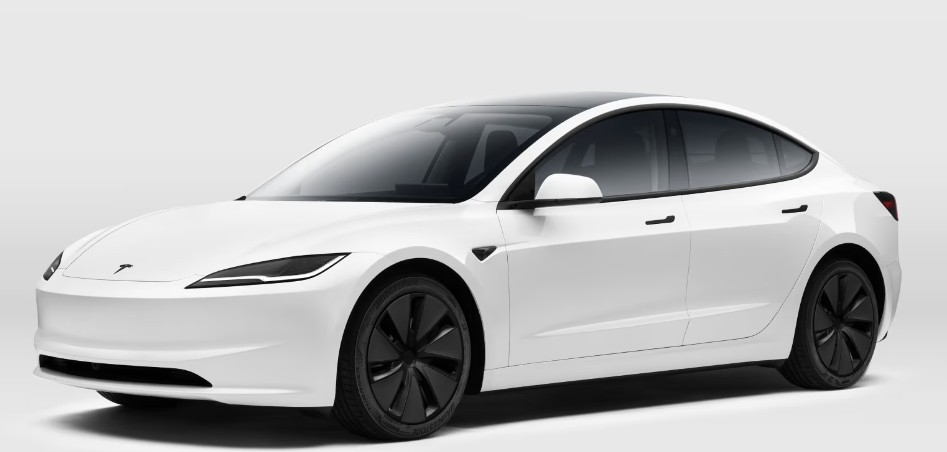
Owning a Tesla Model 3 feels a bit like stepping into the future with sneakers on. Quiet acceleration, giant touchscreen, over-the-air updates—it all feels smooth and almost surreal. But then comes the question every new owner asks sooner or later: how do we actually charge this thing properly?
At first, charging a Tesla can seem mysterious. Gas stations disappear from our routine, charging speeds vary wildly, and suddenly we’re hearing phrases like “Level 2,” “Supercharging,” and “battery preconditioning.” It’s like learning a new language, except the reward is never smelling gasoline again.
The good news? Charging a Tesla Model 3 is surprisingly simple once we understand the basics. In fact, after a few weeks, most drivers realize it’s easier than visiting a fuel station. We plug in at home, wake up with a “full tank,” and spend less time thinking about energy altogether.
In this complete guide, we’ll explore everything we need to know about how to charge a Tesla Model 3—from home charging setups and charging speeds to public chargers, battery health tips, costs, and common mistakes to avoid.
Content in this publication
- Why Charging a Tesla Model 3 Feels Different From Fueling a Gas Car
- Understanding Tesla Model 3 Charging Basics
- What Comes With the Tesla Model 3 for Charging?
- How to Charge Tesla Model 3 at Home
- Best Home Charging Setup for Tesla Model 3
- How Long Does It Take to Charge a Tesla Model 3?
- Typical Tesla Model 3 Charging Times
- How to Use Tesla Superchargers
- How Much Does It Cost to Charge a Tesla Model 3?
- Is It Better to Charge Every Night?
- How to Protect Tesla Model 3 Battery Health
- Charging Tesla Model 3 in Cold Weather
- Can We Charge Tesla Model 3 at Non-Tesla Chargers?
- Common Tesla Model 3 Charging Mistakes
- How to Schedule Charging on Tesla Model 3
- Understanding Tesla Charging Speeds
- Best Charging Habits for Daily Driving
- Road Trip Charging With Tesla Model 3
- Charging Tesla Model 3 in Apartments
- Can Solar Panels Charge a Tesla Model 3?
- What Happens If Tesla Model 3 Runs Out of Battery?
- Charging Etiquette Every Tesla Owner Should Know
- Future of Tesla Model 3 Charging
- Why Tesla Charging Becomes Second Nature
- Conclusion
- FAQs
Why Charging a Tesla Model 3 Feels Different From Fueling a Gas Car
Gasoline ownership revolves around interruption. We wait until the tank is nearly empty, then stop everything to refill.
Electric vehicle ownership flips that routine upside down.
With the Tesla Model 3, charging becomes something we do passively. Instead of visiting stations weekly, we often charge overnight while sleeping. Imagine our smartphone—but on wheels.
That psychological shift is massive.
Rather than asking:
- “Where’s the nearest gas station?”
We start asking:
- “Where can I plug in while parked anyway?”
That’s the secret behind EV convenience.
Understanding Tesla Model 3 Charging Basics
Before plugging anything in, we should understand the three main charging categories.
Level 1 Charging
This uses a normal household outlet.
- Standard 120V outlet
- Slowest charging option
- Adds roughly 3–5 miles of range per hour
It works in emergencies or for very light driving, but it’s like filling a swimming pool with a spoon.
Level 2 Charging
This is the sweet spot for most Tesla owners.
- Uses 240V power
- Common for home wall chargers
- Adds around 20–40 miles per hour
For daily charging, Level 2 is king.
DC Fast Charging (Supercharging)
This is where Tesla shines.
Tesla Superchargers can rapidly recharge the battery during road trips.
- Extremely fast charging
- Can add hundreds of miles quickly
- Best for long-distance travel
Think of it as espresso for the battery.
What Comes With the Tesla Model 3 for Charging?
When buying a Tesla Model 3, Tesla may include certain charging accessories depending on region and purchase package.
Usually, we’ll encounter:
Mobile Connector
Portable charger compatible with household outlets.
Charging Cable
Used at Superchargers and wall connectors.
Adapters
Tesla often includes adapters for public charging compatibility.
However, included equipment changes over time, so it’s smart to confirm directly through Tesla Official Website.
How to Charge Tesla Model 3 at Home
Home charging is where EV ownership becomes magical.
Step 1: Park Correctly
Position the charging port side near the charger.
The Tesla Model 3 charging port is located on the driver-side rear taillight area.
Step 2: Open the Charge Port
We can open it by:
- Tapping the screen
- Using the Tesla app
- Pressing the charger button
- Voice commands
Tiny detail, futuristic feeling.
Step 3: Plug In the Connector
Insert the charging connector firmly until the light ring appears.
Colors indicate charging status:
- Green = charging
- Blue = preparing
- Red = issue/error
Step 4: Monitor Charging
We can monitor everything through:
- Tesla touchscreen
- Tesla mobile app
The interface shows:
- Charging speed
- Estimated completion time
- Battery percentage
- Range added
Best Home Charging Setup for Tesla Model 3
Not all home setups are equal.
Standard Outlet Charging
Good for:
- Short commutes
- Occasional driving
- Emergency backup
Bad for:
- Heavy daily mileage
- Fast overnight charging
Tesla Wall Connector
The premium solution.
Benefits include:
- Faster charging
- Cleaner installation
- Smart connectivity
- Reliable performance
For many owners, this transforms the entire ownership experience.
How Long Does It Take to Charge a Tesla Model 3?
Charging time depends on several variables.
Factors That Affect Charging Speed
Battery Size
Long Range versions take longer than smaller batteries.
State of Charge
Charging slows after roughly 80%.
Temperature
Cold weather dramatically affects charging performance.
Charger Type
A household outlet versus a Supercharger is night and day.
Typical Tesla Model 3 Charging Times
Using a Household Outlet
- Full charge may take over 24 hours
Using a Level 2 Home Charger
- Around 6–10 hours
Using a Tesla Supercharger
- Roughly 15–40 minutes for major range increases
That’s why most owners combine:
- Home charging for daily life
- Supercharging for road trips
How to Use Tesla Superchargers
Tesla’s Supercharger network is one of the brand’s greatest advantages.
Finding a Supercharger
The Tesla navigation system automatically locates nearby stations.
You may be interested in reading How Long Tesla Model 3 Charge? Complete Charging Times Explained
It even plans charging stops during long trips.
That’s incredibly convenient because we don’t need spreadsheets or complicated planning.
How to Start Charging
- Park beside the charger
- Open charge port
- Plug in
- Charging starts automatically
No swiping cards. No complicated apps.
Tesla made the process refreshingly frictionless.
How Much Does It Cost to Charge a Tesla Model 3?
This is where many drivers smile.
Charging usually costs less than gasoline.
Home Charging Costs
Electricity prices vary by country and region.
Typical overnight home charging is often dramatically cheaper than fueling a gas sedan.
Supercharging Costs
Supercharging costs more than home charging but is still often competitive versus gasoline.
Pricing depends on:
- Local electricity rates
- Time of day
- Station demand
Is It Better to Charge Every Night?
Yes, usually.
Tesla batteries prefer regular, moderate charging rather than deep depletion.
It’s similar to maintaining hydration instead of waiting until we’re desperately thirsty.
Tesla’s Recommended Daily Charging Range
For daily use:
- Keep battery around 20–80%
Avoid sitting at:
- 0%
- 100%
Unless necessary for trips.
How to Protect Tesla Model 3 Battery Health
Battery health matters because replacement costs can be significant.
Thankfully, modern Tesla batteries are remarkably durable.
Avoid Excessive Supercharging
Occasional fast charging is fine.
Constant fast charging? Less ideal.
Avoid Extreme Battery Levels
Don’t regularly leave the battery:
- Completely empty
- Fully charged for long periods
Use Scheduled Charging
Charging right before departure helps battery conditioning.
Manage Heat Carefully
Extreme temperatures stress lithium-ion batteries.
Whenever possible:
- Park in shade
- Use climate scheduling
- Precondition intelligently
Charging Tesla Model 3 in Cold Weather
Winter changes everything.
Cold batteries charge slower because chemistry becomes less efficient.
It’s like trying to run through waist-deep snow.
How Tesla Helps in Winter
Tesla automatically preconditions the battery before Supercharging.
This warms the battery for optimal charging performance.
Winter Charging Tips
- Plug in overnight
- Precondition before driving
- Keep charge levels higher during winter
- Use scheduled departure features
These habits significantly improve efficiency.
Can We Charge Tesla Model 3 at Non-Tesla Chargers?
Absolutely.
Tesla has increasingly improved compatibility with public charging infrastructure.
Public Charging Networks
Depending on location, Tesla vehicles can use:
- CCS chargers
- Destination chargers
- Third-party stations
Sometimes adapters are required.
Why Public Charging Matters
Public chargers expand flexibility dramatically.
They help during:
- Apartment living
- Travel
- Emergencies
- Workplace charging
Common Tesla Model 3 Charging Mistakes
Even experienced owners make mistakes.
Waiting Until Nearly Empty
Unlike gas cars, EVs prefer topping up regularly.
Charging to 100% Daily
Unless needed for trips, it’s unnecessary.
Ignoring Charging Speeds
Not all chargers are equal.
Some public chargers are painfully slow.
Using Damaged Equipment
Always inspect cables and connectors.
Safety matters.
How to Schedule Charging on Tesla Model 3
Scheduling is one of Tesla’s most underrated features.
Benefits of Scheduled Charging
- Lower electricity costs
- Better battery health
- Warmer battery before driving
- Reduced grid demand
We can configure schedules directly through:
- Tesla app
- Vehicle touchscreen
This feature quietly saves money over time.
Understanding Tesla Charging Speeds
Charging speed is measured in:
- kW (kilowatts)
Higher kW generally means faster charging.
You may be interested in readingHow Long Tesla Model 3 Charge? Complete Charging Times ExplainedYou may be interested in reading
Waze on Tesla Model 3: Everything We Need to Know Before Using ItWhy Charging Slows Down Near 100%
This confuses many owners.
The battery slows charging intentionally to protect itself.
Imagine pouring water into a glass:
- Early on, we pour fast
- Near the top, we slow down carefully
Same concept.
Best Charging Habits for Daily Driving
Simple routines work best.
Ideal Daily Charging Routine
- Plug in overnight
- Charge to 70–80%
- Precondition before departure
- Avoid unnecessary fast charging
Consistency matters more than perfection.
Road Trip Charging With Tesla Model 3
This is where many skeptics become believers.
Tesla’s navigation system automatically calculates:
- Charging stops
- Battery percentages
- Arrival estimates
The experience feels surprisingly seamless.
Tips for Faster Road Trips
Arrive With Low Battery
Superchargers charge fastest at lower battery percentages.
Don’t Always Wait for 100%
Sometimes it’s faster overall to stop twice briefly than once for a long session.
Use Navigation
Tesla navigation intelligently manages battery temperature.
Charging Tesla Model 3 in Apartments
Apartment charging used to feel nearly impossible.
Now, infrastructure is improving rapidly.
Apartment Charging Options
- Shared charging stations
- Workplace charging
- Nearby public chargers
- Portable Level 1 charging
Some landlords increasingly install EV infrastructure because demand is rising quickly.
Can Solar Panels Charge a Tesla Model 3?
Yes—and the pairing feels almost poetic.
The sun powers the home, which powers the car, which quietly glides down the road without burning fuel.
Benefits of Solar Charging
- Reduced electricity costs
- Cleaner energy usage
- Greater energy independence
Many Tesla owners eventually explore home solar systems.
What Happens If Tesla Model 3 Runs Out of Battery?
This situation is best avoided.
Unlike gasoline cars, we can’t simply walk to a station with a fuel can.
What to Do
- Contact roadside assistance
- Tow vehicle safely
- Recharge immediately
Tesla navigation usually prevents this scenario by warning drivers early.
Still, planning matters.
Charging Etiquette Every Tesla Owner Should Know
EV charging has unspoken social rules.
Don’t Occupy Chargers Unnecessarily
Once charged sufficiently, move the vehicle.
Avoid Blocking Stalls
Park properly within lines.
Charging stations are communal resources.
Good etiquette improves the experience for everyone.
Future of Tesla Model 3 Charging
Charging technology evolves rapidly.
We’re already seeing:
- Faster charging speeds
- More charging stations
- Improved battery chemistry
- Smarter energy management
The future likely includes charging so quick and seamless that today’s concerns feel ancient.
Kind of like remembering dial-up internet.
Why Tesla Charging Becomes Second Nature
At first, EV charging feels unfamiliar.
Then something interesting happens.
We stop thinking about it.
Charging blends into everyday life quietly and efficiently. Instead of making dedicated fuel stops, we simply plug in during moments we’d already be parked anyway. Grocery shopping. Sleeping. Working. Watching a movie.
That subtle convenience becomes addictive.
And suddenly, returning to gas stations can feel oddly outdated—like rewinding from streaming services back to DVDs.
Conclusion
Learning how to charge a Tesla Model 3 is far easier than many people expect. Once we understand the difference between home charging, Level 2 charging, and Supercharging, the process becomes intuitive.
The best approach combines:
- Reliable home charging
- Smart battery habits
- Occasional Supercharger use
- Thoughtful route planning
Over time, charging becomes less of a chore and more of a background routine woven naturally into daily life.
That’s the real magic of EV ownership.
Not just driving differently.
Living differently.
FAQs
How often should we charge a Tesla Model 3?
Most owners charge daily or every few days depending on driving habits. Keeping the battery between 20% and 80% is generally ideal.
Can we plug a Tesla Model 3 into a normal outlet?
Yes. A standard outlet works, though charging is much slower than a Level 2 setup.
How fast does a Tesla Supercharger charge a Model 3?
A Supercharger can add substantial range in about 15–40 minutes depending on battery condition and charger speed.
Should we charge Tesla Model 3 to 100%?
Only when needed for long trips. Daily charging is usually best below 100%.
Is charging cheaper than gasoline?
In many regions, yes. Home charging especially tends to cost significantly less than fueling a traditional gas vehicle.
You may be interested in readingHow Long Tesla Model 3 Charge? Complete Charging Times ExplainedYou may be interested in reading
Waze on Tesla Model 3: Everything We Need to Know Before Using ItYou may be interested in reading
Tesla Model 3 Issues: The Truth About Ownership, Reliability, and Everyday ProblemsIf you want to know other articles similar to How Charge Tesla Model 3: The Complete Guide to Charging Smarter, Faster, and Easier you can visit the category Service and Parts.
Dacia Jogger Engine Size: Petrol and Hybrid Options Explained
Dacia Jogger Towing Capacity: Complete Practical Guide
Dacia Jogger Tyre Pressure: The Complete Owner’s Guide
Dacia Jogger Boot Space: Dimensions, Capacity and Practicality

Vauxhall Meriva Code 24: Meaning, Causes, and Easy Fixes
Vauxhall Meriva Code 16: Meaning, Causes, and Fixes
Leave a Reply
More content of your interest