

Tesla Model S No Heat: Causes, Fixes, Costs, and Winter Survival Guide

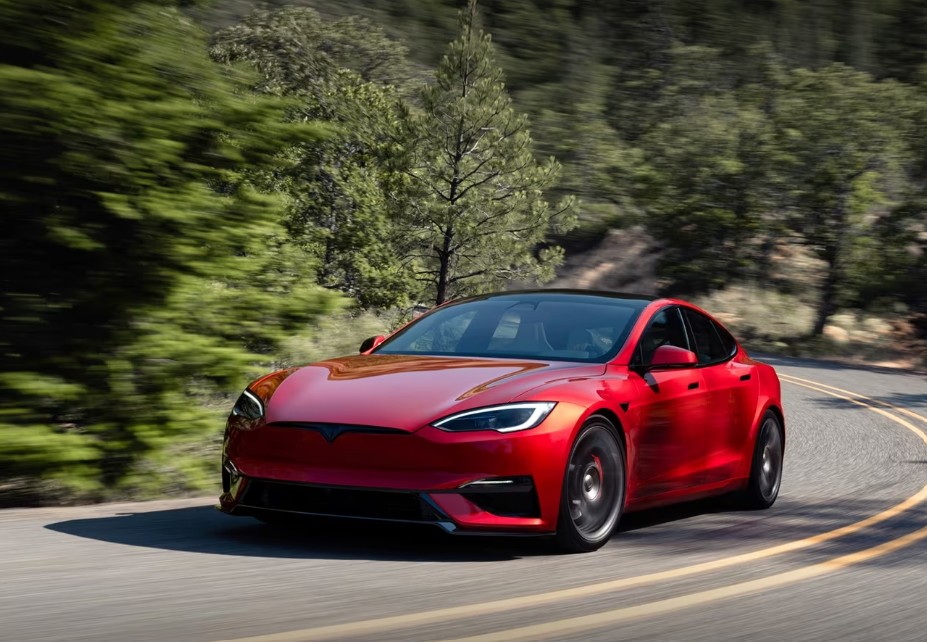
When the cabin of a Tesla Model S suddenly turns ice cold in the middle of winter, panic arrives faster than the frost on the windshield. One moment we are gliding silently down the highway, wrapped in electric luxury, and the next we are driving a futuristic refrigerator on wheels.
The “Tesla Model S no heat” problem has frustrated many owners over the years. Sometimes it is a tiny software glitch. Other times, it points toward a failing heater component, a heat pump issue, or even battery-related thermal management problems. Either way, losing cabin heat in a premium EV feels like buying a luxury penthouse and discovering the fireplace blows cold air.
In this guide, we will explore everything about Tesla Model S heating failures: symptoms, causes, diagnostics, repair costs, DIY troubleshooting, software resets, winter driving tips, and the warning signs you should never ignore.
Whether you own an older Model S with a resistive heater or a newer heat pump-equipped version, this article will help you stay warm, informed, and one step ahead of expensive repairs.
Content in this publication
- Why the Tesla Model S Heating System Matters More Than Most Cars
- Common Symptoms of Tesla Model S No Heat Problems
- How the Tesla Model S Heating System Works
- Most Common Causes of Tesla Model S No Heat
- Tesla Model S No Heat After Software Update
- Tesla Model S No Heat in Cold Weather
- Can You Drive a Tesla Model S With No Heat?
- DIY Troubleshooting for Tesla Model S No Heat
- Tesla Service Mode and Heating Diagnostics
- Tesla Model S Heat Pump Problems Explained
- Tesla Model S No Heat Repair Costs
- Warranty Coverage for Heating Problems
- Tesla Mobile Service vs Service Center
- How to Prevent Tesla Model S Heating Problems
- Tesla Model S No Heat and Battery Range
- Owner Experiences With Tesla Model S No Heat
- When You Should Contact Tesla Immediately
- Best Temporary Solutions While Waiting for Repairs
- Is Tesla Improving Heating Reliability?
- Tesla Model S No Heat: Final Thoughts
- Frequently Asked Questions
Why the Tesla Model S Heating System Matters More Than Most Cars
In a traditional gasoline vehicle, heat is almost “free.” The engine naturally creates excess warmth, and the HVAC system redirects that heat into the cabin.
Electric vehicles work differently.
The Tesla Model S must actively generate heat using electrical energy. That means:
- Cabin heating directly impacts driving range
- Heating components work harder in freezing weather
- Software plays a massive role in temperature control
- Battery thermal management is tied to HVAC operation
When heat fails in a Tesla, it is not merely uncomfortable. It can also affect:
- Battery efficiency
- Charging performance
- Defrosting ability
- Driving visibility
- Passenger safety
That is why a “no heat” issue deserves immediate attention.
Common Symptoms of Tesla Model S No Heat Problems
Heating failures rarely appear out of nowhere. Usually, the car whispers before it screams.
Here are the most common symptoms owners notice first.
Cold Air From the Vents
This is the classic sign.
We set the climate control to 75°F, expect tropical comfort, and instead receive air that feels like it came directly from Antarctica.
Sometimes the air is:
- Completely cold
- Slightly lukewarm
- Inconsistent
- Warm only while driving
Cabin Takes Forever to Warm Up
If the cabin suddenly needs 20–30 minutes to feel comfortable, something is wrong.
Tesla heating systems normally react quickly.
Slow warm-up times often point toward:
- Weak heater elements
- Heat pump inefficiency
- Coolant circulation problems
- Software calibration issues
Defroster Stops Working Properly
Poor windshield defrosting is one of the most dangerous signs.
Without proper heat:
- Fog builds rapidly
- Ice becomes difficult to remove
- Visibility drops dramatically
Winter driving without defrost is like trying to swim with your eyes closed.
HVAC Error Messages
Some owners receive warnings such as:
- “Climate keeper unavailable”
- “Cabin climate limited”
- “Heat unavailable”
- “Vehicle may not restart”
These messages can indicate deeper thermal management issues.
How the Tesla Model S Heating System Works
Before diagnosing the problem, we need to understand the heating architecture.
Older Tesla Model S Models
Earlier versions primarily used:
- Electric resistive heaters
- Coolant loops
- Cabin blower systems
These systems behave similarly to giant electric space heaters.
They work well but consume significant energy.
Newer Tesla Model S Models
Modern versions introduced:
- Heat pump technology
- Octovalve thermal systems
- Advanced energy management
A heat pump is more efficient because it transfers heat rather than simply creating it.
Think of it like moving warmth around instead of manufacturing it from scratch.
Most Common Causes of Tesla Model S No Heat
Now let us get to the heart of the issue.
Software Glitches
Ironically, one of the most advanced cars in the world can sometimes be fixed with the automotive equivalent of “turn it off and back on again.”
Tesla vehicles rely heavily on software control.
A bug after an update may cause:
- HVAC communication failures
- Sensor misreadings
- Temporary heat pump shutdowns
- Climate control malfunctions
This is surprisingly common.
Failed Heater Core or Heating Element
Older Model S vehicles may suffer from:
- Burned-out resistive heater elements
- Electrical failures
- Internal heater damage
When this occurs, the car cannot properly generate cabin heat.
Heat Pump Failure
Newer Teslas can experience:
- Compressor failures
- Refrigerant leaks
- Valve malfunctions
- Frozen components
In extremely cold climates, some owners reported complete heat pump shutdowns during severe winter storms.
Coolant System Problems
Tesla heating systems rely on coolant circulation.
Issues may include:
- Low coolant levels
- Air trapped in the system
- Coolant pump failure
- Leaks
Without proper coolant movement, heat transfer collapses.
Faulty Temperature Sensors
Sensors act like the nervous system of the climate system.
If they send incorrect data:
- The car may believe the cabin is already warm
- Heating output may reduce
- HVAC operation becomes erratic
A tiny sensor can create massive frustration.
Tesla Model S No Heat After Software Update
This is one of the most searched heating-related issues online.
Why?
Because many owners notice heating problems immediately after updates.
What Happens After an Update?
The update may:
- Reset HVAC calibration
- Temporarily confuse climate settings
- Trigger software conflicts
- Disable thermal features
Sometimes the issue resolves automatically after:
- A reboot
- Sleep cycle
- Another update
How to Reboot the Tesla Model S
A soft reboot often helps.
Steering Wheel Reset
- Park the vehicle safely
- Hold both steering wheel scroll buttons
- Keep holding for 10–15 seconds
- Wait for the screen to restart
This resets many software-controlled systems.
Power Cycling the Vehicle
If the soft reboot fails:
- Go to Controls
- Select Safety
- Tap Power Off
- Wait several minutes without touching the car
- Press the brake pedal
This deeper reset can restore HVAC behavior.
Tesla Model S No Heat in Cold Weather
Winter exposes weaknesses like a spotlight in a dark room.
Extreme Cold and EV Heating
Very low temperatures challenge:
- Batteries
- Coolant circulation
- Heat pumps
- Sensors
In freezing climates, the system must work overtime.
Frozen Heat Pump Components
Some Tesla owners experienced:
- Ice buildup
- Frozen valves
- Compressor issues
When the heat pump freezes internally, warm air disappears almost instantly.
Battery Protection Prioritization
Sometimes the car prioritizes battery temperature over cabin comfort.
Tesla systems may redirect thermal energy to:
- Protect battery cells
- Improve charging performance
- Prevent damage
That can reduce cabin heating effectiveness temporarily.
Can You Drive a Tesla Model S With No Heat?
Technically, yes.
Practically, it depends.
When It Might Be Safe
Short drives in mild weather may be manageable.
When It Becomes Dangerous
Driving without heat becomes risky if:
- Windshields fog constantly
- Temperatures drop below freezing
- Passengers are vulnerable
- Snow or ice conditions exist
Lack of defrosting is the biggest concern.
A clear windshield is not optional.
DIY Troubleshooting for Tesla Model S No Heat
Before booking a service appointment, we can try several simple checks.
Check Climate Settings
This sounds obvious, but software profiles sometimes create strange behavior.
Verify:
- Climate is enabled
- Temperature is set correctly
- “Auto” mode works
- Defrost activates normally
Inspect Mobile App Controls
Sometimes app-based climate settings conflict with in-car controls.
Try:
- Turning climate completely off
- Closing the app
- Restarting the car
- Re-enabling heating
Listen for Unusual Sounds
Pay attention to:
- Clicking noises
- Compressor whining
- Loud fan operation
- Coolant pump sounds
Silence can also indicate failure.
Look for Error Codes
Tesla service mode may display hidden diagnostics.
Some common HVAC-related alerts include:
- Heat pump communication errors
- Refrigerant pressure warnings
- Coolant flow faults
Tesla Service Mode and Heating Diagnostics
Modern Teslas are essentially computers with wheels and cupholders.
Entering Service Mode
Accessing Service Mode typically involves:
- Tapping Software
- Holding the vehicle model name
- Entering a service access code
Be cautious. Some settings should not be modified casually.
Useful HVAC Information in Service Mode
You may see:
- Coolant temperatures
- Compressor status
- HVAC sensor readings
- Thermal warnings
This can help identify whether the issue is software or hardware-related.
Tesla Model S Heat Pump Problems Explained
Heat pumps are efficient but complex.
How a Heat Pump Works
Instead of creating heat directly, it:
- Transfers thermal energy
- Compresses refrigerant
- Moves warmth into the cabin
It is similar to a refrigerator working in reverse.
Advantages of Heat Pumps
Benefits include:
- Better efficiency
- Improved winter range
- Faster cabin warming
- Reduced energy consumption
Disadvantages
The downside is complexity.
More components mean:
- More potential failure points
- More sensors
- More software integration
When things go wrong, repairs can become expensive quickly.
Tesla Model S No Heat Repair Costs
Repair costs vary dramatically depending on the root cause.
Potential cost:
- Free
- Covered by updates
- Minimal diagnostic fees
This is the best-case scenario.
Heater Element Replacement
Older resistive heater repairs may range from:
- $500–$1,500
Labor and part availability affect pricing.
Heat Pump Replacement
This can become expensive.
Typical estimates:
- $2,000–$5,000+
Luxury EV repairs rarely come cheap.
Coolant System Repairs
Possible costs:
- $300–$2,000
Depending on:
- Pump replacement
- Leak repairs
- Valve failures
Warranty Coverage for Heating Problems
Tesla warranty coverage depends on:
- Vehicle age
- Mileage
- Component involved
Basic Vehicle Limited Warranty
Many HVAC components may fall under:
- 4 years
- 50,000 miles
Coverage varies by region and production year.
Battery and Drive Unit Warranty
Heating systems are usually separate from:
- Battery warranty
- Drive unit coverage
Still, thermal management overlap may create exceptions.
Tesla Mobile Service vs Service Center
Not all heating problems require a full service center visit.
Mobile Service May Handle
- Software diagnostics
- Sensor replacement
- Minor electrical fixes
Service Centers Handle
- Heat pump replacement
- Major HVAC repairs
- Coolant system work
Complex thermal repairs often require specialized equipment.
How to Prevent Tesla Model S Heating Problems
Prevention is always cheaper than repair.
Install Software Updates Carefully
Avoid updating right before:
- Long winter trips
- Severe weather
- Important travel days
Give the system time to stabilize.
Precondition the Vehicle Regularly
Preconditioning helps:
- Warm the battery
- Maintain coolant flow
- Reduce thermal shock
It is like stretching before a workout.
Keep the Vehicle Charged
Low battery states may limit HVAC performance.
Try to:
- Avoid extremely low charge levels
- Plug in during cold nights
- Use scheduled charging
Monitor Strange HVAC Behavior Early
Small issues often become major repairs later.
Watch for:
- Weak airflow
- Odd smells
- Inconsistent temperatures
- Loud compressor noises
Tesla Model S No Heat and Battery Range
Heating and range are deeply connected.
Cabin Heat Uses Significant Energy
In winter:
- HVAC usage can reduce range noticeably
- Resistive heaters consume more energy
- Heat pumps improve efficiency
Why Range Drops in Winter
Cold weather affects:
- Battery chemistry
- Tire resistance
- HVAC demand
A winter EV behaves differently than a summer EV.
Owner Experiences With Tesla Model S No Heat
Many owners describe the experience similarly:
- Sudden onset
- Cold mornings
- Random software behavior
- Temporary fixes
Some report:
- Reboots solving the issue
- Updates fixing bugs
- Full heat pump replacements
The variety of experiences shows how interconnected Tesla systems really are.
When You Should Contact Tesla Immediately
Do not delay service if you notice:
- Burning smells
- Persistent HVAC warnings
- Total defrost failure
- Loud grinding noises
- Battery thermal alerts
These signs can indicate serious failures.
Best Temporary Solutions While Waiting for Repairs
If service appointments are delayed, consider:
- Portable blankets
- Heated seat usage
- Preconditioning while plugged in
- Shorter drives
- Windshield anti-fog products
Heated seats often consume less energy than blasting cabin heat.
Is Tesla Improving Heating Reliability?
Tesla continuously updates:
- Thermal software
- Heat pump calibration
- HVAC algorithms
Newer systems are generally more advanced, but complexity always introduces new challenges.
The company has improved winter performance substantially over time, though no system is perfect.
Tesla Model S No Heat: Final Thoughts
A “Tesla Model S no heat” issue can feel surprisingly dramatic. One failed component transforms a sleek luxury EV into a rolling freezer almost overnight.
The good news is that many heating problems stem from software glitches or manageable HVAC faults rather than catastrophic failures. Reboots, updates, and early diagnostics often resolve issues before repairs become expensive.
Still, ignoring heating problems is risky. Cabin warmth in an EV is more than comfort — it is connected to visibility, battery performance, safety, and winter drivability.
The smartest approach is proactive ownership:
- Monitor HVAC behavior
- Keep software updated carefully
- Address warning signs immediately
- Understand how Tesla thermal systems operate
Because when winter arrives, heat is not a luxury. It is survival wrapped in warm airflow.
Frequently Asked Questions
Why does my Tesla Model S blow cold air only sometimes?
Intermittent cold air often points toward software glitches, failing sensors, coolant circulation issues, or heat pump inconsistencies.
Can a software update fix Tesla Model S no heat problems?
Yes. Some HVAC issues are software-related and may disappear after updates or system resets.
How much does it cost to repair a Tesla Model S heating system?
Costs vary widely. Minor fixes may cost a few hundred dollars, while heat pump replacements can exceed $5,000.
Does cold weather affect Tesla cabin heating performance?
Absolutely. Extremely low temperatures place additional strain on the HVAC and battery thermal systems.
Is it safe to drive a Tesla Model S with no heat?
It depends on conditions. Poor defrosting and freezing temperatures can create dangerous visibility and safety issues.
If you want to know other articles similar to Tesla Model S No Heat: Causes, Fixes, Costs, and Winter Survival Guide you can visit the category Common Problems.
Toyota Hilux DPF Problems: Causes, Symptoms, Fixes, and Prevention
Toyota Hilux Issues: Common Problems, Causes and What to Check

Subaru XV Not Starting: Causes, Diagnosis, and Fixes
BMW M2 Issues: Common Problems, Reliability and What Owners Should Know
Subaru XV Issues: Common Problems, Reliability and What Owners Should Know
Subaru XV Hybrid Problems: What Owners Should Know
Leave a Reply
More content of your interest