

Tesla Model S Issues: The Truth About Reliability, Repairs, and Ownership

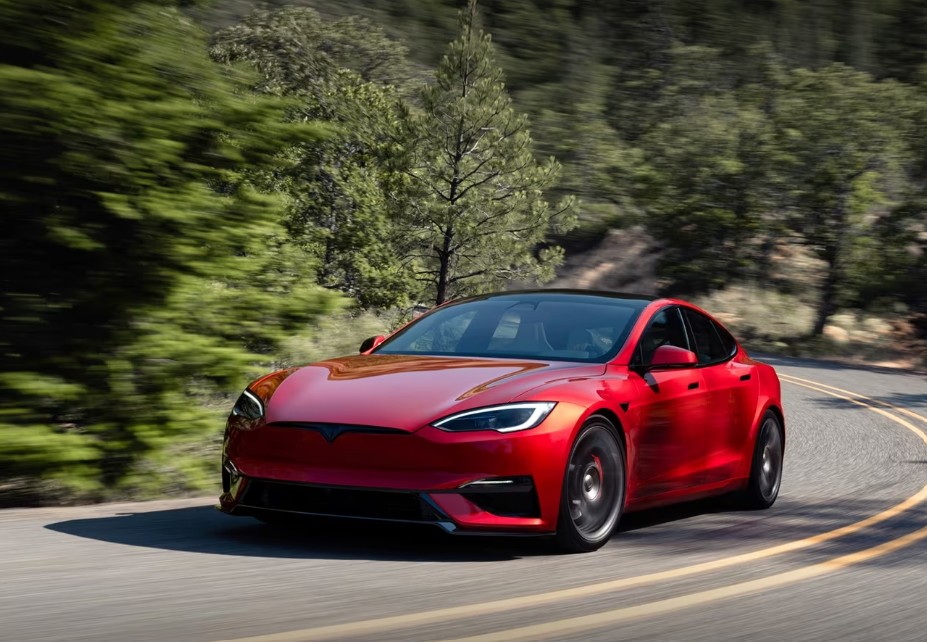
The Tesla Model S once felt like a spaceship that accidentally landed in the middle of the luxury car market. It rewrote the rules. Massive touchscreens, neck-snapping acceleration, silent performance, and futuristic software turned it into the poster child of modern electric driving.
But here’s the twist many buyers discover later: owning a Tesla Model S can sometimes feel like dating a genius with commitment issues. Brilliant one day, frustrating the next.
If we peel back the glossy marketing and social media hype, we uncover a car with undeniable strengths—and equally undeniable weaknesses. Some problems are minor annoyances. Others can become expensive headaches. And for used buyers? Understanding these issues before purchasing could save thousands of dollars and countless sleepless nights.
Let’s dive deep into the most common Tesla Model S issues, the years to watch carefully, the hidden ownership costs, and whether this groundbreaking EV still deserves a place in your driveway.
Content in this publication
- Why the Tesla Model S Still Matters
- The Most Common Tesla Model S Issues
- MCU Failure: The Expensive Screen Problem
- Suspension Problems
- Tesla Model S Panel Gaps and Build Quality Issues
- Water Leaks and Weather Sealing Problems
- Falcon Wing Envy Without Falcon Wing Doors
- Autopilot Problems and Limitations
- Charging Problems
- 12V Battery Failures
- Drive Unit Failures in Early Models
- Tesla Service Center Complaints
- Interior Wear Problems
- Cold Weather Performance Challenges
- Tesla Model S Years to Avoid
- Should We Buy a Used Tesla Model S?
- How Expensive Are Tesla Model S Repairs?
- Tesla Warranty Coverage Explained
- Why Owners Still Love the Tesla Model S
- Tesla Model S vs Traditional Luxury Cars
- How Tesla Improved the Model S Over Time
- Can Tesla Model S Issues Be Prevented?
- The Reality of Tesla Ownership
- Conclusion: Are Tesla Model S Issues a Dealbreaker?
- FAQs
Why the Tesla Model S Still Matters
Before discussing problems, we should acknowledge something important: the Model S changed the automotive industry forever.
Without it, mainstream EV adoption would likely be years behind where it is today. The Model S proved electric cars could be:
- Fast
- Luxurious
- Long-range
- Technologically advanced
- Practical for daily use
Even now, the car remains impressive. Few vehicles combine speed, software, and efficiency so effectively.
Yet innovation often comes with growing pains. And the Model S has experienced plenty.
The Most Common Tesla Model S Issues
Some Tesla Model S problems appear repeatedly across forums, owner groups, and repair reports. Others are linked to specific production years.
Here are the issues owners discuss most often.
Battery Degradation
Every EV battery degrades over time. That part is normal.
The concern with older Model S vehicles is how quickly degradation can occur in certain cases.
Most owners report:
- 5–10% range loss after several years
- Gradual reduction in charging speed
- Lower cold-weather efficiency
However, early Model S units occasionally suffered from more severe battery-related failures.
Warning Signs of Battery Problems
- Reduced range overnight
- Sudden percentage drops
- Charging interruptions
- Error messages on the dashboard
- Limited acceleration
Battery replacement costs can be eye-watering once outside warranty coverage.
Door Handle Failures
This is arguably one of the most famous Tesla Model S issues.
The retractable door handles look futuristic. They glide outward when approached, making the car feel alive. Unfortunately, they can also fail.
Owners frequently report:
- Handles refusing to present
- Handles getting stuck
- Electronic motor failures
- Frozen handles in winter
It’s a classic example of technology adding complexity where a simple mechanical solution may have worked better.
Why It Happens
The mechanism contains motors, sensors, gears, and wiring exposed to weather and repeated use. Over time, wear builds up.
Older models are especially vulnerable.
MCU Failure: The Expensive Screen Problem
The MCU (Media Control Unit) is the beating heart of the Model S interior. It controls navigation, climate, entertainment, and key vehicle functions.
Unfortunately, early Model S vehicles experienced widespread MCU failures.
Symptoms of MCU Problems
- Black touchscreen
- Slow system performance
- Frozen display
- Navigation failure
- Backup camera issues
- Loss of climate controls
The culprit was often the eMMC memory chip wearing out prematurely.
For many owners, this issue felt especially frustrating because the touchscreen controls nearly everything inside the car. When it fails, the vehicle suddenly feels half-functional.
Tesla Eventually Addressed the Issue
After significant owner complaints and regulatory pressure, Tesla acknowledged the problem and implemented repairs and recalls in some regions.
Still, buyers considering older Model S examples should verify whether the MCU has already been replaced or upgraded.
That single detail can dramatically affect ownership satisfaction.
Suspension Problems
Luxury cars usually prioritize comfort. The Model S air suspension certainly delivers a smooth ride—until problems emerge.
Common Suspension Complaints
- Air suspension leaks
- Uneven ride height
- Compressor failures
- Clunking noises
- Premature control arm wear
Some owners compare the suspension experience to owning a high-end German luxury sedan: wonderful when working, expensive when broken.
Cold Weather Complications
Air suspension systems often dislike extreme climates. Winter conditions can worsen failures, particularly in older vehicles.
Tesla Model S Panel Gaps and Build Quality Issues
One of Tesla’s most persistent criticisms involves build quality inconsistencies.
Even though newer Teslas have improved significantly, early Model S cars became notorious for:
- Uneven panel gaps
- Misaligned trim
- Paint imperfections
- Loose interior pieces
- Rattles and squeaks
For buyers paying luxury-car prices, these issues created disappointment.
Imagine buying what feels like the future, only to notice a trunk lid aligned like a crooked picture frame.
That disconnect frustrated many early adopters.
Water Leaks and Weather Sealing Problems
Surprisingly, some Model S owners have reported water intrusion problems.
Areas Commonly Affected
- Panoramic roof seals
- Trunk seals
- Door seals
- Tail light moisture buildup
Water leaks may sound minor at first, but modern vehicles rely heavily on electronics. Moisture and electronics mix about as well as sand and laptop keyboards.
Falcon Wing Envy Without Falcon Wing Doors
While the Model X became infamous for its complex Falcon Wing doors, the Model S isn’t entirely immune to door-related frustrations.
Window Alignment Issues
Some owners report:
- Wind noise
- Poor sealing
- Frameless window misalignment
- Window calibration failures
These issues are particularly noticeable at highway speeds.
A quiet EV cabin amplifies every rattle, whistle, and vibration. Problems that might go unnoticed in a gasoline vehicle suddenly become impossible to ignore.
Autopilot Problems and Limitations
Tesla’s Autopilot system remains one of the most advanced driver-assistance technologies available. But it’s far from perfect.
Common Autopilot Complaints
- Phantom braking
- Lane positioning confusion
- Inconsistent behavior
- Sensor calibration issues
- Sudden disengagements
What Is Phantom Braking?
This occurs when the car unexpectedly brakes despite no visible obstacle.
Owners describe it as unsettling—and sometimes terrifying—especially on highways.
Software Updates: Blessing and Curse
Tesla continuously updates vehicles through over-the-air software updates.
This is revolutionary. But it also introduces unpredictability.
Some updates improve:
- Efficiency
- User interface
- Features
- Charging performance
Others introduce:
- Bugs
- Glitches
- Reduced functionality
- Unexpected changes
Owning a Tesla sometimes feels like beta-testing the future in real time.
Charging Problems
Although Tesla’s Supercharger network remains industry-leading, some Model S owners encounter charging-related frustrations.
Frequent Charging Issues
- Reduced charging speed
- Charging port failures
- Battery preconditioning problems
- Supercharger communication errors
Older Model S batteries may also charge slower than newer Tesla models.
This matters because charging speed directly affects road-trip convenience.
12V Battery Failures
Ironically, one of the most common Tesla Model S issues involves a tiny traditional battery.
Why the 12V Battery Matters
Even though the car runs on a massive high-voltage battery pack, many essential systems depend on the smaller 12V battery.
When it fails:
- The car may not start properly
- Doors can malfunction
- Screens may go dark
- Electronic systems behave erratically
Fortunately, replacement costs are relatively manageable compared to major battery repairs.
Still, it catches many owners off guard.
Drive Unit Failures in Early Models
Early Tesla Model S vehicles experienced significant drive unit concerns.
Symptoms of Drive Unit Problems
- Whining noises
- Vibration during acceleration
- Power loss
- Reduced efficiency
Tesla replaced many drive units under warranty, but buyers shopping used models should investigate repair history carefully.
A replaced drive unit can actually be a positive sign.
Tesla Service Center Complaints
Some Tesla owners praise the service experience. Others describe it as maddening.
Common Service Frustrations
- Long wait times
- Limited communication
- Parts delays
- Inconsistent repair quality
- Limited service center availability
Unlike traditional automakers with massive dealer networks, Tesla’s service infrastructure still feels stretched in some regions.
That becomes especially noticeable when repairs are urgent.
Interior Wear Problems
The minimalist interior looks sleek, but certain materials have drawn criticism.
Areas That May Wear Prematurely
- Seat bolsters
- Steering wheel surfaces
- Center console trim
- Soft-touch coatings
Luxury expectations are high in this price category. Minor wear feels more noticeable when buyers expect premium durability.
Cold Weather Performance Challenges
EVs generally dislike freezing temperatures, and the Model S is no exception.
- Reduced driving range
- Slower charging
- Frozen door handles
- Sluggish touchscreen response
- Cabin heating efficiency concerns
Drivers in colder climates should expect meaningful seasonal range reductions.
That reality surprises many first-time EV owners.
Tesla Model S Years to Avoid
Not all Model S years are equal.
2012–2015 Models
These early cars often experience:
- MCU failures
- Drive unit problems
- Suspension issues
- Build quality inconsistencies
2016–2018 Models
Improvements appeared, but:
- Door handle failures continued
- Some battery concerns remained
- Autopilot hardware evolved rapidly
2021+ Refresh Models
These vehicles improved dramatically in many areas:
- Better interior quality
- Faster hardware
- Improved refinement
- Updated battery systems
Still, even newer models can experience software quirks and occasional quality concerns.
Should We Buy a Used Tesla Model S?
The answer depends heavily on:
- Budget
- Risk tolerance
- Warranty coverage
- Repair history
A well-maintained Model S can still feel futuristic years later. But a neglected one can quickly become a financial black hole.
What to Check Before Buying
- Battery health
- MCU replacement status
- Suspension condition
- Service history
- Drive unit repairs
- Tire wear
- Charging performance
- Panel alignment
A pre-purchase inspection is essential.
Skipping it would be like skydiving after only checking half the parachute.
How Expensive Are Tesla Model S Repairs?
Repair costs vary dramatically.
Potential Repair Costs
| Issue | Estimated Cost |
|---|---|
| Door handle repair | $300–$1,000 |
| MCU replacement | $1,500–$3,000 |
| Air suspension repair | $1,000–$4,000 |
| Battery replacement | $10,000–$20,000+ |
| Drive unit replacement | $4,000–$8,000 |
These figures depend on region, warranty status, and service provider.
Tesla Warranty Coverage Explained
Tesla warranties help reduce ownership anxiety—at least temporarily.
Typical Coverage Includes
- Basic vehicle warranty
- Battery warranty
- Drive unit warranty
However, warranty details vary by year and configuration.
Used buyers should verify:
- Remaining warranty
- Transfer eligibility
- Battery coverage status
Because once the battery warranty expires, ownership feels very different.
Why Owners Still Love the Tesla Model S
After everything we’ve discussed, a reasonable question emerges:
Why do people still adore this car?
Because despite its flaws, the Model S remains extraordinary.
What Owners Praise Most
- Incredible acceleration
- Quiet cabin
- Smooth driving experience
- Supercharger access
- Minimal maintenance
- Futuristic technology
- Over-the-air updates
- Massive cargo space
Driving a Model S still feels special.
Even older examples possess a strange magnetic personality. The car feels less like a machine and more like an evolving digital device on wheels.
Tesla Model S vs Traditional Luxury Cars
Traditional luxury sedans also suffer from expensive problems.
Compare the Model S against:
- BMW 7 Series
- Mercedes-Benz S-Class
- Audi A8
And we’ll find:
- Air suspension failures
- Electronic glitches
- Costly repairs
- Complex technology
The difference is that Tesla’s problems often revolve around software and electronics rather than engines and transmissions.
In some ways, the Model S replaced old luxury-car headaches with entirely new ones.
How Tesla Improved the Model S Over Time
Tesla learns quickly.
Newer Model S versions benefit from:
- Better manufacturing consistency
- Improved battery chemistry
- Faster processors
- Enhanced suspension tuning
- Quieter cabins
- Better range efficiency
The company’s rapid evolution means newer vehicles feel substantially more refined than early models.
Can Tesla Model S Issues Be Prevented?
Not entirely. But smart ownership helps.
Tips to Reduce Problems
- Avoid constantly charging to 100%
- Keep software updated
- Address warning messages early
- Rotate tires regularly
- Inspect suspension annually
- Use climate preconditioning in winter
- Monitor battery health
Preventive care matters more than many owners realize.
The Reality of Tesla Ownership
Owning a Model S feels different from owning a normal car.
Sometimes it feels magical:
- New features appear overnight
- Acceleration feels unreal
- Charging becomes effortless
- The car evolves continuously
Other times, it feels experimental:
- Random glitches
- Unexpected software behavior
- Service frustrations
- Technology hiccups
The ownership experience sits somewhere between driving a luxury sedan and carrying a giant smartphone on wheels.
That duality defines the Model S experience.
Conclusion: Are Tesla Model S Issues a Dealbreaker?
The Tesla Model S is neither perfect nor disastrous. It’s a revolutionary car wrapped inside an occasionally frustrating ownership experience.
Early models suffer from more reliability concerns, particularly involving:
- Door handles
- MCU failures
- Suspension systems
- Drive units
Newer versions are significantly better, though no Tesla is entirely free from software quirks or quality concerns.
If we buy carefully, verify service history, and understand the risks, the Model S can still be one of the most rewarding EVs on the road.
But going in blindly? That’s where trouble begins.
Like a brilliant but temperamental artist, the Model S dazzles us with genius while occasionally testing our patience.
And somehow, many owners still fall in love with it anyway.
FAQs
Is the Tesla Model S reliable?
Newer Tesla Model S vehicles are generally more reliable than early models. However, software issues and electronic problems can still occur.
What is the biggest Tesla Model S problem?
MCU failures, door handle issues, and suspension problems are among the most commonly reported concerns.
How long does a Tesla Model S battery last?
Most Tesla Model S batteries are expected to last 300,000–500,000 miles with gradual degradation over time.
Are Tesla Model S repairs expensive?
Some repairs can be very expensive, especially battery, suspension, or drive unit replacements outside warranty coverage.
Which Tesla Model S years should we avoid?
Many buyers approach 2012–2015 models cautiously due to higher rates of MCU, suspension, and drive unit issues.
If you want to know other articles similar to Tesla Model S Issues: The Truth About Reliability, Repairs, and Ownership you can visit the category Common Problems.
Kia Sorento Issues: Common Problems, Reliability and What to Watch For

Honda Passport Not Starting: Causes, Symptoms, and How to Fix It
Honda Passport Keyless Remote Battery Low: What It Means and How to Fix It
Nissan Rogue Apple CarPlay Not Working: Causes and Fixes
Nissan Rogue No Key Detected: Causes, Fixes, and What to Do
Nissan Rogue Engine Problems: Common Issues, Symptoms, Years and Solutions
Leave a Reply
More content of your interest