

BMW i3 Battery Replacement Cost: The Real Price of Keeping This Electric Icon Alive

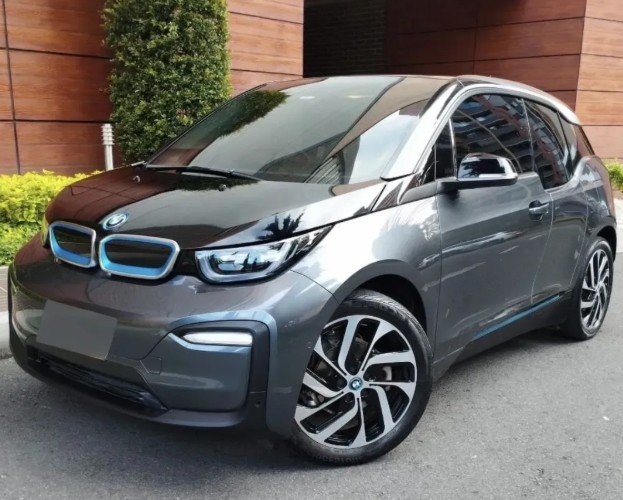
The BMW i3 arrived like a spaceship in a parking lot full of ordinary cars. With its carbon-fiber body, futuristic cabin, and quirky personality, it quickly became one of the most recognizable electric vehicles on the road. But as these EVs age, one question keeps echoing through forums, dealerships, and buyer conversations:
“How much does a BMW i3 battery replacement cost?”
It’s a fair question. Batteries are the beating heart of any electric car, and replacing one can feel like replacing the soul of the vehicle itself. The good news? The reality is often less terrifying than the rumors suggest.
In this guide, we’ll explore real-world BMW i3 battery replacement costs, what influences pricing, how long the battery lasts, whether replacement is even necessary, and how owners can dramatically extend battery life. We’ll also compare costs with other EVs, break down warranty coverage, and explain whether replacing the battery actually makes financial sense.
Let’s plug in and dive deep.
Content in this publication
- Why the BMW i3 Battery Matters So Much
- How Much Does a BMW i3 Battery Replacement Cost?
- Understanding the Different BMW i3 Battery Sizes
- What Actually Gets Replaced?
- How Long Does a BMW i3 Battery Last?
- BMW i3 Battery Warranty Coverage
- Signs Your BMW i3 Battery May Need Replacement
- Why BMW i3 Batteries Usually Age Gracefully
- Can You Upgrade to a Bigger Battery?
- Dealer Replacement vs Independent EV Specialists
- Refurbished BMW i3 Batteries: Are They Worth It?
- How Much Does Labor Cost for Battery Replacement?
- BMW i3 Battery Replacement Cost vs Other EVs
- Does Insurance Cover Battery Replacement?
- Can DIY Owners Replace a BMW i3 Battery?
- How to Extend BMW i3 Battery Life
- Is Replacing the BMW i3 Battery Worth It?
- Used BMW i3 Buyers: What Should You Check First?
- The Hidden Truth About EV Battery Panic
- Future Trends in BMW i3 Battery Costs
- Should You Fear BMW i3 Battery Replacement Costs?
- FAQs
Why the BMW i3 Battery Matters So Much
Unlike traditional cars that rely on combustion engines, the BMW i3 depends entirely on its high-voltage battery pack for performance, efficiency, and range.
Think of the battery as the car’s fuel tank, engine, and nervous system all wrapped into one sleek package.
Without a healthy battery:
- Range drops
- Charging slows down
- Performance suffers
- Resale value declines
- Ownership anxiety skyrockets
That’s why understanding battery replacement costs isn’t just helpful—it’s essential for anyone considering a used BMW i3 or planning long-term ownership.
How Much Does a BMW i3 Battery Replacement Cost?
The average BMW i3 battery replacement cost typically falls between $5,000 and $18,000, depending on several factors:
| Battery Type | Estimated Replacement Cost |
|---|---|
| 60 Ah battery | $5,000–$9,000 |
| 94 Ah battery | $8,000–$13,000 |
| 120 Ah battery | $12,000–$18,000 |
These figures may include:
- Battery modules
- Labor
- Diagnostic work
- Cooling system servicing
- Software programming
However, prices vary wildly based on region, dealer labor rates, and whether the battery is new, refurbished, or salvaged.
A brand-new OEM battery from BMW is naturally the most expensive option.
Understanding the Different BMW i3 Battery Sizes
60 Ah Battery Pack
The earliest BMW i3 models used a 60 Ah battery.
Key specs:
- Roughly 22 kWh gross capacity
- About 81 miles EPA range
- Found in 2014–2016 models
These packs are now the cheapest to replace because they’re older and less desirable.
Still, they remain surprisingly durable.
94 Ah Battery Pack
Introduced in 2017, the 94 Ah pack improved range dramatically.
Highlights:
- Around 33 kWh capacity
- Approximately 114 miles EPA range
- Better thermal management
This version hits a sweet spot between affordability and usability.
120 Ah Battery Pack
The final evolution of the i3 battery arrived in 2019.
Features include:
- Around 42 kWh capacity
- Up to 153 miles EPA range
- Improved efficiency and chemistry
Naturally, this is the most expensive replacement battery.
But it also gives the car a second life.
What Actually Gets Replaced?
Here’s where things get interesting.
Many people imagine replacing the entire battery pack like swapping out a giant laptop battery. In reality, BMW technicians often replace only faulty modules.
That can drastically reduce costs.
Battery Module Replacement vs Full Pack Replacement
Module Replacement
Cost: Usually $1,500–$5,000
This involves:
- Diagnosing bad cells
- Replacing specific modules
- Rebalancing the battery
It’s far cheaper and surprisingly common.
Full Battery Replacement
Cost: $10,000–$18,000+
This is reserved for:
- Severe degradation
- Flood damage
- Major internal failure
- Multiple bad modules
For most owners, full replacement is rare.
How Long Does a BMW i3 Battery Last?
The BMW i3 battery has earned a surprisingly strong reputation for longevity.
Many owners report:
- Minimal degradation after 100,000 miles
- 85–90% battery health after years of use
- Consistent charging performance
That’s impressive for an older EV.
Expected Battery Lifespan
Most BMW i3 batteries can last:
- 10–15 years
- 150,000–250,000 miles
Sometimes even longer with proper care.
The battery isn’t a ticking time bomb. It’s more like a marathon runner slowly losing stamina over decades.
BMW i3 Battery Warranty Coverage
BMW provided solid battery warranty protection for the i3.
Standard Warranty
Most models include:
- 8 years
- 100,000 miles
Coverage typically applies if battery capacity falls below around 70%.
This warranty dramatically reduces ownership risk.
What the Warranty Covers
Usually included:
- Defective modules
- Excessive degradation
- High-voltage component failures
Usually excluded:
- Accident damage
- Water intrusion
- Improper repairs
- Neglect
Before buying a used i3, checking remaining battery warranty is absolutely critical.
Signs Your BMW i3 Battery May Need Replacement
Battery degradation rarely happens overnight.
The symptoms creep in quietly, like winter fog rolling over a highway.
Common Warning Signs
Reduced Driving Range
If your i3 suddenly loses significant range, degraded cells may be the culprit.
Charging Problems
Slow charging or interrupted charging sessions can signal battery issues.
Warning Lights
Battery management system alerts should never be ignored.
Power Loss
Acceleration may feel weaker if battery performance declines.
Unusual Temperature Behavior
Overheating during charging or driving can indicate module problems.
Why BMW i3 Batteries Usually Age Gracefully
The i3 avoids catastrophic degradation better than many early EVs because BMW engineered it intelligently.
Advanced Thermal Management
The battery uses liquid cooling and heating systems.
This matters enormously.
Heat is the enemy of lithium-ion batteries. BMW’s cooling strategy acts like sunscreen for the pack.
Conservative Battery Buffer
BMW intentionally limited usable capacity.
That means drivers never fully stress the battery, even when charging to “100%.”
It’s like keeping a safety margin in a savings account.
Can You Upgrade to a Bigger Battery?
This question fascinates many owners.
Technically, yes—some upgrades are possible.
But the process isn’t simple.
Potential Upgrade Paths
Owners of older 60 Ah models sometimes explore:
- 94 Ah upgrades
- 120 Ah conversions
However:
- Compatibility issues exist
- Software programming is required
- Labor costs can be substantial
In many cases, buying a newer i3 may actually cost less.
Still, enthusiasts love the idea of giving older i3s modern range.
Dealer Replacement vs Independent EV Specialists
Where you replace the battery matters almost as much as the battery itself.
BMW Dealerships
Advantages:
- Factory-trained technicians
- Genuine OEM parts
- Warranty-backed work
Disadvantages:
- Higher labor rates
- Less flexibility
- Potentially expensive diagnostics
Independent EV Shops
Advantages:
- Lower pricing
- Creative repair solutions
- Refurbished battery options
Disadvantages:
- Varying experience levels
- Limited warranty coverage
- Availability depends on location
Choosing the right shop can save thousands.
Refurbished BMW i3 Batteries: Are They Worth It?
Refurbished packs have become increasingly popular.
And honestly? They often make sense.
Benefits of Refurbished Batteries
- Lower cost
- Reduced environmental impact
- Faster availability
- Adequate performance for older cars
Potential Risks
- Unknown battery history
- Shorter lifespan
- Inconsistent balancing
- Limited warranties
A quality refurbished battery from a reputable EV specialist can be a smart middle-ground option.
How Much Does Labor Cost for Battery Replacement?
Labor alone can range from $1,000 to $4,000.
Why so expensive?
Because high-voltage EV systems require:
- Specialized training
- Safety equipment
- Software calibration
- Extensive diagnostics
Replacing a BMW i3 battery isn’t like changing spark plugs in an old sedan. It’s closer to performing surgery on a rolling computer.
BMW i3 Battery Replacement Cost vs Other EVs
The i3 actually compares reasonably well against other electric vehicles.
| EV Model | Estimated Battery Replacement Cost |
|---|---|
| BMW i3 | $5,000–$18,000 |
| Nissan Leaf | $4,000–$12,000 |
| Tesla Model S | $12,000–$22,000 |
| Chevrolet Bolt EV | $8,000–$16,000 |
| Hyundai Kona Electric | $7,000–$15,000 |
The i3 lands somewhere in the middle.
Not cheap. But not outrageous either.
Does Insurance Cover Battery Replacement?
Sometimes.
It depends entirely on why the battery failed.
Usually Covered
- Collision damage
- Flood damage
- Fire-related incidents
- Theft-related repairs
Usually Not Covered
- Normal wear
- Aging
- Capacity degradation
- Manufacturing defects outside warranty
Always review EV-specific coverage with your insurer.
Can DIY Owners Replace a BMW i3 Battery?
Technically possible?
Yes.
Recommended?
Absolutely not for most people.
Why DIY Battery Replacement Is Dangerous
High-voltage systems can exceed 300 volts.
That level of electricity can cause:
- Severe injury
- Electrocution
- Fire risk
- Permanent vehicle damage
Even experienced mechanics often avoid EV battery repairs without specialized certification.
How to Extend BMW i3 Battery Life
Want to avoid replacement costs entirely?
Battery care matters.
A lot.
Best Practices for Battery Longevity
Avoid Frequent DC Fast Charging
Occasional fast charging is fine. Constant use accelerates wear.
Keep Charge Levels Moderate
Living between 20% and 80% helps reduce stress.
Avoid Extreme Heat
Heat degrades lithium-ion cells faster than almost anything else.
Drive Smoothly
Aggressive acceleration creates additional thermal stress.
Use Scheduled Charging
Charging overnight during cooler temperatures can help battery health.
Think of battery care like maintaining athletic endurance. Consistency beats intensity every time.
Is Replacing the BMW i3 Battery Worth It?
This depends on the car’s value and condition.
When It Makes Sense
Battery replacement may be worthwhile if:
- The car is otherwise in excellent condition
- You love the i3’s design and driving experience
- Replacement cost is reasonable
- The vehicle has low mileage
When It May Not Make Sense
Replacement may not be practical if:
- The repair exceeds vehicle value
- Multiple expensive repairs are looming
- You need significantly more range
- A newer EV fits your lifestyle better
Sometimes replacing the battery breathes new life into the car.
Other times it’s like putting a luxury watch movement into a cracked plastic toy.
Context matters.
Used BMW i3 Buyers: What Should You Check First?
Shopping for a used i3?
Battery health should dominate your checklist.
What to Inspect
Battery Capacity
Ask for battery health diagnostics.
Charging Speed
Test Level 2 and DC charging if possible.
Range Consistency
Compare real-world range against factory estimates.
Warranty Status
Remaining warranty can save thousands.
Service Records
Consistent maintenance matters more than mileage alone.
A well-maintained high-mileage i3 can outperform a neglected low-mileage one.
Let’s be honest.
The internet loves fear.
Search results make EV battery replacement sound like financial apocalypse. But real-world data paints a calmer picture.
Most BMW i3 owners never replace the full battery pack.
Instead, they experience:
- Gradual degradation
- Minor module repairs
- Years of reliable use
The battery narrative often resembles storm clouds that look terrifying from a distance but barely produce rain.
Future Trends in BMW i3 Battery Costs
Battery prices continue falling across the EV industry.
That trend could benefit i3 owners significantly.
What We May See Soon
- Cheaper refurbished packs
- Expanded aftermarket support
- Improved module repair techniques
- More EV-specialized repair shops
As EV technology matures, replacement costs should become less intimidating.
The i3 may age into a surprisingly affordable electric classic.
Should You Fear BMW i3 Battery Replacement Costs?
Fear? Probably not.
Respect? Absolutely.
The BMW i3 battery replacement cost can be expensive, but catastrophic failures remain relatively uncommon. Thanks to solid engineering, thermal management, and conservative battery design, the i3 has proven more durable than many skeptics expected.
For most owners, battery degradation happens slowly enough that the car remains practical for years. And even if replacement eventually becomes necessary, module-level repairs or refurbished options can dramatically reduce expenses.
The bigger picture matters here.
Owning an EV is different from owning a gasoline car. Instead of oil leaks and transmission failures, the battery becomes the centerpiece of long-term ownership. But the i3 handles that responsibility remarkably well.
In many ways, the BMW i3 feels like a glimpse into the future that arrived early—and aged better than anyone anticipated.
FAQs
How much does it cost to replace a BMW i3 battery?
The average BMW i3 battery replacement cost ranges from about $5,000 to $18,000 depending on battery size, labor, and whether the pack is new or refurbished.
How long does a BMW i3 battery last?
Most BMW i3 batteries can last 10–15 years or between 150,000 and 250,000 miles with proper maintenance and charging habits.
Can individual BMW i3 battery modules be replaced?
Yes. In many cases, technicians replace faulty modules instead of the entire battery pack, significantly lowering repair costs.
Does BMW warranty the i3 battery?
Yes. Most BMW i3 models include an 8-year/100,000-mile battery warranty covering excessive degradation and manufacturing defects.
Is it worth replacing a BMW i3 battery?
It can be worth it if the car is otherwise in excellent condition and the replacement cost is reasonable compared to buying another EV.
If you want to know other articles similar to BMW i3 Battery Replacement Cost: The Real Price of Keeping This Electric Icon Alive you can visit the category Service and Parts.
Land Rover Defender 90 Tyre Pressure: Complete Guide
Land Rover Defender 90 Weight: Kerb Weight, GVW and Payload Explained
Land Rover Defender 90 Towing Capacity: Complete Guide
Land Rover Defender 90 Boot Space: Size, Dimensions and Practicality

Toyota Hilux Key Battery Replacement: Complete DIY Guide
Toyota Hilux Windscreen Replacement Cost: Prices, Factors, and Money-Saving Tips
Leave a Reply
More content of your interest