
BMW i3 Real World Range: What Drivers Actually Experience Daily

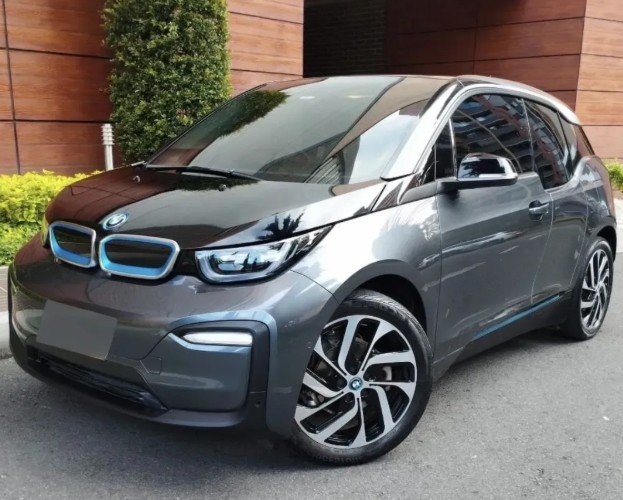
The electric car world is packed with bold promises, glossy brochures, and optimistic range figures that often feel as realistic as claiming we can survive on one potato chip. Yet when it comes to the BMW i3, something interesting happens. Despite its age, quirky styling, and compact footprint, the BMW i3 continues to surprise drivers with remarkably usable real-world efficiency.
But here’s the million-dollar question: what is the BMW i3 real world range actually like once we leave laboratory testing behind and enter traffic jams, cold mornings, highway cruising, and everyday errands?
Let’s peel back the layers and explore what owners genuinely experience behind the wheel of one of the most unique EVs ever built.
Content in this publication
- Why the BMW i3 Still Matters in Today’s EV Market
- Understanding BMW i3 Battery Generations
- What “Real World Range” Actually Means
- BMW i3 City Range vs Highway Range
- How Weather Impacts BMW i3 Real World Range
- The Hidden Secret Behind the BMW i3’s Efficiency
- BMW i3 Energy Consumption Explained
- Can the BMW i3 Handle Long Trips?
- BMW i3 REx Models and Real World Range
- How Driving Style Changes BMW i3 Range
- Eco Pro and Eco Pro+ Modes Explained
- BMW i3 Real World Range by Driving Scenario
- Battery Degradation in the BMW i3
- Real Owner Experiences With BMW i3 Range
- How the BMW i3 Compares to Modern EVs
- Charging Habits That Improve Real World Range
- The Best BMW i3 Version for Real World Range
- How Much Does Charging a BMW i3 Cost?
- BMW i3 Range Anxiety: Is It Still a Problem?
- Used BMW i3 Buying Tips
- Is the BMW i3 Real World Range Enough in 2026?
- The Emotional Side of BMW i3 Ownership
- Final Thoughts on BMW i3 Real World Range
- FAQs
Why the BMW i3 Still Matters in Today’s EV Market
The BMW i3 debuted years before electric cars became mainstream. Back then, many people viewed EVs as science projects on wheels. The i3 changed that perception.
Instead of simply electrifying a regular car, BMW built the i3 from the ground up as an EV. Carbon fiber construction, lightweight engineering, recycled materials, and futuristic design made it feel like a spaceship parked beside ordinary hatchbacks.
Even now, the i3 remains relevant because:
- It is incredibly efficient
- It feels premium inside
- It offers excellent city maneuverability
- It has surprisingly low running costs
- Used prices can be attractive
Most importantly, its real-world range often exceeds expectations for urban drivers.
Understanding BMW i3 Battery Generations
One reason the “BMW i3 real world range” conversation becomes confusing is because there are multiple battery versions.
60 Ah BMW i3 (2014–2016)
This was the original version.
Battery Capacity
- Gross: 22 kWh
- Usable: Around 18.8 kWh
Typical Real World Range
- 70–90 miles
In warm weather and city driving, some owners stretch beyond 100 miles. Highway driving, however, can drain the battery quickly.
94 Ah BMW i3 (2017–2018)
BMW upgraded the battery substantially.
Battery Capacity
- Gross: 33 kWh
- Usable: Around 27.2 kWh
Typical Real World Range
- 110–140 miles
This version transformed the i3 from a niche commuter into a genuinely practical daily EV.
120 Ah BMW i3 (2019–2022)
This became the ultimate evolution of the i3.
Battery Capacity
- Gross: 42.2 kWh
- Usable: Around 37.9 kWh
Typical Real World Range
- 150–190 miles
Under ideal city conditions, some drivers even report crossing the 200-mile mark.
What “Real World Range” Actually Means
Official EPA or WLTP numbers are useful, but they rarely tell the full story. Real-world range depends on variables that change every single day.
Think of EV range like human stamina. Some days we jog effortlessly. Other days climbing stairs feels dramatic.
The BMW i3 behaves similarly.
Factors Affecting Real World Range
Temperature
Cold weather reduces battery efficiency.
Driving Speed
Higher speeds increase aerodynamic drag dramatically.
Terrain
Hills consume more energy.
Climate Control Usage
Heating impacts range more than air conditioning.
Wheel Size
Larger wheels reduce efficiency slightly.
Driving Style
Aggressive acceleration drains energy quickly.
BMW i3 City Range vs Highway Range
The i3 thrives in urban environments like a fish in water.
Why the i3 Excels in the City
Electric cars recover energy during braking. Since cities involve constant stopping and slowing, the i3 becomes incredibly efficient in urban traffic.
Drivers often achieve:
- Better-than-rated efficiency
- Lower energy consumption
- Longer practical range
Highway Driving Changes Everything
At highway speeds, aerodynamic drag becomes the enemy.
The i3’s tall shape creates more wind resistance than sleeker EVs. Once speeds exceed 70 mph, efficiency drops noticeably.
Typical Highway Range Estimates
| Model | City Range | Highway Range |
|---|---|---|
| 60 Ah | 90 miles | 65–75 miles |
| 94 Ah | 140 miles | 100–120 miles |
| 120 Ah | 190 miles | 140–160 miles |
The faster we drive, the quicker electrons disappear.
How Weather Impacts BMW i3 Real World Range
Weather affects EVs like mood affects productivity.
Sometimes everything flows perfectly. Other times efficiency falls apart.
Summer Performance
Warm temperatures help lithium-ion batteries operate efficiently.
In summer:
- Range improves
- Regeneration feels stronger
- Charging speeds stabilize
Many owners see their best efficiency during mild spring and summer days.
Winter Performance
Winter can slash range by 15–30%.
Why?
Because the battery must:
- Heat itself
- Warm the cabin
- Combat denser cold air
Cold Weather Example
A 120 Ah i3 capable of 180 miles in summer may deliver:
- 130–150 miles in winter highway driving
- 150–165 miles in mixed driving
Still respectable, but noticeably lower.
Here’s where the i3 becomes fascinating.
It is extremely lightweight compared to many EVs.
Carbon Fiber Construction Matters
Most EVs are heavy. Very heavy.
The i3 avoids obesity through:
- Carbon fiber reinforced plastic
- Aluminum chassis components
- Minimalist engineering
This lightweight design improves:
- Efficiency
- Agility
- Energy consumption
- Tire wear
It’s like comparing a marathon runner to someone carrying a backpack full of bricks.
BMW i3 Energy Consumption Explained
Efficiency tells a deeper story than range alone.
Typical Consumption Figures
60 Ah Model
- Around 4.0–4.8 miles/kWh
94 Ah Model
- Around 4.2–5.0 miles/kWh
120 Ah Model
- Around 4.5–5.5 miles/kWh
These numbers remain impressive even today.
Some modern EV SUVs struggle to achieve 3 miles/kWh consistently.
Can the BMW i3 Handle Long Trips?
This question sparks endless debate.
The Honest Answer
Yes—but with planning.
The i3 was primarily designed for:
- Urban commuting
- Short-to-medium journeys
- Efficient city life
However, DC fast charging makes longer travel possible.
Charging Times
Fast Charging
- 10–80% in roughly 35–45 minutes
Home Charging
- Overnight charging is ideal
Long trips require:
- Route planning
- Charging stop management
- Patience
The i3 is less grand tourer and more intelligent city explorer.
BMW i3 REx Models and Real World Range
Some i3 versions included a range extender engine.
What Is the REx?
The Range Extender (REx) uses:
- A small gasoline engine
- A fuel tank
- A generator to maintain battery charge
Importantly, it does not directly drive the wheels.
Combined Real World Range
Depending on generation:
- 150–300+ total miles possible
This dramatically reduces range anxiety.
Advantages of the REx Version
- Easier long-distance driving
- Backup security
- More flexibility
Disadvantages
- Added maintenance
- Slightly reduced cargo space
- Extra complexity
How Driving Style Changes BMW i3 Range
Driving style can create enormous differences in real-world range.
Efficient Driving Habits
Drivers maximizing range often:
- Accelerate smoothly
- Anticipate braking
- Use Eco Pro modes
- Limit high-speed cruising
Aggressive Driving Consequences
Rapid acceleration feels fun because the i3 delivers instant torque.
But repeated aggressive launches can reduce efficiency dramatically.
Think of it like drinking water through a fire hose instead of a straw.
Eco Pro and Eco Pro+ Modes Explained
BMW equipped the i3 with multiple drive modes.
Comfort Mode
- Full performance
- Maximum climate comfort
Eco Pro
- Reduced throttle sensitivity
- Limited climate usage
- Improved efficiency
Eco Pro+
- Maximum efficiency focus
- Strong restrictions on climate control
- Reduced top speed
Using Eco Pro+ can noticeably extend range during critical moments.
BMW i3 Real World Range by Driving Scenario
Let’s simplify expectations with realistic scenarios.
Urban Commuter
Daily Use
- 20–40 miles per day
- Frequent regenerative braking
- Moderate speeds
Expected Experience
Excellent efficiency with minimal charging stress.
Suburban Mixed Driving
Daily Use
- 40–70 miles
- Mixed road types
- Moderate climate usage
Expected Experience
Very manageable, especially in 94 Ah and 120 Ah models.
Heavy Highway Driver
Daily Use
- 70+ mph cruising
- Long distances
- Limited regeneration
Expected Experience
Range decreases significantly.
The i3 becomes less ideal for constant motorway driving.
Battery Degradation in the BMW i3
Battery health naturally matters when discussing real-world range.
Does the i3 Battery Age Well?
Generally, yes.
Many owners report:
- Minimal degradation after years of use
- Stable long-term performance
- Strong battery durability
Why Battery Health Remains Strong
BMW engineered conservative battery buffers.
In simple terms:
- The full battery capacity is never fully accessible
- This protects long-term health
Typical Degradation Estimates
After several years:
- Many cars retain 85–95% battery health
That is impressively resilient.
Real Owner Experiences With BMW i3 Range
The most valuable information often comes from actual drivers.
Common Positive Feedback
Owners frequently praise:
- Excellent urban efficiency
- Predictable range estimates
- Low charging costs
- Efficient regeneration
Common Complaints
Some drivers dislike:
- Highway range reduction
- Small battery in early models
- Winter efficiency losses
Still, most owners understand the i3’s intended purpose and appreciate it accordingly.
How the BMW i3 Compares to Modern EVs
The EV market evolved dramatically, yet the i3 still competes surprisingly well in efficiency.
Where the i3 Still Shines
Efficiency
It remains one of the most energy-efficient EVs ever built.
Weight
Far lighter than modern electric SUVs.
Urban Agility
Tiny turning circle and compact dimensions.
Where New EVs Win
Range
Modern EVs often exceed 300 miles.
Charging Networks
Infrastructure continues improving.
Technology
Newer infotainment systems feel more advanced.
Still, the i3 retains a distinct personality modern EVs sometimes lack.
Charging Habits That Improve Real World Range
Smart charging habits can optimize battery performance.
Best Practices
- Avoid frequent 100% charging unless needed
- Precondition the cabin while plugged in
- Maintain proper tire pressure
- Use scheduled charging
Preconditioning Is Underrated
Preconditioning warms or cools the cabin before departure.
This reduces battery drain during driving.
In winter, this can noticeably improve practical range.
The Best BMW i3 Version for Real World Range
If range matters most, the answer is simple.
Best Overall Choice
120 Ah BMW i3
Why?
- Strongest battery
- Most practical daily usability
- Better highway confidence
- Reduced charging frequency
Best Budget Choice
94 Ah BMW i3
This version hits a sweet spot between:
- Price
- Usability
- Efficiency
Best City Bargain
60 Ah BMW i3
Still excellent for:
- Short commutes
- Urban errands
- Secondary vehicle duties
How Much Does Charging a BMW i3 Cost?
Running costs remain one of the i3’s greatest strengths.
Typical Home Charging Costs
Depending on electricity prices:
- Full charge can cost dramatically less than gasoline
Estimated Cost Per Mile
Often:
- 3–6 cents per mile
Compared to gasoline vehicles, that feels almost absurdly cheap.
BMW i3 Range Anxiety: Is It Still a Problem?
Range anxiety often disappears after ownership experience.
Why New EV Drivers Worry
People transitioning from gasoline cars:
- Fear running out of power
- Overestimate daily mileage needs
Reality Changes Perspective
Most daily commutes are surprisingly short.
Once drivers adapt:
- Charging becomes routine
- Planning improves
- Confidence increases
The i3 teaches drivers to think differently about mobility.
Used BMW i3 Buying Tips
Buying a used i3 requires attention to several details.
Check Battery Health
Request:
- Battery capacity data
- Service records
- Charging history if available
Inspect Tire Condition
The i3 uses unique narrow tires that can be expensive.
Verify Charging Equipment
Ensure:
- Charging cables included
- Fast charging capability present
Is the BMW i3 Real World Range Enough in 2026?
Surprisingly, yes—for many people.
The average driver travels far less daily than expected.
For:
- City residents
- Suburban commuters
- Second-car households
The i3 remains practical and enjoyable.
Its range may not dominate headlines anymore, but efficiency and personality still matter.
And frankly, the i3 has both in abundance.
The Emotional Side of BMW i3 Ownership
The i3 is not just transportation.
It feels experimental, daring, and oddly charming.
Many modern EVs resemble appliances. The i3 feels like a concept car that accidentally reached production.
That uniqueness keeps enthusiasts loyal.
Driving an i3 often feels like wearing futuristic sneakers while everyone else walks around in black dress shoes.
Final Thoughts on BMW i3 Real World Range
The BMW i3 proves that efficiency can matter more than massive battery numbers.
Its real-world range varies depending on:
- Battery generation
- Weather
- Driving habits
- Terrain
- Speed
Yet across all versions, the i3 consistently delivers practical usability for everyday life.
The 60 Ah model suits city drivers. The 94 Ah version balances affordability and flexibility. The 120 Ah variant offers the strongest real-world capability and remains surprisingly competitive even years after launch.
Most importantly, the i3 demonstrates that electric driving can feel playful, efficient, and genuinely different.
It may not have the longest range in the EV world, but it still possesses something many modern cars lack: character.
FAQs
What is the real world range of the BMW i3 120 Ah?
Most drivers experience between 150 and 190 miles depending on weather, speed, and driving conditions.
Does cold weather affect BMW i3 range?
Yes. Winter temperatures can reduce range by roughly 15–30% due to battery and cabin heating demands.
Is the BMW i3 good for highway driving?
It can handle highways, but efficiency decreases significantly at higher speeds compared to city driving.
How long does the BMW i3 battery last?
Many BMW i3 batteries retain strong health after years of use, often maintaining 85–95% capacity.
Which BMW i3 version has the best range?
The 120 Ah model offers the best real-world range and overall practicality.
If you want to know other articles similar to BMW i3 Real World Range: What Drivers Actually Experience Daily you can visit the category Driving.
Land Rover Defender 90 MPG: Real-World Fuel Economy Explained
Toyota Hilux Long Range Fuel Tank: Complete Buyer’s Guide
How Fast Is a BMW M2? Acceleration, Top Speed and Real-World Performance
Toyota Hilux Fuel Consumption: Real-World MPG, Diesel Economy, and Running Costs
Subaru XV Fuel Consumption: MPG, Real-World Economy, and What to Expect
BMW M2 MPG: Real-World Fuel Economy, Range, and Running Costs
Leave a Reply
More content of your interest