
Volkswagen ID 4 Battery Replacement Cost

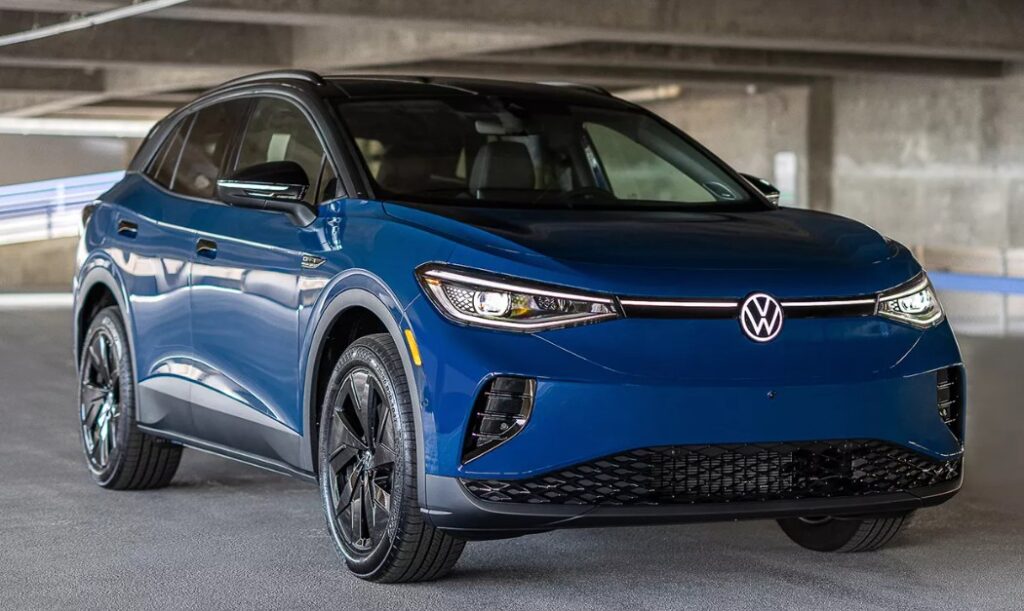
The rise of electric vehicles has shifted the way we think about car ownership. Instead of worrying about oil leaks, timing belts, or spark plugs, many drivers now ask a completely different question: How much does it cost to replace an EV battery? If you own or plan to buy a Volkswagen ID.4, this question probably lingers in the back of your mind like thunder before a storm.
The good news? The reality is often less dramatic than the headlines suggest.
In this detailed guide, we’ll explore the real Volkswagen ID 4 battery replacement cost, what influences pricing, how long the battery lasts, warranty coverage, repair alternatives, and whether battery degradation should genuinely concern long-term owners. We’ll also uncover hidden costs, practical ownership tips, and ways to maximize your battery lifespan so your electric SUV keeps gliding down the road like a silent rocket for years to come.
Content in this publication
- Why the Volkswagen ID.4 Battery Matters So Much
- Average Volkswagen ID 4 Battery Replacement Cost
- Understanding the Volkswagen ID.4 Battery Pack
- How Long Does the Volkswagen ID.4 Battery Last?
- Volkswagen ID.4 Battery Warranty Coverage
- Battery Degradation vs Battery Failure
- Can You Replace Individual Battery Modules?
- Labor Costs for Volkswagen ID.4 Battery Replacement
- Why EV Batteries Are So Expensive
- How Battery Prices Are Changing
- Signs Your Volkswagen ID.4 Battery May Need Attention
- How to Extend Volkswagen ID.4 Battery Life
- Does Cold Weather Affect the ID.4 Battery?
- Volkswagen ID.4 Battery Recycling
- Should You Buy a Used Volkswagen ID.4?
- Insurance and Battery Replacement
- Comparing ID.4 Battery Costs to Other EVs
- Will Third-Party EV Repair Shops Reduce Costs?
- Is Replacing an ID.4 Battery Worth It?
- The Future of Volkswagen EV Batteries
- Common Myths About Volkswagen ID.4 Battery Replacement
- Real Ownership Costs Beyond the Battery
- Should Battery Replacement Fear Stop You From Buying an ID.4?
- Final Thoughts on Volkswagen ID 4 Battery Replacement Cost
- FAQs
Why the Volkswagen ID.4 Battery Matters So Much
In a gasoline vehicle, the engine is the heart. In the Volkswagen ID.4, the battery is the heart, lungs, and nervous system all rolled into one giant technological powerhouse.
The battery pack:
- Powers the electric motors
- Determines driving range
- Impacts acceleration
- Affects charging speed
- Influences resale value
And unlike replacing brake pads or tires, swapping an EV battery is a major operation. It’s closer to a heart transplant than a routine service appointment.
That’s why understanding replacement costs matters before committing to EV ownership.
Average Volkswagen ID 4 Battery Replacement Cost
The average Volkswagen ID 4 battery replacement cost typically falls between $12,000 and $25,000, depending on several variables.
These include:
| Factor | Estimated Impact |
|---|---|
| Battery size | Higher-capacity packs cost more |
| Labor rates | Dealer labor can be expensive |
| Model year | Newer packs may cost more |
| Availability | Limited supply increases price |
| Warranty status | May reduce cost dramatically |
| Battery damage severity | Partial repairs can be cheaper |
For a full replacement outside warranty, many owners report estimates around:
- $15,000 to $18,000 for standard packs
- Up to $20,000+ for larger or newer battery systems
That sounds intimidating at first glance. Yet context matters.
Many EV batteries never need full replacement during the vehicle’s usable life.
Understanding the Volkswagen ID.4 Battery Pack
Battery Sizes Available
The Volkswagen ID.4 has been offered with multiple battery configurations depending on the market and trim level.
Common battery capacities include:
- 52 kWh battery
- 62 kWh battery
- 77 kWh battery
- 82 kWh gross battery pack
The larger the battery, the more expensive replacement becomes.
Think of battery packs like giant Lego structures composed of modules. Some repairs involve replacing only damaged modules rather than the entire pack.
That distinction can save thousands.
How Long Does the Volkswagen ID.4 Battery Last?
This is where things get encouraging.
Most modern EV batteries are designed to last:
- 8 to 15 years
- Or approximately 100,000 to 300,000 miles
Volkswagen engineered the ID.4 battery with longevity in mind. Under normal driving conditions, many experts estimate the battery may retain:
- Around 90% capacity after several years
- Roughly 70–80% capacity after a decade
That means the battery usually degrades gradually rather than suddenly failing overnight.
It’s more like watching a marathon runner slowly lose stamina over time instead of collapsing mid-race.
Volkswagen ID.4 Battery Warranty Coverage
One of the biggest reasons owners shouldn’t panic about replacement costs is warranty protection.
Volkswagen EV Battery Warranty
Volkswagen typically provides:
- 8 years
- Or 100,000 miles
- Coverage against excessive degradation
If battery capacity falls below a specified threshold during the warranty period, repairs or replacement may be covered.
That’s a huge financial safety net.
What the Warranty Usually Covers
The warranty often includes:
- Manufacturing defects
- Excessive capacity loss
- Faulty modules
- Certain electrical failures
What It May Not Cover
It usually excludes:
- Accident damage
- Flood damage
- Unauthorized modifications
- Abuse or neglect
Reading the fine print matters more than ever with EV ownership.
Battery Degradation vs Battery Failure
Many people confuse degradation with failure.
They are not the same thing.
Battery Degradation
Over time, lithium-ion batteries naturally lose capacity.
Signs include:
- Reduced driving range
- Longer charging times
- Slight performance reduction
This is normal aging.
Battery Failure
Actual battery failure is far less common.
Failure may involve:
- Dead modules
- Electrical shorts
- Severe overheating
- Charging refusal
A failed battery often requires major repairs or replacement.
Thankfully, catastrophic failures remain relatively rare in modern EVs.
Can You Replace Individual Battery Modules?
Yes — and this changes the economics dramatically.
Instead of replacing the entire battery pack, technicians may replace:
- Damaged modules
- Faulty cells
- Cooling components
- Battery management systems
Module Replacement Costs
Module repairs may range from:
- $1,500 to $5,000
That’s substantially cheaper than a complete pack replacement.
It’s like replacing damaged roof shingles instead of rebuilding the entire house.
Labor Costs for Volkswagen ID.4 Battery Replacement
Battery replacement is not a simple driveway project.
These packs are:
- Extremely heavy
- High-voltage systems
- Complex to calibrate
Typical Labor Charges
Labor alone can cost:
- $1,000 to $3,000+
Technicians must:
- Disconnect high-voltage systems
- Remove underbody protection
- Drop the battery pack
- Install and calibrate the replacement
- Update vehicle software
EV service expertise still commands premium pricing.
Why EV Batteries Are So Expensive
Many drivers wonder why battery replacement costs resemble luxury-engine repair bills.
The answer lies in raw materials and engineering.
You may be interested in reading Volkswagen ID 4 Charger Type: Everything We Need to Know About Charging the ID.4
Key Battery Materials
EV batteries contain:
- Lithium
- Nickel
- Cobalt
- Manganese
- Copper
These materials are expensive and globally competitive.
Advanced Engineering
The ID.4 battery also includes:
- Cooling systems
- Thermal management
- Protective housing
- Sophisticated monitoring electronics
You’re not just buying “a battery.”
You’re buying a rolling power station wrapped in aerospace-level technology.
How Battery Prices Are Changing
Here’s the silver lining.
Battery costs have steadily decreased over the past decade.
As EV adoption grows, replacement costs are expected to continue falling.
Why Prices May Drop
Factors include:
- Better manufacturing efficiency
- Increased competition
- Improved recycling
- Larger production scale
- Cheaper raw material processing
Today’s frightening replacement numbers may look very different five years from now.
The EV industry is still young, and pricing continues evolving rapidly.
Signs Your Volkswagen ID.4 Battery May Need Attention
Most batteries don’t fail without warning.
Watch for symptoms such as:
Sudden Range Loss
If your range drops dramatically within a short period, it could indicate module issues.
Charging Problems
Slow charging or charging interruptions may point to battery management concerns.
Warning Lights
Dashboard battery warnings should never be ignored.
Reduced Performance
Sluggish acceleration or inconsistent power delivery may signal deeper problems.
If these symptoms appear, professional diagnostics are essential.
How to Extend Volkswagen ID.4 Battery Life
Battery longevity depends heavily on owner habits.
Treat your battery well, and it may reward you with years of reliable service.
Avoid Constant Fast Charging
DC fast charging is convenient but generates more heat.
Occasional use is fine.
Daily dependence? Less ideal.
Keep Charge Levels Moderate
Experts often recommend:
- Staying between 20% and 80% charge for daily use
Constantly charging to 100% can accelerate degradation over time.
Protect Against Extreme Temperatures
Heat is the enemy of lithium-ion batteries.
Parking in shade or garages helps.
Use Scheduled Charging
Smart charging features reduce unnecessary battery stress.
Drive Smoothly
Aggressive acceleration creates additional thermal strain.
Smooth driving preserves efficiency and battery health.
Does Cold Weather Affect the ID.4 Battery?
Absolutely.
Cold temperatures temporarily reduce battery efficiency.
Owners may notice:
- Reduced range
- Slower charging
- Lower regenerative braking performance
The good news?
These effects are usually temporary and improve once the battery warms up.
Think of it like jogging on a freezing morning. Everything feels sluggish at first, but performance improves as things warm up.
Volkswagen ID.4 Battery Recycling
One fascinating aspect of EV ownership is battery recycling.
Volkswagen and other manufacturers increasingly focus on reclaiming valuable materials from used batteries.
What Gets Recycled?
Materials commonly recovered include:
- Lithium
- Nickel
- Cobalt
- Copper
Why Recycling Matters
Battery recycling can:
- Reduce environmental impact
- Lower future battery costs
- Minimize mining demand
Old EV batteries may even find second lives in energy-storage systems before full recycling.
That’s a far cry from the disposable reputation critics once associated with EVs.
Should You Buy a Used Volkswagen ID.4?
Battery concerns often scare buyers away from used EVs.
But in many cases, these fears are exaggerated.
Things to Check Before Buying
Ask for:
- Battery health reports
- Remaining warranty coverage
- Charging history
- Service records
Why Used EVs Can Be Smart Buys
Many used ID.4 models still retain strong battery health.
Since EVs have fewer moving parts than gasoline cars, maintenance costs can actually be lower overall.
The battery is the elephant in the room, yes — but it’s often a surprisingly healthy elephant.
Insurance and Battery Replacement
Some insurance policies may cover battery damage caused by:
- Accidents
- Floods
- Fires
- Road debris
However, standard wear and degradation are usually not covered.
You may be interested in readingVolkswagen ID 4 Charger Type: Everything We Need to Know About Charging the ID.4You may be interested in reading
Volkswagen ID 4 Charge Time: The Complete Charging Guide for Every DriverBecause EV repair costs can be high, insurance premiums may occasionally rise for electric vehicles.
Still, many owners find fuel savings help offset those costs over time.
Comparing ID.4 Battery Costs to Other EVs
The Volkswagen ID.4 sits somewhere in the middle of the EV pricing landscape.
Compared to Budget EVs
Smaller EVs may have cheaper replacement packs due to reduced capacity.
Compared to Luxury EVs
Premium EVs can exceed:
- $20,000
- $25,000
- Even $30,000+
for full battery replacement.
In that sense, the ID.4 isn’t unusually expensive.
It’s simply participating in the broader economics of modern electric vehicles.
Will Third-Party EV Repair Shops Reduce Costs?
Probably.
Independent EV repair specialists are growing rapidly.
As the market matures, we may see:
- Lower labor costs
- Refurbished battery options
- Rebuilt modules
- More competitive pricing
Right now, dealerships dominate complex EV repairs.
But that monopoly likely won’t last forever.
The same evolution happened with traditional gasoline vehicles decades ago.
Is Replacing an ID.4 Battery Worth It?
Sometimes yes. Sometimes no.
The answer depends on:
- Vehicle age
- Overall condition
- Current market value
- Repair cost
- Remaining lifespan
When Replacement Makes Sense
Battery replacement may be worthwhile if:
- The vehicle is otherwise excellent
- The car has low mileage
- Replacement costs are reasonable
- You plan long-term ownership
When It Might Not
Replacement may not make sense if:
- The car has major accident damage
- Repair costs exceed vehicle value
- Multiple systems are failing
In some cases, owners may prefer trading into a newer EV instead.
The Future of Volkswagen EV Batteries
Battery technology is evolving at lightning speed.
Future developments may include:
- Solid-state batteries
- Faster charging
- Longer range
- Lower degradation
- Cheaper manufacturing
Today’s batteries already outperform early EV technology dramatically.
Tomorrow’s batteries may make current replacement fears feel ancient.
Like worrying about VHS tape repairs in the streaming era.
Common Myths About Volkswagen ID.4 Battery Replacement
“The Battery Will Fail After Five Years”
Highly unlikely.
Modern EV batteries are designed for long-term durability.
“Replacing the Battery Costs More Than the Car”
Not always.
Costs vary widely, and partial repairs can reduce expenses significantly.
“Cold Weather Permanently Damages the Battery”
Temporary range reduction is normal.
Permanent damage is uncommon with proper thermal management.
“EV Batteries Are Disposable”
Modern recycling programs and refurbishment options challenge this outdated assumption.
Real Ownership Costs Beyond the Battery
Battery replacement is only one piece of the puzzle.
Many ID.4 owners save money through:
- Lower fuel costs
- Reduced maintenance
- Fewer mechanical failures
- Regenerative braking reducing brake wear
When viewed across the total ownership experience, EV economics can become surprisingly attractive.
Should Battery Replacement Fear Stop You From Buying an ID.4?
For most people, probably not.
Yes, the replacement cost is high.
But several realities soften the concern:
- Most batteries last a very long time
- Warranties provide strong protection
- Battery failures remain relatively uncommon
- Repair technology continues improving
- Replacement costs may decline over time
Buying an EV requires a mindset shift.
Instead of fearing catastrophic failure, it’s smarter to focus on battery health management and warranty understanding.
Final Thoughts on Volkswagen ID 4 Battery Replacement Cost
The Volkswagen ID 4 battery replacement cost can certainly look intimidating on paper. Spending anywhere from $12,000 to $25,000 sounds dramatic, especially for drivers transitioning from traditional gasoline vehicles.
Yet context changes everything.
Most ID.4 batteries are engineered to survive years of daily use while maintaining strong performance. Full battery replacements remain relatively rare, and many issues can be resolved through module-level repairs instead of complete pack replacement. Add in warranty protection, improving technology, growing repair networks, and declining battery prices, and the long-term outlook becomes far less frightening.
In many ways, EV battery anxiety resembles early smartphone fears. Remember when people worried smartphone batteries would make devices unusable after a couple of years? Technology evolved, reliability improved, and public confidence followed.
The same transformation is happening with electric vehicles.
For current and future Volkswagen ID.4 owners, knowledge is the best antidote to fear. Understand the warranty, care for the battery properly, monitor battery health, and the odds are overwhelmingly in your favor that your EV journey will remain smooth, quiet, and remarkably efficient for many years ahead.
FAQs
How much does a Volkswagen ID.4 battery replacement cost?
A full Volkswagen ID.4 battery replacement typically costs between $12,000 and $25,000 depending on battery size, labor, and repair complexity.
Does Volkswagen warranty the ID.4 battery?
Yes. Volkswagen generally offers an 8-year or 100,000-mile battery warranty covering excessive degradation and certain defects.
Can individual battery modules be replaced instead of the whole pack?
Yes. In some cases, damaged modules can be replaced separately, potentially reducing repair costs to a few thousand dollars.
How long does the Volkswagen ID.4 battery last?
Most ID.4 batteries are expected to last between 8 and 15 years or well over 100,000 miles with proper care.
Will battery replacement costs decrease in the future?
Likely yes. Advances in battery manufacturing, recycling, and EV adoption are expected to gradually reduce replacement costs over time.
You may be interested in readingVolkswagen ID 4 Charger Type: Everything We Need to Know About Charging the ID.4You may be interested in reading
Volkswagen ID 4 Charge Time: The Complete Charging Guide for Every DriverYou may be interested in reading
Volkswagen ID 4 Battery CapacityIf you want to know other articles similar to Volkswagen ID 4 Battery Replacement Cost you can visit the category Service and Parts.
Vauxhall Meriva Head Gasket Replacement Cost UK: Complete Price Guide
Vauxhall Meriva Tyre Pressure PSI: Complete Guide
Vauxhall Meriva Fault Codes: Meanings, Causes, and Fixes
Vauxhall Meriva Door With Key Symbol: Meaning, Causes, and Fixes
Vauxhall Meriva Code 59 and 60: Causes, Reset Steps, and Solutions
Vauxhall Meriva Immobiliser Reset: Complete Troubleshooting Guide
Leave a Reply
More content of your interest