

Kia EV9 Check Electric Vehicle System: Causes, Fixes, and What It Really Means

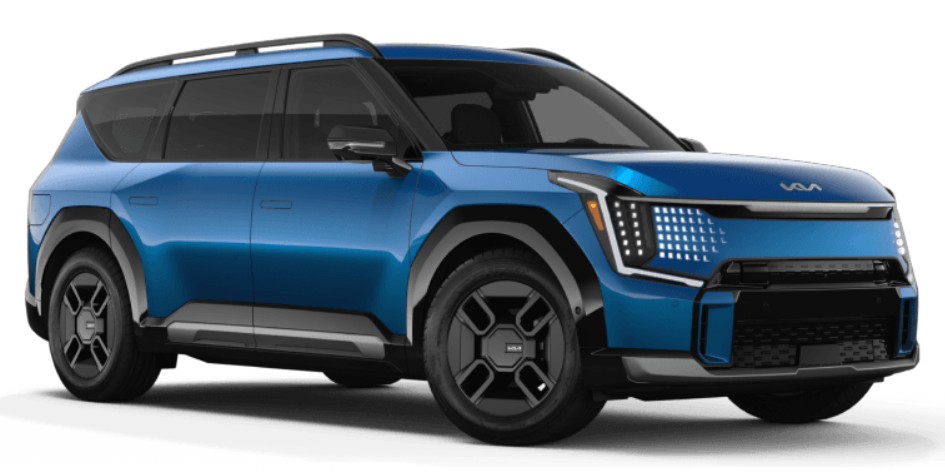
The futuristic cabin of the Kia EV9 feels like stepping into tomorrow. Massive screens glow like a spaceship dashboard, silent acceleration pushes us into the seat, and every drive feels smoother than melted butter on warm toast. But then, out of nowhere, a warning appears:
“Check Electric Vehicle System.”
And just like that, confidence turns into concern.
If you own a Kia EV9—or plan to buy one—you’ve probably searched this warning because you want answers fast. Is it dangerous? Can we still drive? Is the battery failing? Or is the vehicle simply throwing a false alarm like a smoke detector reacting to burnt toast?
The good news is that this warning doesn’t always signal catastrophic failure. Sometimes it’s minor. Sometimes it’s software. Sometimes it’s a charging issue. But occasionally, it can point toward serious electrical problems that demand immediate attention.
In this detailed guide, we’ll unpack everything surrounding the Kia EV9 “Check Electric Vehicle System” message, including causes, symptoms, diagnostics, solutions, costs, prevention tips, and what owners are experiencing in the real world.
Content in this publication
- What Does “Check Electric Vehicle System” Mean on the Kia EV9?
- Why the Kia EV9 Is So Dependent on Software
- Common Causes of the Kia EV9 Check Electric Vehicle System Warning
- Charging System Problems
- High-Voltage Battery Concerns
- Software Bugs and OTA Update Problems
- Cooling System Malfunctions
- Motor or Inverter Problems
- Can You Still Drive the Kia EV9 With This Warning?
- What Happens When the EV9 Enters Limp Mode?
- How Kia Technicians Diagnose the Problem
- Most Common Fixes for the Kia EV9 Check Electric Vehicle System Warning
- How Much Does It Cost to Fix?
- Is the Kia EV9 Reliable Overall?
- How to Prevent the Warning From Appearing
- What Owners Are Reporting Online
- Why EV Warnings Feel More Intimidating Than Gas Car Warnings
- Should You Reset the Warning Yourself?
- When to Visit a Kia Dealer Immediately
- The Future of EV Diagnostics
- Final Thoughts on the Kia EV9 Check Electric Vehicle System Warning
- FAQs
What Does “Check Electric Vehicle System” Mean on the Kia EV9?
When the EV9 displays the “Check Electric Vehicle System” warning, the car’s onboard diagnostics have detected an abnormality somewhere within the electric drivetrain or supporting systems.
Unlike traditional gasoline SUVs, the EV9 relies on a complex web of interconnected electrical components, including:
- High-voltage battery pack
- Inverter
- Electric motor
- Charging system
- Battery management system (BMS)
- Cooling system
- 12V battery
- Regenerative braking system
- Software controllers and sensors
Think of the EV system like a digital orchestra. If one violin plays out of tune, the conductor notices instantly. The EV9 works the same way.
The warning can appear:
- Temporarily
- Intermittently
- During charging
- After software updates
- During startup
- While driving
The message itself is broad, meaning further diagnostics are necessary to identify the exact issue.
Why the Kia EV9 Is So Dependent on Software
Modern EVs Are Computers on Wheels
The EV9 isn’t just an SUV with a battery. It’s essentially a rolling network of processors communicating thousands of times per second.
That’s why even small software glitches can trigger alarming warnings.
For example:
- Incorrect sensor readings
- Charging communication errors
- Battery calibration mismatches
- Failed OTA updates
- Temporary voltage irregularities
These can all activate the “Check Electric Vehicle System” alert.
Ironically, many EV issues today resemble smartphone bugs more than mechanical breakdowns.
Common Causes of the Kia EV9 Check Electric Vehicle System Warning
Battery Management System (BMS) Problems
The Battery Management System monitors battery health, temperature, charging rates, and voltage balance.
If the BMS detects:
- Overheating
- Voltage inconsistencies
- Cell imbalance
- Communication failures
…it may trigger the warning immediately.
In some cases, the vehicle may enter reduced power mode to protect the battery.
Symptoms of BMS Issues
- Charging interruptions
- Reduced range
- Sudden warning lights
- Slower acceleration
- Vehicle refusing to start
12V Battery Failure
Oddly enough, one of the smallest batteries in the EV9 can cause some of the biggest headaches.
The 12V battery powers:
- Displays
- Control modules
- Sensors
- Startup systems
When the 12V battery weakens, the EV9 can behave unpredictably.
Signs of a Weak 12V Battery
- Flickering displays
- Random warning lights
- System resets
- Failure to unlock
- Charging glitches
This is surprisingly common across many EV brands, not just Kia.
Charging System Problems
DC Fast Charging Errors
The EV9 supports ultra-fast charging, but high-speed charging systems are extremely sensitive.
Issues may arise from:
- Faulty charging stations
- Communication errors
- Overheating
- Connector problems
- Voltage instability
Sometimes the warning appears immediately after unplugging from a public charger.
It’s like trying to drink water through a fire hose—fast charging puts enormous stress on the electrical ecosystem.
Home Charger Compatibility Issues
Not all Level 2 chargers communicate perfectly with every EV.
Potential issues include:
- Improper grounding
- Software incompatibility
- Low-quality chargers
- Power fluctuations
In some situations, simply switching charging stations resolves the problem.
High-Voltage Battery Concerns
Is the Main Battery Failing?
This is usually the first fear owners have.
Fortunately, catastrophic battery failure is rare in modern EVs. However, the warning can sometimes indicate:
- Battery degradation
- Thermal issues
- Cooling failures
- Damaged modules
- Internal short circuits
The EV9 is designed with numerous safety systems to prevent dangerous conditions.
You may be interested in reading Kia EV9 12V Battery Dead: Causes, Fixes, Warning Signs, and Prevention Tips
If severe battery problems occur, the vehicle may:
- Limit power
- Disable charging
- Enter limp mode
- Display additional warnings
Software Bugs and OTA Update Problems
Over-the-Air Updates Can Trigger Warnings
Modern Kia EVs receive software updates remotely.
Occasionally:
- Updates fail mid-installation
- Modules lose synchronization
- Calibration data becomes corrupted
This can produce temporary EV system warnings.
Typical Symptoms
- Warning appears after update
- Features stop working
- Infotainment glitches
- Charging behavior changes
A dealer software reset often resolves these situations.
Cooling System Malfunctions
Electric Vehicles Need Thermal Management
Batteries hate extreme temperatures.
The EV9 uses liquid cooling systems to regulate:
- Battery temperature
- Motor temperature
- Charging temperature
If the cooling system fails, the vehicle may trigger the warning to prevent overheating.
Possible Cooling System Issues
- Low coolant
- Pump failure
- Sensor malfunction
- Blocked cooling lines
Ignoring these problems can lead to expensive repairs.
Motor or Inverter Problems
The Heart of the Electric Drivetrain
The inverter converts DC battery power into AC power for the electric motors.
If the inverter develops faults, symptoms may include:
- Reduced acceleration
- Power loss
- Strange noises
- Warning messages
- Vehicle shutdown
Though less common, inverter repairs can be costly.
Can You Still Drive the Kia EV9 With This Warning?
Sometimes Yes, Sometimes Absolutely Not
This depends entirely on the severity of the issue.
You May Continue Driving If:
- The vehicle drives normally
- No power reduction occurs
- No overheating warnings appear
- Charging still functions correctly
Stop Driving Immediately If:
- Power suddenly drops
- Smoke or burning smells appear
- The battery overheats
- Multiple warning lights activate
- The car enters limp mode
Driving with severe EV system faults is like ignoring chest pain during a marathon. Sometimes it’s nothing. Sometimes it’s a major emergency.
What Happens When the EV9 Enters Limp Mode?
Reduced Power for Protection
Limp mode is the vehicle’s self-defense mechanism.
The EV9 may:
- Limit speed
- Reduce acceleration
- Disable fast charging
- Restrict battery output
This helps prevent permanent damage.
While frustrating, limp mode often saves owners from catastrophic repairs.
How Kia Technicians Diagnose the Problem
Advanced Diagnostic Scanning
EV diagnostics go far beyond ordinary OBD-II scans.
Technicians use manufacturer-specific tools to analyze:
- Battery cell voltages
- Thermal readings
- Sensor communication
- Charging logs
- Error histories
Some issues require software analysis rather than physical repairs.
Diagnostic Trouble Codes (DTCs)
The vehicle stores fault codes that help pinpoint the problem.
Examples may involve:
- Battery communication
- Charging faults
- Voltage irregularities
- Motor control systems
Without scanning these codes, diagnosing the issue becomes guesswork.
Most Common Fixes for the Kia EV9 Check Electric Vehicle System Warning
Software Updates
One of the simplest and most common fixes.
Technicians may:
- Reflash modules
- Install updated firmware
- Reset control systems
Software updates often resolve intermittent warnings.
12V Battery Replacement
A surprisingly affordable repair compared to high-voltage issues.
Replacing the 12V battery can eliminate:
- Startup failures
- Random warnings
- Charging anomalies
Charging System Calibration
Sometimes the EV9 simply needs recalibration after charging irregularities.
This may involve:
- Resetting charging modules
- Updating charging profiles
- Testing charger compatibility
Battery Cooling Repairs
Cooling system fixes may include:
- Replacing pumps
- Refilling coolant
- Repairing hoses
- Updating thermal sensors
How Much Does It Cost to Fix?
Repair Costs Vary Wildly
Costs depend entirely on the root cause.
Estimated Repair Ranges
| Problem | Estimated Cost |
|---|---|
| Software update | Free–$300 |
| 12V battery replacement | $150–$400 |
| Cooling system repair | $300–$1,500 |
| Charging module repair | $500–$2,000 |
| Inverter replacement | $2,000–$5,000 |
| High-voltage battery repair | $5,000+ |
Warranty coverage may dramatically reduce these expenses.
You may be interested in readingKia EV9 12V Battery Dead: Causes, Fixes, Warning Signs, and Prevention TipsYou may be interested in reading
 Hyundai Ioniq Not Charging: Causes, Fixes, and What We Should Do Next
Is the Kia EV9 Reliable Overall?
Early EV Growing Pains Are Normal
The EV9 is still relatively new.
Like many first-generation advanced EVs:
- Software bugs are expected
- Minor glitches happen
- OTA updates improve reliability over time
That doesn’t mean the vehicle is unreliable overall.
In fact, many EV issues are fixable without major mechanical repairs.
How to Prevent the Warning From Appearing
Smart EV Ownership Habits Matter
We can reduce the chances of seeing this warning by following good EV practices.
Helpful Prevention Tips
- Keep software updated
- Avoid extremely cheap chargers
- Monitor charging behavior
- Don’t ignore small warnings
- Service cooling systems regularly
- Protect the 12V battery
- Avoid excessive heat exposure
Prevention in EV ownership works like hydration during exercise. Tiny habits prevent massive problems later.
What Owners Are Reporting Online
Real-World Experiences Vary
Some owners report:
- Warning disappeared after restart
- Software updates fixed everything
- Charging station triggered the issue
Others experienced:
- Battery replacement
- Inverter faults
- Cooling system failures
The encouraging part is that many cases are temporary software-related issues rather than catastrophic battery damage.
Why EV Warnings Feel More Intimidating Than Gas Car Warnings
The Fear of the Unknown
A gasoline engine makes noise, shakes, and leaks clues when something goes wrong.
EVs are silent.
That silence creates uncertainty.
When a warning suddenly appears on an electric SUV, it feels mysterious—almost alien. But underneath the futuristic technology, the diagnostic philosophy remains familiar:
The car detects a problem and asks for attention before damage worsens.
Should You Reset the Warning Yourself?
Temporary Resets Aren’t Always Solutions
Some owners attempt:
- Disconnecting the 12V battery
- Restarting the vehicle
- Power cycling systems
While this may temporarily clear the warning, it doesn’t always fix the root cause.
Think of it like muting a smoke alarm without checking for smoke.
If the issue returns, proper diagnostics are necessary.
When to Visit a Kia Dealer Immediately
Never Ignore Serious Symptoms
Seek professional service immediately if you notice:
- Charging failures
- Rapid battery drain
- Reduced power
- Burning smells
- Overheating
- Repeated warning messages
- Vehicle shutdowns
Electric vehicles are incredibly safe, but high-voltage systems should always be treated seriously.
The Future of EV Diagnostics
Cars Are Becoming Smarter Every Year
The EV9 represents a major leap toward software-defined vehicles.
Future updates may allow:
- Predictive diagnostics
- Remote repairs
- AI-driven battery monitoring
- Faster fault detection
In many ways, today’s EV warning systems are still evolving.
We’re living through the automotive equivalent of the early smartphone era.
Final Thoughts on the Kia EV9 Check Electric Vehicle System Warning
Seeing the “Check Electric Vehicle System” warning on the Kia EV9 can feel unsettling, especially in a vehicle built around futuristic technology. But in many cases, the issue isn’t catastrophic.
Sometimes it’s a software hiccup.
Sometimes it’s the 12V battery.
Sometimes it’s charger communication.
And yes, occasionally it’s something more serious involving cooling systems, inverters, or the high-voltage battery.
The key is understanding that this warning is a diagnostic umbrella—not a final diagnosis.
The EV9 remains one of the most ambitious electric SUVs on the market, blending luxury, technology, and family practicality into one sleek package. Like every advanced machine, it occasionally needs troubleshooting.
The smartest approach is simple:
- Don’t panic
- Don’t ignore it
- Diagnose it properly
- Address it early
Because with EVs, catching problems early often prevents expensive repairs later.
FAQs
Why does my Kia EV9 say check electric vehicle system?
The warning typically indicates a fault within the EV drivetrain, charging system, battery management system, cooling system, or related electronics.
Can I drive my Kia EV9 with the warning on?
Sometimes yes, but if the vehicle loses power, overheats, or enters limp mode, you should stop driving and seek service immediately.
Will restarting the EV9 remove the warning?
In some cases, yes. Temporary software glitches may disappear after restarting the vehicle, but recurring warnings require diagnostics.
You may be interested in readingKia EV9 12V Battery Dead: Causes, Fixes, Warning Signs, and Prevention TipsYou may be interested in reading
Hyundai Ioniq Not Charging: Causes, Fixes, and What We Should Do NextYou may be interested in reading
Hyundai Ioniq 9 Issues: Common Problems, Reliability Concerns, and Owner ComplaintsDoes the warning mean the battery is damaged?
Not always. Many cases involve software issues, charging communication errors, or 12V battery problems rather than high-voltage battery failure.
How much does it cost to repair the Kia EV9 electric vehicle system?
Costs vary widely depending on the issue. Minor software fixes may be free, while major battery or inverter repairs can exceed several thousand dollars.
If you want to know other articles similar to Kia EV9 Check Electric Vehicle System: Causes, Fixes, and What It Really Means you can visit the category Common Problems.
Hyundai i40 Heater Not Working: Causes, Diagnosis, and Fixes
Hyundai i40 Common Problems: Complete Owner’s Guide
Hyundai i40 Automatic Gearbox Problems: Symptoms, Causes, and Repair Advice
Kia Rio Not Starting: Causes, Fixes, and Smart Troubleshooting Guide
Kia Rio Boot Won’t Open: Complete Troubleshooting & Fix Guide
Kia Rio Common Problems: What We Should Know Before Buying or Owning One
Leave a Reply
More content of your interest