
Jeep Grand Cherokee Boot Space: The SUV Cargo Guide We’ve Been Waiting For

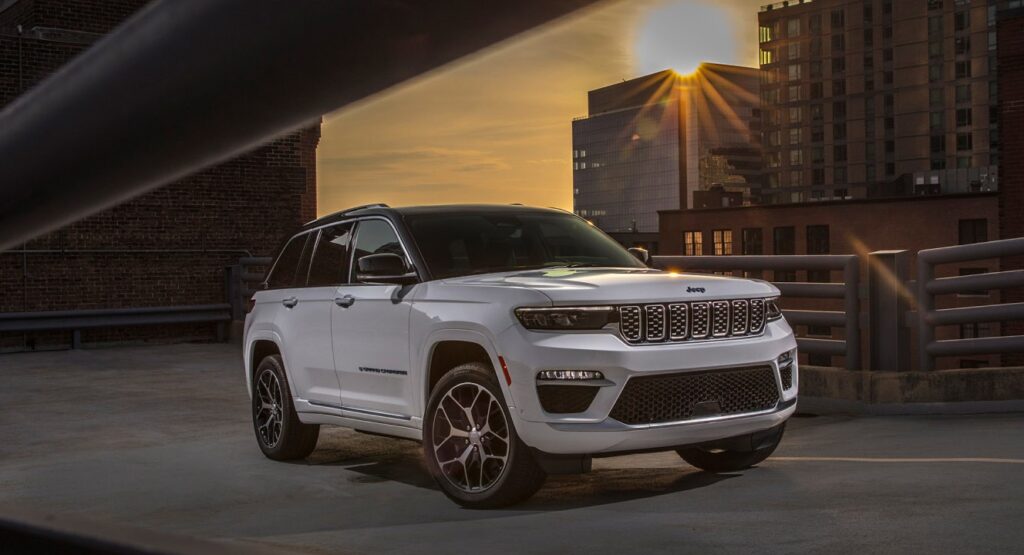
When we shop for an SUV, horsepower and flashy screens usually steal the spotlight. Yet once real life kicks in—family road trips, airport runs, grocery hauls, camping weekends, or simply fitting a stroller in the back—we suddenly realize something important: boot space matters. A lot.
The legendary Jeep Grand Cherokee has built its reputation on rugged capability and premium comfort, but one question keeps surfacing among buyers: how practical is the cargo area really?
The answer is more nuanced than a simple number in liters or cubic feet. The Jeep Grand Cherokee’s boot space changes depending on trim, seating configuration, drivetrain, and whether we’re talking about the two-row model, the three-row L version, or the plug-in hybrid 4xe.
In this detailed guide, we’ll unpack everything about Jeep Grand Cherokee boot space—from exact dimensions and usability to clever storage tricks and comparisons with rivals. Think of this as opening the tailgate and stepping inside the cargo area with a flashlight in hand.
Content in this publication
- Why Boot Space Matters More Than Ever
- Jeep Grand Cherokee Boot Space at a Glance
- How the Boot Feels in Real Life
- Boot Space by Jeep Grand Cherokee Trim
- Jeep Grand Cherokee 4xe Boot Space
- Cargo Space With Seats Folded Down
- The Difference Between Boot Space and Usable Space
- Jeep Grand Cherokee L vs Standard Model
- Can the Jeep Grand Cherokee Handle Family Life?
- Road Trip Practicality
- Jeep Grand Cherokee vs Competitors
- Boot Dimensions and Measurements
- Hidden Storage Features
- Is the Boot Space Good for Pets?
- Camping and Outdoor Adventures
- How Easy Is It to Fold the Seats?
- Luxury Meets Utility
- Fuel Economy vs Cargo Trade-Off
- Urban Driving and Parking Challenges
- Can You Sleep in the Back?
- Cargo Accessories Worth Considering
- What Owners Commonly Love About the Boot
- Where the Grand Cherokee Could Improve
- Who Should Buy a Jeep Grand Cherokee for Cargo Space?
- The Emotional Side of Practicality
- Conclusion
- FAQs
Why Boot Space Matters More Than Ever
Modern SUVs have become Swiss Army knives on wheels. One day they transport kids to school, the next they carry flat-pack furniture or mountain bikes. Because of this versatility, cargo capacity has evolved from a “nice bonus” into a buying priority.
A cramped boot can turn every trip into a frustrating game of luggage Tetris. On the other hand, a thoughtfully designed cargo area feels like adding an extra room to your house.
The Jeep Grand Cherokee aims to strike a balance between:
- Luxury comfort
- Off-road capability
- Passenger room
- Cargo practicality
That balancing act is harder than it sounds.
Jeep Grand Cherokee Boot Space at a Glance
Before diving deeper, let’s simplify the key figures.
Standard Two-Row Jeep Grand Cherokee Cargo Capacity
Behind the second row, the standard Grand Cherokee offers approximately:
- 37.7 cubic feet of cargo space
- Around 1,067 liters
With the rear seats folded down:
- 70.8 cubic feet
- Roughly 2,005 liters
Those are healthy numbers for a midsize SUV.
Jeep Grand Cherokee L Boot Space
The longer three-row Grand Cherokee L changes the equation.
Cargo space behind:
- Third row: around 17.2 cubic feet
- Second row: about 46.9 cubic feet
- First row folded: roughly 84.6 cubic feet
The L version essentially transforms the Grand Cherokee from a family SUV into a rolling storage locker.
How the Boot Feels in Real Life
Numbers alone can be deceptive. A cargo area might look huge on paper but feel awkward in reality.
The Grand Cherokee avoids that trap surprisingly well.
Wide Opening Makes Loading Easier
One of the most underrated features is the wide tailgate opening. Bulky items slide in without much wrestling.
We notice this immediately when loading:
- Suitcases
- Coolers
- Dog crates
- Sports gear
- Camping equipment
The low load floor also helps. Instead of lifting heavy bags chest-high, we can slide them in more naturally.
It’s the difference between a relaxed grocery trip and a mini gym workout.
Boot Space by Jeep Grand Cherokee Trim
Not every Grand Cherokee offers identical practicality.
Laredo and Limited Models
These trims focus heavily on balanced everyday usability.
Their cargo layouts are straightforward and spacious, making them excellent for:
- Families
- Daily commuters
- Long-distance travelers
Overland and Summit Trims
Luxury trims add premium finishes inside the cargo area, including:
- Better carpeting
- Power-folding features
- Extra charging ports
- Premium lighting
The actual volume remains similar, but the experience feels more upscale.
Trailhawk Models
The off-road-focused Trailhawk sacrifices a tiny amount of practicality for rugged capability.
Because of:
- Specialized suspension
- Terrain equipment
- Off-road tires
The cargo usability changes slightly, though not dramatically.
Jeep Grand Cherokee 4xe Boot Space
The plug-in hybrid 4xe model deserves special attention.
Does the Battery Reduce Cargo Space?
Surprisingly, not by much.
The battery pack is cleverly integrated beneath the floor, so the 4xe retains nearly the same cargo practicality as the standard model.
That’s impressive engineering.
Many hybrid SUVs lose significant luggage room because batteries intrude into the cargo area like an unwanted houseguest. The Grand Cherokee 4xe avoids that problem remarkably well.
Cargo Space With Seats Folded Down
This is where the Grand Cherokee becomes genuinely versatile.
Fold the rear seats flat, and suddenly the SUV transforms into something resembling a compact cargo van.
What Fits Inside?
With seats folded, we can comfortably fit:
- Mountain bikes
- Large TVs
- Camping gear
- Foldable mattresses
- Home improvement supplies
- Multiple airport suitcases
The flat floor is a huge advantage. Some competitors create awkward humps or steep angles, but the Grand Cherokee maintains a relatively smooth loading surface.
That practicality matters more than glossy brochure numbers.
The Difference Between Boot Space and Usable Space
Here’s where many manufacturers play tricks.
A vehicle may advertise huge cargo figures, but usable space depends on shape.
The Jeep Grand Cherokee scores well because of:
- Squared-off dimensions
- Minimal wheel arch intrusion
- Deep cargo floor
- Flat-folding seats
In simpler terms, the space feels honest.
It’s not just technically large—it’s actually useful.
Jeep Grand Cherokee L vs Standard Model
Choosing between these two versions often comes down to lifestyle.
Standard Grand Cherokee
Best for:
- Couples
- Small families
- Daily urban driving
- Easier parking
Advantages include:
- Better maneuverability
- Slightly sportier feel
- Simpler cargo layout
Grand Cherokee L
Best for:
- Larger families
- Frequent travelers
- Road trip enthusiasts
- People needing maximum cargo flexibility
The L feels almost like upgrading from a backpack to a full expedition duffel bag.
Can the Jeep Grand Cherokee Handle Family Life?
Absolutely—and this is where boot space becomes emotionally important.
A family SUV isn’t measured solely by liters. It’s measured by stress reduction.
Can it swallow:
- A stroller?
- Sports equipment?
- Grocery bags?
- School backpacks?
- Weekend luggage?
The Grand Cherokee answers “yes” more confidently than many rivals.
Family-Friendly Cargo Features
Some standout features include:
- Hands-free power tailgate
- Adjustable cargo floor
- Tie-down hooks
- Grocery bag hooks
- Hidden storage compartments
These details may sound minor, but together they create a smoother daily experience.
Road Trip Practicality
Few vehicles reveal their true nature faster than a road trip.
After six hours on the highway, bad cargo design becomes painfully obvious.
The Grand Cherokee shines because it combines:
- Passenger comfort
- Quiet cabin
- Flexible luggage room
That balance is difficult to achieve.
Some SUVs prioritize passengers but neglect luggage. Others feel like delivery vans with leather seats. The Grand Cherokee sits comfortably in the middle.
Jeep Grand Cherokee vs Competitors
Boot space comparisons tell an interesting story.
Grand Cherokee vs Toyota Highlander
Toyota Highlander offers competitive family practicality, especially in three-row form.
However, the Grand Cherokee feels more premium and rugged.
Grand Cherokee vs Ford Explorer
Ford Explorer provides strong cargo flexibility, but the Jeep often delivers a more upscale cargo experience.
Grand Cherokee vs Honda Pilot
Honda Pilot maximizes practicality brilliantly.
Yet the Jeep counters with superior luxury and off-road credentials.
Grand Cherokee vs BMW X5
BMW X5 feels sporty and refined, but the Jeep frequently offers better value and more adventurous versatility.
Boot Dimensions and Measurements
For buyers who love specifics, dimensions matter.
Approximate Cargo Measurements
The standard Grand Cherokee offers:
- Wide cargo opening
- Deep floor area
- Strong vertical clearance
These proportions matter when carrying bulky objects like:
- Furniture boxes
- Golf clubs
- Dog kennels
A cargo area that’s merely tall or merely wide isn’t enough. The Grand Cherokee succeeds because of overall balance.
The cargo area contains several clever storage solutions.
Underfloor Storage
Some trims include hidden compartments beneath the load floor.
Perfect for:
- Emergency kits
- Charging cables
- Small valuables
- Dirty gear
It’s like finding a secret drawer in a well-designed kitchen.
Side Compartments
Small side pockets help organize loose items that would otherwise roll around during turns.
Tiny detail. Huge difference.
Is the Boot Space Good for Pets?
Dog owners often ask this question.
The answer? Very much so.
The Grand Cherokee’s cargo area works well for:
- Medium and large dogs
- Pet travel crates
- Foldable ramps
- Travel accessories
The low loading height especially helps older dogs climb in more easily.
Camping and Outdoor Adventures
This is where the Jeep DNA truly shines.
Unlike many city-focused SUVs, the Grand Cherokee feels ready for outdoor life.
What Can We Pack?
A weekend adventure setup might include:
- Tents
- Coolers
- Sleeping bags
- Hiking gear
- Portable grills
- Fishing equipment
And there’s still room left over.
The vehicle feels less like a commuter crossover and more like a mobile basecamp.
How Easy Is It to Fold the Seats?
Seat-folding mechanisms matter more than people expect.
The Grand Cherokee makes the process refreshingly simple.
Quick Folding System
Most trims allow:
- One-touch folding
- Easy-release handles
- Near-flat load floor
That means less wrestling and fewer awkward lifting angles.
In practical terms, transforming the SUV from passenger carrier to cargo hauler takes seconds.
Luxury Meets Utility
This is perhaps the Grand Cherokee’s strongest trait.
Some SUVs feel luxurious but fragile. Others feel rugged but cheap.
The Grand Cherokee blends both personalities surprisingly well.
Inside the cargo area, we notice:
- Premium materials
- Thoughtful layout
- Durable finishes
- Practical storage integration
It’s like wearing hiking boots made by a luxury designer.
Fuel Economy vs Cargo Trade-Off
Larger cargo areas usually bring compromises.
Bigger SUVs tend to:
- Weigh more
- Consume more fuel
- Feel harder to park
The Grand Cherokee balances these concerns reasonably well.
Especially with the 4xe hybrid variant, buyers can enjoy respectable practicality without completely sacrificing efficiency.
Urban Driving and Parking Challenges
A larger boot naturally creates a larger vehicle.
The standard Grand Cherokee remains manageable in cities, but the L version can feel substantial in tight parking garages.
Helpful Features
Fortunately, Jeep includes:
- Parking sensors
- Surround-view cameras
- Automated parking assists
These technologies soften the learning curve considerably.
Can You Sleep in the Back?
Adventure travelers often ask this surprisingly common question.
Technically, yes.
With the seats folded, the cargo area becomes spacious enough for:
- Solo camping setups
- Emergency sleeping arrangements
- Lightweight air mattresses
It won’t replace a camper van, but it absolutely works for spontaneous overnight trips.
Cargo Accessories Worth Considering
Several accessories improve the experience further.
Recommended Add-Ons
Popular upgrades include:
- Cargo liners
- Roof boxes
- Rear organizers
- Pet barriers
- Waterproof mats
These additions help maximize the already practical cargo area.
What Owners Commonly Love About the Boot
Across reviews and owner feedback, certain praises appear repeatedly.
Most Appreciated Features
Owners frequently highlight:
- Wide cargo opening
- Easy seat folding
- Premium feel
- Road trip practicality
- Family usability
In other words, the cargo area succeeds not because it dominates one category, but because it performs well everywhere.
Where the Grand Cherokee Could Improve
No SUV is perfect.
Some buyers may wish for:
- More third-row space in the L
- Slightly deeper underfloor storage
- Lighter tailgate weight
Still, these complaints are relatively minor considering the vehicle’s overall balance.
Who Should Buy a Jeep Grand Cherokee for Cargo Space?
The answer depends on priorities.
Ideal Buyers Include
- Families needing flexibility
- Outdoor enthusiasts
- Frequent travelers
- Pet owners
- Drivers wanting luxury and practicality together
The Grand Cherokee particularly appeals to people who want an SUV that feels equally comfortable at:
- A mountain trail
- A luxury hotel
- A supermarket parking lot
That dual personality is rare.
The Emotional Side of Practicality
Cargo space sounds boring until it saves the day.
Until the stroller fits effortlessly.
Until the airport luggage slides in without stress.
Until a spontaneous camping trip becomes possible because everything fits.
The Grand Cherokee’s boot space isn’t just about measurements—it’s about freedom.
Freedom to bring more.
Freedom to travel farther.
Freedom to adapt.
And honestly, that’s what SUVs were always supposed to represent.
Conclusion
The Jeep Grand Cherokee delivers one of the most balanced cargo experiences in the midsize SUV segment. It may not always post the biggest numbers on paper, but it excels where it matters most: real-world usability.
From family life and road trips to outdoor adventures and daily errands, the Grand Cherokee’s boot space proves impressively versatile. The standard model offers excellent practicality, while the Grand Cherokee L expands the formula for larger families and heavier cargo demands.
What truly separates the Jeep from many rivals is the combination of luxury, ruggedness, and intelligent design. The cargo area doesn’t feel like an afterthought—it feels integrated into the SUV’s identity.
And in a world where modern life constantly demands flexibility, that matters more than ever.
FAQs
How much boot space does the Jeep Grand Cherokee have?
The standard two-row Jeep Grand Cherokee offers around 37.7 cubic feet of cargo space behind the rear seats and up to 70.8 cubic feet with seats folded.
Does the Jeep Grand Cherokee L have more cargo room?
Yes. The Grand Cherokee L provides significantly more space, especially with the second and third rows folded down.
Does the 4xe hybrid reduce cargo capacity?
Not dramatically. The battery placement is well integrated, allowing the 4xe to maintain strong cargo practicality.
Can a stroller fit in the Jeep Grand Cherokee boot?
Absolutely. Most strollers fit comfortably, even alongside groceries or additional luggage.
Is the Jeep Grand Cherokee good for road trips?
Yes. Its combination of passenger comfort, cargo flexibility, and refined ride quality makes it excellent for long-distance travel.
If you want to know other articles similar to Jeep Grand Cherokee Boot Space: The SUV Cargo Guide We’ve Been Waiting For you can visit the category Service and Parts.
Toyota Hilux Payload Capacity: How Much Can a Hilux Really Carry?
Toyota Hilux Engine Oil: Complete Guide to Oil Types, Grades, Changes, and Maintenance
Toyota Hilux Tyre Pressure: The Complete PSI Guide
Toyota Hilux Weight: Kerb Weight, GVM, Payload and More
Toyota Hilux Towing Capacity: Complete Towing Guide
BMW M2 Oil Change Cost: What Owners Should Expect
Leave a Reply
More content of your interest