

Toyota 4Runner Issues: The Truth About Common Problems, Reliability, and Ownership Costs

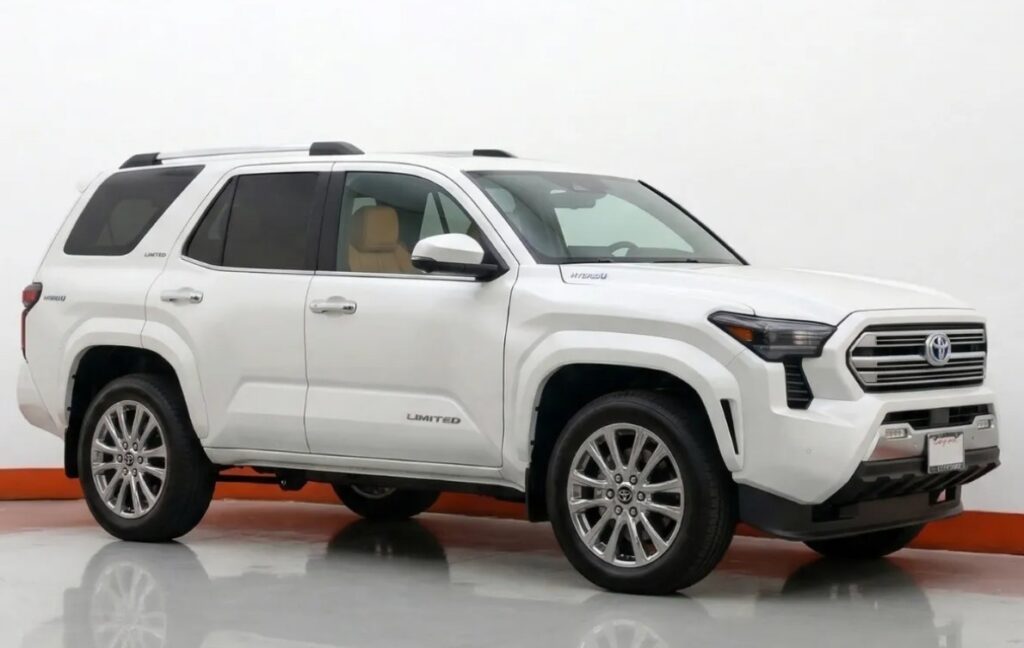
The Toyota 4Runner has built a reputation like a mountain climber with scarred boots—rugged, dependable, and seemingly impossible to kill. For decades, drivers have trusted it to crawl through muddy trails, survive harsh winters, and rack up hundreds of thousands of miles without falling apart. But let’s be honest for a second: no SUV is perfect.
Even legends have weak spots.
When we dig beneath the tough exterior of the Toyota 4Runner, we uncover recurring issues that owners repeatedly discuss. Some are minor annoyances. Others can punch a hole straight through your wallet if ignored. And while the 4Runner remains one of the most respected body-on-frame SUVs ever made, understanding its problems before buying one can save us enormous frustration later.
So, what exactly goes wrong with the Toyota 4Runner? Which years deserve caution? Which problems are overblown myths? And is the 4Runner still worth buying despite these concerns?
Let’s dive deep into the real-world issues owners face.
Content in this publication
- Why the Toyota 4Runner Still Has Such a Strong Reputation
- The Most Common Toyota 4Runner Issues Owners Report
- Frame Rust: The Silent Killer of Older 4Runners
- Toyota 4Runner Fuel Economy Problems
- Transmission Hesitation and Shifting Complaints
- Brake Problems in the Toyota 4Runner
- KDSS Suspension System Problems
- Dashboard Cracking in Older Models
- Exhaust Manifold Cracks
- Suspension Sagging and Worn Components
- Air Conditioning Failures in Older Toyota 4Runners
- Steering Wheel Vibration and Alignment Issues
- Toyota 4Runner Electrical Problems
- Which Toyota 4Runner Years Should We Avoid?
- Why Some Owners Still Absolutely Love the 4Runner
- How Long Does a Toyota 4Runner Usually Last?
- Are Toyota 4Runner Repairs Expensive?
- The Biggest Mistake Buyers Make
- Should We Buy a Used Toyota 4Runner?
- Why the Toyota 4Runner Feels Different From Modern SUVs
- Is the Toyota 4Runner Overrated?
- Final Thoughts on Toyota 4Runner Issues
- FAQs About Toyota 4Runner Issues
Why the Toyota 4Runner Still Has Such a Strong Reputation
Before talking about failures, we need context.
The 4Runner is not designed like most modern crossovers. It’s built more like an old-school truck. That means:
- Body-on-frame construction
- Rear-wheel-drive roots
- Durable suspension
- Off-road capability
- Long-term reliability focus
This setup makes the 4Runner incredibly durable, but it also introduces problems that modern unibody SUVs avoid.
Think of it like comparing hiking boots to running shoes. The hiking boots last longer and survive harsher conditions—but they’re heavier, rougher, and less refined.
That’s the Toyota 4Runner in a nutshell.
The Most Common Toyota 4Runner Issues Owners Report
Several problems appear repeatedly across forums, mechanic reports, and long-term ownership discussions.
Here are the biggest concerns:
| Problem | Severity | Common Generations |
|---|---|---|
| Rust and frame corrosion | High | 3rd & 4th Gen |
| Brake system wear | Moderate | Multiple |
| Suspension sagging | Moderate | Older models |
| Dashboard cracking | Low | 4th Gen |
| Transmission hesitation | Moderate | 5th Gen |
| Fuel economy complaints | High | All generations |
| KDSS suspension issues | Moderate | 5th Gen |
| Exhaust manifold cracking | Moderate | 4th Gen |
| Air conditioning failures | Moderate | Older models |
| Steering wheel vibration | Low | Various |
Some issues are merely irritating. Others can quietly become catastrophic.
Frame Rust: The Silent Killer of Older 4Runners
If there’s one issue that scares experienced buyers the most, it’s rust.
Especially frame rust.
Older Toyota 4Runners—particularly third and fourth generations—can develop severe corrosion underneath the vehicle. In snowy climates where road salt is common, this becomes a major threat.
Why Frame Rust Is So Dangerous
Rust isn’t cosmetic when it attacks the frame.
It weakens structural integrity, damages suspension mounting points, and can make the SUV unsafe to drive. In extreme cases, frames develop holes large enough to fail inspection entirely.
The scary part?
Many buyers never check underneath the vehicle thoroughly.
Signs of Serious Rust Problems
When inspecting a used 4Runner, watch for:
- Flaking metal
- Soft frame sections
- Brown scaling
- Rust around welds
- Corroded suspension mounts
- Rusted brake lines
A little surface rust is normal. Deep structural rust is a different story entirely.
Which Toyota 4Runner Years Had Worse Rust Problems?
The most vulnerable years generally include:
- 1996–2002 models
- Early 2000s versions
- Vehicles driven in northern climates
A rust-free older 4Runner is almost like finding buried treasure.
Toyota 4Runner Fuel Economy Problems
Let’s not sugarcoat this.
The 4Runner drinks fuel like a thirsty camel after crossing the desert.
Many owners complain about poor MPG figures, especially in city driving.
Why the 4Runner Gets Bad Gas Mileage
Several factors hurt efficiency:
- Heavy body-on-frame construction
- Naturally aspirated engines
- Old-school transmission tuning
- Large tires
- Off-road-focused gearing
This isn’t a lightweight commuter crossover. It’s basically a truck wearing SUV clothing.
Real-World MPG Expectations
Most owners report:
- 16–18 MPG combined
- Lower numbers in city traffic
- Reduced efficiency with larger tires
Adding roof racks, lifts, or off-road accessories often makes fuel economy even worse.
Transmission Hesitation and Shifting Complaints
Some fifth-generation owners report delayed acceleration and sluggish transmission behavior.
The issue usually feels like:
- Hesitation after pressing the accelerator
- Slow downshifts
- Gear hunting on hills
- Unresponsive throttle
This doesn’t necessarily mean the transmission is failing. Often, it’s related to conservative transmission programming.
Toyota tuned the 4Runner for durability rather than sporty responsiveness.
Still, for some drivers, the lag can feel frustrating.
Can Transmission Hesitation Be Fixed?
Sometimes.
Possible solutions include:
- ECU updates
- Throttle response controllers
- Transmission relearning procedures
- Regular fluid maintenance
But the 4Runner will never feel like a performance SUV.
And honestly, it was never meant to.
Brake Problems in the Toyota 4Runner
Brake wear appears more frequently than many owners expect.
This is partly because the 4Runner is heavy. Stopping a large SUV repeatedly puts tremendous stress on braking components.
Common Brake Complaints
Owners commonly mention:
You may be interested in reading Why Won’t My Toyota 4Runner Start? Complete Troubleshooting Guide
- Warped rotors
- Premature pad wear
- Pulsation while braking
- Sticky calipers
- Squeaking noises
Aggressive driving and towing make these issues more noticeable.
How Expensive Are 4Runner Brake Repairs?
Typical repair costs may include:
- Brake pads: moderate cost
- Rotor replacement: moderate-to-high
- Caliper replacement: expensive if multiple fail
Preventive maintenance helps tremendously here.
KDSS Suspension System Problems
The Kinetic Dynamic Suspension System (KDSS) improves off-road articulation and on-road stability. Sounds great, right?
Well, sometimes.
Because KDSS adds hydraulic complexity, repairs can become expensive once components age.
Symptoms of KDSS Problems
Watch for:
- Leaning suspension
- Clunking sounds
- Hydraulic leaks
- Uneven ride height
- Stiff suspension feel
While not extremely common, KDSS repairs can be costly enough to concern buyers.
Should We Avoid KDSS Models?
Not necessarily.
Many owners love KDSS-equipped 4Runners. The system dramatically improves handling.
But if we plan to keep the SUV for 15+ years, future repair costs deserve consideration.
Dashboard Cracking in Older Models
Some fourth-generation Toyota 4Runners developed cracked dashboards over time.
Sun exposure appears to accelerate the problem.
This issue doesn’t affect reliability, but it hurts resale value and interior appearance.
Imagine buying a rugged SUV with a spotless exterior only to find the dashboard looking like dry desert earth.
That’s how some older 4Runners age inside.
Exhaust Manifold Cracks
Another recurring issue involves cracked exhaust manifolds.
This problem often creates:
- Ticking noises during startup
- Exhaust leaks
- Reduced efficiency
- Check engine lights
Cold-weather driving and repeated heat cycles contribute to the issue.
How Serious Is an Exhaust Manifold Crack?
Initially, the issue may seem minor.
But over time, leaks can worsen and lead to expensive repairs. Replacing manifolds isn’t cheap because labor costs can become substantial.
Suspension Sagging and Worn Components
Older Toyota 4Runners commonly develop suspension wear.
After all, many owners actually use these SUVs off-road. Rough terrain accelerates wear dramatically.
Common Suspension Problems
Typical issues include:
- Sagging rear suspension
- Worn shocks
- Leaking struts
- Clunking noises
- Excessive body roll
A neglected suspension can make the 4Runner feel loose and unstable.
Why Suspension Wear Happens Faster
The 4Runner often carries:
- Camping gear
- Towing loads
- Roof tents
- Oversized tires
- Off-road modifications
That extra stress compounds over time.
Air Conditioning Failures in Older Toyota 4Runners
Older models occasionally develop A/C problems.
These include:
- Weak cooling
- Compressor failure
- Refrigerant leaks
- Blower motor issues
In hot climates, this becomes more than an inconvenience—it feels like driving inside a microwave wearing hiking boots.
Steering Wheel Vibration and Alignment Issues
Some owners report steering vibrations at highway speeds.
Potential causes include:
- Tire imbalance
- Suspension wear
- Brake rotor issues
- Alignment problems
Fortunately, these are usually repairable without massive expense.
Still, persistent vibrations should never be ignored.
Toyota 4Runner Electrical Problems
Compared to many modern SUVs, the 4Runner actually experiences relatively few electrical nightmares.
That said, no vehicle is immune.
Some owners encounter:
- Faulty window switches
- Sensor malfunctions
- Battery drain issues
- Backup camera glitches
- Infotainment bugs
Thankfully, widespread catastrophic electrical failures are uncommon.
That’s one reason the 4Runner maintains such a loyal following.
Which Toyota 4Runner Years Should We Avoid?
No generation is entirely terrible, but some years attract more complaints.
Model Years Often Mentioned Carefully
Potentially problematic years include:
- 2003
- 2004
- 2005
- Certain early 2010 models
Most concerns revolve around:
- Rust
- Head gasket concerns
- Dashboard issues
- Transmission behavior
The Best Toyota 4Runner Years
Many enthusiasts praise:
You may be interested in readingWhy Won’t My Toyota 4Runner Start? Complete Troubleshooting GuideYou may be interested in reading
Toyota 4Runner Air Conditioning Not Working: Causes, Fixes, and Real-World Solutions- 1999
- 2008–2009
- 2017+
- 2020+
These tend to balance reliability, refinement, and durability better than others.
Why Some Owners Still Absolutely Love the 4Runner
Here’s the fascinating contradiction.
Despite its flaws, the 4Runner inspires intense loyalty.
Why?
Because many issues are predictable rather than catastrophic.
Owners appreciate:
- Longevity
- Mechanical simplicity
- Strong resale value
- Off-road capability
- Proven engines
The 4Runner feels like an old Labrador retriever—maybe slower with age, maybe rough around the edges, but deeply dependable.
How Long Does a Toyota 4Runner Usually Last?
This is where the SUV shines brightest.
A properly maintained 4Runner can easily surpass:
- 200,000 miles
- 300,000 miles
- Sometimes even 400,000+ miles
Few SUVs build this kind of reputation consistently.
Maintenance Matters More Than Mileage
A neglected 80,000-mile 4Runner may be worse than a well-maintained 250,000-mile one.
Maintenance history is everything.
Prioritize:
- Rust inspection
- Fluid changes
- Suspension health
- Brake maintenance
- Service records
Are Toyota 4Runner Repairs Expensive?
Generally speaking, repair costs are moderate.
The 4Runner benefits from:
- Strong parts availability
- Shared Toyota components
- Proven drivetrain design
However, certain repairs become expensive:
- Frame rust repair
- KDSS replacement
- Exhaust manifold replacement
- Transmission rebuilds
Still, compared to luxury SUVs, ownership costs remain relatively manageable.
The Biggest Mistake Buyers Make
Many buyers assume Toyota reliability means “maintenance-free.”
That’s dangerous thinking.
Even legendary SUVs need:
- Fluid changes
- Rust prevention
- Suspension upkeep
- Brake servicing
Ignoring maintenance transforms minor problems into financial avalanches.
Should We Buy a Used Toyota 4Runner?
For many buyers, absolutely yes.
But only after a careful inspection.
What to Check Before Buying
Inspect these areas thoroughly:
Underbody
- Frame rust
- Corrosion near suspension points
- Brake line condition
Engine
- Leaks
- Startup noises
- Maintenance records
Transmission
- Smooth shifting
- Delayed acceleration
- Fluid condition
Suspension
- Sagging
- Clunks
- Uneven ride height
Interior
- Dashboard cracks
- Electronics
- A/C performance
A pre-purchase inspection can save thousands later.
Why the Toyota 4Runner Feels Different From Modern SUVs
Most modern SUVs prioritize comfort and efficiency.
The 4Runner prioritizes toughness.
That’s why it feels:
- Heavier
- Slower
- Less refined
- More rugged
Some drivers hate that.
Others absolutely adore it.
It’s less like a luxury lounge and more like a dependable mountain cabin on wheels.
Is the Toyota 4Runner Overrated?
That depends on expectations.
If we expect:
- Sports-car handling
- Excellent fuel economy
- Luxury-level refinement
Then yes, disappointment may follow.
But if we want:
- Durability
- Off-road capability
- Long-term dependability
- Strong resale value
The 4Runner still stands tall among midsize SUVs.
Final Thoughts on Toyota 4Runner Issues
The Toyota 4Runner isn’t flawless. Rust can destroy older models. Fuel economy remains mediocre. Suspension and brake wear happen more often than some buyers expect. And certain systems like KDSS can become expensive over time.
Yet despite all that, the 4Runner continues to earn respect because its strengths often outweigh its weaknesses.
This SUV isn’t trying to impress us with futuristic gimmicks or delicate luxury. It’s designed to survive harsh roads, long adventures, and years of hard use. In a world filled with disposable crossovers, the 4Runner feels almost stubbornly old-school.
And maybe that’s exactly why so many people still love it.
FAQs About Toyota 4Runner Issues
Do Toyota 4Runners have transmission problems?
Some owners report transmission hesitation and delayed shifting, especially in fifth-generation models. However, catastrophic transmission failure is relatively uncommon.
What is the biggest Toyota 4Runner problem?
Frame rust is widely considered the most serious issue, particularly in older models exposed to road salt.
Are Toyota 4Runners expensive to maintain?
Maintenance costs are generally moderate compared to luxury SUVs, though repairs involving rust, KDSS, or major suspension work can become expensive.
You may be interested in readingWhy Won’t My Toyota 4Runner Start? Complete Troubleshooting GuideYou may be interested in reading
Toyota 4Runner Air Conditioning Not Working: Causes, Fixes, and Real-World SolutionsYou may be interested in reading
 Chevrolet Tahoe Issues: The Most Common Problems Owners Face
Which Toyota 4Runner years are the most reliable?
Many owners consider 2008–2009 and newer 2017+ models among the most reliable versions.
How many miles can a Toyota 4Runner last?
With proper maintenance, many Toyota 4Runners exceed 300,000 miles and continue running reliably.
If you want to know other articles similar to Toyota 4Runner Issues: The Truth About Common Problems, Reliability, and Ownership Costs you can visit the category Common Problems.
Hyundai i40 Heater Not Working: Causes, Diagnosis, and Fixes
Hyundai i40 Common Problems: Complete Owner’s Guide
Hyundai i40 Automatic Gearbox Problems: Symptoms, Causes, and Repair Advice
Kia Rio Not Starting: Causes, Fixes, and Smart Troubleshooting Guide
Kia Rio Boot Won’t Open: Complete Troubleshooting & Fix Guide
Kia Rio Common Problems: What We Should Know Before Buying or Owning One
Leave a Reply
More content of your interest