

Toyota 4Runner Miles Per Gallon: Real MPG, Fuel Costs, and What to Expect

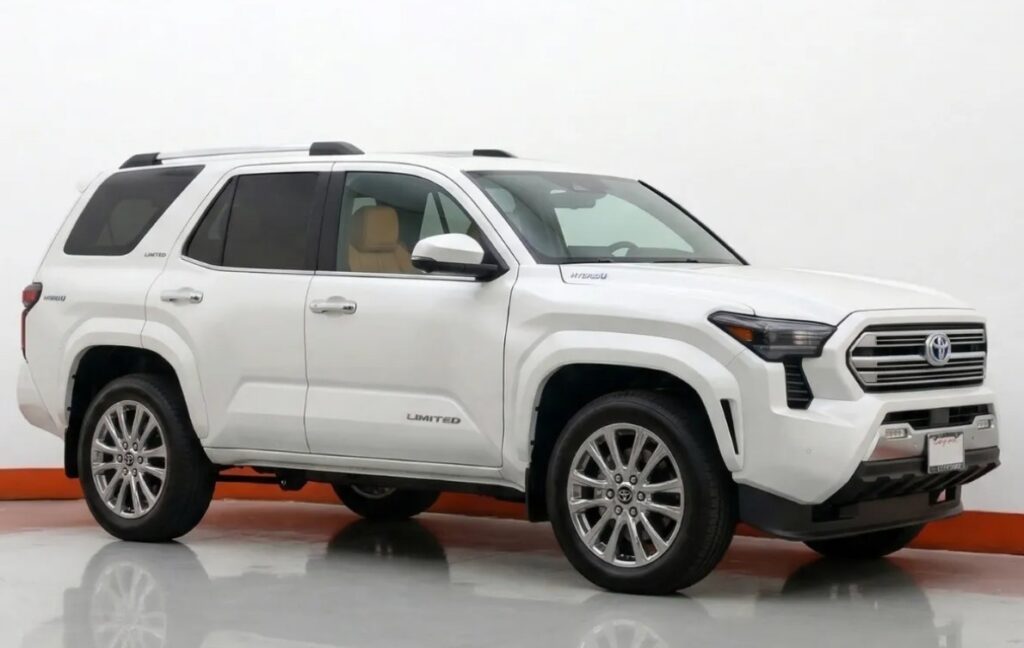
The Toyota 4Runner has never pretended to be a lightweight city crossover sipping fuel like a compact sedan. It is rugged, body-on-frame, unapologetically old-school, and built like a hiking boot instead of a running shoe. Yet one question keeps echoing across forums, dealerships, road trips, and family garages: How many miles per gallon does the Toyota 4Runner really get?
That question matters more than ever. Fuel prices swing wildly, long commutes stretch wallets thin, and buyers want adventure without feeling like they are feeding a thirsty dinosaur every week. The truth is fascinating because the 4Runner occupies a strange middle ground. It is not efficient by crossover standards, but it delivers something many SUVs abandoned years ago — genuine durability and off-road capability.
In this guide, we will unpack real-world Toyota 4Runner MPG figures, highway versus city fuel economy, how different generations compare, what affects mileage the most, and whether the 4Runner’s fuel consumption is actually worth it in daily life.
Content in this publication
- Understanding Toyota 4Runner MPG Basics
- Why the Toyota 4Runner Uses More Fuel
- Toyota 4Runner MPG by Generation
- Toyota 4Runner MPG by Trim Level
- Real-World Toyota 4Runner Fuel Economy
- How Tire Size Changes 4Runner MPG
- Lift Kits and Fuel Economy
- Is the Toyota 4Runner Good on Gas Compared to Competitors?
- Toyota 4Runner Highway MPG Explained
- City Driving and Fuel Consumption
- Toyota 4Runner Fuel Tank Size
- How to Improve Toyota 4Runner MPG
- Does Four-Wheel Drive Affect MPG?
- Toyota 4Runner MPG During Towing
- Why Many Owners Accept Lower MPG
- Toyota 4Runner Hybrid MPG Possibilities
- Is the Toyota 4Runner Expensive to Fuel?
- Best Driving Habits for Better 4Runner MPG
- Toyota 4Runner MPG in Winter
- High Mileage Toyota 4Runner Fuel Economy
- Should MPG Stop You From Buying a Toyota 4Runner?
- Conclusion
- FAQs
Understanding Toyota 4Runner MPG Basics
Before diving into generations and trim levels, we need to understand what “miles per gallon” really means in the 4Runner world.
MPG measures how far the SUV can travel on one gallon of fuel. The higher the number, the less fuel the vehicle consumes.
The Toyota 4Runner typically lands in this range:
- City MPG: 16–17 MPG
- Highway MPG: 19–21 MPG
- Combined MPG: 17–19 MPG
At first glance, those numbers may seem modest compared to modern crossovers. But context matters.
The 4Runner is:
- Body-on-frame
- Heavy
- Off-road capable
- Equipped with larger tires
- Designed for towing and durability
This is more like comparing hiking boots to marathon sneakers. One is optimized for endurance in harsh terrain, while the other is optimized for efficiency.
Why the Toyota 4Runner Uses More Fuel
A Traditional SUV Design
Many modern SUVs shifted toward unibody construction because it improves fuel economy and comfort.
The 4Runner refused to fully follow that trend.
Its body-on-frame platform delivers:
- Better off-road durability
- Greater towing strength
- Enhanced chassis rigidity
- Long-term reliability
But it also adds weight.
Weight is the enemy of fuel efficiency. Every extra pound requires more energy to move.
The Naturally Aspirated V6 Factor
Most recent 4Runner models use a 4.0-liter V6 engine.
Unlike tiny turbocharged engines found in many modern SUVs, this engine prioritizes reliability and predictable power delivery over maximizing MPG.
That means:
- Fewer complicated turbo components
- Smooth acceleration
- Better long-term durability
- Lower stress on the engine
But the tradeoff is fuel consumption.
It is like carrying a cast-iron skillet instead of a lightweight camping pan. Heavier? Absolutely. More dependable over decades? Often yes.
Toyota 4Runner MPG by Generation
Third Generation Toyota 4Runner MPG (1996–2002)
Older third-generation 4Runners remain beloved among enthusiasts.
Typical MPG:
- 16–20 MPG combined
Factors affecting these models:
- Smaller size
- Lighter curb weight
- Older transmissions
- Aging engines
Some owners still report surprisingly decent fuel economy when properly maintained.
Fourth Generation Toyota 4Runner MPG (2003–2009)
The fourth generation introduced more power and comfort.
Engine options included:
- V6
- V8
V6 MPG
- Around 17–21 MPG
V8 MPG
- Around 15–18 MPG
The V8 models are especially interesting because many owners accept lower MPG in exchange for smoother towing and stronger acceleration.
Fifth Generation Toyota 4Runner MPG (2010–2024)
The fifth generation became iconic.
Boxy styling, aggressive trims, and legendary reliability helped it develop a cult following.
Typical fuel economy:
| Driving Type | MPG |
|---|---|
| City | 16 MPG |
| Highway | 19–21 MPG |
| Combined | 17–18 MPG |
This generation kept the same 4.0-liter V6 for many years, which helped reliability but limited efficiency improvements.
Toyota 4Runner MPG by Trim Level
Not all 4Runners consume fuel equally.
SR5 MPG
The SR5 often achieves slightly better fuel economy because it usually carries less off-road equipment.
Expected MPG:
- 16 city
- 19 highway
TRD Off-Road MPG
The Toyota 4Runner TRD Off-Road adds terrain-focused upgrades.
These may include:
- Skid plates
- All-terrain tires
- Suspension changes
Those additions can slightly reduce fuel efficiency.
TRD Pro MPG
The Toyota 4Runner TRD Pro is the adventure specialist.
Fuel economy often drops slightly because of:
- Aggressive tires
- Roof racks
- Heavier equipment
- Suspension upgrades
Real-world owners commonly report:
- 15–18 MPG combined
Limited MPG
The Toyota 4Runner Limited focuses more on road comfort.
Because it often uses highway-oriented tires, some drivers see marginally better highway MPG.
Real-World Toyota 4Runner Fuel Economy
EPA ratings tell part of the story.
Real-world MPG tells the rest.
Many owners report:
- Daily commuting: 16–18 MPG
- Long highway trips: 20–22 MPG
- Heavy off-roading: 12–15 MPG
Driving habits dramatically affect outcomes.
Aggressive acceleration can turn a decent fuel economy figure into something painful surprisingly quickly.
How Tire Size Changes 4Runner MPG
This is one of the biggest overlooked factors.
Larger tires look fantastic. They also hurt fuel economy.
Why?
Because oversized tires:
- Increase rolling resistance
- Add rotational weight
- Alter gearing
- Require more engine effort
A lifted 4Runner with oversized mud-terrain tires may lose:
- 1–4 MPG
That might not sound massive initially, but over years of ownership, it adds up significantly.
Lift Kits and Fuel Economy
Lift kits transform the 4Runner visually.
Suddenly the SUV looks ready to climb mountains and survive apocalyptic terrain.
But aerodynamics suffer badly.
More airflow under the vehicle creates drag, which reduces efficiency.
Typical MPG losses from lifts:
| Lift Size | Estimated MPG Loss |
|---|---|
| 2 inches | 1 MPG |
| 3 inches | 1–2 MPG |
| 4+ inches | 2–4 MPG |
That aggressive stance comes with a fuel penalty.
Is the Toyota 4Runner Good on Gas Compared to Competitors?
Let us compare it with similar SUVs.
| SUV | Combined MPG |
|---|---|
| Toyota 4Runner | 17–19 MPG |
| Jeep Wrangler | 17–22 MPG |
| Ford Bronco | 17–21 MPG |
| Toyota Highlander | 24–36 MPG |
| Honda Pilot | 22–27 MPG |
Compared to crossovers, the 4Runner looks thirsty.
Compared to true off-road SUVs, it becomes far more competitive.
Toyota 4Runner Highway MPG Explained
Highway driving is where the 4Runner performs best.
Once cruising speed stabilizes:
- Gear shifts decrease
- Engine strain lowers
- Momentum improves efficiency
Many owners report exceeding EPA estimates during relaxed highway driving.
The sweet spot often sits around:
- 65–70 mph
Push beyond 80 mph and fuel economy can collapse rapidly because aerodynamic drag rises dramatically.
City Driving and Fuel Consumption
City driving hurts MPG more than almost anything else.
Frequent stops mean:
- Repeated acceleration
- Increased idling
- Constant braking
A heavy SUV like the 4Runner consumes noticeably more fuel in urban traffic.
If your daily routine involves:
- Dense traffic
- Short commutes
- Stoplights every block
You may see MPG figures closer to:
- 14–16 MPG
Toyota 4Runner Fuel Tank Size
Most modern 4Runner models include a fuel tank around:
- 23 gallons
That large tank helps offset lower MPG.
Estimated range:
| Driving Style | Estimated Range |
|---|---|
| Highway | 430–480 miles |
| Mixed Driving | 380–420 miles |
| Heavy Off-Roading | 250–320 miles |
This makes the 4Runner excellent for road trips and remote adventures.
How to Improve Toyota 4Runner MPG
Even though the 4Runner is not designed to dominate efficiency rankings, we can still improve fuel economy significantly.
Drive Smoothly
Gentle acceleration matters enormously.
Rapid throttle inputs consume fuel quickly.
Imagine pouring water from a bucket versus spraying it from a fire hose. Fuel behaves similarly under aggressive driving.
Keep Tires Properly Inflated
Underinflated tires create resistance.
That forces the engine to work harder.
Checking tire pressure monthly can noticeably improve MPG.
Reduce Extra Weight
Roof racks, recovery gear, and unnecessary cargo reduce efficiency.
Removing unused equipment helps.
Use Highway Tires
Mud-terrain tires look incredible, but they hurt MPG.
Highway-oriented tires often improve fuel economy noticeably.
Maintain the Engine Properly
Routine maintenance matters:
- Clean air filters
- Fresh spark plugs
- Proper oil
- Healthy oxygen sensors
Neglected maintenance quietly destroys MPG over time.
Does Four-Wheel Drive Affect MPG?
Absolutely.
Four-wheel-drive systems add:
- Weight
- Mechanical resistance
- Drivetrain complexity
Part-time 4WD systems help minimize some losses because they are not always engaged.
Still, a 4WD 4Runner generally consumes more fuel than a comparable rear-wheel-drive model.
Toyota 4Runner MPG During Towing
Towing changes everything.
The 4Runner can tow:
- Up to around 5,000 pounds depending on configuration
But fuel economy may drop dramatically.
Typical towing MPG:
- 10–14 MPG
Wind resistance from trailers becomes a major factor.
It feels a bit like running while carrying a parachute behind you.
Why Many Owners Accept Lower MPG
This is where the 4Runner becomes fascinating emotionally.
People rarely buy a 4Runner solely for fuel economy.
They buy it because it represents:
- Longevity
- Adventure
- Reliability
- Simplicity
- Off-road capability
Owners often say the tradeoff feels worthwhile because the SUV delivers confidence in places many crossovers cannot handle.
The 4Runner has a reputation for surviving hundreds of thousands of miles with proper maintenance.
That reputation matters.
Toyota 4Runner Hybrid MPG Possibilities
Many enthusiasts continue hoping for a hybrid 4Runner.
A hybrid system could potentially improve fuel economy dramatically.
Possible benefits include:
- Better city MPG
- Reduced fuel costs
- Improved torque
- Smoother acceleration
As the SUV market evolves, hybrid technology may redefine what future 4Runner fuel efficiency looks like.
Is the Toyota 4Runner Expensive to Fuel?
That depends on perspective.
If we compare it to compact crossovers, yes.
But fuel cost is only one ownership factor.
The 4Runner often compensates through:
- Excellent resale value
- Proven reliability
- Lower long-term depreciation
- Reduced catastrophic repair risks
Sometimes the cheapest vehicle to fuel is not the cheapest vehicle to own overall.
That distinction matters.
Best Driving Habits for Better 4Runner MPG
If we truly want the best possible fuel economy, these habits help most:
Use Cruise Control on Highways
Maintains consistent throttle input.
Avoid Excessive Idling
Idling burns fuel without moving the vehicle.
Plan Routes Efficiently
Fewer stop-and-go situations improve MPG.
Avoid Aggressive Tires Unless Necessary
All-terrain tires should match actual usage needs.
Maintain Moderate Speeds
Aerodynamic drag increases heavily at high speeds.
Toyota 4Runner MPG in Winter
Cold weather often reduces fuel economy.
Why?
Because:
- Engines take longer to warm up
- Winter fuel blends differ
- Tire pressure drops
- Snow increases rolling resistance
Winter MPG reductions of:
- 1–3 MPG
are fairly common.
High Mileage Toyota 4Runner Fuel Economy
Older, high-mileage 4Runners can still achieve respectable MPG when maintained properly.
However, fuel economy may decline because of:
- Aging sensors
- Carbon buildup
- Worn spark plugs
- Transmission wear
A neglected older SUV can consume fuel surprisingly fast.
Should MPG Stop You From Buying a Toyota 4Runner?
This depends entirely on priorities.
If maximum fuel efficiency matters most, a crossover or hybrid SUV may suit you better.
But if you value:
- Durability
- Off-road capability
- Rugged styling
- Reliability
- Strong resale value
then the 4Runner remains deeply compelling.
Buying one is less about chasing perfect efficiency and more about choosing a vehicle that feels ready for anything.
It is the automotive equivalent of a dependable old backpack that somehow survives every trip while newer bags split at the seams.
Conclusion
The Toyota 4Runner may never dominate fuel economy rankings, but that misses the bigger picture. This SUV was engineered for resilience, adventure, and long-term ownership rather than chasing laboratory-perfect MPG figures.
Most drivers can realistically expect:
- 16–18 MPG in mixed driving
- Around 20 MPG on highways
- Lower figures with lifts, oversized tires, or towing
And yet, despite modest fuel economy, the 4Runner continues attracting loyal fans worldwide.
Why?
Because it delivers something increasingly rare — mechanical honesty. It is rugged without pretending, durable without apology, and capable without compromise.
Sometimes that matters more than saving a few extra gallons each month.
FAQs
What is the average Toyota 4Runner MPG?
Most modern Toyota 4Runner models average around 17–19 MPG combined depending on driving conditions and trim level.
No. Most Toyota 4Runner models run on regular unleaded gasoline.
Which Toyota 4Runner gets the best fuel economy?
Stock SR5 and Limited trims with highway-oriented tires usually achieve the best MPG figures.
Do lift kits reduce Toyota 4Runner MPG?
Yes. Lift kits increase aerodynamic drag and often reduce fuel economy by 1–4 MPG depending on setup.
Is the Toyota 4Runner good for long road trips?
Absolutely. Its comfortable ride, large fuel tank, durability, and cargo space make it excellent for long-distance travel.
If you want to know other articles similar to Toyota 4Runner Miles Per Gallon: Real MPG, Fuel Costs, and What to Expect you can visit the category Driving.
Kia Sorento Fuel Economy: MPG, Hybrid, and Plug-In Hybrid Explained
BYD Shark 6 Fuel Consumption: Real-World Economy, Range and What to Expect
Vauxhall Agila MPG: Real-World Fuel Economy and Engine Guide

Honda Passport MPG: Real-World Fuel Economy, Ratings, and What to Expect

Nissan Rogue Fuel Economy: MPG, Range, Costs, and Real-World Efficiency
BYD Shark 6 Long Range Fuel Tank: Is the 120L Upgrade Worth It?
Leave a Reply
More content of your interest