

GMC Sierra EV Max Range: Complete Driving Guide

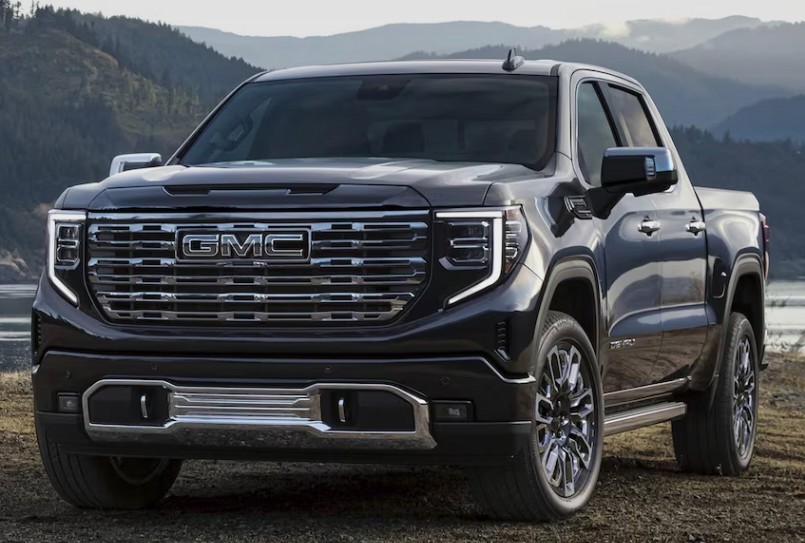
The GMC Sierra EV Max Range is built to answer one of the biggest questions surrounding electric pickup trucks: can an EV travel far enough to replace a gasoline-powered truck without turning every journey into a charging puzzle?
For the 2026 model year, the answer is increasingly convincing. Properly configured Sierra EV AT4 and Denali models offer a GM-estimated maximum range of up to 478 miles on a full charge. That is roughly 769 kilometres and represents a substantial improvement over the earliest Sierra EV estimates. GMC also offers Standard Range and Extended Range configurations, allowing buyers to balance price, performance, equipment, and driving distance.
Still, that 478-mile figure needs context. Electric range is not stamped in stone. It behaves more like the fuel economy of a conventional truck: speed, temperature, elevation, cargo, towing, tire choice, and driving habits can all move the number up or down.
In this guide, we will examine the Sierra EV’s maximum range, compare its available battery configurations, explain charging times, estimate real-world driving distances, and explore what happens when we attach a trailer. We will also consider whether the Max Range battery is genuinely worth paying for.
Content in this publication
- What Is the GMC Sierra EV Max Range?
- How the Sierra EV Reached 478 Miles
- GM-Estimated Range Versus EPA-Estimated Range
- How Far Can the Sierra EV Travel in Real Life?
- GMC Sierra EV Range While Towing
- How Fast Does the GMC Sierra EV Charge?
- Sierra EV Max Range Performance
- Standard, Extended, or Max Range: Which Is Best?
- How Weather Changes GMC Sierra EV Range
- Can the Sierra EV Really Travel 478 Miles?
- GMC Sierra EV Max Range Versus Gas Trucks
- Ways to Maximize GMC Sierra EV Range
- Is the GMC Sierra EV Max Range Worth It?
- Final Thoughts on the GMC Sierra EV Max Range
- Frequently Asked Questions
What Is the GMC Sierra EV Max Range?
The maximum advertised range for the 2026 GMC Sierra EV is up to 478 miles when equipped with the available Max Range battery pack.
That top figure applies to properly configured versions of the:
- GMC Sierra EV AT4 Max Range
- GMC Sierra EV Denali Max Range
GMC lists both models with a GM-estimated range of up to 478 miles. The Sierra EV Elevation is available with Standard Range and Extended Range batteries but is not listed with the flagship Max Range configuration on GMC’s current model page.
A 478-mile rating puts the truck into long-distance territory. On paper, it can travel farther between charging stops than many gasoline vehicles travel between fuel stops. It also provides a valuable reserve for owners who tow, work in cold climates, or live far from public charging stations.
However, we should underline the words “up to.” The advertised figure represents a specific vehicle configuration tested or estimated under controlled conditions. Larger wheels, aggressive tires, low temperatures, high speeds, heavy cargo, and trailers can reduce the distance achieved in everyday driving.
GMC Sierra EV Range by Battery Configuration
The 2026 lineup includes several range and trim combinations. GMC currently lists the following figures:
| Sierra EV configuration | Advertised range |
|---|---|
| Elevation Standard Range | Up to 283 miles, EPA-estimated |
| Elevation Extended Range | Up to 410 miles, EPA-estimated |
| AT4 Extended Range | Up to 390 miles, GM-estimated |
| AT4 Max Range | Up to 478 miles, GM-estimated |
| Denali Standard Range | Up to 283 miles, EPA-estimated |
| Denali Extended Range | Up to 410 miles, EPA-estimated |
| Denali Max Range | Up to 478 miles, GM-estimated |
These numbers show how dramatically the battery choice can change the truck’s personality. The difference between 283 and 478 miles is 195 miles—more than enough to transform how frequently we charge and how confidently we approach long-distance travel.
Why the AT4 Extended Range Is Lower
One detail may seem surprising: the AT4 Extended Range is listed at up to 390 miles, while Extended Range versions of the Elevation and Denali reach up to 410 miles.
The most likely explanation is the AT4’s off-road-focused equipment. Its increased ride height, all-terrain tires, underbody protection, and rugged exterior details can increase aerodynamic resistance and rolling resistance. That is the price of giving an electric truck more ability away from smooth pavement.
It is a familiar trade-off. Hiking boots are tougher than running shoes, but we would not expect them to glide across the ground with the same efficiency.
How the Sierra EV Reached 478 Miles
The Sierra EV did not begin with a 478-mile estimate. GMC has gradually expanded its capability through battery configurations, software calibration, drivetrain management, and improvements to the broader electric architecture.
The 2024 Sierra EV Denali Edition 1 was initially associated with a 400-mile target before GMC announced a higher GM-estimated figure of 440 miles. For 2025, the Denali Max Range increased to 460 miles. The 2026 Max Range versions are now advertised at up to 478 miles.
That progression looks like this:
| Model year | Maximum advertised range |
| 2024 Sierra EV Denali Edition 1 | Up to 440 miles |
| 2025 Sierra EV Denali Max Range | Up to 460 miles |
| 2026 Sierra EV AT4 and Denali Max Range | Up to 478 miles |
The numbers illustrate how quickly long-range electric trucks are evolving. In just a few model years, the Sierra EV has moved from an already impressive figure to one that approaches 500 miles.
A Large Battery Creates a Large Safety Margin
The Max Range battery does more than produce an attractive number for advertisements. Its real benefit is flexibility.
Most drivers will rarely travel 478 uninterrupted miles. Nevertheless, the extra battery capacity becomes useful when:
- Temperatures fall below freezing
- A trailer increases energy consumption
- Public chargers are far apart
- Strong winds reduce efficiency
- The driver cannot charge at the destination
- The truck is carrying heavy equipment
- The journey includes steep mountain roads
- Charging stations are occupied or unavailable
Range is a little like money in an emergency fund. We may not use every mile on an ordinary day, but the reserve becomes valuable when plans change.
GM-Estimated Range Versus EPA-Estimated Range
Not every Sierra EV range figure carries the same label. Some are identified as EPA estimates, while others are described as GM estimates.
What EPA-Estimated Range Means
An EPA range figure is produced through standardized testing procedures intended to make different electric vehicles easier to compare. Although laboratory testing cannot recreate every road, temperature, and driving style, it provides a common measuring stick.
The EPA result should not be interpreted as a guarantee. A truck rated for 410 miles may travel farther under ideal low-speed conditions or considerably less while towing at highway speeds in winter.
What GM-Estimated Range Means
A GM-estimated figure comes from the manufacturer and may be published before a final EPA number is available. GMC clearly labels the 478-mile Max Range figure as a GM estimate on its current vehicle pages.
That does not make the number meaningless. It simply means we should distinguish it from a finalized EPA rating when comparing vehicles.
Why Buyers Should Read the Footnotes
Range headlines naturally attract our attention, but footnotes often tell the more practical story. Before buying, we should confirm:
- The exact trim
- The selected battery pack
- Wheel and tire specifications
- Whether the figure is EPA- or manufacturer-estimated
- The truck’s production configuration
- Any optional equipment that may affect efficiency
Two Sierra EVs sitting beside each other at a dealership can look nearly identical while offering dramatically different driving ranges.
How Far Can the Sierra EV Travel in Real Life?
Real-world range depends on conditions. A driver moving gently through moderate weather may approach the advertised figure, while another towing uphill in freezing temperatures will not.
A useful planning method is to treat the official number as the best-case reference rather than the distance we must achieve every time.
Estimated Usable Road-Trip Range
Drivers commonly avoid arriving at a charger with zero percent battery. They may also charge only to around 80 percent during road trips because charging generally slows as the battery becomes fuller.
Using a hypothetical 10-to-80-percent charging window gives us access to approximately 70 percent of the rated range.
For a 478-mile Sierra EV:
- 70 percent of 478 miles equals roughly 335 miles
- 80 percent of 478 miles equals roughly 382 miles
- 90 percent of 478 miles equals roughly 430 miles
Therefore, a practical highway leg could fall near 300 to 350 miles in favourable conditions, depending on speed and energy use.
That is still a long stretch. At highway speeds, many passengers will want food, coffee, or a restroom before the truck desperately needs electricity.
Real-World GMC Sierra EV Range Factors
Several variables influence the distance displayed on the dashboard.
Highway Speed
Aerodynamic drag rises rapidly as speed increases. A large pickup must push a broad wall of air aside, so travelling at 75 or 80 mph can consume much more energy than cruising at 60 or 65 mph.
A small reduction in speed can make a noticeable difference during a long journey.
Outside Temperature
Lithium-ion batteries are sensitive to temperature. Cold weather can reduce available energy and increase electricity consumption because the truck must heat both the cabin and the battery.
Extreme heat can also affect efficiency, particularly when the air-conditioning system works continuously.
Wheel and Tire Selection
Large wheels may look impressive, but appearance is not free. Wider tires, heavier wheels, and aggressive tread patterns can increase resistance.
The AT4’s off-road design demonstrates this trade-off clearly. It gains trail capability but may sacrifice some range compared with a road-oriented configuration using the same broad battery category.
Payload
Tools, building materials, passengers, and cargo add weight. The effect may be modest during constant-speed travel on level roads, but it becomes more noticeable in stop-and-go conditions and hilly areas.
Elevation Changes
Climbing requires energy. Regenerative braking can recover some electricity during the descent, but it will not always return everything used on the way up.
Wind and Rain
A strong headwind creates invisible resistance. Heavy rain and standing water can also increase rolling resistance. The truck may therefore consume more electricity even when the driver maintains the same speed.
GMC Sierra EV Range While Towing
Towing is the elephant in the charging bay. Electric motors produce excellent torque, making an EV feel strong and effortless when pulling a trailer. Yet the trailer’s aerodynamic drag can sharply reduce driving range.
The 2026 Sierra EV Max Range is listed with maximum trailering capability of up to 10,200 pounds in certain configurations. That is serious pickup-truck capacity, not decorative capability.
However, maximum towing capacity and maximum range generally should not be expected at the same time.
How Much Range Can Towing Remove?
There is no universal towing-range percentage because trailers differ enormously. A low, streamlined utility trailer behaves differently from a tall travel trailer that catches the wind like a ship’s sail.
Depending on the trailer, speed, weather, and terrain, towing could reduce range by roughly:
- 20 to 30 percent with a lighter or more aerodynamic trailer
- 30 to 45 percent with a medium travel trailer
- 40 to 50 percent or more with a large, tall trailer in difficult conditions
These figures are broad planning examples rather than official Sierra EV ratings.
If a 478-mile truck loses 40 percent of its range, the theoretical distance falls to approximately 287 miles. When we preserve a charging reserve, a safer towing leg may be closer to 200 to 240 miles.
Why Trailer Shape Matters So Much
Weight matters most while accelerating and climbing, but aerodynamics dominate at highway speed.
A heavy, low trailer may use less energy than a lighter travel trailer with a tall, flat front. The Sierra EV can move the weight, but moving the surrounding air requires continuous energy.
Planning Charging Stops With a Trailer
Towing an EV requires more preparation because not every charging station is designed for a long truck-and-trailer combination.
Before leaving, we should check:
- Charger reliability
- Stall orientation
- Pull-through charger availability
- Trailer clearance
- Nearby backup chargers
- Elevation changes
- Expected temperatures
- Arrival battery percentage
A charger may work perfectly while still forcing us to disconnect the trailer. That is not disastrous, but it can make the trip slower and less convenient.
How Fast Does the GMC Sierra EV Charge?
Range only tells half the road-trip story. A truck with a large battery also needs strong charging capability.
The Sierra EV supports available 800-volt DC fast charging. With the Max Range battery, GMC says the truck can recover up to 120 miles of range in approximately 10 minutes under suitable conditions. Earlier Sierra EV versions were advertised as adding up to 100 miles in about 10 minutes at a compatible charger.
That does not mean every ten-minute stop always adds exactly 120 miles. Charging performance depends on:
- Charger output
- Battery temperature
- Starting state of charge
- Battery conditioning
- Ambient temperature
- Charging-curve behaviour
- Power shared with nearby stalls
DC Fast Charging on Road Trips
The quickest charging usually occurs when the battery is relatively low and properly conditioned. As the battery approaches a high state of charge, the system reduces power to protect battery health and manage heat.
For that reason, several shorter charging stops can be faster than waiting for the truck to reach 100 percent at every station.
We might arrive with 10 or 15 percent, charge to 70 or 80 percent, and continue. The aim is not to fill the battery completely; it is to add enough energy to reach the next reliable stop.
Level 2 Charging at Home
Home charging is where the Sierra EV becomes most convenient. Instead of visiting a public station whenever the battery falls, we can plug in overnight and begin the next morning with the desired charge level.
The exact charging time depends on:
- The home charging unit’s power
- The electrical circuit
- The truck’s onboard charging capability
- Battery size
- Starting percentage
- Target percentage
A Max Range battery is extremely large, so charging it from nearly empty on a basic household outlet would be painfully slow. A professionally installed 240-volt Level 2 charger is the more practical solution for most owners.
Do We Need to Charge to 100 Percent Every Night?
Usually, no. Daily driving rarely requires the entire battery.
Many EV owners set a lower routine charging limit and reserve 100-percent charging for long journeys. The appropriate setting should follow GMC’s owner guidance and the driver’s schedule.
The beauty of a 478-mile maximum is that even a partial charge may provide more than enough distance for several days of normal driving.
Sierra EV Max Range Performance
The Max Range model is not merely a giant battery mounted beneath a slow work truck. It also delivers substantial power.
The 2026 Sierra EV Denali Max Range is listed with up to:
- 760 horsepower
- 785 lb-ft of torque
- 10,200 pounds of maximum trailering
- 1,500 pounds of maximum payload
- 478 miles of GM-estimated range
The AT4 Max Range offers up to 725 horsepower and 775 lb-ft of torque, while retaining the same maximum advertised range and similar top trailering and payload figures.
Electric motors deliver power quickly, so the truck can feel much lighter than it actually is. Pressing the accelerator can produce the kind of immediate response we normally associate with performance cars, not full-size pickups.
Does Hard Acceleration Reduce Range?
Yes. Frequent use of maximum power consumes additional energy, just as hard acceleration burns more gasoline in a conventional truck.
The Sierra EV may tempt us with effortless torque, but restraint helps preserve range. Smooth acceleration, steady speeds, and anticipatory braking are more efficient.
Regenerative braking can recover energy while slowing, yet it cannot erase the cost of every aggressive launch. Physics always sends the bill.
Standard, Extended, or Max Range: Which Is Best?
The correct battery depends on how the truck will be used.
Who Should Choose Standard Range?
The Standard Range configuration may suit drivers who:
- Travel mostly within a city or metropolitan region
- Charge at home every night
- Rarely tow long distances
- Want a lower purchase price
- Have dependable public charging nearby
- Drive fewer than 100 miles on most days
With up to 283 EPA-estimated miles in listed Elevation and Denali configurations, Standard Range is not truly “short range.” It still offers more distance than many drivers use during several normal days.
Who Should Choose Extended Range?
Extended Range may be the sweet spot for buyers who want:
- Greater road-trip flexibility
- Less frequent charging
- Better protection against winter losses
- Occasional towing capability
- A balance between range and cost
Up to 410 miles in road-oriented configurations gives the truck a generous cushion without necessarily stepping into the most expensive battery option.
Who Should Choose Max Range?
The Max Range battery makes the strongest case for owners who:
- Regularly drive long highway distances
- Tow between cities
- Live in rural regions
- Work at remote sites
- Face harsh winters
- Cannot charge reliably every night
- Prefer fewer public charging stops
- Intend to keep the truck for demanding use
The Max Range model is not automatically the best financial choice. We are paying for capacity, weight, and capability that some owners may rarely use.
But when range matters, it matters enormously. A contractor travelling between distant job sites may value those extra miles far more than an urban commuter who drives 25 miles per day.
How Weather Changes GMC Sierra EV Range
Weather deserves special attention because it can transform an excellent range estimate into a merely good one.
Cold-Weather Range
During winter, the battery may use energy to maintain an effective operating temperature. Cabin heating also consumes electricity.
The reduction varies, but drivers in cold regions should build a larger reserve into their plans. A truck that might travel comfortably between two chargers in mild weather could require an earlier stop during a freezing week.
Helpful practices include:
- Preconditioning while connected to home power
- Using heated seats before maximum cabin heat
- Parking in a garage when possible
- Reducing highway speed
- Keeping tires correctly inflated
- Planning chargers with generous reserves
Hot-Weather Range
Hot weather can require continuous air conditioning and battery cooling. The effect may be smaller than severe winter losses in many situations, but it still matters.
Pre-cooling the cabin while plugged in allows the charging source—not the battery alone—to handle some of the initial temperature load.
Tire Pressure and Temperature
Tire pressure changes with temperature. Underinflated tires create additional rolling resistance, which wastes energy and can accelerate tire wear.
We should follow the pressure shown on the vehicle’s door-jamb label rather than using a generic number or the maximum printed on the tire sidewall.
Can the Sierra EV Really Travel 478 Miles?
Under the conditions behind GMC’s estimate, a properly configured truck may approach the advertised figure. Some trips could produce more favourable results, while others will fall short.
The better question is not, “Will it travel exactly 478 miles every time?”
A more useful question is, “Does the Max Range battery provide enough usable distance for our worst routine journey?”
For most daily driving, the answer will be yes by a wide margin. For towing, winter travel, and remote routes, the answer depends on planning and access to charging.
Range Is a Moving Prediction
The number shown on the dashboard is an estimate based on recent consumption, route conditions, temperature, and other data.
It may fall quickly after connecting a trailer or climbing a steep grade. It may improve while descending or driving more slowly.
We should think of the display as a weather forecast rather than a bank balance. It is informed and useful, but conditions can shift.
GMC Sierra EV Max Range Versus Gas Trucks
A gasoline Sierra may refuel more quickly and benefit from a larger, more established network of stations. The Sierra EV counters with home charging, smooth performance, lower day-to-day energy complexity, and the ability to begin many mornings with a charged battery.
A driver covering 40 miles per day may rarely use public charging. In that scenario, the EV can be more convenient because the “fuel station” is at home.
Long-distance towing changes the equation. Gasoline and diesel trucks can refill rapidly, while an electric pickup requires longer stops and more charger planning.
The best option depends on the job:
| Driving situation | Likely advantage |
| Daily commuting with home charging | Sierra EV |
| Frequent short local towing | Sierra EV can work well |
| Remote travel without chargers | Gasoline or diesel |
| Regular cross-country towing | Gasoline or diesel remains easier |
| Long trips without a trailer | Sierra EV Max Range is competitive |
| Quiet operation and instant torque | Sierra EV |
| Fast refuelling almost anywhere | Gasoline or diesel |
The Sierra EV does not need to defeat every combustion truck in every situation. It only needs to fit the owner’s actual routine.
Ways to Maximize GMC Sierra EV Range
Small choices can preserve meaningful distance over a long trip.
Use Smooth Acceleration
Electric torque arrives instantly. Enjoying it occasionally is part of the experience, but repeated hard launches consume energy quickly.
Reduce Excessive Highway Speed
Speed is one of the most powerful range variables under our control. Slowing slightly may save enough energy to avoid an additional charging stop.
Precondition the Battery
When possible, prepare the battery and cabin while the truck remains plugged in. This reduces the amount of stored energy needed immediately after departure.
Remove Unnecessary Weight
We do not need to empty the truck after every errand, but carrying hundreds of pounds of unused equipment all year is inefficient.
Check Tire Pressure
Proper inflation supports efficiency, handling, braking, and tire life.
A good route planner should consider elevation, temperature, charger availability, and expected arrival percentage rather than simply measuring distance.
Maintain a Charging Reserve
Arriving with a small reserve is sensible. Arriving at zero leaves no room for a broken charger, detour, headwind, or blocked station.
Do Not Chase Maximum Range Every Day
Trying to extract every possible mile can make EV ownership stressful. Most of the time, we simply need enough charge for the day plus a comfortable reserve.
The Max Range Sierra EV gives us room to relax. That may be its most valuable feature.
Is the GMC Sierra EV Max Range Worth It?
The Max Range version is worth considering when the extra distance solves a real problem.
It makes sense for rural drivers, frequent travellers, winter users, and owners who tow. It may also appeal to buyers who simply dislike stopping and want the broadest possible safety margin.
However, an Extended Range model offering up to 390 or 410 miles may already exceed the needs of many households. Paying for the largest battery when we drive locally is like carrying a camping backpack to buy groceries: capable, impressive, and unnecessary.
We should compare the additional purchase cost with:
- Annual mileage
- Typical daily distance
- Home charging access
- Towing frequency
- Local winter temperatures
- Public charging reliability
- Expected ownership period
- Resale considerations
The ideal battery is not always the biggest one. It is the one that removes practical limitations without forcing us to buy unused capacity.
Final Thoughts on the GMC Sierra EV Max Range
The GMC Sierra EV Max Range reaches up to a GM-estimated 478 miles in properly equipped 2026 AT4 and Denali models. That headline figure places it among the most travel-ready electric pickups available and gives owners a substantial buffer for highway driving, winter weather, remote destinations, and towing.
The lineup also provides meaningful choice. Standard Range models offer up to 283 EPA-estimated miles, while Extended Range configurations reach as high as 410 EPA-estimated miles. Buyers no longer have to choose between one battery and one luxury trim.
Of course, no electric truck escapes physics. High speeds, freezing temperatures, heavy payloads, off-road tires, and large trailers can cut into the advertised distance. The 478-mile figure is therefore a starting point, not an unconditional promise.
Even so, the Max Range battery changes the conversation. Instead of asking whether an electric pickup can complete ordinary trips, we can begin asking how rarely we will need to stop.
For many drivers, Extended Range will provide the smarter balance. For those whose work or adventures stretch far beyond the city limits, the Max Range Sierra EV offers something even more valuable than a large number: breathing room.
Frequently Asked Questions
1. What is the maximum range of the GMC Sierra EV?
The 2026 GMC Sierra EV AT4 Max Range and Denali Max Range are advertised with a GM-estimated driving range of up to 478 miles on a full charge. Actual range varies with configuration, temperature, speed, terrain, payload, towing, and driving style.
2. Which GMC Sierra EV has the longest range?
The AT4 Max Range and Denali Max Range share the highest advertised figure of up to 478 miles. The Denali emphasizes luxury and on-road comfort, while the AT4 adds more off-road-focused styling and equipment.
3. How far can a GMC Sierra EV travel while towing?
There is no single official towing-range figure because trailer size, shape, weight, speed, weather, and terrain vary. A large travel trailer could reduce range by 40 percent or more, while a lighter and more aerodynamic trailer may have a smaller effect.
4. How much range can the Sierra EV add in 10 minutes?
GMC says a Sierra EV equipped with the Max Range battery can add up to 120 miles of range in approximately 10 minutes using compatible 800-volt DC fast-charging equipment under suitable conditions. Actual charging speed will vary.
5. Is the Max Range battery necessary for daily driving?
Not for most commuters. A Standard Range or Extended Range version may comfortably cover routine driving. Max Range is most useful for long-distance travellers, rural owners, towing, cold-weather use, or drivers without reliable daily charging.
If you want to know other articles similar to GMC Sierra EV Max Range: Complete Driving Guide you can visit the category Driving.
Can Nissan Rogue Pull a Boat? Complete Towing Guide
Can Nissan Rogue Be Flat Towed? Complete Towing Guide
Are Nissan Rogue Good on Gas? MPG, Fuel Economy, and Real-World Costs
Can Nissan Rogue Drive in Snow? Complete Winter Driving Guide

Kia Sorento Diesel Fuel Consumption: MPG, Efficiency and Real-World Range
Haval Jolion Hybrid Fuel Consumption: How Efficient Is It Really?
Leave a Reply
More content of your interest