

Ford Explorer EV Range: Everything We Need to Know About Real-World Driving Distance

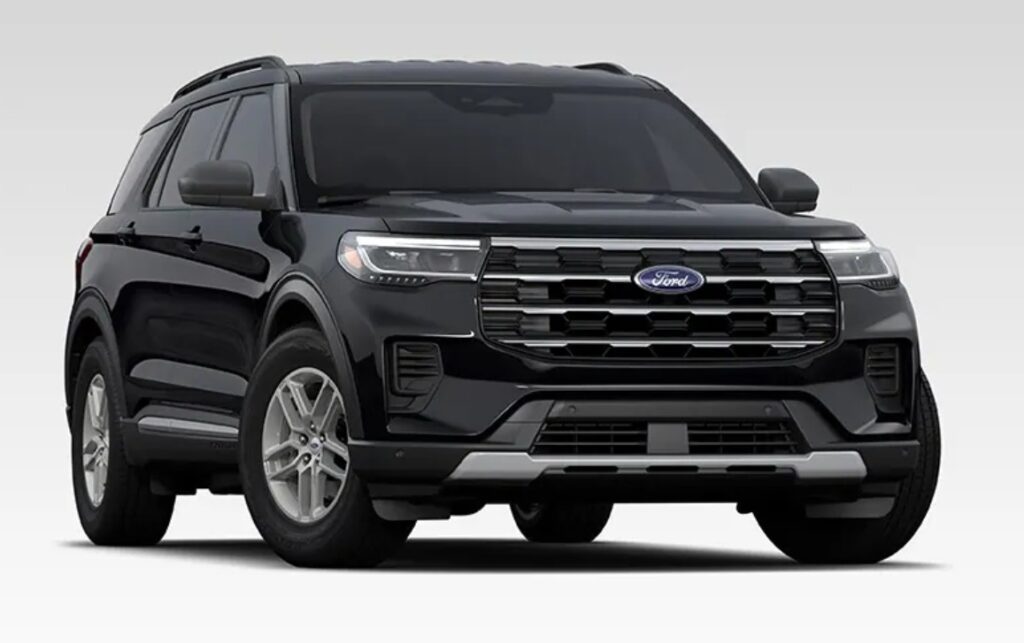
The electric vehicle revolution is moving at full speed, and the Ford Explorer EV has emerged as one of the most talked-about electric SUVs in Europe and beyond. While style, technology, and practicality attract buyers, one question sits at the center of nearly every purchasing decision: What is the Ford Explorer EV range?
Range anxiety still influences many drivers. Nobody wants to be stranded with a depleted battery, especially during long road trips or family vacations. Fortunately, the Ford Explorer EV aims to deliver a balance of efficiency, performance, and everyday usability that makes electric driving easier than ever.
In this comprehensive guide, we'll explore the Ford Explorer EV range in detail, examine real-world expectations, compare battery options, discuss charging performance, and uncover the factors that can influence how far this electric SUV can travel on a single charge.
Content in this publication
- Understanding the Ford Explorer EV
- Why Range Matters More Than Ever
- Ford Explorer EV Range Overview
- How WLTP Range Works
- Standard Range Battery Performance
- Extended Range Battery: The Sweet Spot
- All-Wheel Drive Range Explained
- Real-World Ford Explorer EV Range
- Factors That Affect Ford Explorer EV Range
- The Impact of Regenerative Braking
- Charging and Its Relationship to Range
- Road Trips in the Ford Explorer EV
- Ford Explorer EV vs Competitors
- Tips to Maximize Ford Explorer EV Range
- Battery Longevity and Future Range
- Who Should Buy the Ford Explorer EV?
- The Future of Ford Electric SUVs
- Ford Explorer EV Range: Final Thoughts
- Frequently Asked Questions
Understanding the Ford Explorer EV
The Ford Explorer EV is not the traditional gasoline-powered Explorer many drivers know from North America. Instead, this all-electric model was developed specifically for the European market and is built on Volkswagen Group's MEB electric platform.
The result is a modern SUV that combines Ford's design language with proven EV technology.
Key highlights include:
- Fully electric powertrain
- Multiple battery options
- Fast-charging capability
- Spacious interior
- Advanced infotainment technology
- Competitive driving range
The Explorer EV targets families and commuters who want SUV practicality without fuel expenses.
Why Range Matters More Than Ever
When purchasing a conventional vehicle, drivers rarely think about range because gas stations are everywhere.
Electric vehicles are different.
Range influences:
- Daily commuting confidence
- Long-distance travel convenience
- Charging frequency
- Ownership satisfaction
- Resale value
A vehicle with strong range capability often feels more flexible and future-proof.
The Ford Explorer EV attempts to address these concerns by offering battery configurations designed for different driving needs.
Ford Explorer EV Range Overview
The official Ford Explorer EV range varies depending on the battery and drivetrain configuration selected.
Current estimates place the range approximately between:
| Model | Estimated WLTP Range |
|---|---|
| Standard Range RWD | Up to 384 km (239 miles) |
| Extended Range RWD | Up to 602 km (374 miles) |
| Extended Range AWD | Up to 566 km (352 miles) |
These figures are measured under the WLTP testing cycle.
While official ratings provide a useful benchmark, real-world results often differ.
How WLTP Range Works
What Is WLTP?
WLTP stands for Worldwide Harmonized Light Vehicle Test Procedure.
It is a standardized testing method used throughout Europe to estimate vehicle efficiency and driving range.
The test includes:
- Urban driving
- Highway driving
- Variable speeds
- Multiple temperature conditions
WLTP figures generally appear more realistic than older testing methods.
Why Real-World Results Differ
Actual driving conditions rarely match laboratory testing.
Factors such as weather, terrain, traffic, and driving habits influence range significantly.
As a result, most drivers achieve slightly lower figures than official WLTP estimates.
Standard Range Battery Performance
The entry-level Explorer EV comes equipped with a smaller battery designed for urban and suburban drivers.
Who Should Choose the Standard Range Model?
The standard battery works well for:
- Daily commuting
- City driving
- School runs
- Shopping trips
- Local travel
For many households, a 239-mile range easily covers an entire week of driving before charging becomes necessary.
Benefits of the Smaller Battery
Advantages include:
- Lower purchase price
- Reduced weight
- Improved affordability
- Faster charging percentages
Not every driver needs the largest battery available.
Extended Range Battery: The Sweet Spot
Many experts consider the Extended Range Rear-Wheel Drive model the most attractive option in the lineup.
With up to 374 miles of WLTP range, it offers excellent flexibility.
Long-Distance Confidence
Imagine driving from one major city to another without constantly searching for charging stations.
The extended-range battery transforms road trips from a challenge into a routine journey.
Lower Charging Frequency
One of the biggest advantages of a larger battery is convenience.
Drivers spend less time charging and more time enjoying the road.
All-Wheel Drive Range Explained
Why AWD Reduces Range
The all-wheel-drive version includes an additional motor.
While this improves:
- Traction
- Acceleration
- Stability
It also increases energy consumption.
More power generally means slightly lower efficiency.
Is the Trade-Off Worth It?
For drivers in regions with:
- Snow
- Rain
- Mountain roads
The AWD model may justify the modest reduction in range.
Real-World Ford Explorer EV Range
Laboratory numbers tell one story.
Daily driving tells another.
Urban Driving
Electric vehicles thrive in city environments.
Regenerative braking helps recover energy during stop-and-go traffic.
Many drivers may achieve results close to official estimates in urban conditions.
Highway Driving
High-speed travel increases aerodynamic resistance.
As speeds rise, efficiency typically decreases.
Expect highway range to be lower than city range.
Mixed Driving
Most owners combine city and highway driving.
In mixed conditions, the Explorer EV should deliver practical and competitive performance compared with rivals.
Factors That Affect Ford Explorer EV Range
Driving Style
Aggressive acceleration drains battery power faster.
Smooth driving improves efficiency.
Think of energy like water flowing from a bucket. The harder we pour, the faster it disappears.
Weather Conditions
Cold weather remains one of the biggest challenges for EVs.
Battery chemistry becomes less efficient at low temperatures.
Heating systems also consume energy.
Terrain
Climbing steep hills requires additional power.
Flat roads generally produce better efficiency.
Vehicle Load
Extra passengers and cargo increase weight.
More weight means higher energy consumption.
The Impact of Regenerative Braking
Regenerative braking acts like a hidden energy saver.
Instead of wasting momentum as heat, the vehicle converts some of that energy back into electricity.
Benefits include:
- Improved efficiency
- Reduced brake wear
- Increased driving range
- Better city performance
Many drivers quickly adapt to one-pedal driving and appreciate its convenience.
Charging and Its Relationship to Range
Range and charging are inseparable.
The farther a vehicle travels, the less often charging is required.
AC Home Charging
Home charging remains the most convenient solution.
Benefits include:
- Overnight charging
- Lower costs
- Daily convenience
- Consistent battery readiness
Most owners begin each morning with a nearly full battery.
DC Fast Charging
The Explorer EV supports rapid charging technology.
Fast charging significantly reduces waiting times during longer journeys.
This means range becomes less of a concern because energy can be replenished quickly.
Road Trips in the Ford Explorer EV
Can It Handle Long Distances?
Absolutely.
The extended-range versions make long-distance travel practical.
With modern charging infrastructure expanding rapidly, road trips continue becoming easier.
Planning Makes a Difference
Successful EV travel involves:
- Route planning
- Charging stop identification
- Monitoring battery levels
- Considering weather conditions
A few minutes of preparation can eliminate most concerns.
Ford Explorer EV vs Competitors
The electric SUV segment is increasingly crowded.
The Explorer EV competes against several strong alternatives.
Key Rivals
Notable competitors include:
- Volkswagen ID.4
- Tesla Model Y
- Skoda Enyaq
- Hyundai Ioniq 5
- Kia EV6
How the Explorer EV Stands Out
Strengths include:
- Familiar Ford branding
- Competitive range
- Practical cabin layout
- User-friendly technology
- Strong value proposition
Tips to Maximize Ford Explorer EV Range
Drive Smoothly
Gentle acceleration conserves energy.
Use Eco Modes
Efficiency-focused driving modes optimize power delivery.
Precondition the Cabin
Preparing cabin temperature while plugged in reduces battery usage during trips.
Maintain Proper Tire Pressure
Underinflated tires create additional rolling resistance.
Limit Excess Weight
Removing unnecessary cargo can improve efficiency.
Battery Longevity and Future Range
Many prospective buyers worry about battery degradation.
Fortunately, modern EV batteries are designed for long-term durability.
What Happens Over Time?
All batteries gradually lose capacity.
However, degradation is usually slow.
Most owners retain a significant portion of original capacity even after many years.
Protecting Battery Health
Best practices include:
- Avoiding frequent full discharges
- Limiting excessive fast charging
- Keeping software updated
- Following manufacturer recommendations
Who Should Buy the Ford Explorer EV?
The Explorer EV suits a wide range of drivers.
Ideal buyers include:
- Families
- Commuters
- Technology enthusiasts
- Environmentally conscious drivers
- Long-distance travelers choosing extended-range versions
Its combination of practicality and efficiency creates broad appeal.
The Future of Ford Electric SUVs
The Explorer EV represents more than a single vehicle.
It symbolizes Ford's broader commitment to electrification.
As battery technology improves, future models will likely offer:
- Greater range
- Faster charging
- Lower costs
- Enhanced performance
Today's Explorer EV serves as a glimpse into tomorrow's transportation landscape.
Ford Explorer EV Range: Final Thoughts
The Ford Explorer EV range is one of the strongest arguments in favor of this electric SUV. Depending on configuration, drivers can expect official WLTP figures ranging from approximately 239 miles to 374 miles, placing the vehicle among the most competitive options in its class.
For everyday commuting, even the standard-range model offers more than enough capability. Meanwhile, extended-range variants provide the flexibility needed for road trips and long-distance travel. Combined with fast charging, regenerative braking, and modern battery technology, the Explorer EV demonstrates how far electric vehicles have evolved.
Ultimately, the question is no longer whether an electric SUV can meet our daily needs. The more interesting question may be this: if vehicles like the Explorer EV can deliver impressive range, lower operating costs, and a refined driving experience, what reason remains to stay tied to the gas pump?
Frequently Asked Questions
How many miles can the Ford Explorer EV travel on a full charge?
Depending on the version, the Ford Explorer EV offers up to approximately 374 miles of WLTP range.
Which Ford Explorer EV has the longest range?
The Extended Range Rear-Wheel Drive model delivers the highest official range rating.
Does cold weather affect Ford Explorer EV range?
Yes. Low temperatures can reduce battery efficiency and increase energy consumption.
Can the Ford Explorer EV be used for road trips?
Absolutely. The extended-range models are designed to handle long-distance travel comfortably.
How can I maximize the Ford Explorer EV range?
Drive smoothly, maintain proper tire pressure, use regenerative braking, and precondition the cabin when possible.
If you want to know other articles similar to Ford Explorer EV Range: Everything We Need to Know About Real-World Driving Distance you can visit the category Driving.
Mazda CX-5 Real-World MPG: What Drivers Actually Get
Mazda CX-5 0-60: Acceleration Times by Year and Engine
MG HS Fuel Consumption: Complete MPG Guide
Can Nissan Rogue Pull a Boat? Complete Towing Guide
Can Nissan Rogue Be Flat Towed? Complete Towing Guide
Are Nissan Rogue Good on Gas? MPG, Fuel Economy, and Real-World Costs
Leave a Reply
More content of your interest