

Chevrolet Tahoe Fuel Economy: The Real-World Truth Behind This Full-Size SUV

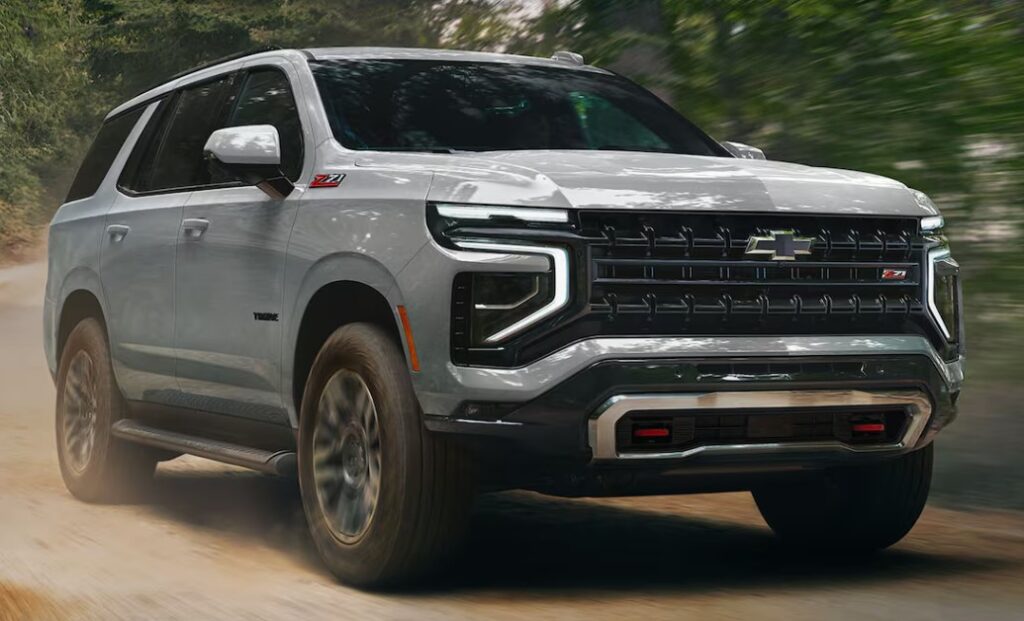
When we think about the Chevrolet Tahoe, fuel economy probably is not the first thing that comes to mind. We picture towering road trips, family adventures, boats being hauled to the lake, and enough cargo room to swallow half a garage. Yet in today’s world of rising fuel costs and smarter engines, fuel economy suddenly matters—even in massive SUVs.
So, how efficient is the Chevrolet Tahoe really?
The answer is surprisingly layered. Some Tahoe models drink fuel like a thirsty marathon runner after a desert race, while newer trims equipped with diesel technology behave more like disciplined long-distance athletes. The Tahoe has evolved dramatically over the years, and its MPG numbers tell an interesting story.
In this guide, we are diving deep into everything surrounding Chevrolet Tahoe fuel economy—from EPA ratings and real-world mileage to engine comparisons, driving habits, maintenance tips, towing efficiency, and whether this iconic SUV is worth the fuel bill.
Let’s hit the road.
Content in this publication
- Why Fuel Economy Matters in a Full-Size SUV
- Chevrolet Tahoe Fuel Economy by Engine
- Real-World Chevrolet Tahoe MPG
- How Tahoe Fuel Economy Compares to Competitors
- What Impacts Chevrolet Tahoe Fuel Economy?
- Vehicle Weight
- Driving Style
- Tire Pressure
- Terrain
- Towing and Fuel Economy
- Best Chevrolet Tahoe Engine for Fuel Economy
- Best Tahoe Engine for Balanced Performance
- Chevrolet Tahoe Fuel Tank Size and Driving Range
- How To Improve Chevrolet Tahoe Fuel Economy
- Does Four-Wheel Drive Affect Fuel Economy?
- Is the Chevrolet Tahoe Good on Gas?
- Chevrolet Tahoe Hybrid Possibilities
- Common Fuel Economy Complaints From Tahoe Owners
- Long-Term Fuel Costs of Owning a Tahoe
- Why Many Drivers Still Choose the Tahoe Despite Fuel Costs
- The Evolution of Tahoe Fuel Economy Over the Years
- Should You Buy a Chevrolet Tahoe for Daily Driving?
- Final Thoughts on Chevrolet Tahoe Fuel Economy
- FAQs About Chevrolet Tahoe Fuel Economy
Why Fuel Economy Matters in a Full-Size SUV
Large SUVs have always balanced two competing personalities:
- Power
- Efficiency
The Tahoe sits right in the middle of that tug-of-war. Buyers want:
- Strong towing capability
- Spacious seating
- Off-road confidence
- Smooth highway comfort
But nobody wants to spend a fortune at the gas station every week.
Fuel economy matters because the Tahoe is often used for:
Long Family Road Trips
A difference of just 3–4 MPG can save hundreds of dollars annually when covering thousands of miles.
Daily Commuting
Many owners drive their Tahoe every day, not just on weekends.
Towing and Hauling
Fuel efficiency becomes especially important when towing campers, trailers, or boats.
Resale Value
Efficient trims tend to hold stronger value over time as buyers become more MPG-conscious.
The Tahoe is no longer just about brute strength. Today, it also needs brains.
Chevrolet Tahoe Fuel Economy by Engine
One of the biggest factors affecting fuel economy is the engine you choose. Chevrolet offers several powertrains, and each one has a distinct personality.
5.3L V8 Gas Engine
The standard V8 is the workhorse of the Tahoe lineup.
Typical EPA estimates:
- Around 15 MPG city
- Around 20 MPG highway
This engine delivers a strong balance between:
- Performance
- Reliability
- Everyday usability
For many drivers, it feels like the “sweet spot” of the lineup.
However, city driving can quickly reduce efficiency, especially in traffic-heavy areas.
6.2L V8 Engine
This is the muscle-bound version of the Tahoe.
It produces significantly more horsepower and acceleration, but fuel economy suffers slightly.
Typical ratings include:
- Around 14 MPG city
- Around 19 MPG highway
The 6.2L feels effortless on highways. Passing slower traffic becomes almost laughably easy. Yet that extra power comes with a larger appetite for gasoline.
If we compare the 6.2L to an athlete, it is like a heavyweight boxer: explosive, powerful, and hungry all the time.
3.0L Duramax Diesel Engine
Now things get interesting.
The diesel Tahoe changed the game.
Typical fuel economy:
- Around 21 MPG city
- Around 28 MPG highway
For a full-size SUV, those numbers are remarkably impressive.
Drivers often report:
- Exceptional highway range
- Fewer fuel stops
- Relaxed cruising
- Better towing efficiency
The diesel Tahoe behaves like a marathon runner compared to the gas V8 sprinters.
For frequent travelers, this engine can dramatically lower fuel expenses over time.
Real-World Chevrolet Tahoe MPG
EPA ratings are useful, but real-world driving tells the full story.
Actual fuel economy depends on:
- Driving habits
- Terrain
- Weather
- Tire condition
- Passenger load
- Towing weight
Here is what many owners experience in daily use.
City Driving
Urban driving is where the Tahoe struggles most.
Stop-and-go traffic forces the heavy SUV to constantly accelerate from a standstill, which burns fuel rapidly.
Typical real-world city MPG:
- 13–17 MPG for gas engines
- 20–22 MPG for diesel models
If your commute resembles a parking lot more than a freeway, expect lower efficiency.
Highway Driving
The Tahoe shines on highways.
Once cruising speeds stabilize, the aerodynamic improvements and 10-speed automatic transmission help maximize efficiency.
Typical highway MPG:
- 19–22 MPG for gas engines
- 26–30 MPG for diesel models
This is where the diesel Tahoe truly becomes a fuel-economy champion.
Mixed Driving Conditions
Most drivers fall somewhere in between.
Average combined MPG often lands around:
| Engine | Combined MPG |
|---|---|
| 5.3L V8 | 17–19 MPG |
| 6.2L V8 | 16–18 MPG |
| 3.0L Diesel | 24–27 MPG |
These are impressive figures considering the Tahoe’s massive size.
How Tahoe Fuel Economy Compares to Competitors
The full-size SUV market is fiercely competitive.
How does the Tahoe stack up?
Tahoe vs Yukon
The GMC Yukon shares similar engines and platform architecture.
Fuel economy is nearly identical between the two.
The difference usually comes down to:
- Styling
- Interior luxury
- Price
Tahoe vs Ford Expedition
The Ford Expedition uses a turbocharged EcoBoost V6 instead of a naturally aspirated V8.
The Expedition often delivers:
- Slightly better city MPG
- Comparable highway efficiency
However, some drivers still prefer the Tahoe’s traditional V8 character and diesel option.
Tahoe vs Toyota Sequoia
The Toyota Sequoia hybrid powertrain dramatically improves fuel economy.
But the Tahoe diesel can still compete surprisingly well on long-distance highway drives.
The Tahoe also offers a more composed highway ride for many buyers.
What Impacts Chevrolet Tahoe Fuel Economy?
Fuel economy is never fixed.
Even the same Tahoe can deliver drastically different results depending on usage.
Vehicle Weight
The Tahoe is enormous.
A heavier vehicle naturally consumes more fuel because the engine must work harder to move it.
Passengers, luggage, roof racks, and towing equipment all increase fuel consumption.
Driving Style
Aggressive driving destroys MPG.
Rapid acceleration behaves like punching holes in your fuel tank.
Smooth driving helps tremendously:
- Gradual acceleration
- Steady cruising
- Gentle braking
These habits can noticeably improve efficiency.
Tire Pressure
Underinflated tires create rolling resistance.
Think of it like dragging a heavy backpack uphill.
Proper tire pressure helps:
- Reduce fuel consumption
- Improve tire life
- Enhance safety
Terrain
Driving through mountains will consume more fuel than cruising flat highways.
Steep climbs force the engine to work harder.
Likewise, muddy or snowy conditions reduce efficiency.
Towing and Fuel Economy
The Tahoe is a towing machine.
But towing changes everything about MPG.
Typical Towing MPG
When towing:
- Gas engines may drop to 8–12 MPG
- Diesel models often maintain 12–16 MPG
That diesel torque becomes incredibly valuable here.
Why Towing Burns More Fuel
Towing adds:
- Weight
- Wind resistance
- Drivetrain strain
Imagine running while pulling a parachute behind you. That is essentially what the engine experiences.
Best Chevrolet Tahoe Engine for Fuel Economy
If maximizing MPG is your priority, the answer is clear.
Winner: 3.0L Duramax Diesel
Advantages include:
- Best highway range
- Strong towing efficiency
- Lower long-distance fuel costs
- Impressive torque
For high-mileage drivers, this engine can save substantial money over several years.
Best Tahoe Engine for Balanced Performance
Not everyone wants diesel ownership.
The 5.3L V8 offers:
- Good reliability
- Decent MPG
- Lower upfront cost
- Proven durability
For most families, it strikes the best balance.
Chevrolet Tahoe Fuel Tank Size and Driving Range
Fuel tank size matters more than many people realize.
The Tahoe’s large fuel tank allows impressive cruising range.
Approximate Range by Engine
| Engine | Estimated Range |
| 5.3L V8 | 450–500 miles |
| 6.2L V8 | 400–470 miles |
| 3.0L Diesel | 650–750 miles |
The diesel Tahoe feels almost unstoppable on road trips.
Fewer fuel stops mean less interruption and more relaxed travel.
How To Improve Chevrolet Tahoe Fuel Economy
Even small changes can improve MPG.
Here are some proven methods.
Drive Smoothly
Avoid:
- Hard acceleration
- Sudden braking
- Excessive speeding
Gentle driving rewards you immediately at the pump.
Use Cruise Control
On highways, cruise control helps maintain consistent speeds.
Consistency improves efficiency.
Reduce Excess Weight
Remove unnecessary cargo.
Extra weight forces the engine to consume more fuel.
Maintain Your Tahoe Properly
Regular maintenance matters enormously.
Key services include:
- Oil changes
- Air filter replacement
- Fuel system cleaning
- Tire rotations
A neglected engine behaves like a tired athlete—it still moves, but inefficiently.
Choose Quality Fuel
Using the recommended fuel grade helps optimize combustion efficiency.
Poor fuel quality can reduce performance and MPG.
Does Four-Wheel Drive Affect Fuel Economy?
Yes, absolutely.
2WD vs 4WD Tahoe MPG
Two-wheel-drive models usually achieve slightly better fuel economy than four-wheel-drive versions.
Why?
Because 4WD systems add:
- Weight
- Mechanical complexity
- Drivetrain resistance
The difference is not massive, but it exists.
If you rarely encounter snow, mud, or off-road terrain, 2WD may be the more economical choice.
Is the Chevrolet Tahoe Good on Gas?
This depends entirely on perspective.
Compared to compact SUVs?
No.
Compared to other full-size SUVs?
Absolutely, especially with the diesel engine.
The Tahoe manages to blend:
- Massive space
- Strong towing
- Highway comfort
- Competitive efficiency
That combination is difficult to achieve.
Chevrolet Tahoe Hybrid Possibilities
The SUV market is evolving quickly.
Many enthusiasts wonder:
Will Chevrolet create a hybrid Tahoe?
The industry trend strongly suggests yes.
Future Tahoe models may combine:
- Electric assistance
- Turbocharged efficiency
- Improved MPG
- Reduced emissions
A hybrid Tahoe could dramatically reshape expectations for large SUVs.
Common Fuel Economy Complaints From Tahoe Owners
No vehicle is perfect.
Some owners report issues like:
Lower Than Expected MPG
This often results from:
- Short trips
- Heavy traffic
- Winter weather
- Aggressive driving
Fuel Economy Drops After Modifications
Large tires and lift kits reduce efficiency significantly.
While they improve appearance and off-road capability, they increase rolling resistance and aerodynamic drag.
Cold Weather MPG Loss
Winter fuel economy naturally drops because:
- Engines take longer to warm up
- Heating systems use energy
- Cold air increases resistance
This affects almost every vehicle.
Long-Term Fuel Costs of Owning a Tahoe
Fuel economy is not just about MPG.
It is about annual cost.
Example Annual Fuel Costs
Assuming:
- 15,000 miles per year
- Average fuel prices
A gas Tahoe may cost thousands more annually than smaller SUVs.
However, buyers often accept this tradeoff because the Tahoe provides:
- Space
- Capability
- Comfort
- Versatility
It is like owning a Swiss Army knife on wheels.
Why Many Drivers Still Choose the Tahoe Despite Fuel Costs
Logic only tells part of the story.
The Tahoe wins buyers emotionally too.
People love it because it feels:
- Confident
- Spacious
- Safe
- Comfortable
- Powerful
Fuel economy matters, but lifestyle matters too.
For many families, the Tahoe simply fits life better than smaller vehicles.
The Evolution of Tahoe Fuel Economy Over the Years
Older Tahoe models were notorious fuel consumers.
Early generations often struggled to exceed:
- 12–15 MPG combined
Modern improvements transformed the SUV dramatically.
Key upgrades include:
- 10-speed transmissions
- Cylinder deactivation
- Improved aerodynamics
- Advanced engine management
- Diesel technology
The Tahoe today is vastly more efficient than the giants of the past.
Should You Buy a Chevrolet Tahoe for Daily Driving?
Surprisingly, many people do.
The Tahoe works well as a daily driver if you value:
- Seating space
- Cargo capacity
- Highway comfort
- Visibility
However, urban drivers dealing with:
- Tight parking
- Dense traffic
- High fuel prices
may prefer smaller SUVs.
The Tahoe is like carrying a luxury living room everywhere you go. Wonderful on open roads, less ideal in crowded city centers.
Final Thoughts on Chevrolet Tahoe Fuel Economy
The Chevrolet Tahoe proves that large SUVs no longer need to be hopelessly inefficient.
While no full-size SUV will ever sip fuel like a compact crossover, the Tahoe delivers respectable efficiency considering its enormous capabilities.
The standout star remains the diesel model, which transforms the Tahoe into an impressive long-distance cruiser with exceptional range and strong real-world MPG.
Meanwhile, the V8 options continue delivering the traditional power and character many buyers still love.
Ultimately, Tahoe fuel economy depends on expectations.
If we want:
- Maximum space
- Serious towing
- Long-road comfort
- Family practicality
then the Tahoe earns its fuel consumption honestly.
It is not just transportation.
It is a rolling command center designed for people who refuse to travel small.
FAQs About Chevrolet Tahoe Fuel Economy
What is the best Chevrolet Tahoe engine for fuel economy?
The 3.0L Duramax diesel engine delivers the best fuel economy, especially during highway driving.
How many miles per gallon does a Chevrolet Tahoe get?
Most Tahoe models average between 16 and 27 MPG depending on engine choice and driving conditions.
Does towing reduce Tahoe fuel economy significantly?
Yes. Towing can reduce MPG substantially, especially with gas engines.
Is the Chevrolet Tahoe good for road trips?
Absolutely. The Tahoe offers excellent comfort, cargo space, and long driving range for extended travel.
Which Tahoe trim is most fuel efficient?
Diesel-powered trims with two-wheel drive typically provide the highest fuel efficiency.
If you want to know other articles similar to Chevrolet Tahoe Fuel Economy: The Real-World Truth Behind This Full-Size SUV you can visit the category Driving.
Can Nissan Rogue Pull a Boat? Complete Towing Guide
Can Nissan Rogue Be Flat Towed? Complete Towing Guide
Are Nissan Rogue Good on Gas? MPG, Fuel Economy, and Real-World Costs
Can Nissan Rogue Drive in Snow? Complete Winter Driving Guide

Kia Sorento Diesel Fuel Consumption: MPG, Efficiency and Real-World Range
Haval Jolion Hybrid Fuel Consumption: How Efficient Is It Really?
Leave a Reply
More content of your interest