

What Years Toyota 4Runner To Avoid

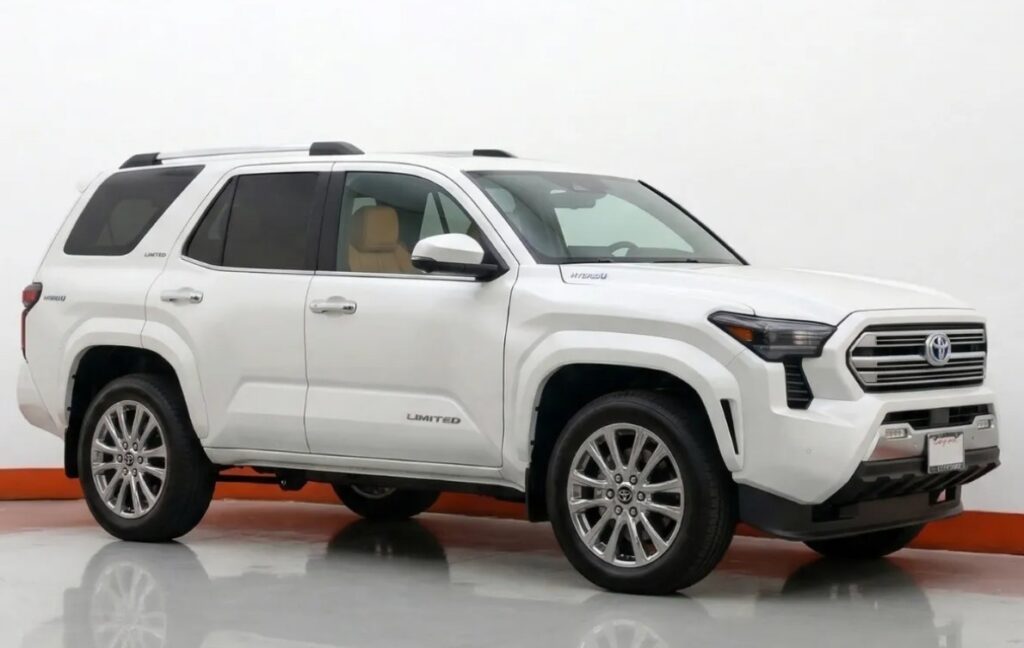
The Toyota 4Runner has built a reputation tougher than hiking boots baked under a desert sun. It’s one of those SUVs people buy expecting it to survive floods, trails, snowstorms, family road trips, and maybe even the apocalypse. But here’s the truth many buyers discover too late: not every Toyota 4Runner year is bulletproof.
Some model years carry hidden headaches like frame rust, transmission troubles, failing head gaskets, or electronics that behave like they’re haunted. Others are absolute gems that can cruise past 300,000 miles with little more than oil changes and stubborn determination.
So, what years Toyota 4Runner should we avoid? More importantly, which years are worth chasing like buried treasure?
Let’s dive deep into the good, the bad, and the expensive.
Content in this publication
- Why Some Toyota 4Runner Years Are Better Than Others
- Toyota 4Runner Generations At A Glance
- The Main Toyota 4Runner Years To Avoid
- Why The 1990 Toyota 4Runner Is Often Avoided
- 1991 Toyota 4Runner: More Of The Same Trouble
- The 1995 Toyota 4Runner And Its Aging Problems
- Why The 2003 Toyota 4Runner Raises Red Flags
- 2004 Toyota 4Runner Problems Continue
- The 2005 Toyota 4Runner And Its Reliability Concerns
- Should We Avoid The 2013 Toyota 4Runner?
- 2014 Toyota 4Runner: A Minor Step Back
- The Most Reliable Toyota 4Runner Years
- Why The Third Generation Is So Loved
- What Makes The 2008 And 2009 Models Stand Out
- Why Modern 4Runners Remain Popular
- Common Toyota 4Runner Problems Across Multiple Years
- How To Avoid Buying A Bad Toyota 4Runner
- Mileage Isn’t Always The Enemy
- Are Older Toyota 4Runners Still Worth Buying?
- The Cost Of Owning A Toyota 4Runner
- Toyota 4Runner Vs Modern Crossovers
- Should We Buy A Toyota 4Runner Or Avoid It Entirely?
- Closing Thoughts
- FAQs
Why Some Toyota 4Runner Years Are Better Than Others
Even legendary vehicles have weak chapters. The 4Runner has existed since the 1980s, and across five generations, Toyota experimented with engines, transmissions, suspensions, electronics, and safety systems.
Some updates worked beautifully.
Others? Not so much.
The biggest issues usually appear during:
- First production years after a redesign
- Engine transitions
- Major technology overhauls
- Cost-cutting periods
- Rust-prone manufacturing eras
Think of it like renovating an old house. The first few months after construction often reveal leaks, cracks, and surprises nobody expected.
The same thing happens with vehicles.
Toyota 4Runner Generations At A Glance
Before identifying the worst years, we need a quick map of the generations.
| Generation | Years | Reputation |
|---|---|---|
| First Gen | 1984–1989 | Rugged but primitive |
| Second Gen | 1990–1995 | Mixed reliability |
| Third Gen | 1996–2002 | Legendary durability |
| Fourth Gen | 2003–2009 | Powerful but inconsistent |
| Fifth Gen | 2010–Present | Reliable overall |
Not every bad year belongs to a bad generation. Sometimes a single year sticks out like a loose bolt.
The Main Toyota 4Runner Years To Avoid
If we had to narrow the danger zone, these are the model years buyers should inspect carefully or skip entirely:
- 1990
- 1991
- 1995
- 2003
- 2004
- 2005
- 2013
- 2014
That doesn’t automatically mean every SUV from these years is terrible. A well-maintained example can still outperform neglected newer models.
But statistically, these years produced more complaints, repairs, and owner frustration.
Why The 1990 Toyota 4Runner Is Often Avoided
The 1990 model introduced the second generation, and with that redesign came problems.
Major Problems In The 1990 4Runner
Head Gasket Failures
The 3.0L V6 engine became infamous for blowing head gaskets prematurely.
Symptoms included:
- White smoke from exhaust
- Overheating
- Coolant loss
- Poor engine performance
The repair wasn’t cheap either. Owners often faced major engine work before hitting high mileage.
Rust Problems
Frame rust attacked these SUVs aggressively, especially in snowy climates using road salt.
Rust could weaken:
- Suspension mounting points
- Fuel lines
- Brake lines
- Structural integrity
Buying a rusty 1990 4Runner today can feel like adopting a ticking time bomb.
1991 Toyota 4Runner: More Of The Same Trouble
Unfortunately, Toyota didn’t fully solve the earlier issues.
The 1991 model continued suffering from:
- Head gasket failures
- Rust concerns
- Weak engine performance
- Aging electrical systems
Many owners loved the rugged styling, but ownership often turned into a wallet-draining relationship.
Like an old cabin in the woods, charming at first glance but constantly needing repairs.
The 1995 Toyota 4Runner And Its Aging Problems
The 1995 model closed out the second generation.
While Toyota improved certain reliability areas, age-related failures now dominate the conversation.
Common 1995 Problems
Suspension Wear
After decades on the road, many examples suffer from:
- Worn bushings
- Leaking shocks
- Steering play
- Sagging suspension
Cooling System Issues
Radiators and cooling components frequently fail due to age.
Overheating becomes a serious risk if maintenance was neglected.
Poor Crash Safety
Compared to modern SUVs, the 1995 4Runner feels ancient in crash protection.
Safety technology was minimal compared to today’s standards.
Why The 2003 Toyota 4Runner Raises Red Flags
The 2003 model launched the fourth generation.
And as often happens with redesigns, first-year problems arrived quickly.
Biggest Issues With The 2003 4Runner
Transmission Problems
Some owners reported:
- Hard shifting
- Transmission hesitation
- Premature wear
Transmission repairs can easily cost thousands.
Dashboard Cracking
Toyota dashboards from this era became notorious for cracking under heat exposure.
It may sound cosmetic, but replacing dashboards is expensive.
Electrical Gremlins
The increased technology introduced new headaches:
- Failing sensors
- Random warning lights
- Malfunctioning electronics
It’s like giving a mountain climber a complicated smartwatch that constantly crashes.
2004 Toyota 4Runner Problems Continue
The 2004 model improved slightly but still carried many fourth-generation growing pains.
Common Complaints
Rust Underneath The Vehicle
Frame corrosion remained an issue.
Potential rust zones include:
You may be interested in reading Toyota 4Runner vs Jeep Wrangler
- Rear frame sections
- Suspension mounts
- Spare tire carrier area
V8 Exhaust Manifold Failures
The optional V8 engine delivered strong power but developed cracking exhaust manifolds.
Repair costs often shocked owners.
The 2005 Toyota 4Runner And Its Reliability Concerns
The 2005 version continued some lingering fourth-generation issues.
Key Areas To Watch
Head Gasket Concerns
Though less common than earlier generations, some V6 models experienced failures.
4WD System Malfunctions
Electronic 4WD components occasionally failed, especially if rarely used.
Repairing actuator systems can become painfully expensive.
Air Suspension Failures
Models equipped with rear air suspension often developed leaks over time.
Replacing these components isn’t cheap.
Should We Avoid The 2013 Toyota 4Runner?
The fifth generation is generally reliable, but 2013 stands out more than most people expect.
2013 Toyota 4Runner Problems
Paint Quality Issues
Owners frequently complained about:
- Peeling paint
- Chipping
- Premature fading
Interior Quality Complaints
Some cabin materials felt surprisingly cheap for the price.
Rattles and trim wear appeared earlier than expected.
Infotainment Frustrations
Technology systems felt outdated and occasionally buggy.
Not catastrophic, but irritating for daily driving.
2014 Toyota 4Runner: A Minor Step Back
The 2014 facelift introduced styling updates but also fresh complaints.
Common Issues
Brake Problems
Some drivers noticed:
- Pulsating brakes
- Premature rotor wear
- Squeaking noises
Steering Concerns
A few owners reported vague steering feel and alignment issues.
Technology Aging Poorly
Compared to rivals, the infotainment system already felt behind the times.
It’s like buying a new smartphone that already feels two years old.
The Most Reliable Toyota 4Runner Years
Now for the exciting part.
Some Toyota 4Runner years are almost mythical in reliability circles.
Best Toyota 4Runner Years
- 1999
- 2000
- 2001
- 2008
- 2009
- 2017
- 2018
- 2019
- 2021
- 2022
These models tend to balance reliability, safety, and fewer major defects.
Why The Third Generation Is So Loved
The third generation (1996–2002) may be the sweet spot.
Reasons Enthusiasts Love It
Simple Yet Durable Engineering
Toyota kept things straightforward:
- Proven engines
- Minimal electronics
- Durable transmissions
Excellent Off-Road Capability
Even stock models perform impressively on trails.
Strong Longevity
Seeing 300,000-mile examples isn’t unusual.
These SUVs age like cast iron cookware — rugged, dependable, and somehow better with time.
What Makes The 2008 And 2009 Models Stand Out
By the end of the fourth generation, Toyota had ironed out many earlier issues.
Benefits Of These Years
- Mature drivetrain design
- Improved reliability
- Strong V8 option
- Better safety features
- Comfortable ride quality
The 4.7L V8 especially earns praise for longevity.
Why Modern 4Runners Remain Popular
The newer fifth-generation models remain successful because Toyota resisted overcomplicating them.
Strengths Of Newer 4Runners
Body-On-Frame Construction
Unlike many crossovers, the 4Runner stays rugged.
Reliable Naturally Aspirated Engine
Toyota avoided overly complex turbocharging for years.
Strong Resale Value
4Runners hold value exceptionally well.
Some used models sell for prices that feel almost absurd.
Common Toyota 4Runner Problems Across Multiple Years
Even reliable years share recurring issues.
Rust
Frame corrosion remains one of the biggest threats.
Always inspect:
- Undercarriage
- Frame rails
- Suspension mounts
- Brake lines
Brake Wear
Heavier SUVs naturally wear brakes faster.
Suspension Aging
Older 4Runners commonly need:
- Ball joints
- Bushings
- Shocks
- Tie rods
Timing Belt Maintenance
Older V8 engines require timing belt service.
Skipping it can become catastrophic.
How To Avoid Buying A Bad Toyota 4Runner
A smart inspection matters more than the badge alone.
What We Should Check Before Buying
Service Records
Maintenance history tells the real story.
Look for:
You may be interested in readingToyota 4Runner vs Jeep WranglerYou may be interested in reading
 Chevrolet Tahoe Competitors: The Ultimate Full-Size SUV Showdown
- Oil changes
- Timing belt service
- Rust prevention
- Transmission maintenance
Rust Inspection
Never skip underneath inspection.
Rust can destroy value quickly.
Cold Start Behavior
Listen for:
- Knocking
- Excessive smoke
- Rough idle
4WD Operation
Test every 4WD mode.
Many systems fail from lack of use rather than overuse.
Mileage Isn’t Always The Enemy
A well-maintained 220,000-mile 4Runner can easily outperform a neglected 90,000-mile one.
That surprises many buyers.
Toyota engineered these SUVs for endurance, not fragility.
Maintenance history matters far more than odometer bragging rights.
Think of mileage like wrinkles on a seasoned traveler — signs of experience, not necessarily weakness.
Are Older Toyota 4Runners Still Worth Buying?
Absolutely — if we buy carefully.
Older 4Runners offer:
- Simpler mechanics
- Strong aftermarket support
- Excellent off-road capability
- Long lifespan potential
But buyers must accept reality:
Old SUVs require maintenance.
Rubber dries out. Suspension parts wear. Rust spreads silently.
Ignoring inspections can turn a dream purchase into a financial sinkhole.
The Cost Of Owning A Toyota 4Runner
The 4Runner isn’t cheap to own.
Typical Ownership Costs
Fuel Economy
Gas mileage is average at best.
Older models especially consume fuel enthusiastically.
Tires
Off-road capable tires cost more.
Suspension Repairs
Heavy SUVs stress suspension components harder than sedans.
Insurance
Insurance rates vary but can exceed smaller crossovers.
Still, many owners gladly accept these costs because reliability offsets long-term expenses.
Toyota 4Runner Vs Modern Crossovers
Modern crossovers feel smoother and more efficient.
But the 4Runner offers something increasingly rare: authenticity.
It’s not pretending to be adventurous.
It actually is.
Crossovers often resemble trail-ready athletes wearing expensive sneakers that never touch dirt. The 4Runner feels more like hiking boots scarred from real journeys.
That toughness helps explain why people still hunt for used models years later.
Should We Buy A Toyota 4Runner Or Avoid It Entirely?
The answer depends on the year.
Avoiding problematic years dramatically improves ownership experience.
Years We’d Approach Carefully
- 1990
- 1991
- 1995
- 2003
- 2004
- 2005
- 2013
- 2014
Years We’d Happily Recommend
- 1999
- 2000
- 2001
- 2008
- 2009
- 2017+
The right 4Runner can become a loyal companion for decades.
The wrong one can become a permanent resident at the repair shop.
That’s the difference smart research makes.
Closing Thoughts
The Toyota 4Runner earned its legendary reputation honestly. Few SUVs survive abuse, neglect, harsh weather, and extreme mileage like the 4Runner.
But not every year deserves blind trust.
The worst Toyota 4Runner years typically involve first-generation redesign issues, rust concerns, aging technology, or engine problems. Buyers who understand these weak spots can avoid costly mistakes and find models capable of lasting hundreds of thousands of miles.
In many ways, shopping for a used 4Runner feels like treasure hunting. Hidden among aging paint, dusty interiors, and muddy tires are some of the most durable SUVs ever built.
We just need to know where not to dig.
FAQs
What Is The Worst Toyota 4Runner Year?
Many experts and owners consider the 2003 Toyota 4Runner one of the worst years due to transmission issues, electrical problems, and early fourth-generation defects.
Which Toyota 4Runner Year Is The Most Reliable?
The 1999, 2000, 2001, 2008, and 2009 models consistently rank among the most reliable Toyota 4Runner years.
Do Toyota 4Runners Last Over 300,000 Miles?
Yes. Properly maintained 4Runners frequently exceed 300,000 miles, especially third-generation models.
Is Rust A Serious Problem On Older Toyota 4Runners?
Absolutely. Rust is one of the biggest concerns, especially in snowy regions where road salt was common.
Should We Buy A High-Mileage Toyota 4Runner?
High mileage alone isn’t a dealbreaker. Service history, rust condition, and maintenance matter far more than mileage numbers.
You may be interested in readingToyota 4Runner vs Jeep WranglerYou may be interested in reading
Chevrolet Tahoe Competitors: The Ultimate Full-Size SUV ShowdownYou may be interested in reading
Chevrolet Tahoe Best Years: The Smart Buyer’s Guide to the Most Reliable Tahoe ModelsIf you want to know other articles similar to What Years Toyota 4Runner To Avoid you can visit the category Models.
Hyundai i40 vs i30: Which Hyundai Is Right for You?
Hyundai i40 vs Peugeot 508: Which Used Car Is Better?
Kia Rio vs Toyota Yaris: Which Small Car Makes More Sense?
Kia Rio vs Hyundai i20: Which Small Hatchback Makes More Sense?
Kia Rio or Similar UK: The Smart Buyer’s Guide to Small Cars That Still Make Sense
Kia Rio vs Hyundai i10: Which Small Car Makes More Sense?
Leave a Reply
More content of your interest