

Chevrolet Tahoe Issues: The Most Common Problems Owners Face

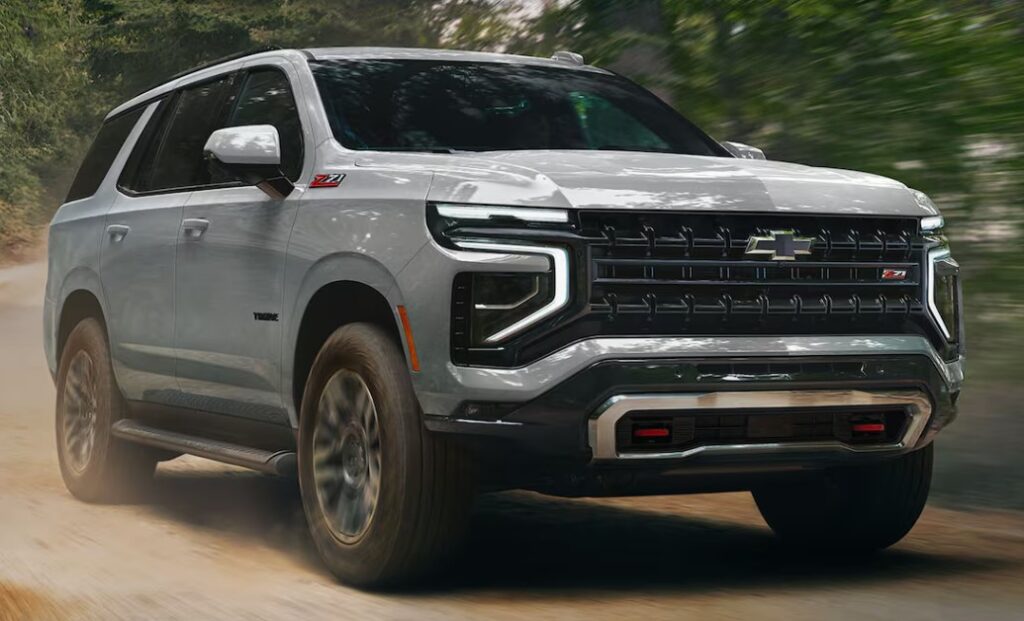
The Chevrolet Tahoe has built a reputation like a heavyweight boxer—big, powerful, durable, and capable of taking punches for years. Families love it. Road-trippers trust it. Towing enthusiasts swear by it. Yet even giants stumble, and the Tahoe is no exception.
When we dig beneath the polished chrome and commanding V8 growl, we uncover a list of recurring Chevrolet Tahoe issues that buyers and owners should understand before committing to this full-size SUV. Some problems are minor annoyances, while others can feel like a thunderstorm rolling in during a summer road trip.
So, what exactly goes wrong with the Chevrolet Tahoe? Are these issues deal-breakers or simply part of owning a large SUV? Let’s unpack everything.
Content in this publication
- Why Chevrolet Tahoe Issues Matter
- The Most Common Chevrolet Tahoe Problems
- Engine Oil Consumption Problems
- Active Fuel Management Lifter Failure
- Electrical System Glitches
- Air Suspension Problems
- Air Conditioning Failures
- Brake System Concerns
- Fuel Pump Failures
- Steering Problems
- Rust and Corrosion Issues
- Chevrolet Tahoe Model Years to Avoid
- Best Chevrolet Tahoe Years
- How Expensive Are Chevrolet Tahoe Repairs?
- Can We Prevent Chevrolet Tahoe Issues?
- Should We Buy a Used Chevrolet Tahoe?
- How Reliable Is the Chevrolet Tahoe Overall?
- Chevrolet Tahoe Issues vs Competitors
- Is the Chevrolet Tahoe Worth It Despite the Problems?
- Final Thoughts on Chevrolet Tahoe Issues
- FAQs About Chevrolet Tahoe Issues
Why Chevrolet Tahoe Issues Matter
A vehicle this large isn’t just transportation—it’s an investment. Whether we use it for family hauling, towing boats, or conquering snowy highways, reliability matters.
The problem is simple: when a large SUV develops mechanical issues, repairs often come with equally large repair bills.
Common Tahoe concerns include:
- Transmission failures
- Excessive oil consumption
- Electrical glitches
- Suspension problems
- Air conditioning failures
- Engine lifter issues
- Fuel system complications
Some generations perform better than others, but nearly every Tahoe model year has at least one widely reported concern.
The Most Common Chevrolet Tahoe Problems
Transmission Failures
Few things terrify drivers faster than a slipping transmission. Unfortunately, this has become one of the most discussed Chevrolet Tahoe issues across multiple generations.
Drivers often report:
- Hard shifting
- Delayed gear engagement
- Sudden jerking
- Transmission shudder
- Complete transmission failure
The 2015–2020 models especially gained attention for transmission complaints involving the 8-speed automatic gearbox.
When the transmission begins acting like a confused orchestra conductor, the driving experience quickly turns frustrating.
Signs of Transmission Trouble
Delayed Acceleration
Pressing the gas pedal and feeling hesitation can indicate internal wear.
Burning Smell
Overheating transmission fluid often creates a burnt odor.
Fluid Leaks
Red or dark fluid under the SUV usually signals trouble.
Repair costs can range from fluid service to complete replacement, which may exceed several thousand dollars.
Engine Oil Consumption Problems
Some Tahoe owners notice the engine drinking oil faster than expected. It’s almost like the SUV develops a secret midnight thirst.
This issue became particularly common in models equipped with Active Fuel Management (AFM).
What Causes Excessive Oil Consumption?
Several factors contribute:
- Worn piston rings
- Faulty valve seals
- AFM system complications
- Poor PCV valve function
The AFM system deactivates cylinders to improve fuel economy, but many owners believe it contributes to long-term engine wear.
Symptoms of Oil Consumption Issues
- Low oil levels between changes
- Blue exhaust smoke
- Engine ticking noises
- Reduced engine performance
Ignoring these symptoms can eventually damage the engine.
Active Fuel Management Lifter Failure
One of the most notorious Chevrolet Tahoe issues involves lifter failure.
The AFM system sounds clever on paper. It temporarily shuts down cylinders during light driving conditions to save fuel. But sometimes, those lifters fail to reactivate properly.
The result?
A ticking engine, misfires, and potentially catastrophic engine damage.
Common Symptoms of Lifter Failure
Ticking Sounds
A loud metallic tick from the engine often signals lifter trouble.
Check Engine Light
Misfire codes commonly appear alongside lifter failure.
Rough Idle
The engine may shake or stumble at idle.
Replacing failed lifters often requires significant labor because technicians must open major engine components.
Electrical System Glitches
Modern Tahoes are packed with technology. While features add convenience, they also increase complexity.
Electrical problems often include:
- Dashboard malfunctions
- Infotainment freezing
- Random warning lights
- Battery drain
- Faulty sensors
Sometimes the SUV behaves like a smartphone having a bad day.
Infotainment System Issues
The touchscreen system occasionally freezes or reboots unexpectedly.
Owners report:
You may be interested in reading Ford Explorer Issues: The Complete Guide to Common Problems, Reliability, and Ownership Experience
- Bluetooth connection failures
- Navigation glitches
- Black screens
- Audio system malfunctions
Software updates sometimes solve these problems, though not always permanently.
Air Suspension Problems
Higher-trim Tahoe models often use magnetic ride control or air suspension systems.
These systems improve comfort dramatically, making the SUV float over rough roads like a luxury yacht. However, they can become expensive nightmares when components fail.
Common Suspension Complaints
- Uneven ride height
- Air compressor failure
- Suspension warning lights
- Rough ride quality
Air suspension repairs can become costly because specialized parts are involved.
Air Conditioning Failures
Nothing ruins a summer drive faster than weak air conditioning in a full-size SUV.
Some Chevrolet Tahoe owners experience:
- Warm air blowing from vents
- Failed AC compressors
- Refrigerant leaks
- Rear AC malfunctions
Because the Tahoe has such a large cabin, the air conditioning system works especially hard.
Why AC Problems Occur
Heat and vibration gradually wear components down.
Older Tahoes particularly struggle with:
- Compressor clutch failures
- Blend door actuator problems
- Condenser leaks
Brake System Concerns
Brakes on large SUVs endure enormous stress. The Tahoe’s weight means braking components wear faster than smaller vehicles.
Frequent Brake Issues
Premature Rotor Wear
Warped rotors often create steering wheel vibration during braking.
ABS Problems
Faulty ABS sensors can trigger warning lights.
Brake Pedal Pulsation
Uneven braking surfaces commonly cause pedal vibration.
Routine brake maintenance becomes essential for safe operation.
Fuel Pump Failures
Fuel delivery problems appear in certain Tahoe generations.
Symptoms usually include:
- Difficulty starting
- Engine stalling
- Loss of power
- Whining noises from the fuel tank
Fuel pump replacement can become labor-intensive because the fuel tank often requires removal.
Steering Problems
Some Tahoe owners report steering systems that feel inconsistent or heavy.
Common Steering Complaints
- Steering wheel vibration
- Power steering fluid leaks
- Clunking noises
- Loose steering feel
Electronic power steering systems in newer models occasionally develop software or hardware issues.
Rust and Corrosion Issues
Older Tahoes, especially in snowy climates, often battle rust like an aging ship fighting seawater.
Areas Most Vulnerable to Rust
Frame Rails
Salt exposure accelerates corrosion underneath the SUV.
Wheel Wells
Moisture and road debris collect here.
Brake Lines
Rusty brake lines can become dangerous.
Regular underbody washing helps reduce corrosion risks.
Chevrolet Tahoe Model Years to Avoid
Not every Tahoe year suffers equally.
Some years gained stronger reputations for reliability, while others became magnets for complaints.
Problematic Tahoe Years
2007 Chevrolet Tahoe
Known for excessive oil consumption and dashboard cracking.
2015 Chevrolet Tahoe
Transmission concerns and electrical issues became widespread.
2021 Chevrolet Tahoe
Early redesign models experienced software bugs and electronic glitches.
That doesn’t mean every Tahoe from these years is problematic, but buyers should inspect them carefully.
Best Chevrolet Tahoe Years
Thankfully, some Tahoe years perform far better than others.
Recommended Tahoe Years
- 2013 Chevrolet Tahoe
- 2017 Chevrolet Tahoe
- 2019 Chevrolet Tahoe
- 2023 Chevrolet Tahoe
These years generally show fewer severe complaints and improved reliability ratings.
How Expensive Are Chevrolet Tahoe Repairs?
Large SUVs naturally cost more to maintain.
You may be interested in readingFord Explorer Issues: The Complete Guide to Common Problems, Reliability, and Ownership ExperienceYou may be interested in reading
Ford Explorer Key Not Detected: Causes, Fixes, and Prevention GuideTahoe repair costs vary dramatically depending on the issue.
Typical Repair Estimates
| Problem | Estimated Cost |
|---|---|
| Transmission Replacement | $3,500–$6,000 |
| Lifter Repair | $2,000–$5,000 |
| AC Compressor | $800–$1,500 |
| Air Suspension Repair | $1,000–$4,000 |
| Fuel Pump Replacement | $700–$1,300 |
Repair expenses often resemble surprise thunderstorms—unpredictable and inconvenient.
Can We Prevent Chevrolet Tahoe Issues?
Some problems arise regardless of maintenance, but proactive care helps tremendously.
Important Maintenance Habits
Change Oil Frequently
High-quality synthetic oil reduces engine wear.
Service the Transmission
Regular fluid changes extend transmission life.
Inspect Suspension Components
Catching leaks early prevents expensive repairs.
Monitor Warning Lights
Ignoring dashboard alerts usually worsens problems.
Preventive maintenance acts like sunscreen for your SUV—it protects against long-term damage.
Should We Buy a Used Chevrolet Tahoe?
Despite its issues, the Tahoe remains one of the most versatile SUVs on the road.
Why?
Because when maintained properly, it offers:
- Massive interior space
- Strong towing capability
- Comfortable highway driving
- Excellent road presence
- Long lifespan potential
The key lies in choosing the right model year and reviewing maintenance records carefully.
What to Check Before Buying
- Transmission performance
- Engine ticking noises
- Suspension ride quality
- Electrical functionality
- Rust underneath the vehicle
A pre-purchase inspection can save thousands later.
How Reliable Is the Chevrolet Tahoe Overall?
The Tahoe sits in an interesting reliability category.
It’s neither flawless nor disastrous.
Think of it like a talented athlete prone to occasional injuries. When healthy, it performs brilliantly. But neglect or poor engineering decisions in certain years can lead to expensive setbacks.
Many Tahoes surpass 200,000 miles with proper care, proving the SUV’s long-term durability.
Chevrolet Tahoe Issues vs Competitors
Compared to rivals like the Ford Expedition and Toyota Sequoia, the Tahoe balances comfort, power, and practicality well.
However:
- The Sequoia generally offers stronger reliability.
- The Expedition provides better fuel economy in some trims.
- The Tahoe delivers superior aftermarket support and widespread parts availability.
Each SUV carries strengths and weaknesses.
Is the Chevrolet Tahoe Worth It Despite the Problems?
For many families, absolutely.
The Tahoe continues dominating roads because it fulfills needs few vehicles can match.
It can tow trailers, carry large families, survive long road trips, and handle rough weather—all while delivering a commanding driving experience.
Yes, Chevrolet Tahoe issues exist. But informed buyers who prioritize maintenance and choose the right model years often enjoy years of dependable ownership.
The trick is understanding the SUV before buying it, rather than learning its weaknesses after problems appear.
Final Thoughts on Chevrolet Tahoe Issues
The Chevrolet Tahoe remains an icon in the full-size SUV segment. It’s spacious, powerful, and incredibly versatile. Yet even icons have imperfections.
Transmission failures, lifter problems, oil consumption, and electrical glitches represent the most common Chevrolet Tahoe issues. Some generations suffer more than others, making research essential before purchasing.
Still, when maintained properly, the Tahoe can deliver hundreds of thousands of miles of service. Like a heavyweight workhorse, it rewards owners who treat it carefully.
If we approach ownership with realistic expectations, regular maintenance, and attention to warning signs, the Tahoe can remain a trusted companion for years to come.
FAQs About Chevrolet Tahoe Issues
What is the most common Chevrolet Tahoe problem?
Transmission issues and AFM lifter failures are among the most commonly reported Tahoe problems.
Do Chevrolet Tahoes last long?
Yes. Properly maintained Tahoes often exceed 200,000 miles.
Which Tahoe years should we avoid?
The 2007, 2015, and some early 2021 models receive more complaints than average.
Are Chevrolet Tahoe repairs expensive?
Repairs can be costly due to the Tahoe’s size and complex systems, especially transmission and suspension repairs.
You may be interested in readingFord Explorer Issues: The Complete Guide to Common Problems, Reliability, and Ownership ExperienceYou may be interested in reading
Ford Explorer Key Not Detected: Causes, Fixes, and Prevention GuideYou may be interested in reading
Transmission Problems With Ford Explorer: Symptoms, Causes, Fixes, and Prevention GuideIs the Chevrolet Tahoe reliable overall?
The Tahoe offers average-to-good reliability depending on the model year and maintenance history.
If you want to know other articles similar to Chevrolet Tahoe Issues: The Most Common Problems Owners Face you can visit the category Common Problems.
Hyundai i40 Heater Not Working: Causes, Diagnosis, and Fixes
Hyundai i40 Common Problems: Complete Owner’s Guide
Hyundai i40 Automatic Gearbox Problems: Symptoms, Causes, and Repair Advice

Kia Rio Not Starting: Causes, Fixes, and Smart Troubleshooting Guide
Kia Rio Boot Won’t Open: Complete Troubleshooting & Fix Guide
Kia Rio Common Problems: What We Should Know Before Buying or Owning One
Leave a Reply
More content of your interest