

Chevrolet Tahoe vs Traverse: Which Chevy SUV Truly Fits Your Life?

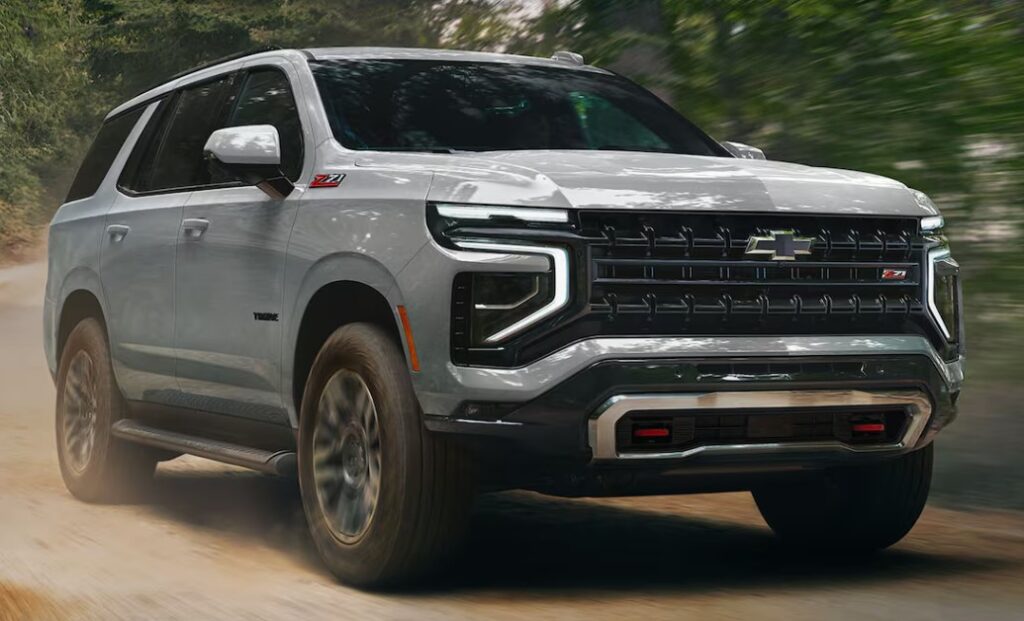
When we step into the world of three-row SUVs, two names instantly command attention: the Chevrolet Tahoe and the Chevrolet Traverse. Both wear the Chevrolet badge proudly. Both promise family-friendly practicality. Both deliver modern technology and road-trip confidence. Yet beneath the surface, these SUVs are built for completely different lifestyles.
One is a towering full-size SUV with truck DNA and commanding towing power. The other is a refined midsize crossover focused on comfort, efficiency, and everyday usability.
So, which one should we choose?
That depends on whether we want brute strength or urban flexibility. Whether we need a road-trip king or a city-friendly family hauler. Choosing between the Tahoe and Traverse is a little like deciding between hiking boots and running shoes—both are excellent, but they’re designed for different terrains.
Let’s dive deep into the battle of the Chevrolet giants.
Content in this publication
- Understanding the Core Difference
- Exterior Design Comparison
- Interior Space and Comfort
- Seating Capacity and Third-Row Comfort
- Cargo Space Showdown
- Performance and Engine Options
- Towing Capacity: A Massive Difference
- Fuel Economy Comparison
- Ride Quality and Driving Experience
- Technology and Infotainment
- Safety Features Comparison
- Tahoe vs Traverse Reliability
- Maintenance and Ownership Costs
- Off-Road Capability
- Pricing Comparison
- Best Tahoe Trim Levels
- Best Traverse Trim Levels
- Who Should Buy the Chevrolet Tahoe?
- Who Should Buy the Chevrolet Traverse?
- Tahoe vs Traverse: Which SUV Is Better for Families?
- Final Verdict: Chevrolet Tahoe vs Traverse
- FAQs
Understanding the Core Difference
At first glance, the Tahoe and Traverse may look similar. Both are large SUVs with three rows of seating and modern styling. But mechanically and philosophically, they are worlds apart.
Chevrolet Tahoe: The Traditional Full-Size SUV
The Tahoe rides on a body-on-frame platform, similar to a pickup truck. This construction gives it:
- Superior towing capability
- Better durability for heavy-duty use
- Stronger off-road potential
- A commanding driving position
It’s the SUV for families who tow boats, haul trailers, or regularly carry heavy cargo.
Chevrolet Traverse: The Modern Family Crossover
The Traverse uses a unibody platform, which is more car-like. This results in:
- Smoother ride comfort
- Better fuel economy
- Easier maneuverability
- Less intimidating dimensions
It’s designed for suburban life, school runs, and comfortable commuting.
Exterior Design Comparison
Tahoe: Bold and Muscular
The Tahoe looks like it owns the road. Its massive grille, broad shoulders, and truck-inspired stance create an unmistakable presence.
When parked beside smaller SUVs, the Tahoe resembles a heavyweight boxer standing next to sprinters.
Key exterior highlights include:
- Large wheel options
- Aggressive front fascia
- High ground clearance
- Rugged proportions
The Tahoe screams confidence.
Traverse: Sleek and Modern
The Traverse takes a softer, more aerodynamic approach. It feels contemporary and urban without sacrificing SUV practicality.
Instead of brute force, the Traverse emphasizes sophistication.
Design characteristics include:
- Streamlined profile
- Slim LED lighting
- Lower ride height
- Family-friendly proportions
It looks refined without appearing overly aggressive.
Interior Space and Comfort
Which SUV Feels Bigger Inside?
Surprisingly, both SUVs offer generous passenger space. But the Tahoe ultimately delivers a more expansive cabin experience.
The Tahoe’s upright shape creates exceptional:
- Headroom
- Shoulder room
- Cargo flexibility
Meanwhile, the Traverse cleverly maximizes interior packaging thanks to its crossover architecture.
Seating Capacity and Third-Row Comfort
Tahoe Third Row
The Tahoe’s third row is genuinely adult-friendly. Taller passengers can sit comfortably during long trips without feeling cramped.
This is important because many SUVs advertise three rows while secretly treating the third row like airplane seating from the 1980s.
The Tahoe avoids that mistake.
Traverse Third Row
The Traverse also offers impressive third-row comfort for the midsize category. In fact, it’s one of the roomiest midsize SUVs available.
Children and teenagers will feel perfectly comfortable, and adults can survive long journeys without complaints.
That alone makes the Traverse stand out in its class.
Cargo Space Showdown
Traverse Cargo Flexibility
The Traverse shines when it comes to smart cargo management.
Behind the third row, it offers substantial luggage capacity—ideal for:
- Grocery runs
- Sports equipment
- Weekend travel
- Airport pickups
Fold the seats down, and the cabin transforms into a cargo cave.
Tahoe Cargo Dominance
The Tahoe, however, plays in another league.
It simply swallows cargo.
Large coolers? No problem. Camping equipment? Easy. Furniture? Bring it on.
The Tahoe feels like a moving van disguised as an SUV.
Performance and Engine Options
Chevrolet Tahoe Engines
The Tahoe offers multiple engine choices, including powerful V8 options.
Depending on the trim, buyers can choose from:
- 5.3L V8
- 6.2L V8
- Diesel engine option
These engines provide serious torque and confident acceleration despite the Tahoe’s massive size.
The V8 soundtrack alone adds character. It rumbles like distant thunder before a storm.
Chevrolet Traverse Engine
The Traverse focuses more on balance than brute force.
You may be interested in reading Ford Explorer Select vs Premium: Which Trim Delivers the Better Value?
Its turbocharged engine setup emphasizes:
- Smooth acceleration
- Daily drivability
- Better fuel efficiency
It won’t pin us to our seats like a performance SUV, but it feels refined and responsive for family duties.
Towing Capacity: A Massive Difference
Tahoe Towing Capability
This category is almost unfair.
The Tahoe is a towing monster.
Depending on configuration, it can tow well over 8,000 pounds, making it ideal for:
- Boats
- Travel trailers
- Horse trailers
- Large campers
For families who adventure often, the Tahoe becomes more than transportation—it becomes a lifestyle tool.
Traverse Towing Limits
The Traverse can tow moderate loads, but it isn’t built for heavy-duty towing.
It works fine for:
- Small utility trailers
- Lightweight campers
- Jet skis
But it cannot compete with the Tahoe’s truck-based capability.
Fuel Economy Comparison
Traverse Wins on Efficiency
Because it’s lighter and more aerodynamic, the Traverse offers significantly better fuel economy.
That matters enormously for:
- Daily commuting
- Long-term ownership costs
- Urban driving
With fuel prices constantly fluctuating, the Traverse can save families thousands over time.
Tahoe’s Fuel Consumption Reality
The Tahoe’s size and V8 power come with a price.
It drinks fuel more aggressively, especially in city driving.
That said, newer Tahoe models have improved efficiency considerably, especially with diesel options.
Still, physics remains physics. A massive SUV requires more energy to move.
Ride Quality and Driving Experience
Traverse: Smooth and Easy
Driving the Traverse feels effortless.
It corners more naturally, fits into parking spaces more comfortably, and behaves more like a large sedan than a truck.
For city dwellers, this matters tremendously.
Parallel parking a Traverse feels manageable.
Parking a Tahoe can sometimes feel like docking a yacht.
Tahoe: Commanding but Heavy
The Tahoe provides a commanding driving experience.
We sit higher. We see farther. We feel protected.
But its size is always noticeable.
The steering feels heavier, and navigating tight spaces requires confidence.
Still, many drivers love this sense of authority on the road.
Technology and Infotainment
Modern Features in Both SUVs
Both the Tahoe and Traverse offer modern technology suites that include:
- Large touchscreens
- Wireless Apple CarPlay
- Android Auto
- Multiple USB ports
- Available Wi-Fi hotspot
- Advanced driver-assistance systems
Chevrolet has dramatically improved cabin technology in recent years.
Safety Features Comparison
Both SUVs include impressive safety technology such as:
- Automatic emergency braking
- Lane keep assist
- Blind spot monitoring
- Adaptive cruise control
- Rear cross-traffic alert
Families will appreciate the strong focus on occupant protection.
Tahoe vs Traverse Reliability
Tahoe Reliability Perspective
The Tahoe has built a reputation for longevity.
Many owners keep these SUVs for:
- 200,000 miles
- 300,000 miles
- Even longer with proper maintenance
Its truck-based construction contributes heavily to long-term durability.
Traverse Reliability Considerations
The Traverse has improved significantly over recent generations.
Modern models offer:
- Better build quality
- Improved powertrain refinement
- Stronger reliability ratings
Maintenance costs are usually lower than the Tahoe as well.
Maintenance and Ownership Costs
Tahoe Ownership Costs
Owning a Tahoe often means:
- Higher fuel bills
- More expensive tires
- Higher insurance
- Costlier repairs
It’s a premium full-size SUV experience with premium-level operating costs.
Traverse Ownership Costs
The Traverse is far easier on the wallet.
You may be interested in readingFord Explorer Select vs Premium: Which Trim Delivers the Better Value?You may be interested in reading
Ford Explorer Models: The Complete Guide to Every Generation and Trim LevelLower operating costs make it attractive for:
- Growing families
- Daily commuters
- Budget-conscious buyers
This affordability becomes more noticeable over several years of ownership.
Off-Road Capability
Tahoe Handles Adventure Better
The Tahoe’s truck platform and available four-wheel drive make it far more capable off-road.
It handles:
- Dirt roads
- Snow
- Mud
- Rocky trails
with confidence.
While it’s not a hardcore rock crawler, it certainly feels more adventurous than the Traverse.
Traverse Prefers Pavement
The Traverse can handle light off-road situations, but it’s mainly engineered for paved roads.
Think:
- Gravel roads
- Rainy highways
- Mild winter conditions
rather than rugged backcountry exploration.
Pricing Comparison
Traverse Offers Better Value
The Traverse starts at a significantly lower price point.
For many families, this alone may settle the debate.
We get:
- Three rows
- Modern technology
- Comfortable ride
- Good cargo space
without entering luxury-level pricing territory.
The Tahoe costs substantially more, especially in higher trims.
But buyers are paying for:
- Larger size
- Stronger engines
- Superior towing
- Greater prestige
- Truck-based durability
In many ways, the Tahoe competes with luxury SUVs despite wearing a mainstream badge.
Best Tahoe Trim Levels
Popular Tahoe Variants
Some standout Tahoe trims include:
Tahoe LT
Excellent balance of comfort and value.
Tahoe Z71
Perfect for adventurous drivers who want off-road upgrades.
Tahoe High Country
Luxury-focused with premium materials and advanced technology.
Best Traverse Trim Levels
Popular Traverse Variants
Traverse LT
Strong value with family-focused features.
Traverse RS
Sportier styling and upgraded technology.
Traverse High Country
Premium comfort without Tahoe-level pricing.
Who Should Buy the Chevrolet Tahoe?
The Tahoe is ideal for drivers who:
- Tow frequently
- Need maximum cargo capacity
- Want V8 power
- Prefer a commanding SUV presence
- Take long road trips
- Need serious passenger space
It’s essentially the Swiss Army knife of full-size SUVs.
Who Should Buy the Chevrolet Traverse?
The Traverse fits buyers who:
- Drive primarily in cities
- Want better fuel economy
- Need a comfortable family SUV
- Prefer easier maneuverability
- Want lower ownership costs
- Rarely tow heavy loads
It’s practical, comfortable, and refreshingly versatile.
Tahoe vs Traverse: Which SUV Is Better for Families?
This depends entirely on lifestyle.
Choose the Tahoe If:
- You tow regularly
- You need ultimate cargo room
- You travel with large groups often
- You prefer rugged durability
Choose the Traverse If:
- You want easier daily driving
- You prioritize fuel savings
- You mostly drive in urban environments
- You want excellent value
Neither SUV is objectively “better.”
They simply solve different problems.
Final Verdict: Chevrolet Tahoe vs Traverse
The battle between the Chevrolet Tahoe and Chevrolet Traverse ultimately comes down to purpose.
The Tahoe is the heavyweight champion—powerful, spacious, rugged, and built for families who need maximum capability.
The Traverse is the clever all-rounder—efficient, practical, comfortable, and perfectly suited for modern suburban life.
If the Tahoe is a mountain lodge on wheels, the Traverse is a sleek family penthouse with excellent parking.
Both are excellent. The key is choosing the SUV that matches how we actually live, not just how we imagine ourselves driving on a perfect weekend adventure.
FAQs
Is the Chevrolet Tahoe bigger than the Traverse?
Yes. The Tahoe is significantly larger overall and offers more cargo capacity, towing capability, and interior space.
Which SUV is better for fuel economy?
The Traverse delivers better fuel efficiency because it’s lighter and built on a crossover platform.
Can the Traverse tow a camper?
Yes, but only lightweight campers. The Tahoe is much better suited for heavy towing tasks.
Is the Tahoe more reliable than the Traverse?
Historically, the Tahoe has a stronger long-term durability reputation thanks to its truck-based construction.
You may be interested in readingFord Explorer Select vs Premium: Which Trim Delivers the Better Value?You may be interested in reading
Ford Explorer Models: The Complete Guide to Every Generation and Trim LevelYou may be interested in reading
Ford Explorer Trim Levels: A Complete Guide to Every Explorer ModelWhich SUV is easier to drive in the city?
The Traverse is easier to maneuver, park, and drive in urban environments due to its smaller dimensions and crossover design.
If you want to know other articles similar to Chevrolet Tahoe vs Traverse: Which Chevy SUV Truly Fits Your Life? you can visit the category Models.
Hyundai i40 vs i30: Which Hyundai Is Right for You?
Hyundai i40 vs Peugeot 508: Which Used Car Is Better?
Kia Rio vs Toyota Yaris: Which Small Car Makes More Sense?
Kia Rio vs Hyundai i20: Which Small Hatchback Makes More Sense?
Kia Rio or Similar UK: The Smart Buyer’s Guide to Small Cars That Still Make Sense
Kia Rio vs Hyundai i10: Which Small Car Makes More Sense?
Leave a Reply
More content of your interest