

Dodge Charger Fuel Economy: The Complete Guide to MPG, Efficiency, and Real-World Costs

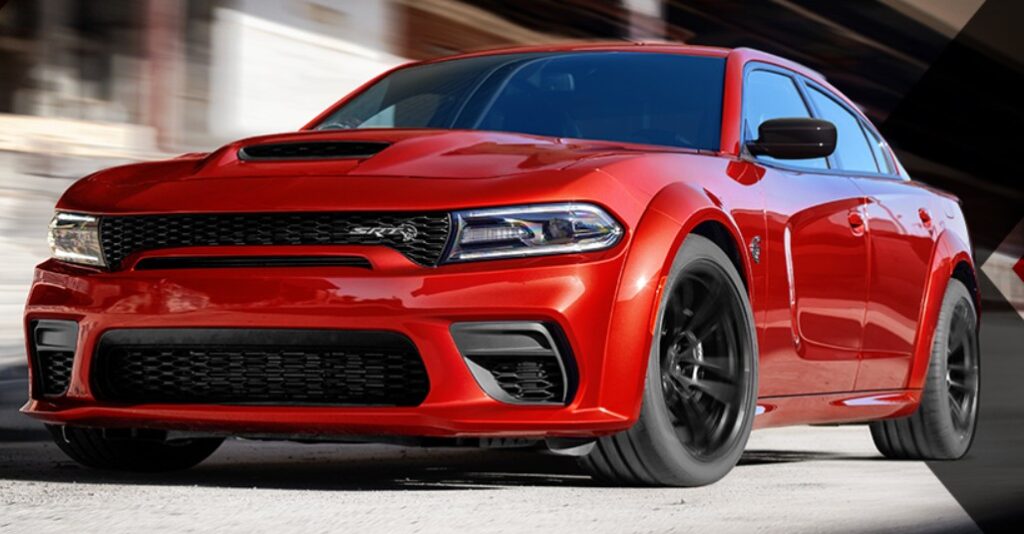
The Dodge Charger has long been the automotive equivalent of a heavyweight boxer—powerful, confident, and impossible to ignore. For decades, this iconic sedan has attracted drivers who crave muscle-car performance while still enjoying the practicality of four doors. Yet one question consistently surfaces among potential buyers: How good is Dodge Charger fuel economy?
The answer isn't as straightforward as a single MPG figure. Fuel economy varies significantly depending on the engine, driving habits, model year, and even the road beneath the tires. Whether we're considering a fuel-conscious V6 Charger or a tire-shredding Hellcat, understanding fuel efficiency is essential before making a purchasing decision.
Let's dive deep into everything we need to know about Dodge Charger fuel economy.
Content in this publication
- Understanding Dodge Charger Fuel Economy
- Why Fuel Economy Matters More Than Ever
- Dodge Charger Engine Options and Their Fuel Economy
- Fuel Economy by Charger Trim
- Real-World Dodge Charger Fuel Economy
- How Driving Style Affects Fuel Economy
- All-Wheel Drive vs. Rear-Wheel Drive Efficiency
- Fuel Economy Across Dodge Charger Generations
- How Cylinder Deactivation Helps
- Fuel Economy and Charger Performance
- Comparing Charger Fuel Economy to Competitors
- Tips to Improve Dodge Charger Fuel Economy
- Fuel Costs: What Owners Can Expect
- Is the Dodge Charger Fuel Efficient?
- Who Should Prioritize Fuel Economy?
- Who Should Ignore Fuel Economy?
- The Future of Dodge Charger Efficiency
- Conclusion
- Frequently Asked Questions
Understanding Dodge Charger Fuel Economy
Fuel economy refers to how efficiently a vehicle converts fuel into distance traveled. It's commonly measured in miles per gallon (MPG) in the United States.
For the Dodge Charger, fuel economy ranges dramatically because the lineup has historically included:
- V6 engines
- V8 HEMI engines
- Supercharged V8 engines
- Rear-wheel drive models
- All-wheel drive variants
In other words, one Charger can behave like a practical daily commuter, while another drinks fuel like a thirsty marathon runner crossing the desert.
Why Fuel Economy Matters More Than Ever
Rising Fuel Prices
Gasoline costs fluctuate constantly. Even small MPG differences can result in significant annual savings.
For example:
- 20 MPG vs. 30 MPG
- 15,000 miles driven annually
- Fuel price of $4 per gallon
The higher-efficiency vehicle could save hundreds of dollars every year.
Long-Term Ownership Costs
Many buyers focus on monthly payments while overlooking fuel expenses. Over five years, fuel costs can exceed thousands of dollars.
Fuel economy directly impacts:
- Operating costs
- Resale value
- Environmental footprint
- Daily convenience
Dodge Charger Engine Options and Their Fuel Economy
3.6L Pentastar V6
The Pentastar V6 is the efficiency champion of the Charger lineup.
Typical fuel economy:
- City: 19–20 MPG
- Highway: 30–31 MPG
- Combined: 23–24 MPG
This engine delivers a balanced combination of:
- Strong acceleration
- Smooth driving experience
- Lower ownership costs
- Practical daily usability
For many drivers, the V6 represents the sweet spot.
5.7L HEMI V8
Stepping into HEMI territory changes the fuel economy equation.
Typical fuel economy:
- City: 16 MPG
- Highway: 25 MPG
- Combined: 19 MPG
The tradeoff becomes clear:
- More horsepower
- Better exhaust sound
- Increased fuel consumption
Many enthusiasts consider this compromise worthwhile.
6.4L HEMI V8 (Scat Pack)
The Scat Pack elevates performance significantly.
Typical fuel economy:
- City: 15 MPG
- Highway: 24 MPG
- Combined: 18 MPG
With nearly 500 horsepower available, efficiency naturally takes a back seat.
Driving a Scat Pack responsibly can preserve fuel, but aggressive acceleration quickly reduces MPG.
6.2L Supercharged Hellcat V8
The Hellcat exists for one purpose: performance.
Typical fuel economy:
- City: 12 MPG
- Highway: 21 MPG
- Combined: 15 MPG
The supercharged engine produces breathtaking power, but fuel consumption rises accordingly.
Think of the Hellcat as a jet fighter with license plates.
Fuel Economy by Charger Trim
SXT
The SXT typically achieves the best fuel economy in the lineup.
Advantages include:
- Lower curb weight
- Efficient V6 engine
- Highway-friendly gearing
GT
The GT maintains similar efficiency while adding sportier styling and handling upgrades.
Fuel economy remains competitive due to the shared V6 powertrain.
R/T
The R/T introduces the beloved 5.7L HEMI.
Drivers gain performance but sacrifice several MPG compared to V6 models.
Scat Pack
Fuel efficiency declines further as horsepower climbs dramatically.
The focus shifts toward driving excitement.
Hellcat
At this level, fuel economy becomes secondary.
Owners prioritize:
- Speed
- Acceleration
- Performance heritage
Real-World Dodge Charger Fuel Economy
EPA Ratings vs. Reality
Official EPA estimates provide useful benchmarks, but real-world results often differ.
Several factors influence actual MPG:
- Traffic conditions
- Driving style
- Weather
- Tire pressure
- Vehicle maintenance
Many Charger owners report achieving highway figures close to EPA estimates when maintaining steady speeds.
City Driving Performance
Urban environments challenge fuel economy.
Frequent:
- Stops
- Traffic lights
- Congestion
- Idling
can reduce efficiency significantly.
V8 Chargers are especially vulnerable to city-driving fuel penalties.
Highway Driving Performance
The Charger shines on long highway journeys.
Modern transmissions allow engines to operate at lower RPMs during cruising, helping improve efficiency.
Many V6 owners exceed 30 MPG during highway trips.
How Driving Style Affects Fuel Economy
Aggressive Acceleration
Rapid acceleration is one of the quickest ways to destroy fuel economy.
Every hard launch demands additional fuel.
High-Speed Cruising
Aerodynamic drag increases exponentially as speed rises.
Driving at:
- 65 MPH
- 75 MPH
- 85 MPH
can dramatically impact fuel consumption.
Smooth Driving Habits
Consistent throttle input helps maximize efficiency.
Simple habits include:
- Gentle acceleration
- Anticipating traffic
- Maintaining steady speeds
- Avoiding unnecessary braking
All-Wheel Drive vs. Rear-Wheel Drive Efficiency
Rear-Wheel Drive Models
RWD Chargers generally achieve better fuel economy because:
- Less drivetrain complexity
- Lower weight
- Reduced mechanical resistance
All-Wheel Drive Models
AWD improves traction and confidence in poor weather conditions.
However, AWD systems typically:
- Add weight
- Increase drivetrain losses
- Slightly reduce MPG
The difference is often small but noticeable.
Fuel Economy Across Dodge Charger Generations
Earlier Charger Models
Older Chargers generally delivered lower efficiency due to:
- Less advanced transmissions
- Heavier engines
- Older fuel-management systems
Modern Charger Models
Recent Chargers benefit from:
- Improved aerodynamics
- Advanced engine technology
- Better transmission ratios
- Cylinder deactivation systems
As a result, fuel economy has steadily improved despite increasing power.
How Cylinder Deactivation Helps
What Is Cylinder Deactivation?
Many HEMI-powered Chargers feature cylinder deactivation technology.
Under light loads:
- Some cylinders temporarily shut down
- Fuel consumption decreases
- Efficiency improves
The transition is often seamless.
Real-World Benefits
During highway cruising, cylinder deactivation can noticeably improve MPG.
This technology helps make V8 ownership more practical.
Fuel Economy and Charger Performance
The Performance-Efficiency Tradeoff
Every performance vehicle faces a balancing act.
More power generally requires:
- Larger engines
- Additional fuel
- Increased cooling capacity
The Charger demonstrates this relationship perfectly.
Finding the Sweet Spot
Many buyers discover the V6 Charger offers the ideal compromise.
Benefits include:
- Respectable acceleration
- Excellent highway MPG
- Lower fuel costs
It's the middle ground between economy and excitement.
Comparing Charger Fuel Economy to Competitors
Charger vs. Challenger
Although they share many engines, the Charger can sometimes achieve slightly better efficiency due to aerodynamic differences.
Charger vs. Chevrolet Impala
The Impala generally prioritizes efficiency over performance.
As a result, some models deliver better MPG.
Charger vs. Nissan Maxima
The Maxima often matches or exceeds V6 Charger efficiency while offering less raw muscle-car character.
Charger vs. Chrysler 300
Because these vehicles share a platform, fuel economy figures are often similar.
Tips to Improve Dodge Charger Fuel Economy
Keep Tires Properly Inflated
Underinflated tires increase rolling resistance.
Check tire pressure monthly.
Use Quality Fuel
Following manufacturer recommendations helps optimize engine performance.
Reduce Excess Weight
Carrying unnecessary cargo forces the engine to work harder.
Remove:
- Heavy tools
- Unused equipment
- Extra storage items
Stay Current on Maintenance
Routine maintenance improves efficiency.
Key items include:
- Oil changes
- Air filters
- Spark plugs
- Fuel system inspections
Limit Excessive Idling
Modern engines consume fuel even when stationary.
Turning off the vehicle during extended waits can help.
Fuel Costs: What Owners Can Expect
Let's assume:
- 15,000 miles annually
- Gas price of $4 per gallon
Approximate annual fuel costs:
| Charger Type | MPG | Annual Fuel Cost |
|---|---|---|
| V6 Charger | 24 MPG | $2,500 |
| R/T | 19 MPG | $3,158 |
| Scat Pack | 18 MPG | $3,333 |
| Hellcat | 15 MPG | $4,000 |
Over several years, these differences become substantial.
Is the Dodge Charger Fuel Efficient?
The answer depends entirely on expectations.
Compared with economy sedans?
Not particularly.
Compared with high-performance V8 muscle cars?
Absolutely.
The V6 Charger is surprisingly efficient for its size and power. Meanwhile, V8 models prioritize excitement over fuel savings.
Who Should Prioritize Fuel Economy?
Consider a V6 Charger if:
- You commute daily
- You drive long distances
- You want lower ownership costs
- You value practicality
The Pentastar V6 remains one of the smartest choices in the lineup.
Who Should Ignore Fuel Economy?
Performance enthusiasts may care less about MPG.
If you're shopping for:
- Scat Pack
- Hellcat
- Widebody performance models
the emotional reward often outweighs fuel costs.
These vehicles are purchased with the heart as much as the wallet.
The Future of Dodge Charger Efficiency
Automotive trends continue evolving.
Future Charger generations increasingly embrace:
- Electrification
- Hybrid technologies
- Improved efficiency systems
The goal is clear: preserve performance while reducing fuel consumption.
The muscle car is changing, but its spirit remains intact.
Conclusion
The Dodge Charger occupies a fascinating space in the automotive world. It offers family-sedan practicality wrapped in muscle-car DNA. Fuel economy varies dramatically depending on the engine, ranging from impressive V6 efficiency to unapologetically thirsty Hellcat performance.
For drivers seeking the best balance, the Pentastar V6 delivers excellent value, respectable power, and strong MPG ratings. Those who choose a HEMI-powered Charger accept higher fuel costs in exchange for thrilling acceleration and unmistakable character.
Ultimately, Dodge Charger fuel economy isn't about chasing the highest MPG number. It's about finding the version that aligns with our priorities. Whether we're maximizing efficiency or embracing raw horsepower, the Charger offers a configuration for nearly every type of driver.
Frequently Asked Questions
1. What is the most fuel-efficient Dodge Charger?
The Dodge Charger SXT and GT models equipped with the 3.6L Pentastar V6 typically deliver the best fuel economy, reaching around 30–31 MPG on the highway.
2. How many miles per gallon does a Dodge Charger Hellcat get?
A Dodge Charger Hellcat generally achieves approximately 12 MPG in the city and 21 MPG on the highway.
3. Does all-wheel drive reduce Dodge Charger fuel economy?
Yes. AWD models usually experience a small reduction in fuel efficiency because of added drivetrain weight and mechanical complexity.
4. Is the Dodge Charger good for long road trips?
Absolutely. The Charger offers comfortable seating, a spacious cabin, and strong highway fuel economy, particularly in V6 trims.
5. Can I improve my Dodge Charger fuel economy?
Yes. Proper maintenance, correct tire pressure, smoother driving habits, reduced idling, and avoiding excess weight can all improve MPG.
If you want to know other articles similar to Dodge Charger Fuel Economy: The Complete Guide to MPG, Efficiency, and Real-World Costs you can visit the category Driving.
Kia Sorento Fuel Economy: MPG, Hybrid, and Plug-In Hybrid Explained

BYD Shark 6 Fuel Consumption: Real-World Economy, Range and What to Expect

Vauxhall Agila MPG: Real-World Fuel Economy and Engine Guide

Honda Passport MPG: Real-World Fuel Economy, Ratings, and What to Expect

Nissan Rogue Fuel Economy: MPG, Range, Costs, and Real-World Efficiency
BYD Shark 6 Long Range Fuel Tank: Is the 120L Upgrade Worth It?
Leave a Reply
More content of your interest