

Nissan Altima Not Starting: Complete Troubleshooting Guide for Every Driver

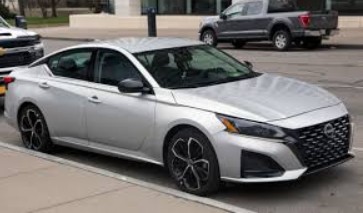
Few automotive problems are as frustrating as walking to your Nissan Altima, pressing the start button or turning the key, and hearing absolutely nothing—or worse, hearing strange clicking noises. One moment your car is perfectly fine, and the next it refuses to start.
The good news? Most Nissan Altima starting problems have identifiable causes and practical solutions. Whether your Altima won't crank, cranks but won't start, or starts intermittently, understanding the root cause can save both time and money.
In this comprehensive guide, we'll explore the most common reasons a Nissan Altima won't start, how to diagnose the issue, and what steps we can take to get back on the road.
Content in this publication
- Understanding Why a Nissan Altima Won't Start
- Common Signs of Starting Problems
- Dead Battery: The Most Common Culprit
- Corroded Battery Terminals
- Faulty Starter Motor
- Bad Alternator Issues
- Key Fob Problems in Push-Button Models
- Brake Pedal Switch Malfunction
- Fuel System Problems
- Ignition System Failures
- Engine Immobilizer System Issues
- Blown Fuses and Relays
- Crankshaft Position Sensor Failure
- Camshaft Position Sensor Problems
- Cold Weather Starting Problems
- Nissan Altima Model-Specific Starting Issues
- How to Diagnose a Nissan Altima That Won't Start
- Can You Jump-Start a Nissan Altima?
- When Professional Diagnosis Is Necessary
- Preventing Future Starting Problems
- The Real Cost of Ignoring Starting Problems
- Conclusion
- Frequently Asked Questions
Understanding Why a Nissan Altima Won't Start
Before diving into specific problems, it's important to understand that starting issues generally fall into three categories:
- No crank, no start
- Cranks but won't start
- Intermittent starting problems
Think of your vehicle like an orchestra. Every component must perform its part perfectly. If one instrument stops playing, the entire performance falls apart.
Common Signs of Starting Problems
Warning Symptoms Before Failure
Many Altimas provide clues before refusing to start completely.
Common symptoms include:
- Slow engine cranking
- Clicking sounds
- Dashboard warning lights
- Flickering interior lights
- Intermittent starts
- Difficulty starting in cold weather
- Engine hesitation before ignition
Recognizing these signs early can prevent getting stranded unexpectedly.
Dead Battery: The Most Common Culprit
How a Weak Battery Prevents Starting
A dead or weak battery remains the number one reason a Nissan Altima won't start.
The battery supplies electrical power needed to:
- Activate the starter motor
- Power ignition systems
- Operate fuel delivery components
- Run electronic control modules
When voltage drops too low, the engine simply cannot start.
Symptoms of a Dead Battery
Look for these indicators:
- Rapid clicking noise
- Dim headlights
- Dashboard lights flashing
- No response when pressing Start
- Electrical accessories working poorly
Battery Testing Tips
We can test the battery using a multimeter.
Healthy readings:
- 12.6 volts or higher: Fully charged
- 12.4 volts: Acceptable
- Below 12.2 volts: Weak battery
- Below 12 volts: Likely discharged
Corroded Battery Terminals
Why Corrosion Matters
Battery corrosion acts like a roadblock for electricity.
Even a healthy battery can fail to start the vehicle when corrosion interferes with electrical flow.
How to Inspect Battery Connections
Check for:
- White powder buildup
- Green residue
- Loose connections
- Damaged cables
Cleaning terminals often restores proper operation immediately.
Faulty Starter Motor
What the Starter Does
The starter motor physically turns the engine so combustion can begin.
Without it, the engine remains motionless.
Starter Failure Symptoms
Common warning signs include:
- Single click when starting
- Grinding noises
- No crank condition
- Smoke near starter area
- Intermittent operation
When Replacement Becomes Necessary
Starter motors typically last many years but eventually wear out due to:
- Heat exposure
- Mechanical wear
- Electrical failures
Replacement is often the only permanent solution.
Bad Alternator Issues
How the Alternator Affects Starting
Many drivers assume the alternator only matters while driving.
In reality, a failing alternator may prevent the battery from recharging properly, eventually leading to a no-start condition.
Signs of Alternator Failure
Watch for:
- Battery warning light
- Dimming headlights
- Electrical glitches
- Frequent battery replacements
If your battery repeatedly dies, the alternator should be tested immediately.
Smart Key System Failures
Modern Nissan Altima models rely heavily on intelligent key technology.
If the vehicle cannot detect the key fob, it may refuse to start.
Common Key Fob Issues
Problems often include:
- Dead key fob battery
- Signal interference
- Damaged key fob
- Programming issues
Emergency Start Procedure
Many Altimas allow drivers to start the car by placing the key fob directly against the Start/Stop button.
Consult the owner's manual for model-specific instructions.
Brake Pedal Switch Malfunction
Why the Brake Pedal Matters
Push-button Nissan Altimas require the brake pedal to be depressed before starting.
If the brake switch fails, the car may think the brake pedal isn't being pressed.
Symptoms of a Faulty Brake Switch
Indicators include:
- Brake lights not functioning
- Start button unresponsive
- Vehicle stuck in Park
Fortunately, brake switch replacement is usually inexpensive.
Fuel System Problems
When the Engine Cranks but Won't Start
If the engine turns over normally but never fires up, fuel delivery issues become a likely suspect.
Failed Fuel Pump
The fuel pump delivers gasoline from the tank to the engine.
When it fails, fuel never reaches the combustion chamber.
Signs include:
- Whining noises from fuel tank
- Sudden stalling
- Long cranking times
- Complete no-start condition
Clogged Fuel Filter
A blocked fuel filter restricts fuel flow.
Symptoms may gradually worsen until starting becomes impossible.
Ignition System Failures
Spark Plug Problems
Spark plugs ignite the air-fuel mixture.
Worn plugs can cause:
- Misfires
- Rough idle
- Hard starts
- Reduced fuel economy
Ignition Coil Issues
Each ignition coil generates high-voltage electricity.
Failing coils often create:
- Engine shaking
- Misfire codes
- Difficulty starting
Replacing defective coils often restores normal performance.
Engine Immobilizer System Issues
Security System Interference
The immobilizer prevents unauthorized vehicle operation.
Sometimes the system mistakenly blocks legitimate starting attempts.
Signs of Immobilizer Problems
Watch for:
- Security light flashing
- Engine starts then dies
- Key recognition errors
A dealership or qualified locksmith may be required to reprogram the system.
Blown Fuses and Relays
Small Components, Big Consequences
A tiny fuse can completely disable a vehicle.
Critical starting components depend on properly functioning fuses and relays.
Important Fuses to Check
Inspect:
- Starter fuse
- Ignition fuse
- Fuel pump fuse
- ECM fuse
Always replace blown fuses with identical amperage ratings.
Crankshaft Position Sensor Failure
The crankshaft position sensor tells the engine computer where the crankshaft is located.
Without this information, fuel injection and ignition timing become impossible.
Common Symptoms
Drivers may notice:
- Sudden stalling
- Hard starts
- Check engine light
- Crank-no-start condition
Sensor replacement frequently resolves these issues.
Camshaft Position Sensor Problems
Another Critical Engine Sensor
The camshaft sensor works alongside the crankshaft sensor.
Failure may result in:
- Long cranking
- Poor acceleration
- Engine hesitation
- Starting difficulties
Diagnostic scanning often reveals sensor-related fault codes.
Cold Weather Starting Problems
Why Winter Makes Things Worse
Cold temperatures amplify existing weaknesses.
Batteries lose capacity, oil thickens, and fuel vaporizes less efficiently.
Winter Starting Tips
To improve reliability:
- Use a battery maintainer
- Park in a garage
- Replace aging batteries
- Use recommended oil viscosity
A healthy Altima should start reliably even during cold conditions.
Nissan Altima Model-Specific Starting Issues
2007–2012 Altima Concerns
These models are known for:
- Steering lock issues
- Push-button start failures
- Sensor malfunctions
2013–2018 Altima Concerns
Common complaints include:
- Weak batteries
- Intelligent key problems
- Starter issues
2019 and Newer Models
Modern Altimas feature sophisticated electronics that can introduce:
- Software-related glitches
- Communication network faults
- Advanced key recognition problems
How to Diagnose a Nissan Altima That Won't Start
Step 1: Observe the Symptoms
Ask:
- Do lights turn on?
- Does the engine crank?
- Are there warning lights?
Step 2: Check the Battery
Measure voltage and inspect connections.
Step 3: Listen Carefully
Sounds reveal valuable clues:
- Clicking = Battery or starter
- No sound = Electrical issue
- Cranking = Fuel or ignition issue
Step 4: Scan for Trouble Codes
An OBD-II scanner can quickly identify:
- Sensor failures
- Immobilizer faults
- Fuel system problems
Step 5: Test Critical Components
Evaluate:
- Starter
- Alternator
- Fuel pump
- Ignition system
Methodical diagnosis prevents unnecessary parts replacement.
Can You Jump-Start a Nissan Altima?
Safe Jump-Starting Procedure
If the battery is dead:
- Position vehicles safely.
- Connect positive terminals.
- Connect negative terminals.
- Start donor vehicle.
- Attempt starting Altima.
- Remove cables in reverse order.
Always follow manufacturer recommendations.
When Professional Diagnosis Is Necessary
Signs You Need Expert Help
Professional assistance may be required when:
- Security system issues persist
- Multiple warning lights appear
- Diagnostic codes remain unresolved
- Electrical problems become complex
Advanced diagnostic equipment often saves significant troubleshooting time.
Preventing Future Starting Problems
Maintenance Habits That Matter
Preventive maintenance dramatically reduces no-start situations.
Recommended actions include:
- Test battery annually
- Replace worn spark plugs
- Keep terminals clean
- Address warning lights promptly
- Inspect charging system regularly
Small maintenance efforts today prevent major headaches tomorrow.
The Real Cost of Ignoring Starting Problems
Many drivers continue operating their Altima despite occasional starting difficulties.
That approach often backfires.
A weak battery today may become a complete breakdown tomorrow. A failing starter can strand us in a parking lot at the worst possible moment. Addressing symptoms early typically results in lower repair costs and greater reliability.
Conclusion
A Nissan Altima not starting can feel like a mystery, but most cases trace back to a handful of common causes. Dead batteries, faulty starters, bad alternators, fuel delivery issues, ignition problems, and key fob malfunctions account for the majority of no-start situations.
The key is approaching diagnosis systematically. Start with the basics, observe symptoms carefully, and eliminate possibilities one by one. Like solving a puzzle, every clue points us closer to the answer.
With proper maintenance and timely repairs, most Nissan Altimas provide years of dependable service and reliable starting performance.
Frequently Asked Questions
1. Why does my Nissan Altima click but not start?
A clicking sound usually indicates a weak battery, corroded battery terminals, or a failing starter motor.
2. Can a bad key fob cause a Nissan Altima not to start?
Yes. Push-button start models require key recognition. A dead key fob battery can prevent starting.
3. Why does my Altima crank but not start?
Common causes include fuel pump failure, ignition problems, crankshaft sensor issues, or immobilizer system faults.
4. How long does a Nissan Altima battery typically last?
Most batteries last between 3 and 5 years, depending on climate, driving habits, and maintenance.
5. Is it expensive to fix a Nissan Altima that won't start?
Costs vary significantly. A battery replacement may cost relatively little, while starter, fuel pump, or electronic module repairs can be more expensive.
If you want to know other articles similar to Nissan Altima Not Starting: Complete Troubleshooting Guide for Every Driver you can visit the category Common Problems.
Kia Sorento Issues: Common Problems, Reliability and What to Watch For

Honda Passport Not Starting: Causes, Symptoms, and How to Fix It
Honda Passport Keyless Remote Battery Low: What It Means and How to Fix It

Nissan Rogue Apple CarPlay Not Working: Causes and Fixes
Nissan Rogue No Key Detected: Causes, Fixes, and What to Do
Nissan Rogue Engine Problems: Common Issues, Symptoms, Years and Solutions
Leave a Reply
More content of your interest