

Chevrolet Malibu Fuel Economy: A Complete Guide to Efficiency, Savings, and Real-World Performance

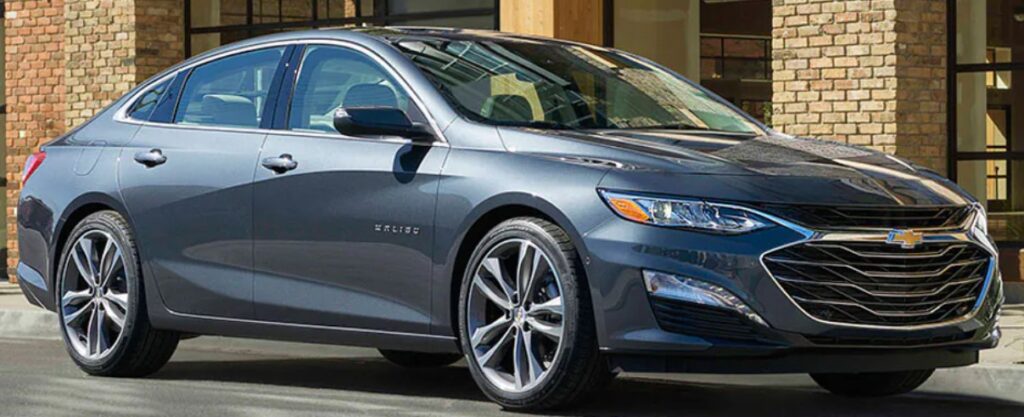
The Chevrolet Malibu has long been one of the most recognizable midsize sedans on American roads. While buyers often focus on comfort, styling, and technology, one factor consistently rises to the top of the shopping list: fuel economy. After all, a car that sips fuel rather than guzzles it can save thousands of dollars over its lifetime.
In this comprehensive guide, we’ll explore Chevrolet Malibu fuel economy from every angle. We’ll examine official ratings, real-world efficiency, engine options, driving habits, maintenance strategies, and how the Malibu compares to its rivals. Whether you're considering buying a Malibu or already own one, understanding its fuel efficiency can help you maximize every mile.
Content in this publication
- Understanding Chevrolet Malibu Fuel Economy
- Why Fuel Economy Matters More Than Ever
- Chevrolet Malibu Engine Options and Fuel Economy
- Official Chevrolet Malibu Fuel Economy Ratings
- Real-World Chevrolet Malibu Fuel Economy
- How Aerodynamics Improve Fuel Economy
- The Role of Turbocharging in Fuel Efficiency
- Driving Habits That Affect Malibu Fuel Economy
- Maintenance Tips to Maximize Fuel Economy
- Weather and Its Impact on Fuel Economy
- Chevrolet Malibu Fuel Tank Capacity and Driving Range
- Chevrolet Malibu vs Competitors
- Common Myths About Fuel Economy
- Technology Features That Support Efficiency
- Can You Improve Fuel Economy Beyond EPA Ratings?
- Best Chevrolet Malibu Model Years for Fuel Economy
- Who Should Buy a Chevrolet Malibu for Fuel Economy?
- The Future of Chevrolet Malibu Efficiency
- Conclusion
- Frequently Asked Questions
Understanding Chevrolet Malibu Fuel Economy
Fuel economy measures how efficiently a vehicle converts fuel into distance traveled. It is usually expressed in miles per gallon (MPG) in the United States.
For many drivers, fuel economy isn't just a number on a window sticker. It's a reflection of ongoing ownership costs, environmental impact, and overall driving satisfaction.
The Chevrolet Malibu has built a reputation for offering competitive fuel efficiency within the midsize sedan segment. Thanks to modern engine technology, aerodynamic design, and intelligent transmission systems, it remains an attractive option for commuters and families alike.
Why Fuel Economy Matters More Than Ever
Rising fuel prices can quickly transform an efficient sedan into a money-saving machine.
When we evaluate fuel economy, we're really looking at:
- Monthly fuel expenses
- Long-term ownership costs
- Environmental footprint
- Driving range between fill-ups
- Vehicle resale value
A few extra miles per gallon might seem insignificant at first glance, but over tens of thousands of miles, the savings can be substantial.
Imagine two vehicles traveling 15,000 miles annually.
If one averages 25 MPG and another averages 35 MPG, the more efficient vehicle consumes dramatically less fuel every year. Over five years, that difference becomes impossible to ignore.
The Chevrolet Malibu aims to strike a balance between performance and efficiency, giving drivers the best of both worlds.
Chevrolet Malibu Engine Options and Fuel Economy
Fuel economy varies depending on the engine configuration and model year.
1.5L Turbocharged Engine
The 1.5-liter turbocharged four-cylinder engine became the primary powertrain for many recent Malibu models.
Benefits include:
- Strong fuel efficiency
- Smooth acceleration
- Lightweight construction
- Reduced fuel consumption during cruising
This engine is often considered the sweet spot for Malibu buyers seeking economical daily transportation.
2.0L Turbocharged Engine
Some Malibu generations offered a larger turbocharged engine.
Advantages include:
- Greater horsepower
- Faster acceleration
- Improved highway passing power
However, increased performance generally comes with slightly lower fuel economy.
Hybrid Variants
The Malibu Hybrid represented Chevrolet's most fuel-efficient Malibu ever.
Key highlights:
- Exceptional city MPG ratings
- Regenerative braking technology
- Electric motor assistance
- Reduced fuel usage during stop-and-go traffic
Although no longer produced, used Malibu Hybrid models remain attractive options for efficiency-focused shoppers.
Official Chevrolet Malibu Fuel Economy Ratings
Official EPA estimates vary by model year and drivetrain.
Generally speaking, modern Malibu models equipped with the 1.5L turbo engine deliver:
- Around 27–30 MPG city
- Around 35–36 MPG highway
- Approximately 30–32 MPG combined
These figures place the Malibu among the stronger performers in the midsize sedan category.
What EPA Ratings Actually Mean
EPA numbers provide a useful benchmark, but real-world driving conditions rarely mirror laboratory testing.
Factors affecting actual results include:
- Traffic congestion
- Weather conditions
- Road elevation
- Cargo weight
- Driving style
Think of EPA ratings as a roadmap rather than a guarantee.
Real-World Chevrolet Malibu Fuel Economy
Many owners report fuel economy results that closely match official estimates.
City Driving Performance
Urban driving typically reduces efficiency because:
- Frequent stopping wastes momentum
- Traffic increases idle time
- Acceleration requires more fuel
Even so, the Malibu performs impressively in city environments thanks to its efficient turbocharged powertrain.
Highway Driving Performance
The Malibu truly shines on the open road.
Steady highway speeds allow:
- Lower engine RPMs
- Consistent power delivery
- Reduced fuel consumption
Many drivers report exceeding EPA highway estimates during long-distance travel.
How Aerodynamics Improve Fuel Economy
Aerodynamics plays a surprisingly important role in efficiency.
The Chevrolet Malibu features:
- Smooth body contours
- Sculpted side panels
- Streamlined front fascia
- Carefully designed underbody airflow
These design elements help reduce drag, allowing the vehicle to move through the air more efficiently.
Why Drag Matters
Air resistance increases exponentially with speed.
At highway speeds, aerodynamic efficiency can have a larger impact on fuel economy than engine size.
The Malibu's sleek profile acts like a knife slicing through the wind rather than a brick pushing against it.
The Role of Turbocharging in Fuel Efficiency
Turbocharging allows smaller engines to produce power comparable to larger engines.
Benefits include:
- Reduced engine weight
- Improved fuel efficiency
- Better low-end torque
- Enhanced performance
The Malibu's turbocharged engine demonstrates how modern engineering can deliver both efficiency and responsiveness.
Turbocharging Explained Simply
Imagine a runner receiving extra oxygen during a race.
A turbocharger forces more air into the engine, allowing it to produce more power without significantly increasing fuel consumption.
Driving Habits That Affect Malibu Fuel Economy
Even the most efficient vehicle can waste fuel if driven aggressively.
Rapid Acceleration
Hard acceleration increases fuel demand.
To improve efficiency:
- Accelerate gradually
- Anticipate traffic flow
- Avoid unnecessary bursts of speed
Excessive Braking
Every time we brake heavily, we waste momentum.
Maintaining smooth driving patterns improves fuel economy substantially.
High-Speed Driving
Fuel economy often declines rapidly above 65 MPH.
Driving slightly slower can produce noticeable savings over long trips.
Maintenance Tips to Maximize Fuel Economy
Regular maintenance helps keep the Malibu operating efficiently.
Keep Tires Properly Inflated
Underinflated tires create rolling resistance.
Benefits of proper tire pressure:
- Improved MPG
- Better tire lifespan
- Enhanced handling
Change Air Filters Regularly
A clean air filter helps maintain proper airflow.
Restricted airflow may reduce engine efficiency and performance.
Use Recommended Motor Oil
Manufacturers select specific oil viscosities for a reason.
Using the recommended oil can help reduce internal friction and support optimal fuel economy.
Stay Current With Service Intervals
Routine maintenance ensures:
- Efficient combustion
- Proper sensor operation
- Peak engine performance
Small maintenance tasks often prevent larger efficiency losses.
Weather and Its Impact on Fuel Economy
Environmental conditions influence fuel consumption more than many people realize.
Cold Weather Effects
During winter:
- Engines require longer warm-up periods
- Oil becomes thicker
- Tire pressure decreases
These factors reduce fuel efficiency.
Hot Weather Effects
Summer can also affect MPG due to increased air conditioning usage.
The good news is that highway efficiency often remains relatively strong in warm conditions.
Chevrolet Malibu Fuel Tank Capacity and Driving Range
Fuel economy becomes even more valuable when paired with a sizable fuel tank.
The Malibu's tank capacity allows drivers to travel significant distances between refueling stops.
Long-Distance Travel Benefits
A fuel-efficient Malibu can offer:
- Fewer fuel stops
- Reduced travel costs
- Greater convenience
- Improved road-trip comfort
For commuters and frequent travelers, this capability is particularly attractive.
Chevrolet Malibu vs Competitors
Fuel economy comparisons often influence purchasing decisions.
Malibu vs Honda Accord
The Accord is widely respected for efficiency.
However, the Malibu remains highly competitive, especially in highway driving scenarios.
Malibu vs Toyota Camry
The Camry offers strong fuel economy, particularly in hybrid form.
The Malibu counters with comfortable ride quality and competitive non-hybrid efficiency.
Malibu vs Nissan Altima
The Altima often achieves similar fuel economy numbers.
Choosing between them frequently comes down to personal preference, pricing, and available features.
Common Myths About Fuel Economy
Many misconceptions continue to circulate among drivers.
Not necessarily.
If the Malibu is designed for regular gasoline, premium fuel typically offers little benefit.
Warming Up the Car for Long Periods Saves Fuel
Modern engines do not require extended warm-up times.
Excessive idling wastes fuel.
Cruise Control Always Improves Efficiency
Cruise control helps on flat highways but may not always be ideal on steep terrain.
Technology Features That Support Efficiency
Modern Malibus include technologies designed to reduce fuel consumption.
Automatic Stop/Start Systems
These systems temporarily shut off the engine during stops.
Benefits include:
- Reduced idle fuel usage
- Improved city efficiency
- Lower emissions
Advanced Transmission Design
Continuously optimized gear ratios help:
- Reduce engine strain
- Maintain efficient RPM ranges
- Improve highway MPG
The transmission often acts like an invisible efficiency coach working behind the scenes.
Can You Improve Fuel Economy Beyond EPA Ratings?
Yes, many drivers exceed official estimates.
Strategies include:
- Smooth acceleration
- Moderate highway speeds
- Reduced cargo weight
- Proper maintenance
- Anticipating traffic conditions
Fuel efficiency often rewards patience more than anything else.
The 10% Rule
Small improvements across multiple areas frequently generate larger gains than one major change.
Think of fuel economy like fitness. Consistent healthy habits outperform short-term efforts.
Best Chevrolet Malibu Model Years for Fuel Economy
Some model years stand out more than others.
Malibu Hybrid Models
These deliver the highest fuel efficiency in the Malibu lineup.
2016 and Newer Turbocharged Models
These models benefit from:
- Improved engine technology
- Better aerodynamics
- Enhanced transmission efficiency
They remain popular choices among fuel-conscious buyers.
Who Should Buy a Chevrolet Malibu for Fuel Economy?
The Malibu is particularly appealing for:
- Daily commuters
- Families seeking affordability
- Long-distance travelers
- Rideshare drivers
- First-time sedan buyers
Its combination of comfort, efficiency, and practicality makes it a versatile option.
The Future of Chevrolet Malibu Efficiency
Automotive efficiency continues evolving rapidly.
Although market trends increasingly favor SUVs and electrification, the Malibu demonstrates how modern sedans can still deliver remarkable fuel economy.
Its blend of turbocharged efficiency, aerodynamic design, and driver-friendly technology proves that traditional gasoline-powered sedans remain relevant.
Conclusion
Chevrolet Malibu fuel economy remains one of the sedan's strongest selling points. Whether equipped with the efficient 1.5L turbocharged engine or the exceptionally frugal hybrid system, the Malibu consistently delivers competitive MPG figures that help drivers save money over the long term.
Beyond official ratings, real-world efficiency depends on how we drive, maintain, and care for the vehicle. Smooth acceleration, proper tire maintenance, and sensible highway speeds can transform good fuel economy into excellent fuel economy.
For commuters, families, and anyone seeking a comfortable midsize sedan with impressive efficiency, the Chevrolet Malibu continues to represent a smart and practical choice. Like a marathon runner that never seems to tire, it keeps moving farther on every gallon, making every trip a little more economical and a lot more enjoyable.
Frequently Asked Questions
1. What is the average fuel economy of a Chevrolet Malibu?
Most modern Chevrolet Malibu models achieve approximately 30–32 MPG combined, depending on engine configuration and driving conditions.
2. Which Chevrolet Malibu has the best fuel economy?
The Chevrolet Malibu Hybrid offers the highest fuel efficiency in the Malibu lineup.
3. Does highway driving improve Malibu fuel economy?
Yes. The Malibu typically achieves its best MPG figures during steady highway driving.
4. How can I improve my Chevrolet Malibu's fuel economy?
Maintain proper tire pressure, drive smoothly, avoid excessive idling, and follow the manufacturer's maintenance schedule.
5. Is the Chevrolet Malibu fuel-efficient compared to competitors?
Yes. The Malibu remains competitive with other midsize sedans such as the Honda Accord, Toyota Camry, and Nissan Altima.
If you want to know other articles similar to Chevrolet Malibu Fuel Economy: A Complete Guide to Efficiency, Savings, and Real-World Performance you can visit the category Driving.
Kia Sorento Fuel Economy: MPG, Hybrid, and Plug-In Hybrid Explained
BYD Shark 6 Fuel Consumption: Real-World Economy, Range and What to Expect

Vauxhall Agila MPG: Real-World Fuel Economy and Engine Guide

Honda Passport MPG: Real-World Fuel Economy, Ratings, and What to Expect

Nissan Rogue Fuel Economy: MPG, Range, Costs, and Real-World Efficiency
BYD Shark 6 Long Range Fuel Tank: Is the 120L Upgrade Worth It?
Leave a Reply
More content of your interest