
BYD Seal Charging Time: The Complete Guide to Fast and Efficient EV Charging

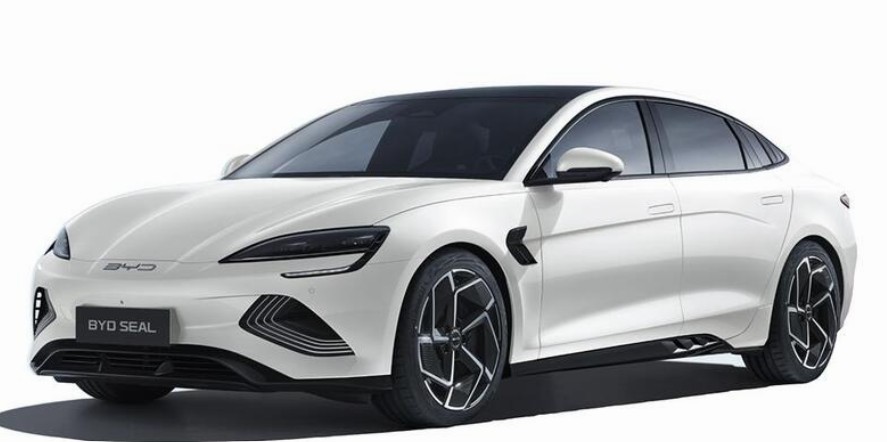
Electric vehicles are changing the way we travel, and the BYD Seal stands out as one of the most exciting electric sedans on the market today. With its sleek design, impressive driving range, and advanced battery technology, it has quickly become a favorite among EV enthusiasts. Yet one question continues to surface among potential buyers and current owners alike: How long does the BYD Seal take to charge?
The answer is not as straightforward as it may seem. Charging time depends on several factors, including battery size, charger type, charging conditions, and the specific BYD Seal model you own.
In this comprehensive guide, we will explore everything there is to know about BYD Seal charging time, helping you maximize efficiency while reducing waiting periods.
Content in this publication
- Understanding the BYD Seal Battery System
- Why Charging Time Matters
- BYD Seal Battery Capacities and Their Impact
- Types of Charging Available for the BYD Seal
- BYD Seal Charging Time at Home
- BYD Seal DC Fast Charging Time
- Factors That Affect BYD Seal Charging Time
- How Much Range Can You Add Per Hour?
- Charging the BYD Seal During Road Trips
- How BYD Blade Battery Technology Improves Charging
- Charging Costs and Time: The Connection
- Tips to Reduce BYD Seal Charging Time
- Common Charging Myths About the BYD Seal
- BYD Seal Charging Time Compared to Competitors
- The Future of BYD Charging Technology
- Should Charging Time Influence Your Buying Decision?
- Conclusion
- FAQs
Understanding the BYD Seal Battery System
Before diving into charging times, it helps to understand what powers the BYD Seal.
The vehicle uses BYD's revolutionary Blade Battery technology. Unlike traditional lithium-ion batteries, the Blade Battery emphasizes safety, durability, and energy density.
Key advantages include:
- Improved thermal stability
- Enhanced safety performance
- Longer lifespan
- Better energy efficiency
- Reduced risk of battery degradation
The BYD Seal is available in multiple configurations, each equipped with different battery capacities. These variations directly affect charging times.
Why Charging Time Matters
Imagine owning a smartphone that takes two days to charge. No matter how good the device is, the experience would quickly become frustrating.
The same principle applies to electric vehicles.
Charging time influences:
- Daily convenience
- Road trip planning
- Electricity costs
- Charging station availability
- Overall ownership satisfaction
Fortunately, the BYD Seal performs remarkably well in this area.
BYD Seal Battery Capacities and Their Impact
Standard Range Models
Certain BYD Seal variants feature batteries around 61 kWh.
These versions generally offer:
- Faster charging sessions
- Lower purchase prices
- Reduced overall weight
Because the battery pack is smaller, reaching a full charge naturally takes less time.
Long Range and Performance Models
Higher-end versions typically use battery packs around 82.5 kWh.
Benefits include:
- Longer driving range
- Improved practicality
- Reduced charging frequency
The trade-off is slightly longer charging sessions due to the larger battery capacity.
Types of Charging Available for the BYD Seal
Charging speed depends heavily on the charging source.
Think of charging options like filling a swimming pool.
A garden hose takes hours.
A fire hose finishes the job much faster.
The same logic applies here.
Level 1 Charging
Level 1 charging uses a standard household outlet.
Characteristics:
- Slowest charging option
- Convenient for emergencies
- Requires no special installation
Typical charging speed:
- Approximately 2–3 kW
This method is suitable for overnight charging when daily mileage is low.
Level 2 Charging
Level 2 chargers are the most popular home charging solution.
Characteristics include:
- Faster charging speeds
- Greater convenience
- Ideal for everyday use
Typical power output:
- 7 kW
- 11 kW
- 22 kW
Many BYD Seal owners choose this option because it strikes the perfect balance between speed and affordability.
DC Fast Charging
DC fast charging represents the pinnacle of charging convenience.
Instead of slowly converting AC power inside the vehicle, DC chargers send electricity directly to the battery.
Benefits include:
- Extremely rapid charging
- Ideal for road trips
- Minimal downtime
The BYD Seal supports high-speed DC charging, making long-distance travel significantly easier.
BYD Seal Charging Time at Home
Charging with a Standard Household Socket
Using a traditional household outlet is possible, but patience becomes essential.
A full charge may require:
- 25–40 hours depending on battery size
While this sounds lengthy, many drivers only need to replenish a small portion of their battery each night.
Charging with a 7 kW Home Charger
A 7 kW wall box dramatically improves charging performance.
Estimated charging times:
| Battery Size | Charging Time |
|---|---|
| 61 kWh | 8–10 hours |
| 82.5 kWh | 11–13 hours |
This setup is perfect for overnight charging.
Plug in after dinner.
Wake up with a full battery.
You may be interested in reading BYD Seal Charger Type: The Complete Guide to Charging Connectors, Compatibility, and Speed
Simple.
Charging with an 11 kW Charger
An 11 kW charger offers even faster performance.
Estimated charging times:
| Battery Size | Charging Time |
|---|---|
| 61 kWh | 6–7 hours |
| 82.5 kWh | 8–9 hours |
Many EV owners consider this the sweet spot for residential charging.
BYD Seal DC Fast Charging Time
Fast charging is where the BYD Seal truly shines.
10% to 80% Charging
Most manufacturers quote charging speeds from 10% to 80%.
Why?
Because charging naturally slows above 80% to protect battery health.
Under optimal conditions, the BYD Seal can charge from:
10% to 80% in approximately 25–40 minutes
This makes highway travel surprisingly convenient.
Grab a coffee.
Stretch your legs.
By the time you're finished, your vehicle is often ready to continue.
Peak Charging Power
Depending on the model, peak charging rates can exceed 150 kW.
This allows rapid energy replenishment during travel.
However, peak power isn't maintained throughout the entire charging session.
Charging curves rise and fall depending on battery temperature and state of charge.
Factors That Affect BYD Seal Charging Time
Battery Temperature
Battery temperature significantly influences charging performance.
Cold batteries charge more slowly.
Warm batteries charge more efficiently.
Modern BYD battery management systems help optimize charging conditions automatically.
State of Charge
A nearly empty battery charges faster than a nearly full battery.
This explains why:
- 10% to 80% may take 30 minutes
- 80% to 100% may require another 20–40 minutes
The vehicle deliberately slows charging near full capacity.
Charger Quality
Not all chargers are created equal.
A poorly maintained charger may deliver lower power than advertised.
Factors include:
- Network congestion
- Equipment age
- Electrical limitations
- Environmental conditions
Weather Conditions
Extreme temperatures affect battery chemistry.
Winter often produces:
- Reduced charging speeds
- Lower efficiency
- Longer charging sessions
Summer generally supports faster charging, although excessive heat can also trigger protective limitations.
How Much Range Can You Add Per Hour?
Many drivers care more about added range than battery percentage.
Approximate estimates include:
Household Outlet
- 8–15 km per hour
7 kW Charger
- 35–45 km per hour
11 kW Charger
- 55–70 km per hour
DC Fast Charger
- Hundreds of kilometers in under an hour
This flexibility makes the BYD Seal practical for nearly every driving situation.
Charging the BYD Seal During Road Trips
Long-distance travel often concerns first-time EV buyers.
The reality is more reassuring than many expect.
Planning Ahead
Modern navigation systems can identify charging stations automatically.
The BYD Seal's route planner helps drivers locate charging points efficiently.
Benefits include:
- Reduced range anxiety
- Better trip planning
- Optimized charging stops
Ideal Fast-Charging Strategy
Many EV experts recommend:
- Charge from 10% to 80%
- Resume driving
- Recharge again when necessary
This approach minimizes overall travel time.
Waiting for 100% is often less efficient during road trips.
You may be interested in readingBYD Seal Charger Type: The Complete Guide to Charging Connectors, Compatibility, and SpeedYou may be interested in reading
BYD Seal Service Schedule: The Complete Maintenance Guide for Long-Term ReliabilityHow BYD Blade Battery Technology Improves Charging
The Blade Battery represents one of BYD's biggest innovations.
Enhanced Thermal Management
Efficient heat control allows:
- Stable charging performance
- Improved battery safety
- Better long-term durability
Reduced Degradation
Frequent fast charging often raises concerns.
Fortunately, BYD designed the Blade Battery to withstand demanding usage.
Benefits include:
- Extended lifespan
- Improved reliability
- Consistent performance over years
Charging Costs and Time: The Connection
Charging time and charging cost often go hand in hand.
Home Charging
Home charging typically provides the lowest cost per kilometer.
Advantages:
- Lower electricity rates
- Overnight convenience
- Reduced charging station fees
Public Fast Charging
Public chargers save time but often cost more.
Think of it like:
- Cooking at home versus dining at a restaurant
Both achieve the same result, but one prioritizes convenience.
Tips to Reduce BYD Seal Charging Time
Precondition the Battery
Many EVs perform better when batteries reach optimal temperatures before charging.
Whenever possible:
- Drive before charging
- Use battery preconditioning features
Choose Faster Chargers
Selecting higher-powered stations reduces waiting times dramatically.
Always verify:
- Charger compatibility
- Available power output
- Station reliability
Avoid Frequent 100% Charges
For everyday driving:
- Maintain 20%–80% battery levels
Benefits include:
- Faster charging sessions
- Better battery health
- Improved long-term efficiency
Common Charging Myths About the BYD Seal
Myth 1: Fast Charging Damages the Battery
Modern battery management systems are specifically designed to protect battery health.
Occasional fast charging is perfectly normal.
Myth 2: EVs Take Too Long to Charge
Most daily driving requires far less energy than people assume.
Many owners simply plug in overnight and never think about charging.
Myth 3: Charging Is Complicated
Modern EV charging is surprisingly simple.
Connect the cable.
Authenticate if required.
Wait.
Drive away.
The process is often easier than visiting a fuel station.
BYD Seal Charging Time Compared to Competitors
The BYD Seal competes against several popular electric sedans.
Compared to many rivals, it offers:
- Competitive DC charging speeds
- Efficient battery management
- Excellent range recovery
- Strong home-charging performance
Its charging capabilities position it firmly among the leading electric vehicles in its class.
The Future of BYD Charging Technology
BYD continues investing heavily in battery innovation.
Future developments may include:
- Faster charging speeds
- Improved energy density
- Enhanced thermal management
- Longer battery lifespan
As charging infrastructure expands globally, ownership will become even more convenient.
Should Charging Time Influence Your Buying Decision?
Absolutely—but perhaps not in the way many people expect.
Instead of focusing solely on peak charging speed, consider:
- Daily driving habits
- Home charging availability
- Long-distance travel frequency
- Local charging infrastructure
For most drivers, the BYD Seal provides an excellent balance between charging speed, range, and convenience.
Conclusion
The BYD Seal charging time is one of the vehicle's strongest attributes. Whether you're charging at home overnight or topping up at a DC fast charger during a road trip, the Seal delivers a practical and user-friendly experience. Home charging typically requires between 6 and 13 hours depending on charger power and battery size, while fast charging can take the battery from 10% to 80% in roughly 25 to 40 minutes.
Combined with BYD's innovative Blade Battery technology, efficient energy management, and impressive driving range, the Seal proves that electric vehicle ownership no longer requires compromise. Charging becomes less of a chore and more of a seamless part of everyday life—much like plugging in your smartphone before bed and waking up ready for the day ahead.
FAQs
How long does it take to fully charge a BYD Seal?
A full charge typically takes between 6 and 13 hours with home AC charging and can vary depending on battery size and charger power.
How fast can a BYD Seal charge on a DC fast charger?
The BYD Seal can usually charge from 10% to 80% in approximately 25 to 40 minutes under ideal conditions.
Can I charge a BYD Seal from a regular household outlet?
Yes. However, charging is significantly slower and may require 25 to 40 hours for a full battery recharge.
Does fast charging damage the BYD Seal battery?
No. The Blade Battery and battery management systems are designed to handle fast charging safely.
You may be interested in readingBYD Seal Charger Type: The Complete Guide to Charging Connectors, Compatibility, and SpeedYou may be interested in reading
BYD Seal Service Schedule: The Complete Maintenance Guide for Long-Term ReliabilityYou may be interested in reading
BYD Seal Battery Size: Everything You Need to Know About Capacity, Range, Performance, and ChargingWhat is the best way to charge a BYD Seal daily?
For everyday use, charging overnight with a 7 kW or 11 kW home charger and maintaining the battery between 20% and 80% is generally ideal.
If you want to know other articles similar to BYD Seal Charging Time: The Complete Guide to Fast and Efficient EV Charging you can visit the category Service and Parts.
BMW 2 Series Turbo Replacement Cost UK: Complete Price Guide
BMW 2 Series Service Reset: Complete Step-by-Step Guide
BMW 2 Series Windscreen Replacement Cost UK: Complete Price Guide
BMW 2 Series Key Battery Replacement: Complete DIY Guide
BMW 2 Series Towing Capacity: Complete UK Guide
BMW 2 Series Engine Size: Complete Petrol, Diesel and M Guide
Leave a Reply
More content of your interest