
BYD Seal vs Atto 3: Which BYD Electric Vehicle Is the Better Choice in 2026?

The rise of electric vehicles has transformed the automotive landscape, and few brands have accelerated as rapidly as BYD. Once known primarily within China, BYD has become a global force in the EV market, challenging established manufacturers with innovative technology, competitive pricing, and impressive battery expertise.
Among its most popular models, two vehicles frequently attract attention: the BYD Seal and the BYD Atto 3. While both wear the same badge and share some technological DNA, they target very different buyers. One is a sleek electric sedan designed for performance and efficiency, while the other is a practical SUV aimed at families and everyday versatility.
So which one deserves a place in your driveway?
In this comprehensive BYD Seal vs Atto 3 comparison, we will explore everything from design and performance to range, charging, practicality, technology, and overall value.
Content in this publication
- Understanding the BYD Seal and BYD Atto 3
- Exterior Design: Sports Car vs Urban SUV
- Interior Quality and Cabin Experience
- Space and Practicality
- Performance and Driving Dynamics
- Range Comparison
- Charging Capabilities
- Battery Technology
- Technology and Infotainment
- Safety Features
- Ride Comfort
- Ownership Costs
- Who Should Buy the BYD Seal?
- Who Should Buy the BYD Atto 3?
- BYD Seal vs Atto 3: Key Differences at a Glance
- Which BYD Offers Better Value?
- Final Verdict: BYD Seal vs Atto 3
- Frequently Asked Questions
Understanding the BYD Seal and BYD Atto 3
Before comparing specifications, it's important to understand the purpose behind each vehicle.
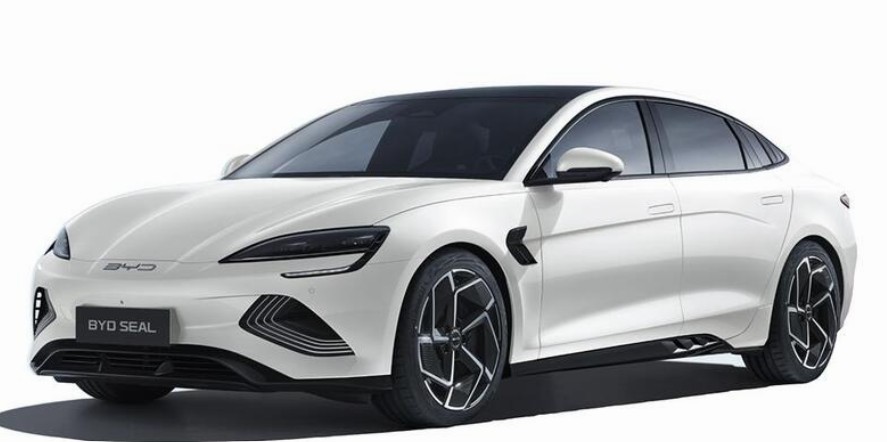
The BYD Seal is a sporty electric sedan developed to compete directly with premium EVs. Its low-slung profile, powerful drivetrain options, and aerodynamic styling appeal to drivers who prioritize performance and driving dynamics.
The BYD Atto 3, meanwhile, is a compact electric SUV focused on practicality, comfort, and affordability. It targets families, commuters, and first-time EV buyers looking for an easy transition into electric mobility.
Quick Overview
| Feature | BYD Seal | BYD Atto 3 |
|---|---|---|
| Vehicle Type | Electric Sedan | Electric SUV |
| Seating | 5 | 5 |
| Driving Focus | Performance | Practicality |
| Ride Height | Low | Elevated |
| Cargo Space | Moderate | Generous |
| Performance | Higher | Balanced |
| Family Appeal | Good | Excellent |
Exterior Design: Sports Car vs Urban SUV
The first thing we notice when comparing these vehicles is how dramatically different they look.
BYD Seal Design Philosophy
The Seal appears as though it was sculpted by the wind itself. Inspired by ocean-themed design language, it features:
- Sleek LED headlights
- Coupe-like roofline
- Flush door handles
- Aggressive front fascia
- Aerodynamic body contours
The Seal turns heads. It communicates speed even when parked.
BYD Atto 3 Design Philosophy
The Atto 3 takes a more practical approach.
Instead of emphasizing sportiness, it focuses on usability and SUV appeal through:
- Higher ground clearance
- Upright body shape
- Larger rear opening
- Strong road presence
- Family-friendly proportions
While it lacks the dramatic flair of the Seal, it feels approachable and modern.
Which Looks Better?
Design is subjective, but many drivers seeking a premium appearance gravitate toward the Seal. Those prioritizing practicality often appreciate the Atto 3's SUV styling.
Interior Quality and Cabin Experience
Open the doors, and both vehicles reveal BYD's commitment to technology and comfort.
Inside the BYD Seal
The Seal's interior feels remarkably upscale.
Highlights include:
- Minimalist dashboard layout
- Premium materials
- Sport-oriented seating
- Ambient lighting
- Large rotating infotainment screen
The cabin feels modern and sophisticated, competing with vehicles from significantly more expensive brands.
Inside the BYD Atto 3
The Atto 3 embraces creativity.
Unique design elements include:
- Guitar-string-inspired door pockets
- Futuristic air vents
- Bright interior accents
- Spacious seating layout
- User-friendly controls
It feels playful and distinctive rather than luxurious.
Comfort Comparison
For front-seat comfort, both vehicles perform well. However:
- The Seal offers better seat support during spirited driving.
- The Atto 3 provides easier entry and exit.
- Rear passengers enjoy more headroom in the Atto 3.
Space and Practicality
Practicality is where the comparison becomes particularly interesting.
Cargo Capacity
The Atto 3 benefits from SUV proportions.
Advantages include:
- Larger rear hatch opening
- Easier loading
- More vertical storage space
- Better flexibility for bulky items
The Seal's trunk is usable but less versatile.
Family Friendliness
Families often prioritize:
- Child seat installation
- Rear passenger room
- Storage solutions
- Visibility
The Atto 3 generally excels in these categories.
Daily Lifestyle Considerations
Ask yourself:
- Do you frequently carry sports equipment?
- Do you transport children regularly?
- Do you need flexible cargo space?
If the answer is yes, the Atto 3 gains a clear advantage.
Performance and Driving Dynamics
This is where the Seal begins to separate itself.
BYD Seal Performance
Depending on the variant, the Seal delivers impressive acceleration.
Key characteristics include:
- Quick throttle response
- Strong electric torque
- Excellent stability
- Sporty handling
- Low center of gravity
The battery integrated into the platform helps the Seal feel planted during cornering.
You may be interested in reading BYD Seal vs IM5: Which Electric Sedan Deserves Your Money in 2026?
BYD Atto 3 Performance
The Atto 3 prioritizes comfort over excitement.
Strengths include:
- Smooth acceleration
- Predictable handling
- Comfortable ride quality
- Easy maneuverability
It never feels sluggish, but it isn't designed to thrill.
Which Is More Fun to Drive?
The answer is straightforward.
The Seal is significantly more engaging.
Its sedan architecture and performance-oriented tuning provide a driving experience that many enthusiasts will appreciate.
Range Comparison
Range remains one of the most important EV buying factors.
BYD Seal Range
The Seal's aerodynamic shape contributes to excellent efficiency.
Benefits include:
- Reduced drag
- Longer highway range
- Better energy consumption
- Improved long-distance usability
Depending on battery configuration and driving conditions, the Seal generally offers greater range.
BYD Atto 3 Range
The Atto 3 still provides respectable driving distance.
Most owners find its range more than sufficient for:
- Daily commuting
- School runs
- Weekend trips
- Urban travel
However, the SUV shape naturally creates more aerodynamic resistance.
Real-World Efficiency
In mixed driving conditions:
- The Seal typically consumes less energy.
- The Atto 3 remains efficient but not class-leading.
Charging Capabilities
Charging convenience can significantly influence ownership satisfaction.
Home Charging
Both vehicles support home charging solutions and overnight replenishment.
Advantages include:
- Lower energy costs
- Daily convenience
- Reduced dependency on public chargers
Fast Charging
Both models support DC fast charging.
This enables:
- Shorter road-trip stops
- Faster battery replenishment
- Greater travel flexibility
The exact charging speeds vary by market and configuration, but both vehicles remain competitive.
Battery Technology
One of BYD's strongest advantages lies beneath the floor.
Blade Battery Innovation
Both the Seal and Atto 3 utilize BYD's Blade Battery technology.
Benefits include:
- Enhanced safety
- Improved thermal stability
- Longer lifespan
- Efficient packaging
Why the Blade Battery Matters
Traditional batteries can be vulnerable to overheating under extreme conditions.
The Blade Battery is engineered to improve safety while maintaining strong performance.
For many buyers, this technology represents a major selling point.
Technology and Infotainment
Modern EVs are rolling computers, and BYD understands this reality.
Rotating Touchscreen
One of BYD's signature features is the rotating touchscreen.
Users can switch between:
- Landscape mode
- Portrait mode
This flexibility enhances usability for navigation and media.
Connectivity Features
Both vehicles typically offer:
- Smartphone integration
- Voice control
- Navigation systems
- Wireless connectivity
- OTA updates
Digital Experience
The Seal feels slightly more premium and polished, while the Atto 3 emphasizes accessibility and ease of use.
Safety Features
Safety remains a crucial consideration.
Driver Assistance Technologies
Depending on specification, both vehicles may include:
You may be interested in readingBYD Seal vs IM5: Which Electric Sedan Deserves Your Money in 2026?You may be interested in reading
 Hyundai Coupe Models: The Complete Guide to Hyundai’s Stylish Sports Coupes
- Adaptive cruise control
- Lane-keeping assistance
- Blind-spot monitoring
- Emergency braking
- Traffic sign recognition
Structural Safety
The advanced battery structure contributes to overall vehicle rigidity and crash protection.
Family Safety Perspective
For parents, both vehicles deliver reassuring safety credentials.
Neither presents a meaningful disadvantage in this area.
Ride Comfort
Ride quality influences every journey.
Seal Ride Characteristics
The Seal balances comfort and sportiness.
Characteristics include:
- Firm but controlled suspension
- Stable highway behavior
- Reduced body roll
Atto 3 Ride Characteristics
The Atto 3 prioritizes comfort.
Characteristics include:
- Softer suspension tuning
- Relaxed driving feel
- Better urban compliance
Which Is More Comfortable?
For city driving and rough roads, many drivers may prefer the Atto 3.
For highway stability and spirited driving, the Seal often feels superior.
Ownership Costs
Buying an EV extends beyond the purchase price.
Energy Costs
Both vehicles benefit from:
- Lower fuel expenses
- Reduced maintenance requirements
- Efficient electric drivetrains
Maintenance
Compared with traditional gasoline vehicles, both models require:
- Fewer moving parts
- Less routine servicing
- Reduced wear items
Long-Term Value
Factors influencing ownership value include:
- Battery durability
- Brand reputation
- Market demand
- Technology relevance
BYD's growing global presence strengthens confidence in both vehicles.
Who Should Buy the BYD Seal?
The Seal is ideal for drivers who:
- Love performance
- Appreciate sporty styling
- Drive long distances
- Prioritize efficiency
- Want a premium EV experience
Best Seal Buyer Profile
Imagine someone who wants Tesla-like performance with distinctive styling and strong value. That's the Seal buyer.
Who Should Buy the BYD Atto 3?
The Atto 3 suits drivers who:
- Need family practicality
- Prefer SUV seating position
- Value cargo flexibility
- Prioritize comfort
- Want an approachable EV
Best Atto 3 Buyer Profile
Think of a family looking for a practical electric vehicle that seamlessly fits everyday life.
BYD Seal vs Atto 3: Key Differences at a Glance
Choose the Seal If You Want:
- Better performance
- Longer range
- Premium appearance
- Sportier handling
- Greater driving excitement
Choose the Atto 3 If You Want:
- More practicality
- SUV versatility
- Easier entry and exit
- Better cargo flexibility
- Family-oriented usability
Which BYD Offers Better Value?
Value depends entirely on your priorities.
The Seal delivers outstanding performance per dollar and challenges far more expensive EVs.
The Atto 3 provides exceptional practicality and versatility while remaining affordable.
Neither is objectively better.
Instead, each excels within its intended role.
Final Verdict: BYD Seal vs Atto 3
Comparing the BYD Seal and BYD Atto 3 is a bit like comparing a running shoe to a hiking boot. Both are excellent, but they are designed for different adventures.
The Seal shines as a sleek, sophisticated electric sedan that rewards drivers with impressive range, engaging performance, and premium styling. It appeals to those who see driving as more than simply getting from point A to point B.
The Atto 3, meanwhile, wins hearts through practicality, comfort, and everyday usability. Its SUV body style, spacious cabin, and family-friendly design make it an outstanding all-rounder.
If driving excitement and efficiency top your wish list, choose the BYD Seal.
If practicality, versatility, and daily convenience matter most, the BYD Atto 3 is likely the smarter purchase.
Ultimately, the winner depends on how you live, drive, and travel.
Frequently Asked Questions
1. Is the BYD Seal faster than the Atto 3?
Yes. The BYD Seal offers stronger acceleration and more performance-focused driving dynamics.
2. Which has more cargo space, the Seal or Atto 3?
The Atto 3 provides more practical cargo space thanks to its SUV body design.
3. Does the BYD Seal have better range than the Atto 3?
Generally, yes. The Seal's aerodynamic sedan shape typically delivers greater driving range.
4. Is the BYD Atto 3 a good family car?
Absolutely. Its spacious cabin, elevated seating position, and versatile cargo area make it highly family-friendly.
You may be interested in readingBYD Seal vs IM5: Which Electric Sedan Deserves Your Money in 2026?You may be interested in reading
Hyundai Coupe Models: The Complete Guide to Hyundai’s Stylish Sports CoupesYou may be interested in reading
Hyundai Tiburon vs Mitsubishi Eclipse: Which Sport Coupe Deserves Your Garage?5. Which BYD EV offers better value?
Both offer excellent value. The Seal excels in performance, while the Atto 3 excels in practicality.
If you want to know other articles similar to BYD Seal vs Atto 3: Which BYD Electric Vehicle Is the Better Choice in 2026? you can visit the category Models.
BYD Shark 6 vs Ranger vs HiLux: Which Ute Makes the Most Sense in 2026?
BYD Shark 6 vs MG U9: Which Ute Makes More Sense in 2026?
BYD Shark 6 vs Ford Ranger Raptor: Which Performance Ute Is Better in 2026?
BYD Shark 6 vs Kia Tasman: Which Ute Is Better?
BYD Shark 6 vs 7: What We Know So Far

Honda Passport Years to Buy: Best Model Years and Which Ones to Avoid
Leave a Reply
More content of your interest