

BMW 3 Series Turbo Replacement Cost: Complete Pricing Guide, Symptoms, and Money-Saving Tips

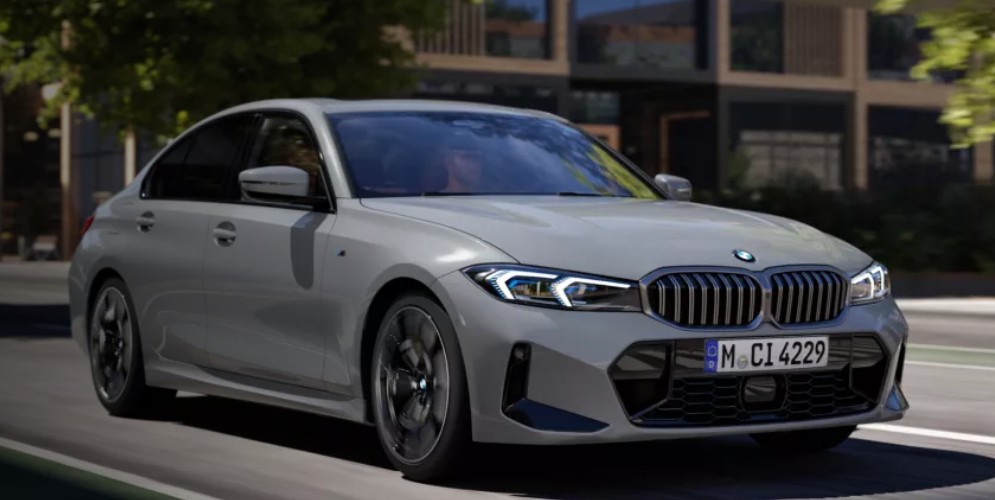
The turbocharger is one of the most exciting components in a modern BMW 3 Series. It transforms a refined sedan into a machine that delivers thrilling acceleration, responsive power, and impressive fuel efficiency. But when the turbo begins to fail, excitement can quickly turn into concern—especially when repair estimates start arriving.
So, what is the BMW 3 Series turbo replacement cost? The answer depends on factors such as the model year, engine type, labor rates, and whether we choose an OEM or aftermarket turbocharger. In some cases, replacement costs can be manageable. In others, they can feel like a financial thunderstorm rolling across the horizon.
In this comprehensive guide, we will explore everything we need to know about BMW 3 Series turbo replacement costs, warning signs, repair options, labor expenses, and strategies to reduce overall expenses.
Content in this publication
- Understanding the Turbocharger in a BMW 3 Series
- Average BMW 3 Series Turbo Replacement Cost
- Why BMW Turbo Replacement Can Be Expensive
- Turbo Replacement Cost by BMW 3 Series Model
- Single Turbo vs Twin Turbo Replacement Costs
- Common Symptoms of Turbo Failure
- What Causes a BMW Turbocharger to Fail?
- Labor Costs for BMW Turbo Replacement
- OEM vs Aftermarket Turbochargers
- Can We Rebuild a BMW Turbo Instead of Replacing It?
- Additional Repairs Often Needed During Turbo Replacement
- How Long Does a BMW Turbocharger Last?
- How to Extend Turbocharger Life
- Is Turbo Replacement Worth It?
- Ways to Save Money on BMW Turbo Replacement
- The Real Cost of Ignoring a Bad Turbo
- BMW 3 Series Turbo Replacement Cost: Final Thoughts
- FAQs
Understanding the Turbocharger in a BMW 3 Series
A turbocharger is essentially an air compressor powered by exhaust gases. It forces additional air into the engine, allowing more fuel to burn and creating greater power without significantly increasing engine size.
Modern BMW 3 Series models rely heavily on turbocharged engines. Popular examples include:
- BMW 320i
- BMW 328i
- BMW 330i
- BMW 335i
- BMW 340i
- BMW M340i
Without a functioning turbocharger, performance drops dramatically, and the driving experience becomes noticeably less engaging.
Average BMW 3 Series Turbo Replacement Cost
The average BMW 3 Series turbo replacement cost generally ranges between:
| Repair Type | Estimated Cost |
|---|---|
| Turbocharger only | $800 – $2,500 |
| Labor costs | $500 – $1,800 |
| Complete replacement | $1,300 – $4,300 |
| Twin-turbo replacement | $2,500 – $7,000+ |
The final bill varies depending on engine configuration and vehicle generation.
A simple turbo replacement on a four-cylinder engine may remain relatively affordable, while replacing twin turbos on a six-cylinder model can become significantly more expensive.
Why BMW Turbo Replacement Can Be Expensive
Many owners wonder why turbo repairs cost so much.
The answer lies in both the component itself and the labor required.
Complex Engine Design
BMW engineers prioritize performance and packaging efficiency. As a result, turbochargers are often mounted deep within the engine bay.
This means technicians may need to remove:
- Intake components
- Exhaust parts
- Cooling lines
- Heat shields
- Engine covers
Hours of labor quickly accumulate.
BMW OEM turbochargers are precision-engineered components built to withstand extreme temperatures and rotational speeds exceeding 200,000 RPM.
That level of engineering comes at a price.
Turbo Replacement Cost by BMW 3 Series Model
BMW 320i Turbo Replacement Cost
The BMW 320i typically uses a single turbocharged four-cylinder engine.
Expected cost:
- Parts: $800–$1,500
- Labor: $500–$1,000
- Total: $1,300–$2,500
BMW 328i Turbo Replacement Cost
The 328i is one of the most common turbocharged 3 Series models.
Expected cost:
- Parts: $900–$1,800
- Labor: $600–$1,200
- Total: $1,500–$3,000
BMW 330i Turbo Replacement Cost
The modern 330i features BMW's B48 turbocharged engine.
Expected cost:
- Parts: $1,000–$2,000
- Labor: $600–$1,300
- Total: $1,600–$3,300
BMW 335i Turbo Replacement Cost
The 335i often utilizes the N54 or N55 engine.
Replacement costs typically rise because of increased complexity.
Expected cost:
- Parts: $1,500–$4,000
- Labor: $1,000–$2,000
- Total: $2,500–$6,000
BMW 340i Turbo Replacement Cost
The B58 engine found in the 340i is known for reliability, but turbo replacement remains costly.
Expected cost:
- Parts: $1,500–$3,500
- Labor: $800–$1,800
- Total: $2,300–$5,300
Single Turbo vs Twin Turbo Replacement Costs
One of the biggest cost differences comes from turbo configuration.
Single Turbo Systems
Benefits include:
- Fewer components
- Lower labor costs
- Simpler installation
- Lower replacement expense
Average replacement:
$1,300–$4,000
Twin Turbo Systems
Twin-turbo engines involve:
- Two turbochargers
- Additional oil lines
- Extra cooling components
- More labor-intensive installation
Average replacement:
$3,000–$7,000+
The repair bill can feel like buying a used commuter car.
Common Symptoms of Turbo Failure
Recognizing symptoms early can prevent larger repair bills.
Loss of Power
The most obvious symptom is sluggish acceleration.
If the car suddenly feels slower than usual, turbo performance may be declining.
Whining Noise
A failing turbo often produces:
- Siren-like sounds
- High-pitched whining
- Unusual whistling noises
These sounds usually indicate bearing wear.
Excessive Exhaust Smoke
Blue smoke commonly suggests oil leakage inside the turbocharger.
When oil enters the combustion chamber, smoke appears through the exhaust.
Check Engine Light
Modern BMW systems constantly monitor boost pressure.
A failing turbo may trigger:
- Check engine light
- Reduced power mode
- Boost-related fault codes
Poor Fuel Economy
A damaged turbo forces the engine to work harder.
Fuel consumption frequently increases.
What Causes a BMW Turbocharger to Fail?
Turbochargers operate under extreme conditions.
Temperatures can exceed 1,800°F (982°C).
Rotational speeds often surpass 200,000 RPM.
Under these conditions, wear eventually occurs.
Oil Starvation
Oil is the turbo's lifeblood.
Insufficient lubrication can destroy bearings rapidly.
Common causes include:
- Missed oil changes
- Low oil levels
- Blocked oil passages
Foreign Object Damage
Small debris entering the turbo can damage compressor blades.
Even tiny particles can create serious imbalance.
Carbon Buildup
Over time, deposits accumulate inside turbo components.
This buildup can restrict movement and reduce efficiency.
Aggressive Driving Habits
Repeated hard acceleration without proper warm-up and cool-down procedures places extra stress on turbo components.
Labor Costs for BMW Turbo Replacement
Labor frequently represents a significant portion of the repair bill.
Independent Repair Shop
Typical labor rates:
- $90–$180 per hour
Turbo replacement usually requires:
- 5–12 hours
Estimated labor cost:
$500–$2,000
BMW Dealership
Dealership labor rates often range between:
- $150–$300 per hour
Total labor cost may exceed:
$1,000–$3,000
OEM vs Aftermarket Turbochargers
Choosing the right replacement turbo affects both cost and reliability.
OEM Turbochargers
Advantages:
- Exact fit
- Factory performance
- Manufacturer warranty
Disadvantages:
- Higher price
Aftermarket Turbochargers
Advantages:
- Lower cost
- Performance upgrade potential
Disadvantages:
- Variable quality
- Fitment concerns
For daily drivers, OEM replacements often provide the best balance.
Can We Rebuild a BMW Turbo Instead of Replacing It?
In some situations, rebuilding is possible.
A turbo rebuild may include:
- Bearings
- Seals
- Compressor wheel inspection
- Shaft balancing
Turbo Rebuild Cost
Typical cost:
- $400–$1,500
This option can save money if the turbo housing remains undamaged.
Additional Repairs Often Needed During Turbo Replacement
Turbo replacement rarely occurs in isolation.
Technicians often recommend replacing related components.
Oil Feed Lines
Old oil lines can contaminate a new turbo.
Replacement cost:
$100–$400
Coolant Lines
Leaking coolant lines may require replacement.
Cost:
$100–$500
Gaskets and Seals
Fresh gaskets help prevent leaks.
Cost:
$50–$300
Intercooler Inspection
Damaged intercoolers may require cleaning or replacement.
Cost:
$200–$1,000
How Long Does a BMW Turbocharger Last?
Most BMW turbochargers last:
- 100,000–150,000 miles
Some exceed 200,000 miles with proper maintenance.
Longevity depends largely on:
- Oil quality
- Maintenance frequency
- Driving habits
- Engine condition
Think of a turbocharger as a marathon runner. With proper care, it can go the distance. Neglect it, and the race ends much sooner.
How to Extend Turbocharger Life
Preventive maintenance remains the best defense against expensive repairs.
Use High-Quality Oil
Always use BMW-approved synthetic oil.
Clean oil reduces bearing wear.
Follow Oil Change Intervals
Many experts recommend changing oil every:
- 5,000–7,500 miles
rather than waiting for the maximum interval.
Allow Proper Warm-Up
Avoid hard acceleration immediately after startup.
Oil needs time to circulate.
Cool Down After Hard Driving
After spirited driving, allow the engine to idle briefly.
This helps reduce turbo temperatures.
Is Turbo Replacement Worth It?
This depends on vehicle value and overall condition.
Turbo replacement is often worthwhile when:
- The vehicle is otherwise reliable
- Mileage remains reasonable
- Maintenance history is strong
- Repair cost is less than replacement vehicle cost
For well-maintained BMW 3 Series models, turbo replacement frequently restores years of enjoyable driving.
Ways to Save Money on BMW Turbo Replacement
Smart owners often reduce repair expenses significantly.
Compare Multiple Quotes
Obtaining three estimates can reveal major price differences.
Use Reputable Independent Specialists
BMW-focused independent shops often deliver dealership-level expertise at lower rates.
Consider Remanufactured Turbos
Quality remanufactured units can reduce costs while maintaining reliability.
Address Problems Early
Replacing a turbo before catastrophic failure can prevent damage to:
- Catalytic converters
- Intercoolers
- Engine components
Early action usually saves money.
The Real Cost of Ignoring a Bad Turbo
Some owners delay repairs.
Unfortunately, turbo problems rarely improve on their own.
Ignoring failure symptoms may lead to:
- Engine damage
- Oil contamination
- Reduced fuel efficiency
- Expensive secondary repairs
What starts as a $2,000 repair can eventually become a $6,000 nightmare.
BMW 3 Series Turbo Replacement Cost: Final Thoughts
The BMW 3 Series turbo replacement cost typically falls between $1,300 and $4,300, though high-performance and twin-turbo models can exceed $7,000. While the price may initially seem daunting, understanding the factors behind the expense helps us make informed decisions.
A turbocharger is more than just another engine component. It is the heart of the BMW driving experience, delivering the balance of performance and efficiency that defines the 3 Series. By recognizing warning signs early, following proper maintenance practices, and comparing repair options carefully, we can minimize costs and maximize vehicle longevity.
In many cases, replacing a failing turbo is not merely a repair—it is an investment in preserving the performance, reliability, and enjoyment that make the BMW 3 Series such a beloved luxury sport sedan.
FAQs
1. How much does it cost to replace a turbo in a BMW 3 Series?
Most BMW 3 Series turbo replacements cost between $1,300 and $4,300, depending on the model, labor rates, and parts used.
2. Can I drive my BMW with a failing turbo?
While possible for a short period, it is not recommended because further damage may occur to the engine and related components.
3. How many hours does turbo replacement take?
Most BMW turbo replacements require between 5 and 12 labor hours, depending on engine layout and accessibility.
4. Is it cheaper to rebuild or replace a turbocharger?
A rebuild typically costs $400–$1,500 and can be cheaper if the housing and major components remain undamaged.
5. What is the average lifespan of a BMW turbocharger?
Most BMW turbochargers last between 100,000 and 150,000 miles, though proper maintenance can extend lifespan considerably.
If you want to know other articles similar to BMW 3 Series Turbo Replacement Cost: Complete Pricing Guide, Symptoms, and Money-Saving Tips you can visit the category Service and Parts.
Kia Sorento Service Reset: How to Reset the Service Light
Kia Sorento Fuel Tank Capacity: Gallons, Litres and Model Differences
Kia Sorento Tyre Pressure: Recommended PSI, Bar and Complete Guide
Kia Sorento Boot Space: How Much Luggage Space Does It Really Have?
Kia Sorento Towing Capacity: How Much Can a Sorento Tow?

Honda Passport Payload Capacity: How Much Weight Can It Carry?
Leave a Reply
More content of your interest