

Which BMW 3 Series Has the B58 Engine? The Ultimate Buyer’s Guide

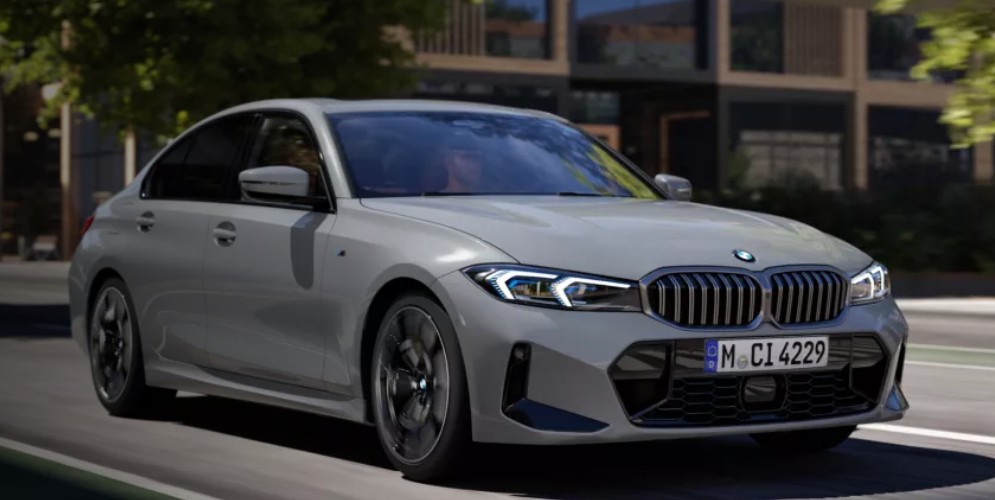
The BMW B58 engine has become one of the most respected turbocharged six-cylinder engines of the modern era. Among BMW enthusiasts, few powerplants generate as much excitement. It combines impressive reliability, outstanding performance, remarkable tuning potential, and the smooth characteristics that have made BMW inline-six engines legendary for decades.
If you are shopping for a BMW 3 Series, researching upgrades, or simply curious about the brand’s engineering, you may be wondering: Which BMW 3 Series has the B58 engine?
The short answer is that the BMW 340i (2016–2018) and the BMW M340i (2020–present) are the primary 3 Series models equipped with the B58. However, there is much more to the story than a simple list of model names.
In this comprehensive guide, we will explore everything you need to know about the B58 engine, the BMW 3 Series models that use it, how to identify them, why the engine is so highly regarded, and whether a B58-powered 3 Series deserves a place in your garage.
Content in this publication
- What Is the BMW B58 Engine?
- Why the B58 Engine Is So Popular
- Which BMW 3 Series Models Use the B58 Engine?
- The BMW F30 340i: The First B58-Powered 3 Series
- Why the F30 340i Remains Highly Desirable
- The BMW G20 M340i: Taking the B58 to Another Level
- Performance Specifications of the M340i
- Understanding the Mild-Hybrid B58 System
- BMW 3 Series Models That Do Not Have the B58
- How to Identify a BMW 3 Series With a B58 Engine
- What Makes the B58 Different From the N55?
- Reliability of the B58 Engine
- Common B58 Issues
- The B58 and the Toyota Supra Connection
- Performance Potential of the B58
- Should You Buy a B58-Powered BMW 3 Series?
- Things to Check Before Purchasing
- The Best B58-Powered BMW 3 Series
- Final Verdict
- Frequently Asked Questions
What Is the BMW B58 Engine?
The B58 is a turbocharged 3.0-liter inline-six gasoline engine developed by BMW as part of its modular engine family. Introduced in 2015, it replaced the N55 engine and quickly became one of the most celebrated powerplants the company has ever produced.
BMW designed the B58 to deliver stronger performance, improved fuel efficiency, lower emissions, and greater reliability than its predecessor. The result was an engine that not only met modern regulations but also exceeded the expectations of driving enthusiasts.
Key features include:
- 3.0-liter displacement
- Inline-six cylinder configuration
- Single twin-scroll turbocharger
- Direct fuel injection
- Valvetronic variable valve lift
- Double VANOS variable camshaft timing
- Closed-deck engine block design
These technologies work together to create an engine that feels both refined and incredibly capable.
Why the B58 Engine Is So Popular
The B58 has earned widespread praise from owners, reviewers, tuners, and automotive journalists. While many modern turbocharged engines deliver impressive numbers on paper, the B58 manages to offer much more than raw horsepower.
One of its greatest strengths is its balance. It feels smooth and effortless during daily driving yet transforms into a powerful performance machine when pushed harder.
Drivers appreciate:
- Strong low-end torque
- Minimal turbo lag
- Excellent throttle response
- Smooth power delivery
- Impressive fuel economy
- High reliability compared to many modern turbo engines
The B58 has become the kind of engine enthusiasts recommend without hesitation.
Which BMW 3 Series Models Use the B58 Engine?
The BMW 3 Series models equipped with the B58 engine are relatively easy to identify once you understand BMW's naming conventions.
The primary B58-powered 3 Series models are:
| Model | Generation | Production Years |
|---|---|---|
| BMW 340i | F30 | 2016–2018 |
| BMW 340i xDrive | F30 | 2016–2018 |
| BMW M340i | G20 | 2020–Present |
| BMW M340i xDrive | G20 | 2020–Present |
These are the factory-equipped BMW 3 Series models that feature the B58 engine.
The BMW F30 340i: The First B58-Powered 3 Series
When BMW launched the 340i in 2016, it replaced the outgoing 335i. This change was significant because it marked the arrival of the B58 engine in the 3 Series lineup.
The F30 340i immediately gained attention for its combination of performance and everyday practicality.
Factory specifications included:
- 320 horsepower
- 330 lb-ft of torque
- Rear-wheel drive or xDrive all-wheel drive
- Automatic or manual transmission availability in some markets
The introduction of the B58 gave the 340i noticeably stronger acceleration and improved refinement compared with the N55-powered 335i.
Many enthusiasts still consider the F30 340i one of the best used BMW performance bargains available today.
Why the F30 340i Remains Highly Desirable
Several years after production ended, demand for the 340i remains strong.
The reasons are easy to understand.
First, it offers the legendary BMW driving experience while maintaining everyday usability. Second, it provides access to the B58 platform at a much lower price than newer models.
Owners appreciate:
- Excellent reliability
- Strong aftermarket support
- Comfortable ride quality
- Practical sedan design
- Outstanding tuning potential
For many enthusiasts, the F30 340i represents the sweet spot between affordability and performance.
The BMW G20 M340i: Taking the B58 to Another Level
BMW introduced the M340i as part of the G20-generation 3 Series lineup.
Rather than simply replacing the 340i, BMW elevated the formula significantly.
The M340i received:
- More horsepower
- Improved suspension
- Larger brakes
- Enhanced cooling systems
- Sportier styling
- Additional performance-focused technology
The result is one of the most complete sports sedans available today.
Performance Specifications of the M340i
The M340i uses a more powerful version of the B58 engine.
Factory output includes:
- 382 horsepower
- 369 lb-ft of torque
Combined with the quick-shifting transmission and available xDrive system, acceleration is genuinely impressive.
Many independent tests have recorded 0–60 mph times around four seconds, placing the M340i in performance territory once reserved for full-fledged M cars.
Understanding the Mild-Hybrid B58 System
Recent M340i models feature a 48-volt mild-hybrid system.
You may be interested in reading Dacia Duster vs MG ZS: Which Compact SUV Is the Better Buy?
This technology assists the engine during acceleration and improves efficiency without fundamentally changing the driving experience.
Benefits include:
- Improved fuel economy
- Faster response
- Smoother stop-start operation
- Enhanced overall refinement
Despite the hybrid assistance, the B58 remains the heart of the vehicle.
BMW 3 Series Models That Do Not Have the B58
Many buyers mistakenly assume that every six-cylinder BMW 3 Series uses the B58.
This is not the case.
Several popular models use different engines.
BMW 335i
The 335i uses:
- N54 engine in earlier generations
- N55 engine in later generations
While both are excellent performance engines, neither is a B58.
BMW 330i
The 330i uses a four-cylinder engine rather than a six-cylinder unit.
Depending on the generation, this is usually:
- B46
- B48
BMW M3
Although it sits at the top of the 3 Series performance hierarchy, the M3 does not use the B58.
Instead, BMW M develops dedicated high-performance engines such as:
- S55
- S58
These engines share some design concepts with the B58 but are distinct powerplants.
How to Identify a BMW 3 Series With a B58 Engine
If you are shopping for a used BMW, proper identification is essential.
Fortunately, there are several reliable methods.
Check the Model Badge
The easiest approach is examining the model designation.
B58-equipped examples include:
- 340i
- 340i xDrive
- M340i
- M340i xDrive
Verify the Production Year
Production years are another important clue.
- 340i models: 2016–2018
- M340i models: 2020–present
Decode the VIN
A VIN decoder provides the most accurate confirmation.
It reveals:
- Engine code
- Factory options
- Production date
- Drivetrain configuration
This method eliminates uncertainty.
What Makes the B58 Different From the N55?
One of the most common comparisons involves the B58 and its predecessor, the N55.
The B58 introduced several significant improvements.
These include:
- Closed-deck block design
- Improved cooling architecture
- Enhanced fuel system
- Greater structural strength
- Better emissions performance
The result is an engine that handles both factory power levels and aftermarket modifications more effectively.
Reliability of the B58 Engine
Reliability is one of the main reasons buyers actively seek out B58-powered BMWs.
Unlike some older BMW turbocharged engines that developed mixed reputations, the B58 has consistently earned praise for durability.
Owners frequently report high-mileage examples that continue running smoothly with proper maintenance.
Major strengths include:
- Strong internal components
- Reliable turbocharger design
- Efficient cooling systems
- Reduced oil consumption
This reliability advantage has significantly boosted the engine's reputation.
Common B58 Issues
Although reliable, no engine is completely free from potential concerns.
Some issues occasionally reported include:
- Coolant leaks
- Oil filter housing wear
- PCV system failures
- Electronic sensor faults
Fortunately, these problems are generally manageable and far less severe than issues associated with certain earlier BMW engines.
The B58 and the Toyota Supra Connection
One of the strongest endorsements of the B58 came from outside BMW itself.
You may be interested in readingDacia Duster vs MG ZS: Which Compact SUV Is the Better Buy?You may be interested in reading
BMW 3 Series vs BMW 2 Series: Which BMW Is the Better Choice for You?Toyota selected a version of the B58 for the fifth-generation Supra.
This partnership surprised many enthusiasts initially but ultimately increased confidence in the engine.
Toyota's reputation for reliability is legendary. The decision to use the B58 demonstrated significant faith in BMW's engineering.
As a result, the engine gained even more popularity worldwide.
Performance Potential of the B58
The B58 is famous for its tuning capabilities.
Even modest modifications can produce dramatic results.
A basic Stage 1 tune often delivers:
- 420–450 horsepower
- Significant torque gains
- Improved throttle response
With additional supporting modifications, many owners comfortably exceed 500 horsepower.
More extensive builds can surpass 700 horsepower while retaining impressive drivability.
This flexibility is one reason the B58 has become a favorite among performance enthusiasts.
Should You Buy a B58-Powered BMW 3 Series?
For many drivers, the answer is yes.
The B58 delivers a rare combination of qualities that are difficult to find elsewhere.
It offers:
- Strong reliability
- Excellent performance
- Daily comfort
- Impressive efficiency
- Huge tuning potential
Whether you choose the F30 340i or the G20 M340i, you gain access to one of BMW's finest modern engines.
Things to Check Before Purchasing
Before buying a used B58-powered 3 Series, inspect the vehicle carefully.
Important areas include:
Maintenance History
Look for:
- Regular oil changes
- Cooling system service
- Documented repairs
- Dealer or specialist maintenance records
Mechanical Condition
Inspect:
- Turbocharger operation
- Suspension components
- Engine mounts
- Cooling system integrity
Modifications
Modified vehicles are not necessarily problematic, but quality matters.
Professional modifications supported by maintenance records are usually preferable to poorly executed upgrades.
The Best B58-Powered BMW 3 Series
The best model depends on your goals.
Best Value
The F30 340i offers the strongest value proposition.
It combines:
- Lower purchase costs
- Excellent performance
- Proven reliability
- Strong aftermarket support
Best Overall
The G20 M340i is arguably the most complete package.
It delivers:
- Greater power
- Improved technology
- Better handling
- Enhanced comfort
- Modern safety features
For buyers seeking the ultimate non-M 3 Series experience, the M340i is difficult to beat.
Final Verdict
If you are asking, "Which BMW 3 Series has the B58 engine?", the answer is straightforward: the 2016–2018 BMW 340i and the 2020-present BMW M340i, including their xDrive variants.
These models showcase everything enthusiasts admire about BMW's engineering philosophy. They combine the timeless appeal of an inline-six engine with modern efficiency, impressive reliability, and thrilling performance.
The B58 is more than just another turbocharged engine. It is the foundation of some of the most desirable BMWs produced in recent years. Whether you are searching for a capable daily driver, a practical sports sedan, or a tuning platform with enormous potential, a B58-powered BMW 3 Series remains one of the smartest choices in today's market.
Frequently Asked Questions
1. Which BMW 3 Series first received the B58 engine?
The BMW 340i introduced in 2016 was the first 3 Series model equipped with the B58 engine.
2. Does the BMW 335i have a B58 engine?
No. The 335i uses either the N54 or N55 engine depending on the generation.
3. Is the BMW M340i powered by the B58?
Yes. The M340i uses a more powerful version of the B58 engine.
4. Is the B58 reliable?
The B58 is widely considered one of BMW's most reliable modern turbocharged engines.
5. Can the B58 make more than 500 horsepower?
Yes. With proper tuning and supporting modifications, many B58-powered vehicles comfortably exceed 500 horsepower.
You may be interested in readingDacia Duster vs MG ZS: Which Compact SUV Is the Better Buy?You may be interested in reading
BMW 3 Series vs BMW 2 Series: Which BMW Is the Better Choice for You?You may be interested in reading
BMW 3 Series vs 5 Series: Which BMW Sedan Is the Better Choice?If you want to know other articles similar to Which BMW 3 Series Has the B58 Engine? The Ultimate Buyer’s Guide you can visit the category Models.
Kia Sorento Models: Complete Guide to Trims, Engines and Versions
BYD Shark 6 vs Ranger vs HiLux: Which Ute Makes the Most Sense in 2026?
BYD Shark 6 vs MG U9: Which Ute Makes More Sense in 2026?
BYD Shark 6 vs Ford Ranger Raptor: Which Performance Ute Is Better in 2026?
BYD Shark 6 vs Kia Tasman: Which Ute Is Better?
BYD Shark 6 vs 7: What We Know So Far
Leave a Reply
More content of your interest