

Ford C-Max Not Starting: Complete Troubleshooting Guide for Quick Diagnosis and Reliable Repairs

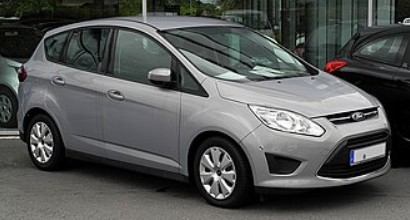
A Ford C-Max that refuses to start can feel like a locked door between you and your day. One moment everything seems normal, and the next, you're sitting in the driver's seat pressing the start button or turning the key with nothing but frustration in return.
The good news is that most Ford C-Max starting problems stem from a relatively small group of causes. Whether the issue is a weak battery, a faulty starter motor, an immobilizer fault, fuel delivery problems, or a damaged sensor, understanding the symptoms can save time, money, and stress.
In this comprehensive guide, we'll walk through the most common reasons a Ford C-Max won't start, how to diagnose the problem, and what repairs may be necessary.
Content in this publication
- Understanding Why a Ford C-Max Won't Start
- Common Symptoms of a Ford C-Max Not Starting
- Battery Problems: The Most Common Cause
- Corroded Battery Terminals
- Starter Motor Failure
- Alternator Problems Can Lead to Starting Issues
- Ford C-Max Key Not Detected Problems
- Immobilizer System Faults
- Fuel Pump Failure
- Blocked Fuel Filter Problems
- Ignition Coil and Spark Plug Issues
- Crankshaft Position Sensor Failure
- Camshaft Sensor Problems
- Engine Management System Faults
- Blown Fuses and Faulty Relays
- Wiring and Ground Connection Problems
- Cold Weather Starting Problems
- Diesel Ford C-Max Starting Problems
- Diagnosing a Ford C-Max That Won't Start
- When Professional Diagnosis Is Necessary
- Preventing Future Starting Problems
- Ford C-Max Not Starting: Quick Troubleshooting Checklist
- Conclusion
- Frequently Asked Questions
Understanding Why a Ford C-Max Won't Start
Before diving into diagnostics, it helps to understand what happens when a vehicle starts.
Your Ford C-Max relies on several systems working together:
- Battery
- Starter motor
- Ignition system
- Fuel system
- Engine management system
- Immobilizer system
- Sensors and wiring
If just one of these components fails, the vehicle may not start.
Think of the starting process like an orchestra. Every instrument must play at the right moment. If one musician misses a note, the entire performance can fall apart.
Common Symptoms of a Ford C-Max Not Starting
Different symptoms often point toward different faults.
No Crank, No Noise
When you turn the key and absolutely nothing happens:
- Flat battery
- Dead starter motor
- Faulty ignition switch
- Blown fuse
- Immobilizer issue
Clicking Noise but No Start
A rapid clicking sound usually indicates:
- Weak battery
- Corroded battery terminals
- Poor ground connection
Engine Cranks but Won't Fire
If the engine turns over but never starts:
- Fuel pump failure
- Bad crankshaft sensor
- Ignition coil problem
- Fuel injector issue
- Engine timing issue
Intermittent Starting Problems
When the vehicle sometimes starts and sometimes doesn't:
- Failing battery
- Loose wiring
- Faulty starter relay
- Key recognition issue
Battery Problems: The Most Common Cause
The battery is responsible for supplying the electrical power needed to start the engine.
Signs of a Weak Battery
Look for:
- Dim headlights
- Slow cranking
- Electrical glitches
- Dashboard warning lights
A battery may still power lights and accessories but lack enough strength to start the engine.
How to Test the Battery
Using a multimeter:
- 12.6V = healthy
- 12.4V = partially charged
- Below 12.2V = weak
- Below 12V = likely faulty
If the battery is more than four or five years old, replacement may be the best solution.
Corroded Battery Terminals
Even a healthy battery can fail to deliver power if corrosion develops around the terminals.
What Corrosion Looks Like
You may notice:
- White powder
- Green residue
- Rust-colored buildup
These deposits increase electrical resistance and reduce current flow.
Cleaning Battery Connections
Disconnect the battery safely and clean the terminals with a battery cleaner or a mixture of baking soda and water.
A simple cleaning can sometimes restore normal starting immediately.
Starter Motor Failure
The starter motor physically turns the engine during startup.
When it fails, the engine cannot crank.
Symptoms of a Bad Starter
Common signs include:
- Single click
- Grinding noise
- No crank condition
- Intermittent operation
Sometimes tapping the starter motor lightly may temporarily restore function, but replacement is usually required.
Starter Solenoid Issues
The starter solenoid acts like a switch.
When it fails:
- Power never reaches the starter
- The engine remains silent
- Starting becomes unpredictable
Alternator Problems Can Lead to Starting Issues
Many drivers assume a starting problem automatically means a bad battery.
However, the alternator may be the real culprit.
What the Alternator Does
The alternator charges the battery while driving.
If it stops working:
- Battery drains
- Electronics malfunction
- Vehicle eventually won't start
Common Alternator Symptoms
Watch for:
- Battery warning light
- Flickering lights
- Weak electrical systems
- Frequent battery replacement
Ford C-Max Key Not Detected Problems
Many newer Ford C-Max models use keyless entry and push-button start technology.
When the Key Isn't Recognized
You may see messages such as:
- Key Not Detected
- No Key Detected
- Immobilizer Active
Common causes include:
- Weak key fob battery
- Damaged key fob
- Receiver issues
- Software faults
Replacing the Key Fob Battery
A simple battery replacement often solves the issue.
Most key fobs use inexpensive coin-cell batteries that can be changed within minutes.
Immobilizer System Faults
The immobilizer prevents theft by ensuring only authorized keys can start the vehicle.
Signs of Immobilizer Failure
Symptoms may include:
- Flashing security light
- Engine cranks then stops
- Vehicle refuses to crank
- Key recognition errors
What Causes Immobilizer Problems?
Potential causes include:
- Damaged transponder chip
- Faulty antenna ring
- Software issues
- Wiring faults
Professional diagnostic equipment is often required.
Fuel Pump Failure
Every engine needs fuel.
Without proper fuel pressure, the engine won't start.
Symptoms of a Faulty Fuel Pump
Look for:
- Long cranking times
- Engine sputtering
- Complete no-start condition
- Loss of power before failure
Listening for the Fuel Pump
Turn the ignition on without starting.
You should hear a brief humming sound from the fuel tank.
No sound may indicate:
- Failed fuel pump
- Blown fuse
- Faulty relay
Blocked Fuel Filter Problems
A restricted fuel filter can starve the engine.
Common Warning Signs
You may notice:
- Hard starting
- Poor acceleration
- Engine hesitation
- Stalling
Replacing the filter is often inexpensive compared with fuel pump replacement.
Ignition Coil and Spark Plug Issues
Gasoline engines need spark.
Without it, combustion cannot occur.
Failed Ignition Components
Problems may include:
- Worn spark plugs
- Failed ignition coils
- Damaged wiring
Symptoms
Typical indicators are:
- Misfires
- Rough idle
- Reduced power
- Engine cranks but won't start
Crankshaft Position Sensor Failure
The crankshaft sensor plays a critical role in engine management.
Why It Matters
The engine computer uses this sensor to determine:
- Engine speed
- Crankshaft position
- Ignition timing
If the signal disappears, the engine may stop starting entirely.
Common Symptoms
- Sudden stalling
- No-start condition
- Check engine light
- Intermittent failures
Camshaft Sensor Problems
Modern Ford C-Max engines rely heavily on sensor data.
A faulty camshaft position sensor can prevent proper fuel injection and ignition timing.
Signs of Failure
Watch for:
- Rough running
- Hard starting
- Stalling
- Engine warning lights
Diagnostic scanning usually confirms the issue.
Engine Management System Faults
The Engine Control Module (ECM) serves as the vehicle's brain.
How ECM Problems Affect Starting
When communication errors occur:
- Sensors may stop reporting
- Fuel delivery can fail
- Ignition timing becomes incorrect
Potential Causes
- Software corruption
- Water damage
- Wiring faults
- Voltage spikes
Fortunately, ECM failure is relatively uncommon.
Blown Fuses and Faulty Relays
A small fuse can create a huge problem.
Critical Starting System Fuses
Key circuits include:
- Fuel pump fuse
- Starter fuse
- Ignition fuse
- Engine control fuse
Relay Failures
Relays act as electrically controlled switches.
When one fails, critical systems stop functioning.
Checking relays is a quick and inexpensive diagnostic step.
Wiring and Ground Connection Problems
Electrical faults can be difficult to diagnose.
Common Wiring Issues
Potential problems include:
- Broken wires
- Rodent damage
- Loose connectors
- Corrosion
Bad Ground Connections
Ground points complete electrical circuits.
A poor ground can cause:
- Intermittent starting
- Dashboard errors
- Battery drain
- Communication faults
Cold Weather Starting Problems
Winter can expose weaknesses hidden during warmer months.
Why Cold Temperatures Matter
Cold weather:
- Thickens engine oil
- Reduces battery output
- Increases electrical demand
Winter Starting Tips
Consider:
- Battery testing before winter
- Using recommended oil
- Keeping terminals clean
- Parking indoors when possible
Diesel Ford C-Max Starting Problems
Diesel models have unique failure points.
Glow Plug Issues
Glow plugs help ignite fuel during cold starts.
Faulty glow plugs may cause:
- Difficult starts
- White smoke
- Rough running
Diesel Fuel System Problems
Potential causes include:
- Air in fuel lines
- Injector faults
- High-pressure pump issues
- Contaminated fuel
Diagnosing a Ford C-Max That Won't Start
Following a logical process prevents unnecessary parts replacement.
Step 1: Check the Battery
Measure voltage.
Inspect terminals.
Look for corrosion.
Step 2: Listen for Cranking
Determine whether:
- Engine doesn't crank
- Engine cranks slowly
- Engine cranks normally
Step 3: Scan for Fault Codes
An OBD-II scanner can identify:
- Sensor failures
- Immobilizer issues
- Fuel system problems
Step 4: Verify Fuel Delivery
Confirm fuel pressure and pump operation.
Step 5: Verify Spark
Check ignition system performance.
When Professional Diagnosis Is Necessary
Some problems require advanced tools.
Examples include:
- Immobilizer programming
- ECM diagnostics
- Network communication faults
- Advanced sensor testing
A qualified technician can often diagnose these issues faster than trial-and-error repairs.
Preventing Future Starting Problems
Prevention is cheaper than repair.
Recommended Maintenance Practices
- Test battery annually
- Replace aging batteries
- Inspect terminals regularly
- Service fuel system
- Replace spark plugs on schedule
- Address warning lights promptly
These habits dramatically reduce the likelihood of a no-start situation.
Ford C-Max Not Starting: Quick Troubleshooting Checklist
Use this checklist when your vehicle refuses to start:
- Check battery voltage.
- Inspect battery terminals.
- Listen for fuel pump operation.
- Verify starter motor activity.
- Scan for diagnostic trouble codes.
- Check fuses and relays.
- Test key fob battery.
- Look for immobilizer warnings.
- Inspect wiring and grounds.
- Seek professional diagnostics if needed.
Conclusion
A Ford C-Max not starting can seem overwhelming at first, but most cases trace back to a handful of common causes. Weak batteries, faulty starters, immobilizer issues, fuel delivery failures, and sensor malfunctions account for the majority of no-start complaints.
The key is approaching the problem systematically rather than guessing. By identifying whether the engine fails to crank, cranks slowly, or cranks without firing, we can dramatically narrow the list of possible causes. Like following footprints through fresh snow, every symptom leaves a clue leading toward the true fault.
With proper diagnosis and maintenance, your Ford C-Max can remain reliable for many years, helping you avoid unexpected breakdowns and costly repairs.
Frequently Asked Questions
1. Why does my Ford C-Max click but not start?
A clicking sound usually indicates a weak battery, poor battery connection, or a failing starter motor.
2. Can a bad key fob stop a Ford C-Max from starting?
Yes. If the vehicle cannot recognize the key, the immobilizer system may prevent the engine from starting.
3. Why does my Ford C-Max crank but not fire up?
Common causes include fuel pump failure, ignition problems, sensor faults, or immobilizer issues.
4. How do I know if my Ford C-Max starter motor is bad?
Symptoms include clicking noises, no cranking, intermittent starting, and grinding sounds during startup.
5. Can a faulty crankshaft sensor cause a no-start condition?
Yes. Without a valid crankshaft position signal, the engine computer may prevent fuel injection and ignition operation.
If you want to know other articles similar to Ford C-Max Not Starting: Complete Troubleshooting Guide for Quick Diagnosis and Reliable Repairs you can visit the category Common Problems.
Kia Sorento Issues: Common Problems, Reliability and What to Watch For

Honda Passport Not Starting: Causes, Symptoms, and How to Fix It
Honda Passport Keyless Remote Battery Low: What It Means and How to Fix It

Nissan Rogue Apple CarPlay Not Working: Causes and Fixes
Nissan Rogue No Key Detected: Causes, Fixes, and What to Do
Nissan Rogue Engine Problems: Common Issues, Symptoms, Years and Solutions
Leave a Reply
More content of your interest